If you are interested in joining future Face Off debates, fill out this form to submit your application.
For: Leah Lei Lok-ching, 16, Cognitio College (Kowloon)

The Academy of Motion Picture Arts and Sciences is both a protector of tradition and an advocate for innovation. From visual effects to animated features, it has always embraced new forms of cinematic craft. Allowing artificial intelligence-assisted films to compete would honour this legacy.
By setting clear authorship requirements, ensuring transparent disclosure and promoting technological knowledge, the Oscars can maintain artistic integrity while staying the gold standard in cinematic recognition.
The Academy’s guidelines already centre human creativity. AI can help but it cannot replace key roles. With clear authorship requirements, the Academy can avoid situations where a completely AI-generated film is considered. The result would be a balanced framework that allows for growth without undermining human effort.
Excluding AI-assisted works would also risk alienating younger filmmakers who view AI literacy as essential, much like knowledge of editing software.
Allowing AI-assisted films into the Oscars race keeps the Academy relevant and ensures it reflects the changing language of film.
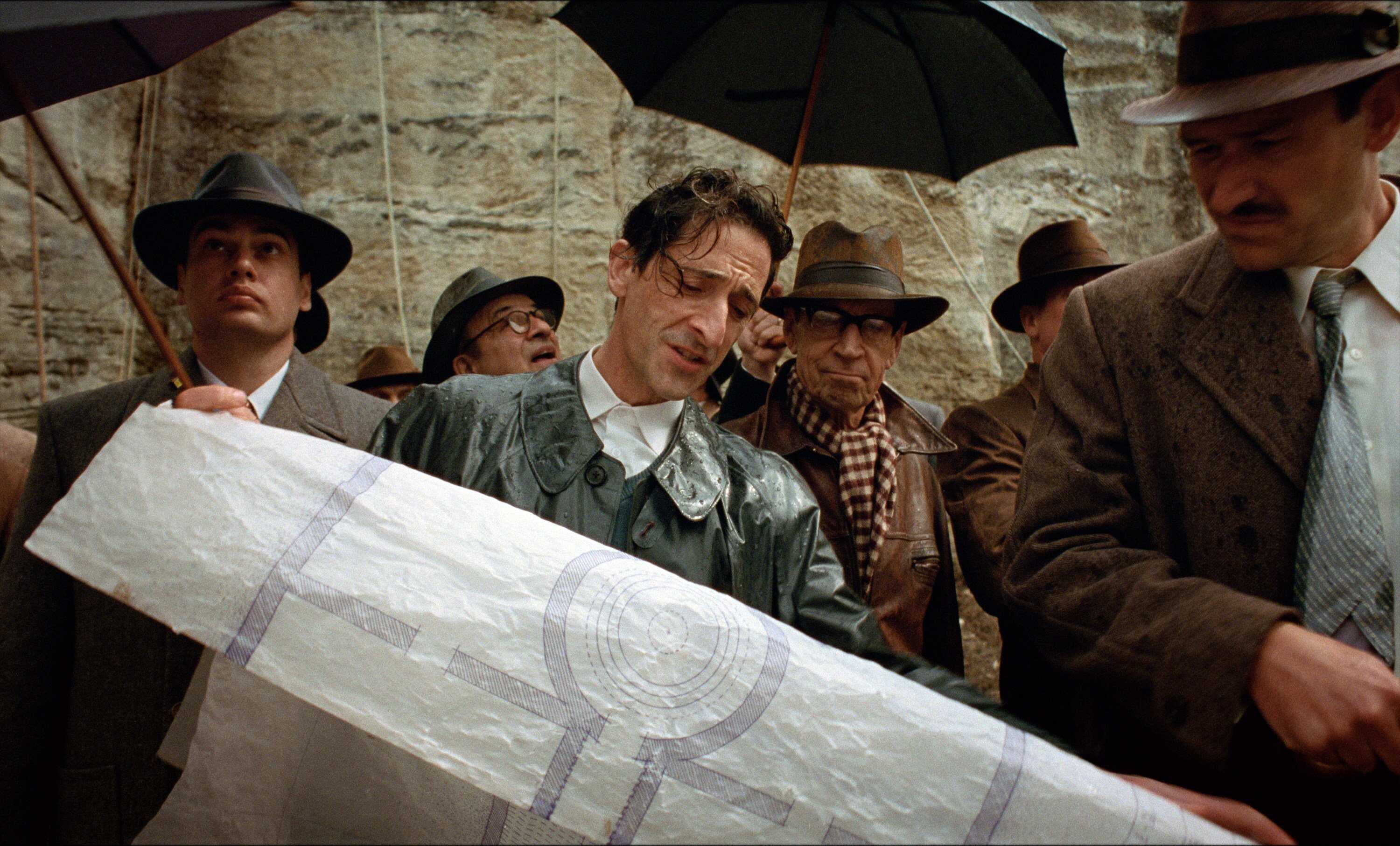
Recent examples support the case for including AI. Academy Award-winning film The Brutalist used AI to clone voices to fix dialogue and accent inconsistencies. The technique is inaudible to viewers but crucial for performance coherence.
In these cases, the artistic intent remains human: AI simply helps ensure the technical aspects align with creative vision.
Historically, every major technological leap in filmmaking, from sound to colour grading software, was initially met with scepticism and later celebrated for expanding the craft. Excluding AI outright would hinder cinematic evolution.
Critics often point to the lack of disclosure requirements. However, the Academy is already considering formal transparency measures that would require filmmakers to disclose the extent of AI use. By requiring disclosure, the Academy can uphold the integrity of creative credit while allowing for technological exploration.
The decision to allow nominations for AI-assisted films is not a rejection of human creativity but a recognition that creativity has always evolved alongside tools. The future of film is not simply humans against machines.
Against: Nicholas Gao, 17, Chinese International School

Artificial intelligence appears to be seeping into every corner of our lives, even into places where it is not invited. In the entertainment world, AI caused a significant stir after it was discovered that notable auteurs were using the technology.
A clear line should be drawn, including not rewarding AI works, especially with Academy recognition and awards.
AI is a technological evolution, so supporters ask, what is the harm?
However, the Oscars are, by definition, bestowed on a film for its artistic and technical merit. These awards were created to recognise the genuine hard work, ingenuity and inspiration that went into making a great film. Without human creativity and emotion, there is no point to the awards.
Moreover, there is the concern of job stability for creatives in the moviemaking industry. Allowing AI to replace the work of industry professionals, many of whom spent years and hundreds of thousands of dollars on a film school education, sets an unethical precedent.
Many supporters of AI make arguments that neglect the human side of the issue. Thousands of jobs could potentially be made redundant. Of course, AI will create new data science jobs and other positions, but this upside is negligible compared to its significant drawbacks.
Additionally, there are significant copyright concerns that filmmakers have yet to resolve.
Take, for example, the Oscar-winning period drama The Brutalist. Adrien Brody picked up the Best Actor award for his portrayal of the central character, Laszlo Toth. However, Brody’s Hungarian accent was enhanced by AI after filming.
The problem is that Brody had not simply delivered a quality performance on his own – his performance was supplemented. The AI language tool used had likely obtained audio from Hungarian sources on the internet without their knowledge or consent and used it to improve Brody’s performance. This raises licensing and copyright issues, as well as legal and ethical concerns.
There are arguments in favour of AI in moviemaking; it breaks down financial barriers and seems like an unstoppable evolution in filmmaking technology. However, it should not be competing with human works at the Oscars. If AI films must be considered, they must be separated from the core Oscars, perhaps in a dedicated category, such as “Best AI-Enhanced Feature”.