Have something to say? Send us a letter using this form.
Step towards protecting children
Ng Wing-ho, GCC & ITKD Lau Pak Lok Secondary School
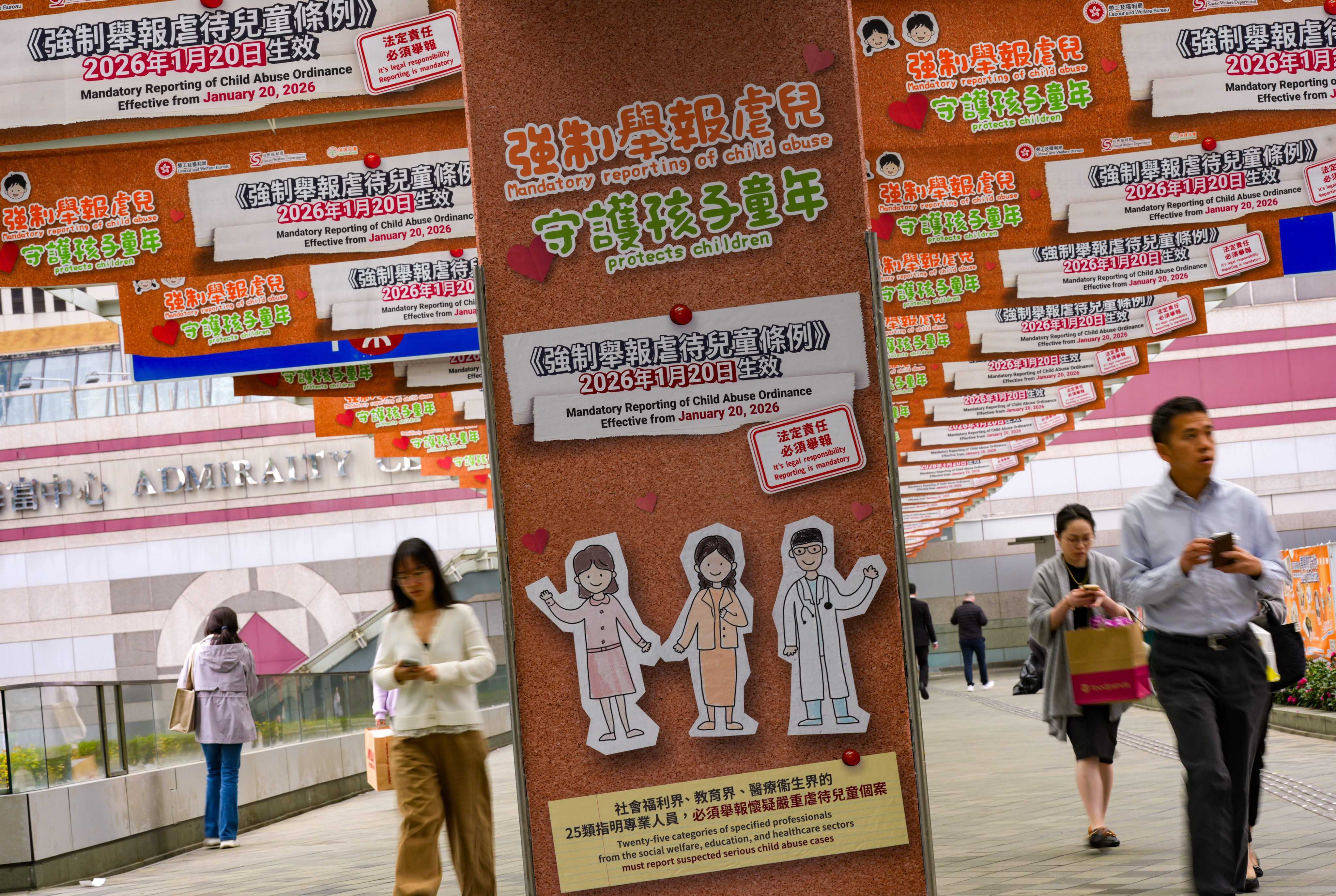
The Mandatory Reporting of Child Abuse Ordinance took effect last week, marking a significant step in protecting children’s mental and physical health. This policy creates a role for educators to ensure that child abuse can be identified and reported immediately. Primary and secondary schools should educate students about their rights and help them recognise the signs of abuse to foster a safe environment.
To protect students and address the mental health needs of those who have experienced trauma at home, schools should implement support systems. These systems would allow students to speak with teachers or social workers and participate in peer support groups. This approach would help them identify their traumas and begin learning ways to manage them.
Creating a culture that prioritises students’ mental health is crucial. It teaches them that they have rights and helps vulnerable students feel safe in school, increasing their chance of academic success. Schools can transform into safe spaces for vulnerable students, fostering a positive and supportive environment. This policy not only paves the way for a brighter future for every child but also empowers them to understand and assert their rights as human beings.
Cost of the night shift
Cherish Chiu Cheuk-wing, Leung Shek Chee College
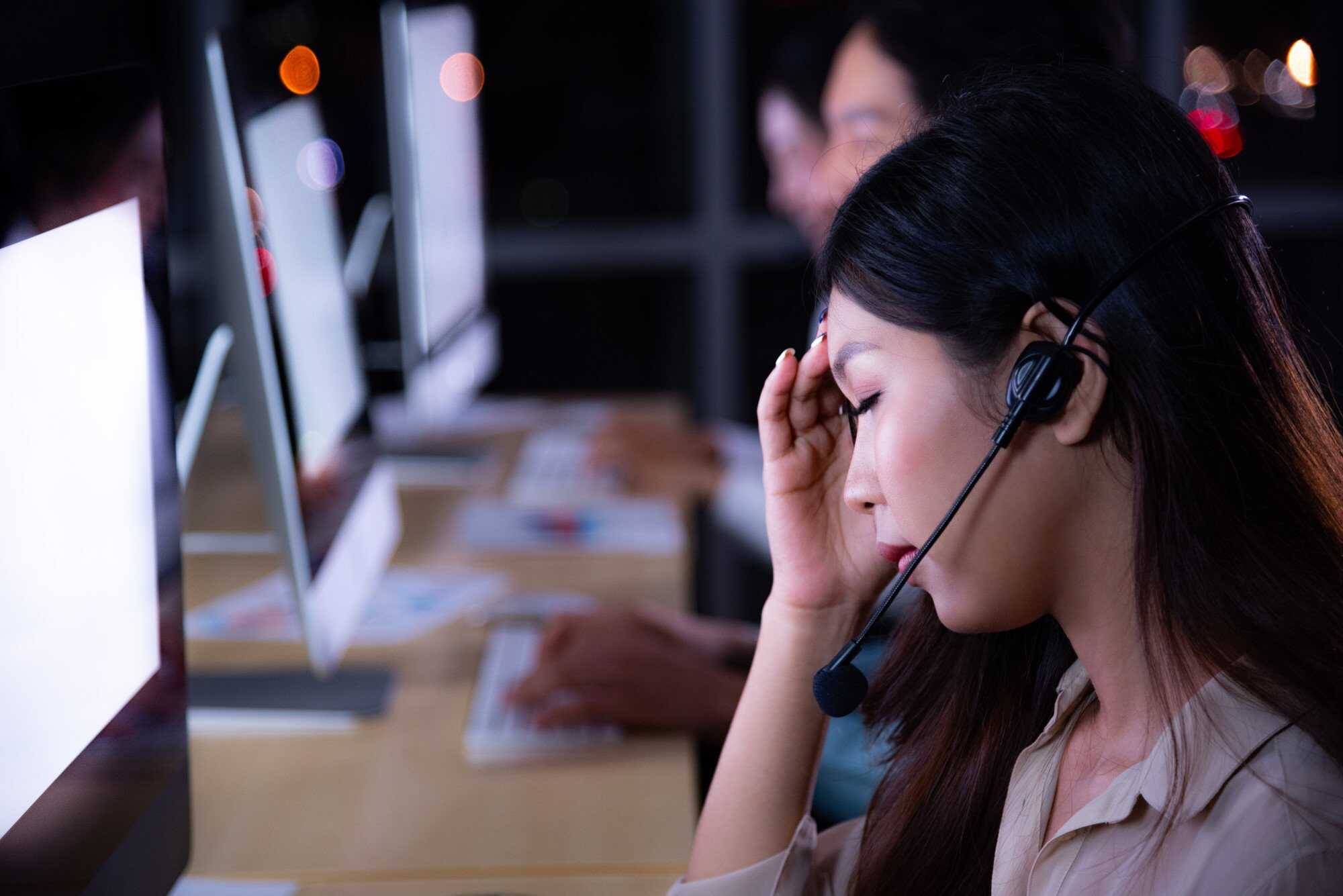
While our modern, 24-hour economy relies on those who work through the night – from healthcare workers and security guards to factory operators and delivery drivers – this schedule can have a profound and often overlooked personal cost. The cons of nocturnal work extend far beyond being tired, weaving a complex web of physical, mental and social challenges.
Biologically, night work is a form of chronic jet lag. It forces the body to operate against its innate circadian rhythm, the internal clock regulated by light and darkness. This persistent misalignment is linked to serious long-term health risks, including higher rates of cardiovascular disease, metabolic disorders like diabetes and a weakened immune system. Disrupted sleep patterns rarely provide the same restorative quality as nocturnal sleep, leading to a perpetual state of sleep debt.
In addition, night workers miss out on social events and often feel out of sync with family and friends. They miss daytime gatherings, weekday dinners and weekend mornings, which can erode relationships and leave them feeling disconnected.
Working the night shift demands a steep sacrifice that we must acknowledge and mitigate.
Educate students about social media
Shenice Lam, St Catharine’s School for Girls
Although social media is a great place to build friendships and express your thoughts, research shows that parents of children aged 10 to 18 have reported that their kids have experienced cyberbullying.
There are also many privacy concerns regarding social media. Teenagers can be easily influenced by online trends, and they may share their personal information. This can lead to identity theft or being scammed by strangers.
Moreover, there is a lot of misinformation online, including health hoaxes, conspiracy theories and political disinformation.
Social media isn’t entirely harmful. For instance, users can easily share their ideas and raise awareness about important issues. This can help teenagers learn about the world and inspire them to pursue their dreams.
What can we do to address these concerns? Regarding cyberbullying, parents should encourage their children to communicate with them more openly and share the problems they face online. As for privacy concerns, parents should explain the importance of protecting one’s personal information.
Finally, teenagers should always fact-check information before believing or sharing it.