Have something to say? Send us a letter using this form.
Racism in Hong Kong
Ruby Kwok, St Paul’s Secondary School
I am writing in response to the letter titled “Racism is endemic in Hong Kong, not just the doing of a few bad apples,” published back in June 2023 by the South China Morning Post. This letter pointed out the veiled racism felt by ethnic minority groups in Hong Kong.
As a city resident, I recognise that while Hong Kong is an international metropolis and younger generations generally possess a greater awareness of discrimination, internalised racism still exists.
Racism can often be observed in daily life, whether explicit or implicit.
A clear example of this is the treatment of foreign domestic workers, who are frequently regarded as second-class citizens. For example, they are hired without a standard limit on their working hours, meaning they have to always stand by at their employers’ demands until a day off on Sundays.
The lack of respect from the system serves as a silent affirmation of the low social status experienced by many migrant domestic workers.
Implicit examples of racism can be seen in colourism within Hong Kong’s beauty standards. Even today, many view pale skin as a compliment.
Although the preference for pale skin predates colonial influence, it is undeniable that this preference, combined with a lack of awareness regarding racial equality, has negatively affected Black and Southeast Asian communities in Hong Kong.
Confucianism plays a significant role in this discussion. It is a Chinese philosophy that integrates ethics and social governance, with a focus on virtue, social harmony and familial responsibility. This ideology emphasises hard work, leading to the belief that respect is earned through personal development and contributions to society.
This contrasts with Western philosophy, which holds that individual rights are fundamental and not something to be earned. This Confucian idea is deeply embedded in East Asian cultures, including among Hongkongers. It often clashes with the foundational beliefs of anti-racist movements, which assert that everyone is inherently equal in dignity and rights.
This brings me to another point that is unique to Hong Kong: the colonial mentality. This refers to the internalised sense of ethnic and cultural inferiority experienced by people from colonised societies, who view colonisers as superior. This mindset is also a root cause of white supremacy in Hong Kong. Because of the city’s role in the British empire at the time, Hong Kong was one of the few colonies that seemed to benefit from colonisation.
As a result, there has been a general admiration for Western culture, unlike the more hostile attitudes found in other former colonies. This admiration, combined with deep-rooted Confucianist ideas, intensifies Hong Kong’s reverence for developed countries, particularly those that are predominantly white.
Although racism may be deeply ingrained, recognising this complex issue is a crucial first step towards achieving an inclusive society.
Similar to metacognition, understanding the patterns of internalised racism can help us consciously move away from these harmful practices. Therefore, we must educate ourselves to ensure our city is not only advanced in financial development but also progressive in its mindsets.
Flames of change
Sophia Koon Fong-yau, St Mary’s Canossian College
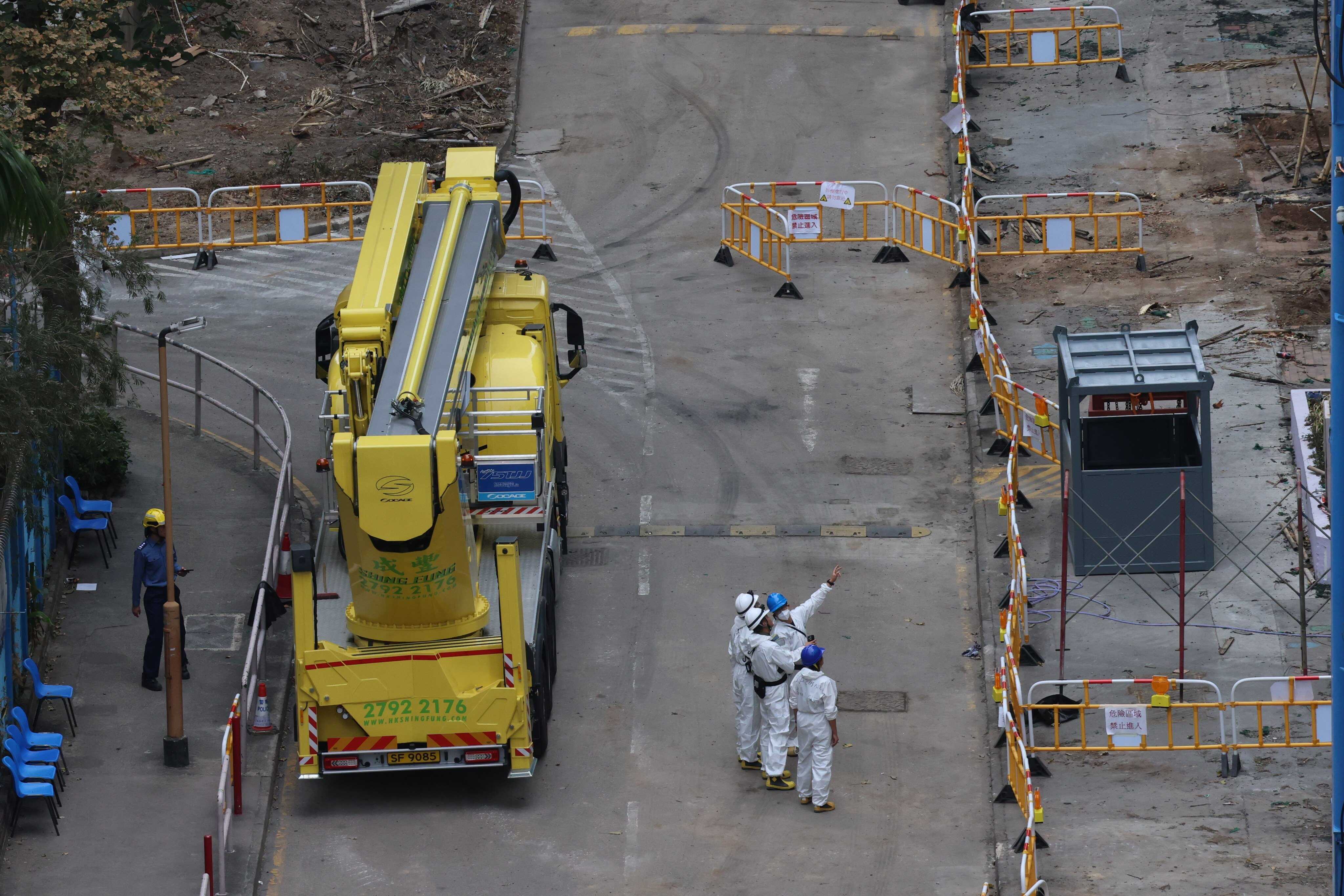
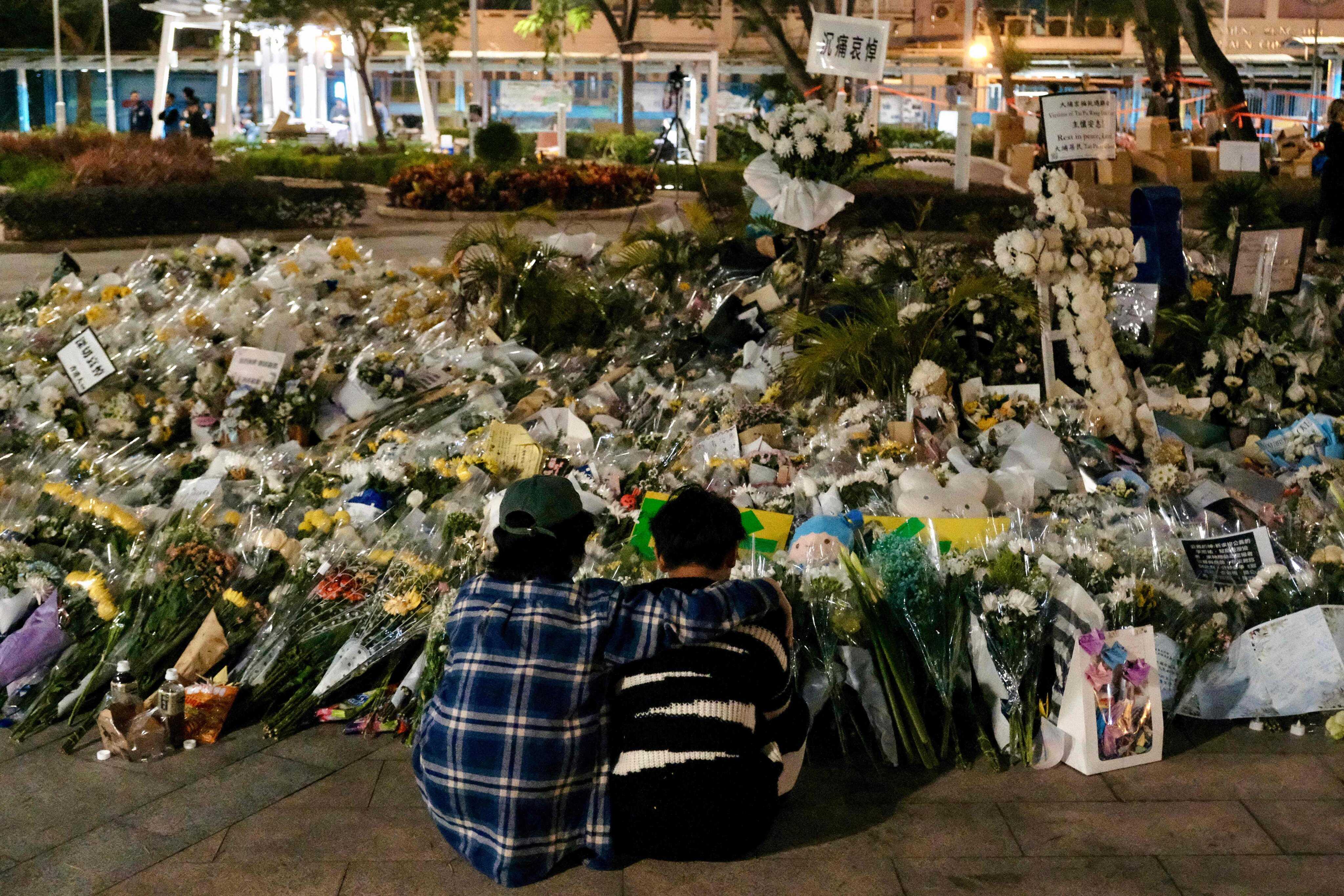
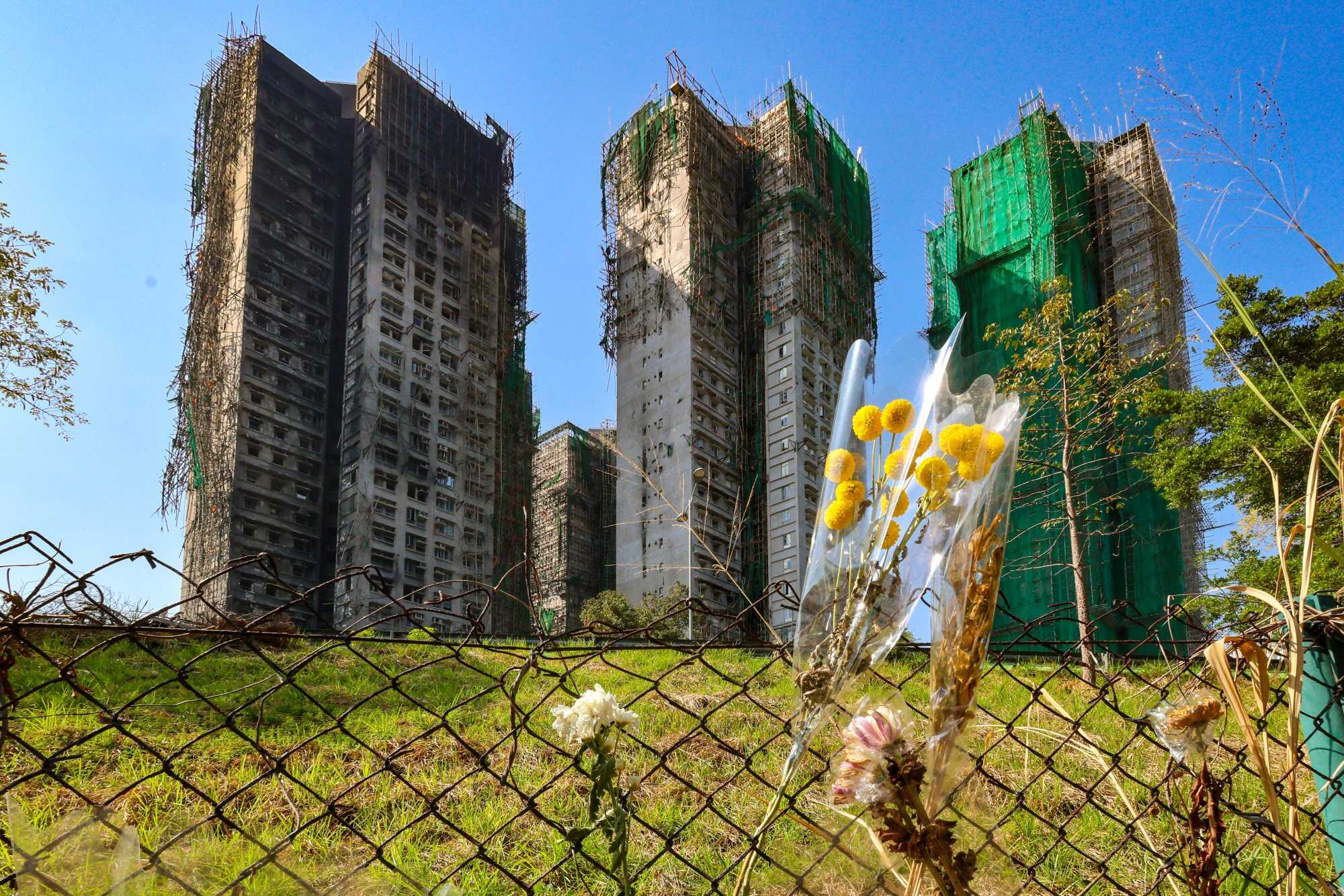
The tragic fire at Wang Fuk Court in Tai Po has left our community in profound grief and shock. As a resident of Hong Kong, I watched the news with an increasing sense of horror and helplessness.
We must take this time to reflect on our actions and implement necessary improvements.
Therefore, I urge the relevant authorities to implement the following measures. First, the police should remove all flammable netting and scaffolding materials, as these were the primary cause of the fire in Tai Po. The manager of construction businesses should double-check before making purchases. Although the price may be higher, this act can help to save hundreds of lives.
Additionally, all old buildings should be inspected regularly. This audit should publicly report on the functionality of fire alarms and the integrity of escape routes. It is essential to ensure that escape routes are free of obstacles and, most importantly, to test the functionality of the fire alarms.
Nearly 40 per cent of the residents at Wang Fuk Court were elderly. We owe it to them, as well as to the brave firefighters who risked their lives, to transform our grief into unwavering resolve.
Buffets bite back
Bella Chen Pui-lam, St Catharine’s School for Girls
The food waste situation in Hong Kong is quite severe, especially given the abundance of buffets.
Wasted food doesn’t just vanish; the really concerning part is what happens to it afterwards. I watched a documentary about landfills, and it showed how all the uneaten food gets bagged and thrown away.
In science class, I learned that when organic matter decomposes in landfills without adequate oxygen, it produces methane – a gas that significantly contributes to climate change.
We need to be more mindful when dining out. Restaurants could consider offering smaller plates and extending the time limits so that diners don’t feel pressured to overfill their plates.
Another idea might be to implement a small fine for leaving a full plate behind; that could encourage people to think twice before piling on too much food.
Most importantly, we should remember that dining is not a competition to eat the most. We can take smaller portions or go back for seconds if we are still hungry. The primary goal is to enjoy the food without harming the environment.
These simple changes could make a significant difference.