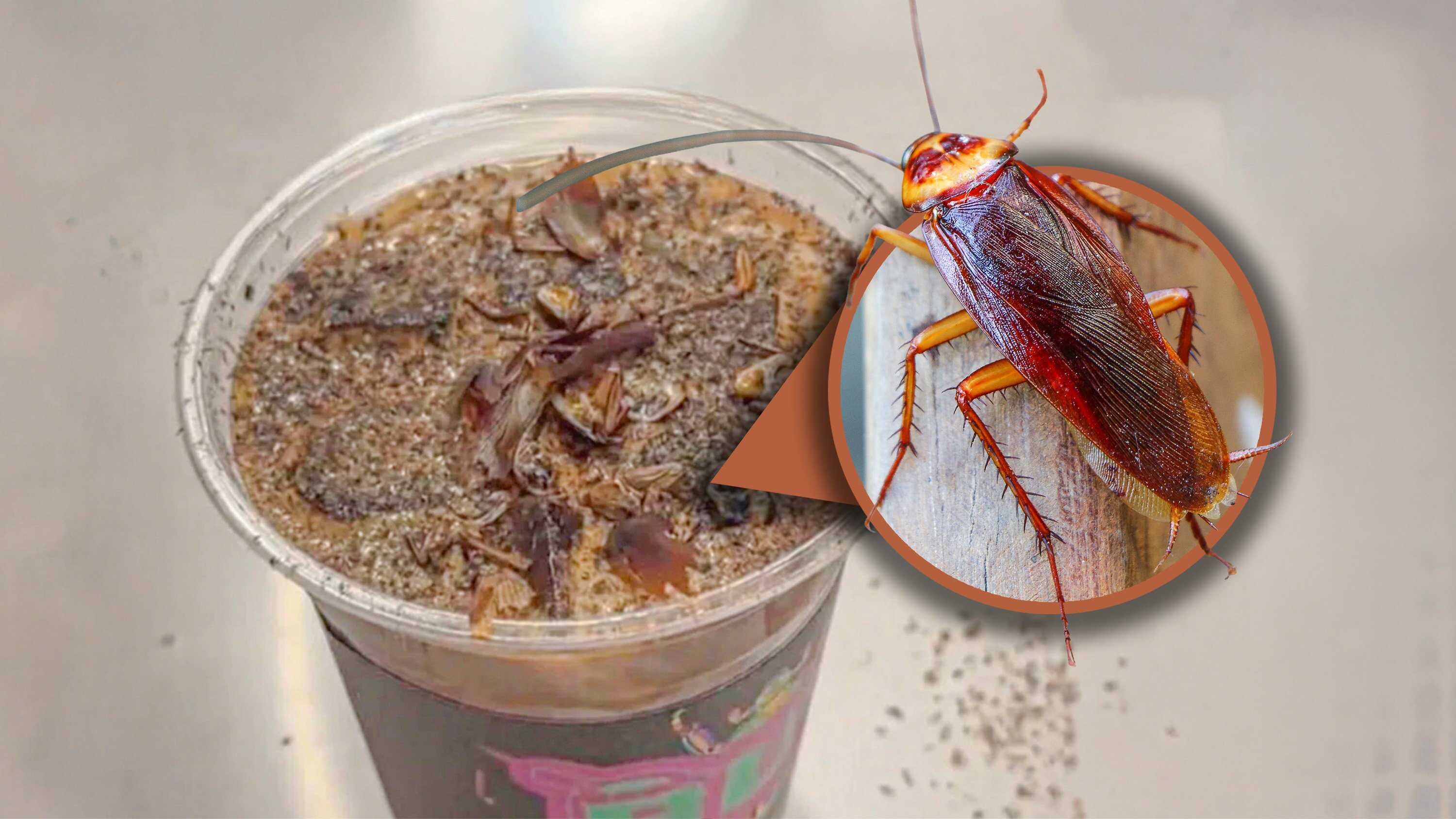
Imagine biting into an egg waffle, only to find out it is made from crickets. It might sound like a joke. But eating insects is good for your health and the planet.
Insects provide protein
Many people eat rice, noodles or bread every day. These carbohydrates are the fuel that gets us through a busy day.
But we also need protein. It is vital for your growth, muscle recovery and metabolism.
Cows, chickens, pigs and other livestock have long been our main protein sources. But they can be harmful to the environment. Raising cattle requires huge amounts of land, water and feed. It also creates greenhouse gas emissions and pollutes the water.
Scientists have been developing meat alternatives that are made with plants or grown in a lab. But plant-based meats often need to be processed in factories. Growing meat in a lab is expensive and uses a lot of energy.
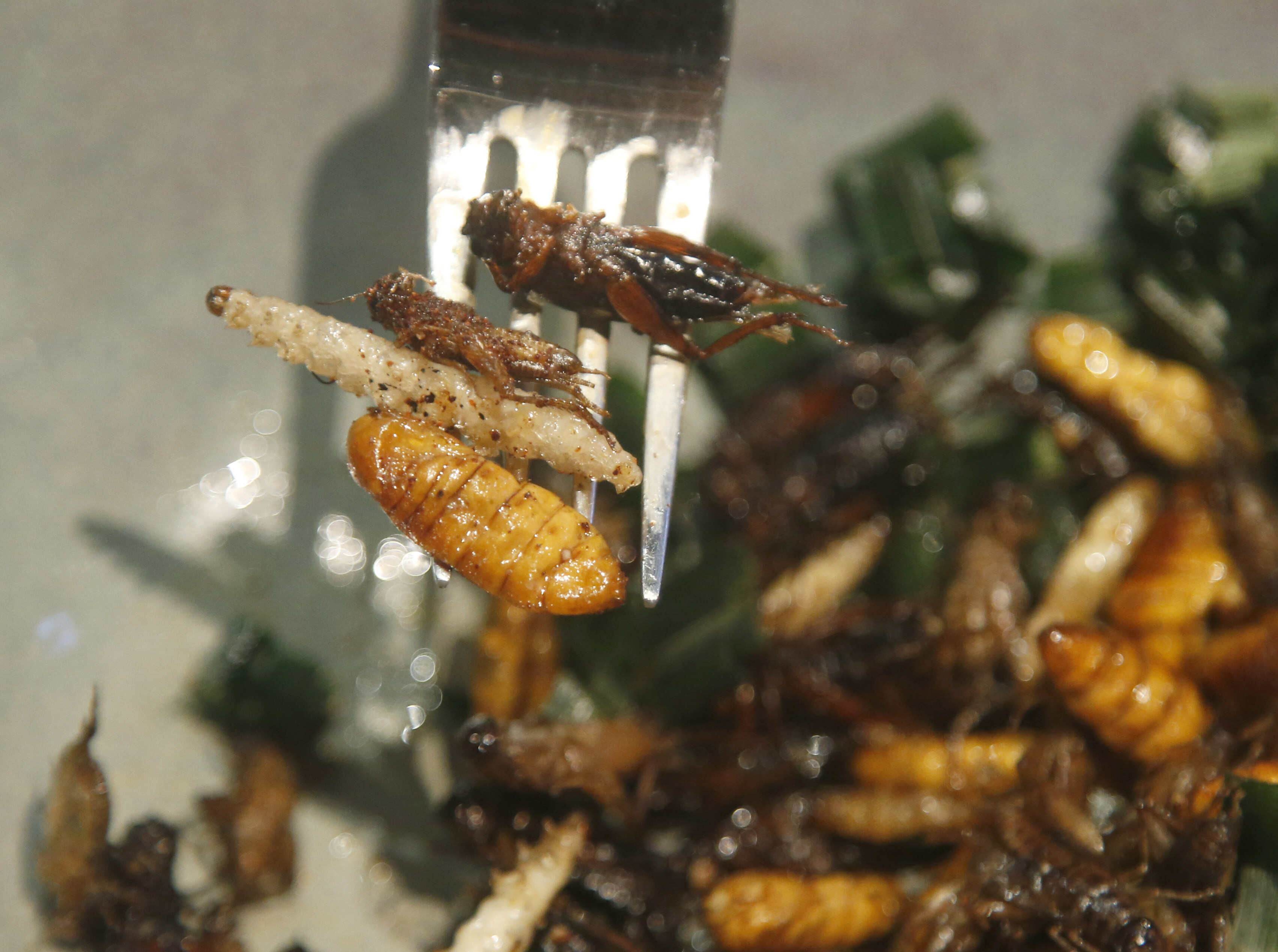
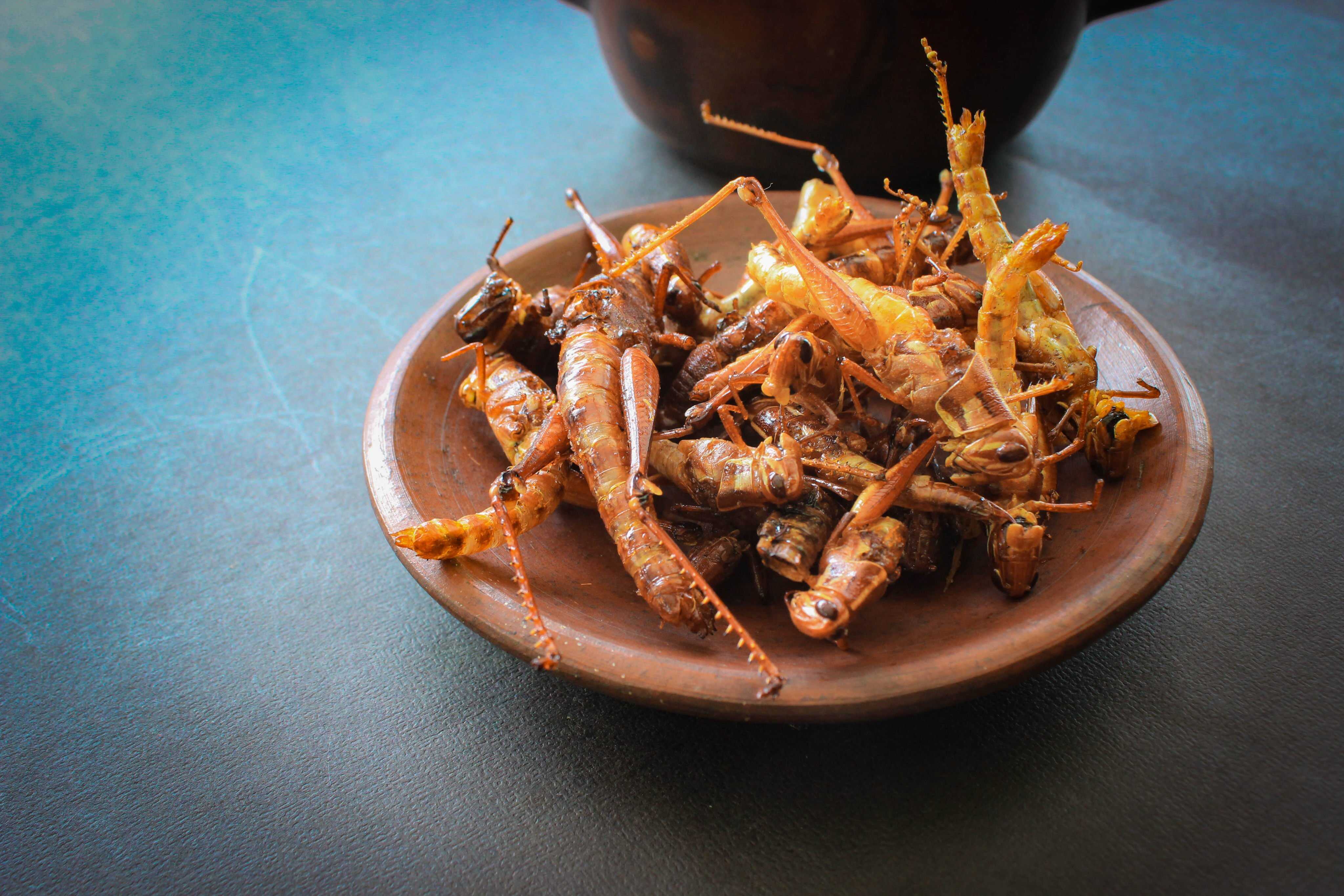
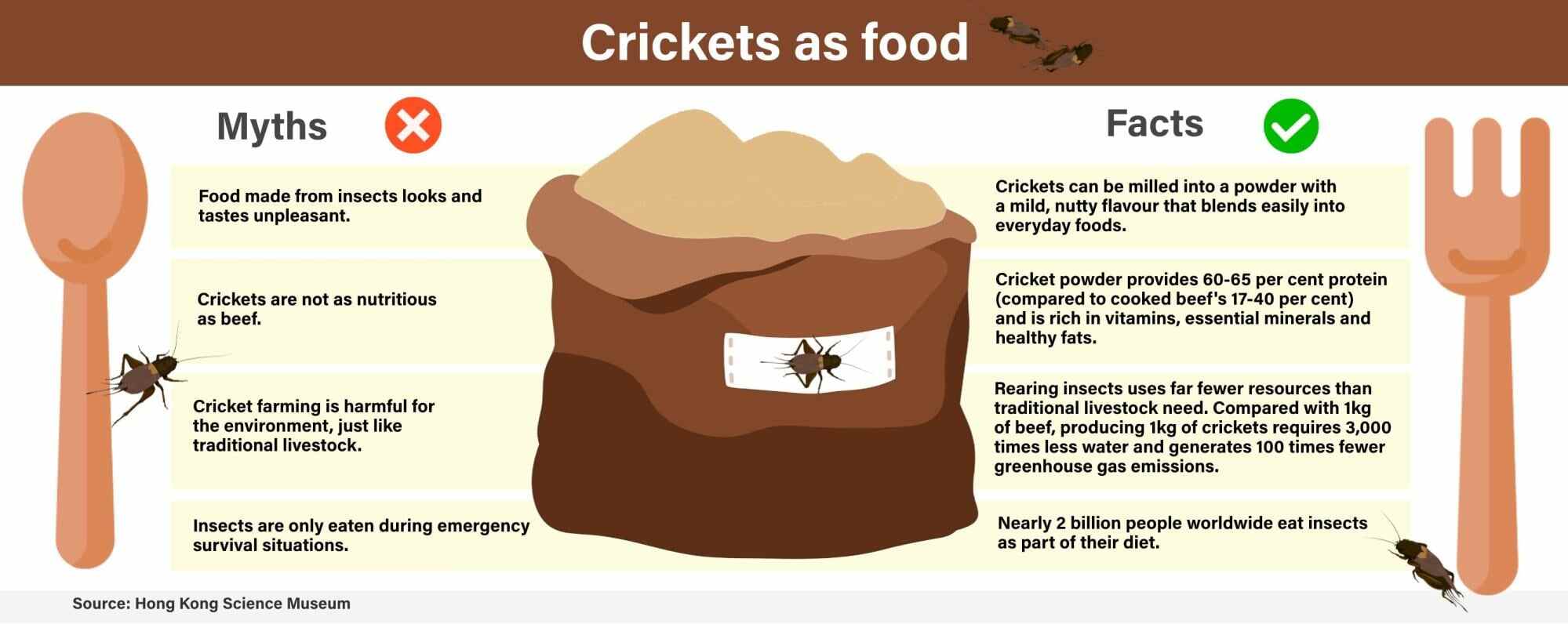
This is why researchers are turning to a natural, low-tech and efficient protein source: insects. Some find this idea strange, but nearly 2 billion people globally eat insects every day. Researchers have found over 2,000 insect species that are safely consumed worldwide. Let’s debunk some myths about insect consumption (see table).
Impact on health and the planet
Traditional livestock, especially cattle, leave a heavy impact on the planet.
Cows produce almost 10 per cent of the world’s greenhouse gas emissions. This is because they produce methane during digestion and waste. Raising cattle takes up 30 per cent of all land on Earth, and many forests are being cut down to make room for them.
Compared with beef, producing the same weight of cricket requires much less water and creates fewer greenhouse gas emissions.
But insects don’t just save the planet. They offer key nutrients that many plant protein sources lack. The amino acid profile of many edible insects is similar to that of livestock.
Insects are also packed with hidden benefits. Many species are rich in vitamins and essential minerals, such as iron, zinc and phosphorus. They also contain omega-3 and omega-6 fatty acids, the same brain-boosting healthy fats found in fish.
The future of food
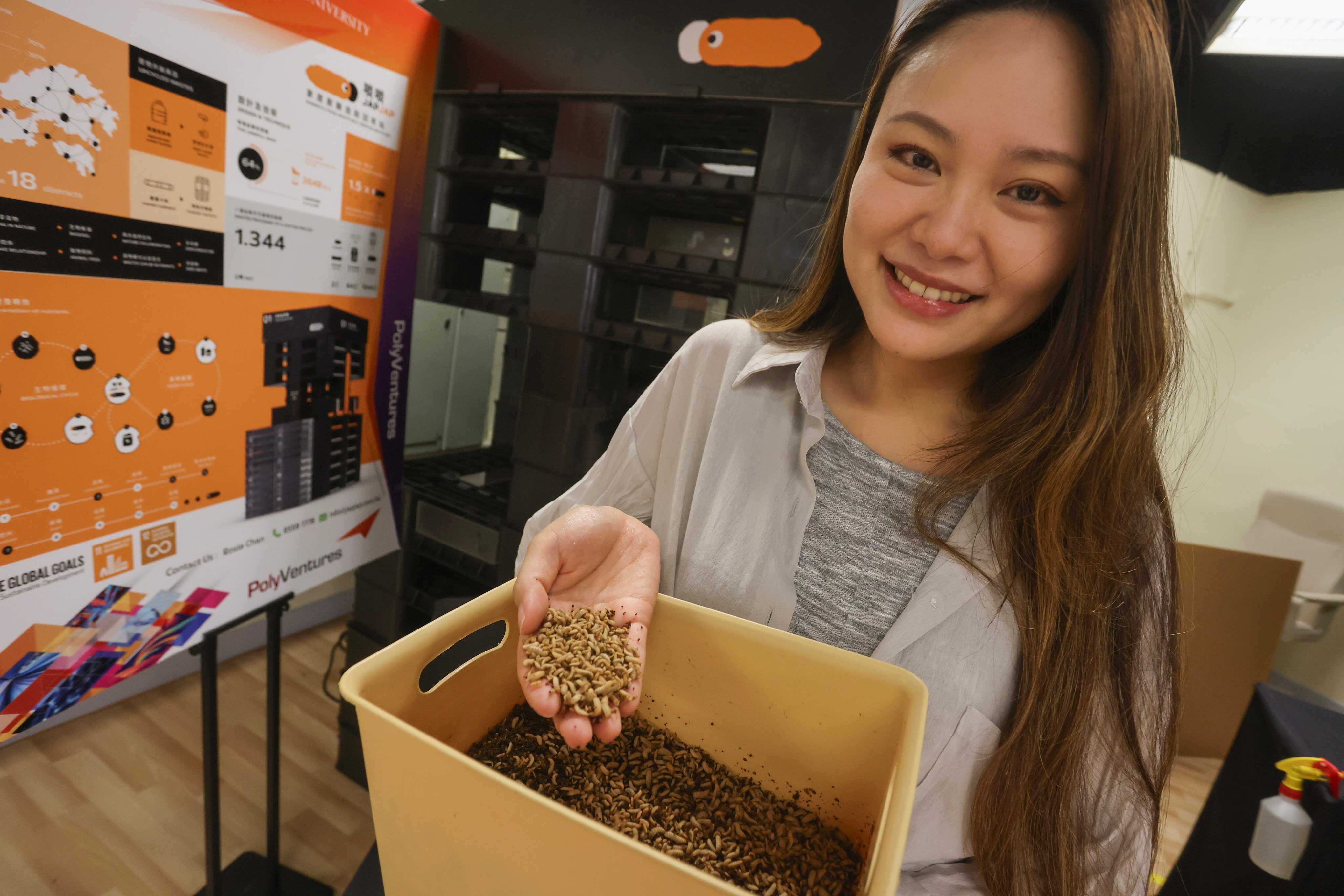
While the idea of eating insects may seem scary, food scientists are working on ways to make them more approachable. For example, insects can be ground into fine powders to be mixed into other foods.
Your cart noodles or egg waffle batter could be made with cricket flour in the future.
Adding insects to our recipes could be a smart step towards a sustainable future.
Want to see what’s next on the menu? Visit the Hong Kong Science Museum’s “Living Tech Gallery” to discover how living technologies are revolutionising our diets and saving the future of food.