YoungPost Club Learn
DOWNLOAD OUR APP
appstoregoogleplay
FIND US AT
My JourneyMy VocabularyMy Leaderboard
My AccountSearchAbout UsContact Us
Subscription Plan
School Subscription
YOUNG POST
NewsTrendingBeing wellLearning zoneShare with usQuizzes
SPARK
NewsTrendingBeing wellLearning zoneShare with usQuizzes
POSTIES
Big readEye on the newsHa-ha-happeningsThings to doYour saySteam studioHealth and happinessQuizzes
Subscribe to Young Post Club to access our great content
ABOUT US|CONTACT US|WRITE FOR US|PRIVACY POLICY|TERMS & CONDITIONS
©2025 Young Post Club. All rights reserved.
My Journey Hello
Brand Avatar
Young Post
My Journey illustration

With a subscription, you can answer quizzes and track your reading progress.

Trending / Pets and Animals

Polar bears show remarkable resilience in Norway’s Svalbard

Despite the Norwegian archipelago shrinking, these arctic giants are gaining body fat
byAgence France-Presse
Published: 6:00am, 21 Feb 2026
Length: 100 words
Polar bears show remarkable resilience in Norway’s Svalbard

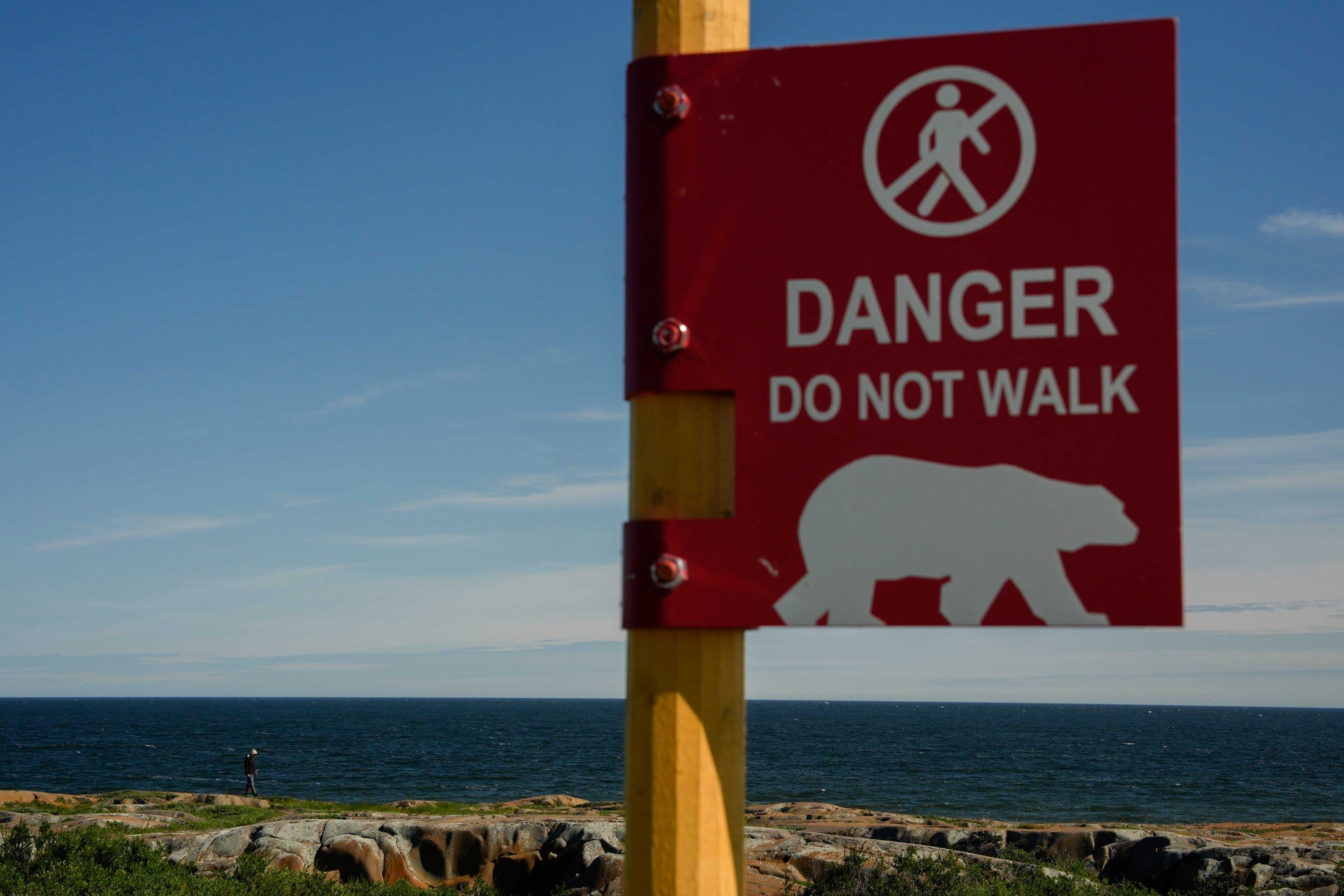
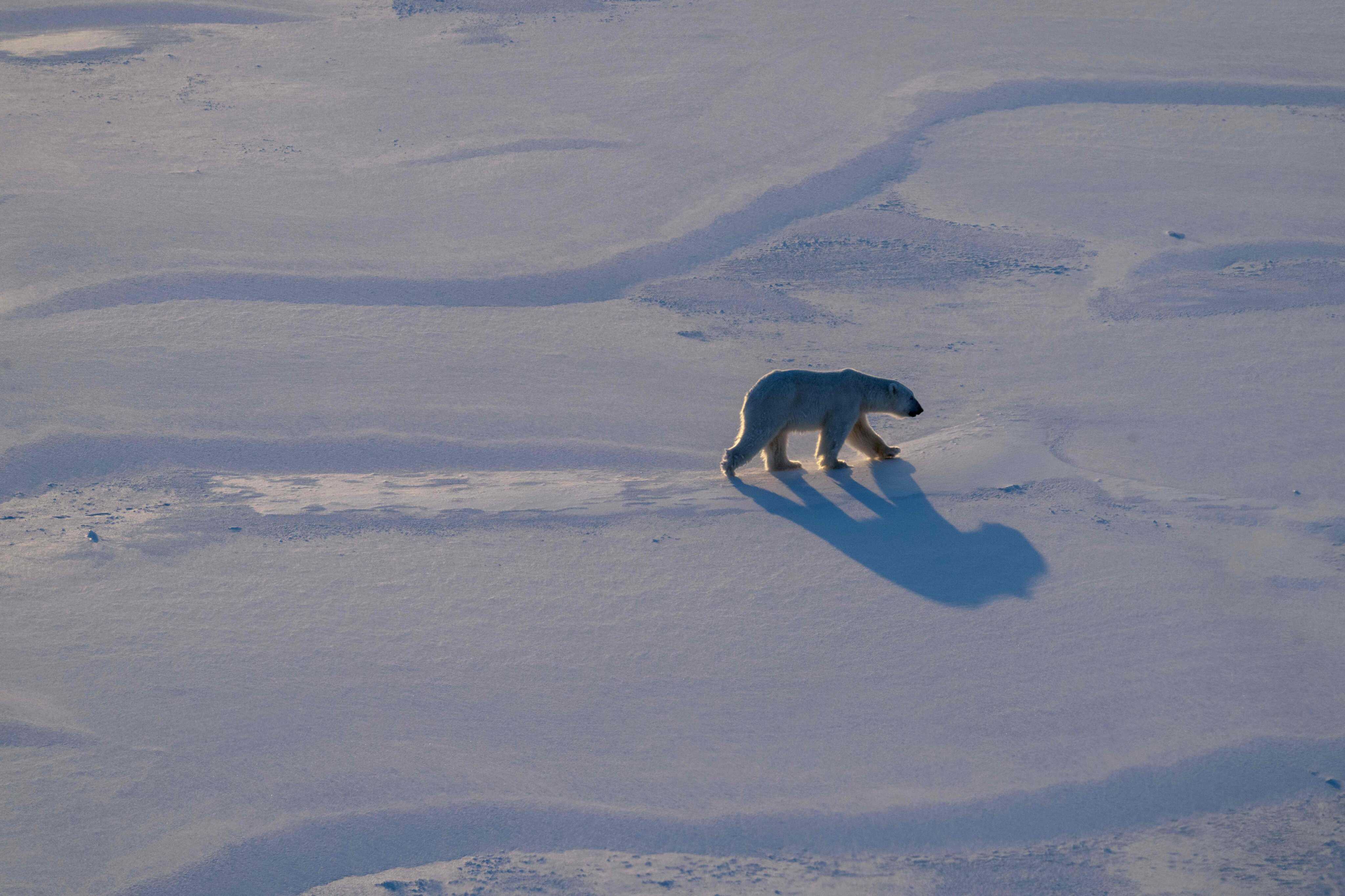
Polar bears are the poster children of climate change – and for good reason. The giant bears hunt, mate and spend their days hanging out on Arctic sea ice, which is rapidly melting as the climate warms. Photos: AFP

In a twist, polar bears are getting fatter in the Norwegian Arctic. A surprising new study in the Nature Portfolio journal Scientific Reports found that despite their icy hunting grounds in the Svalbard archipelago shrinking, the massive predators are defying the odds and gaining body fat by turning to land-based food sources. Check out these incredible photos of the arctic giants thriving in the face of climate change.
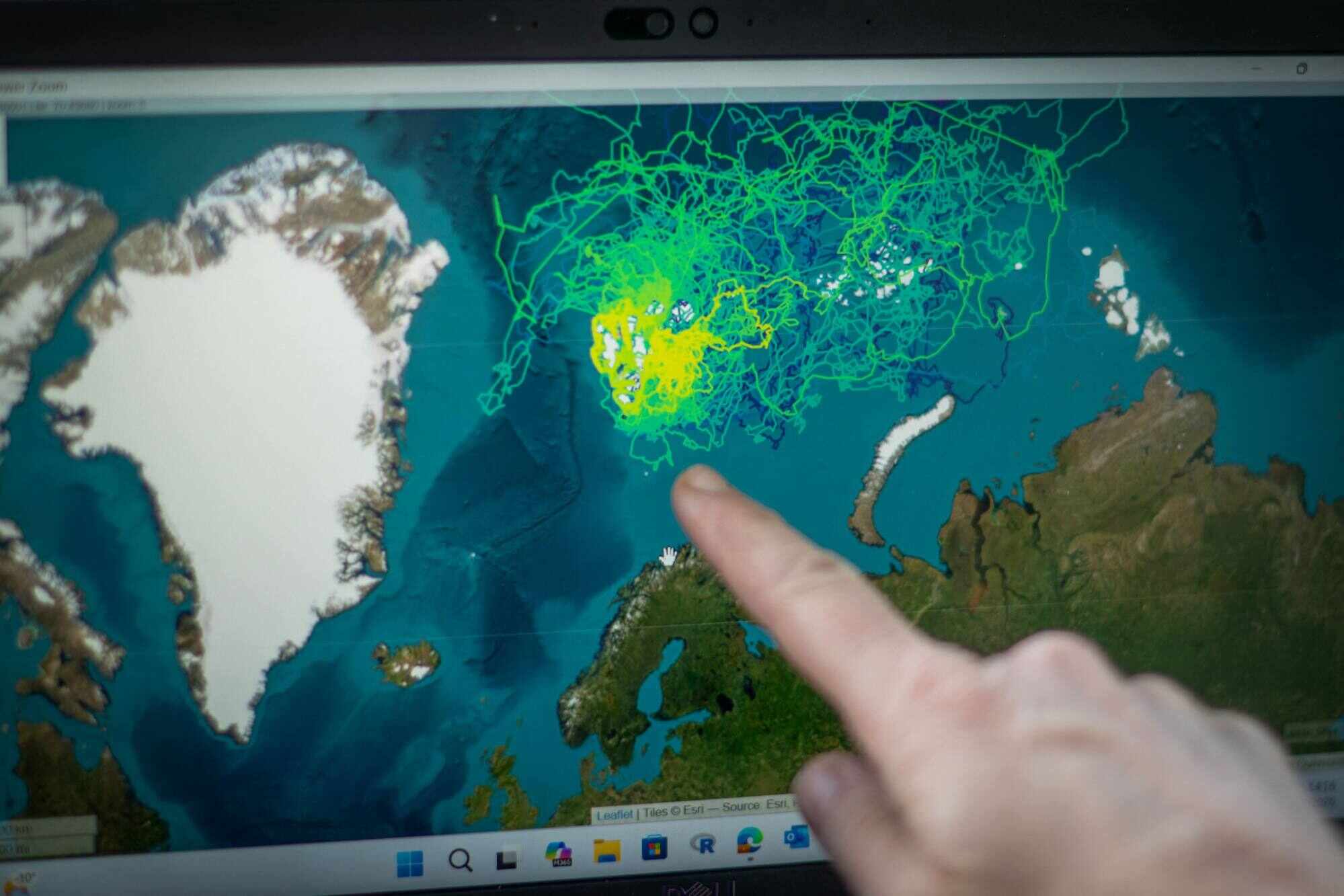
Svalbard, a Norwegian archipelago in the Barents Sea, has seen a sharp decline in sea ice over the decades. In this photo, a scientist points to a GPS tracking map of female polar bears in the region over the course of a year. Photo: AFP
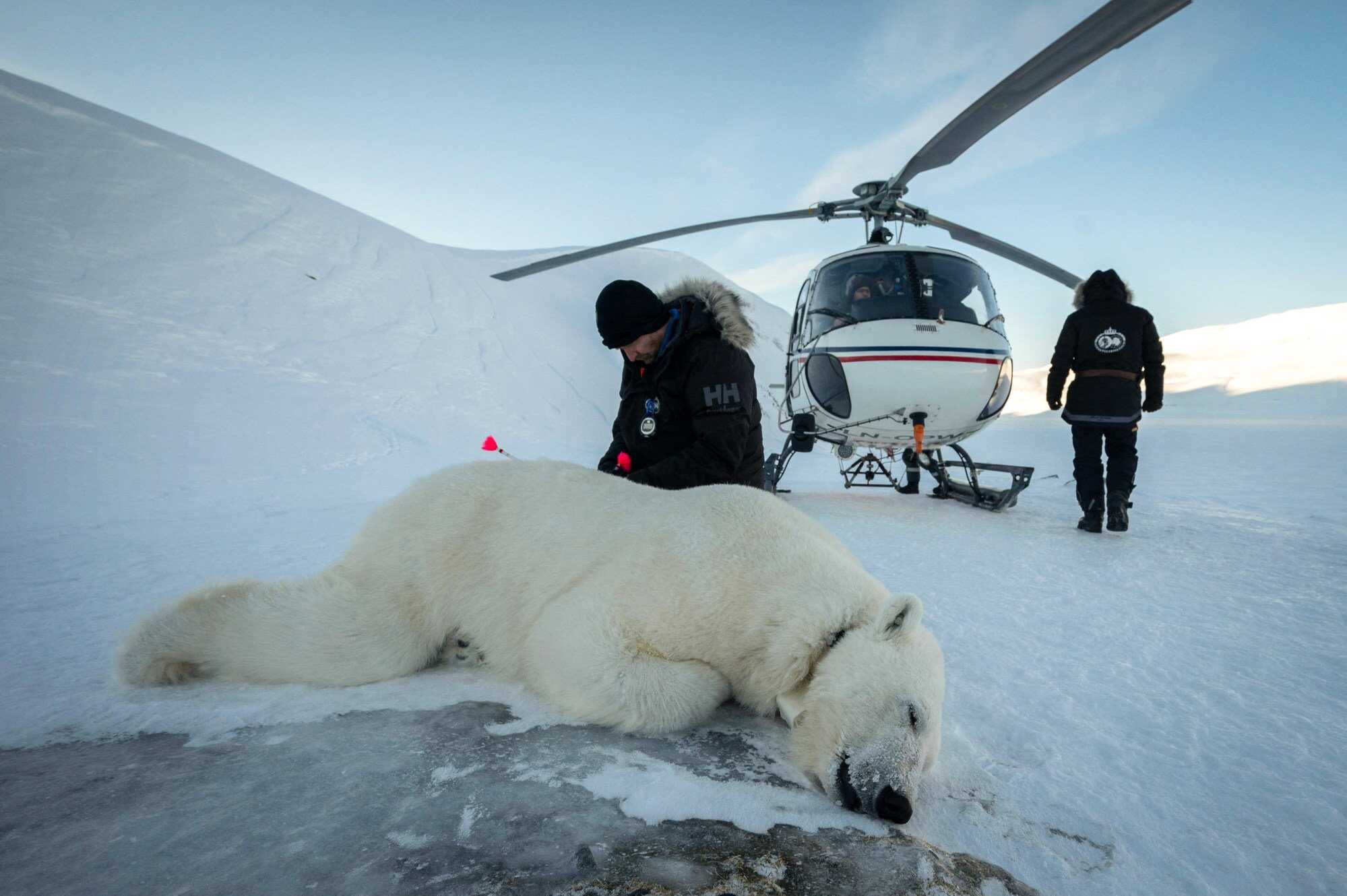
Scientists ensure that a polar bear has been properly sedated before examining it. Photo: AFP
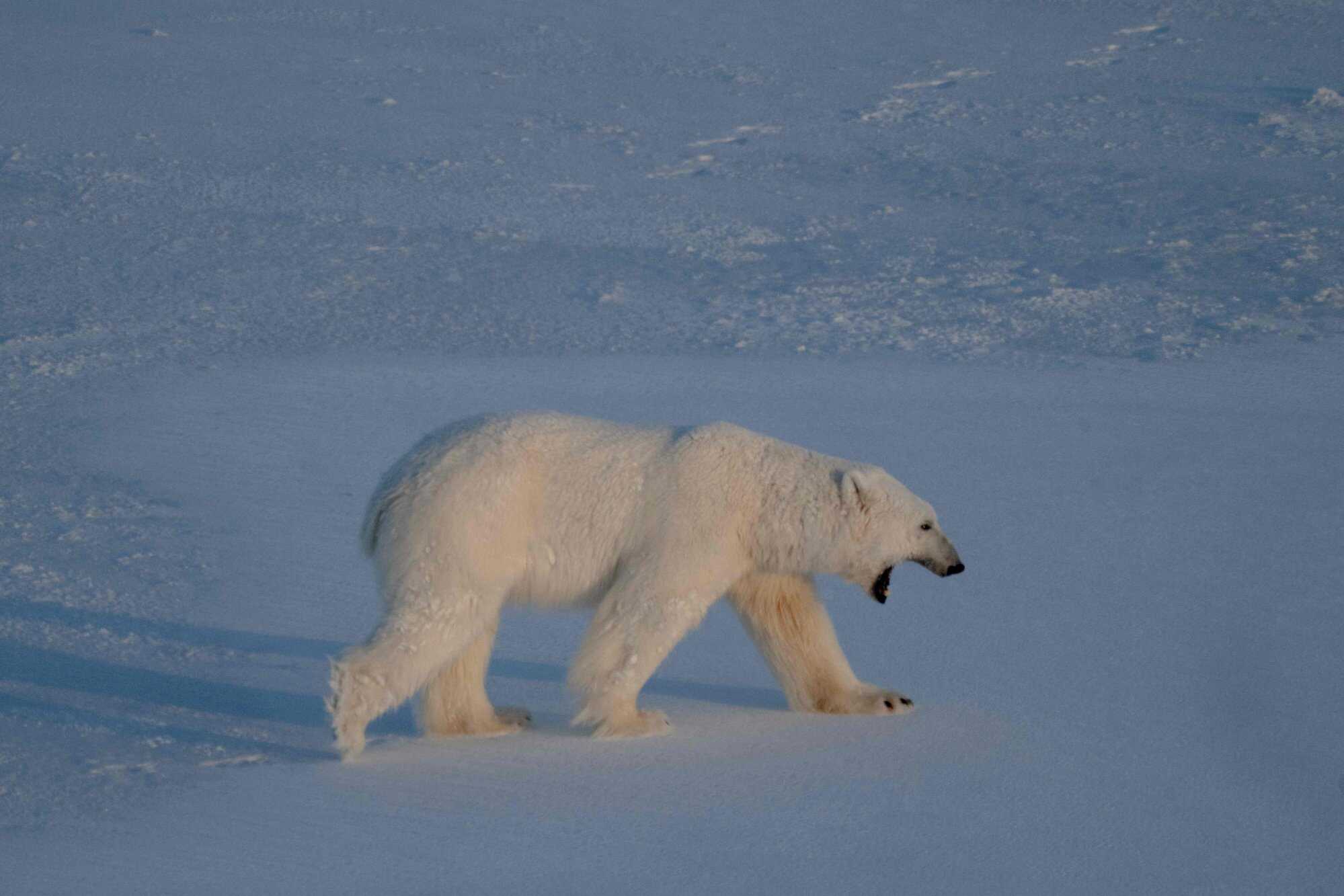
Polar bears in Svalbard are feasting more on the eggs of wild geese and ducks as their preferred hunting grounds disappear. Some are even chasing down reindeer. Photo: AFP
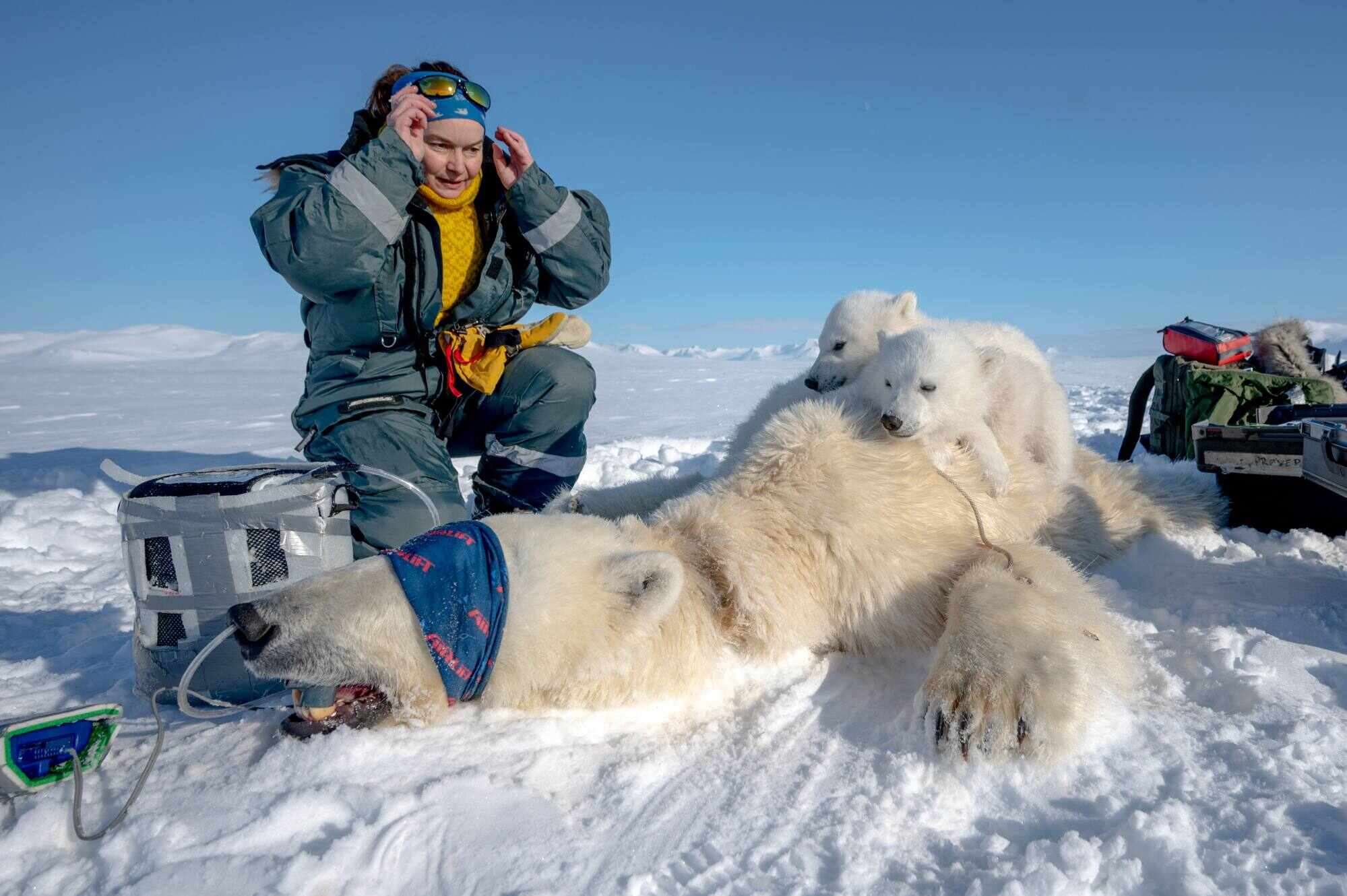
French spatial scientist Marie-Anne Blanchet examines bear cubs before taking tissue biopsies and blood samples from their sedated mother in eastern Spitzbergen, in the Svalbard archipelago. Photo: AFP
IN THIS ARTICLE
Good news
Animals
Environment
Climate change
KEEP READING
cover
Culture
Celebrating a winter wonderland in China, South Korea and more
08 Feb 2026
cover
Environment
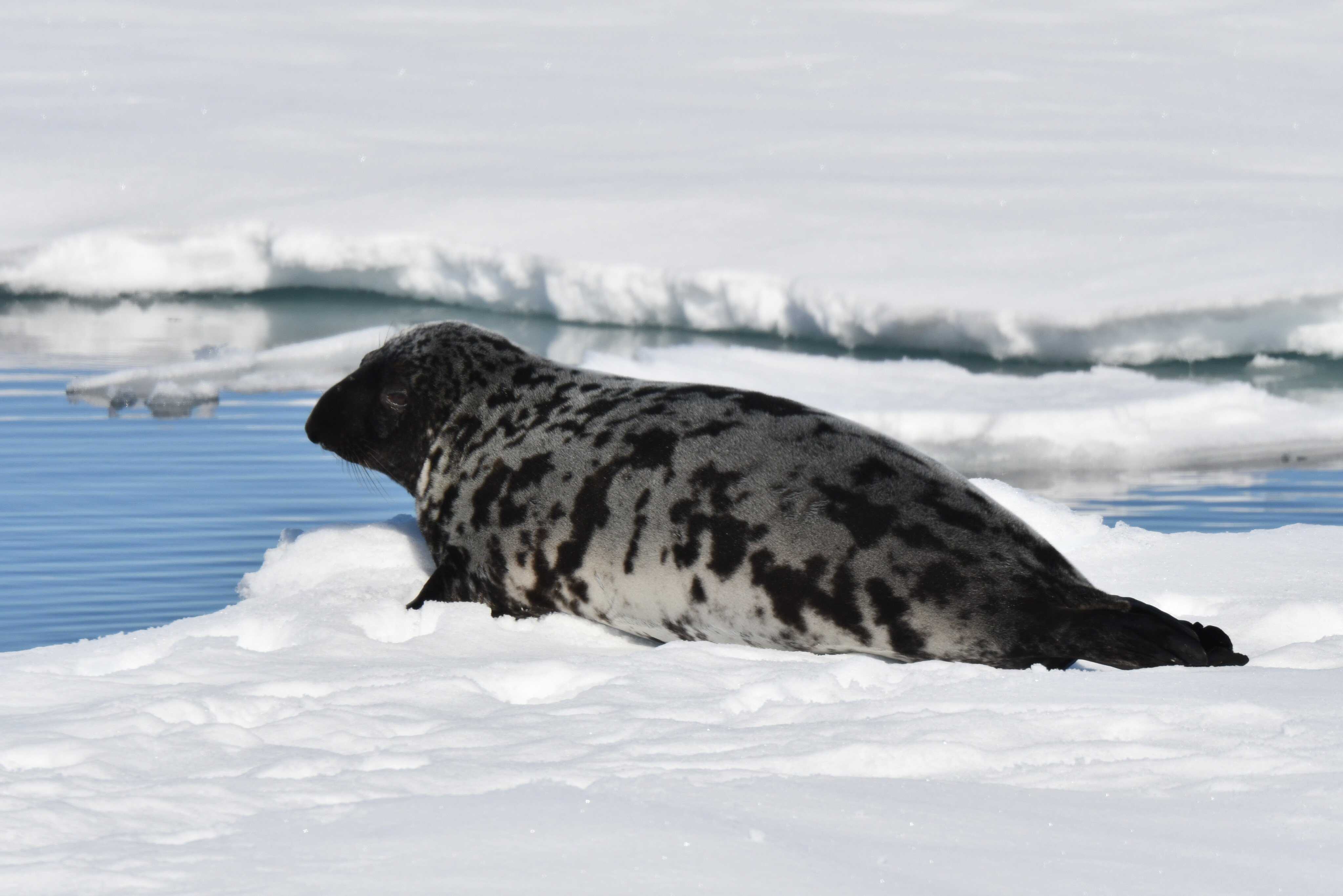
Climate change threatens animals like Arctic seals and birds, IUCN says
14 Nov 2025
cover
Stories
Canada town balances tourism and safety with its polar bears
03 Dec 2024