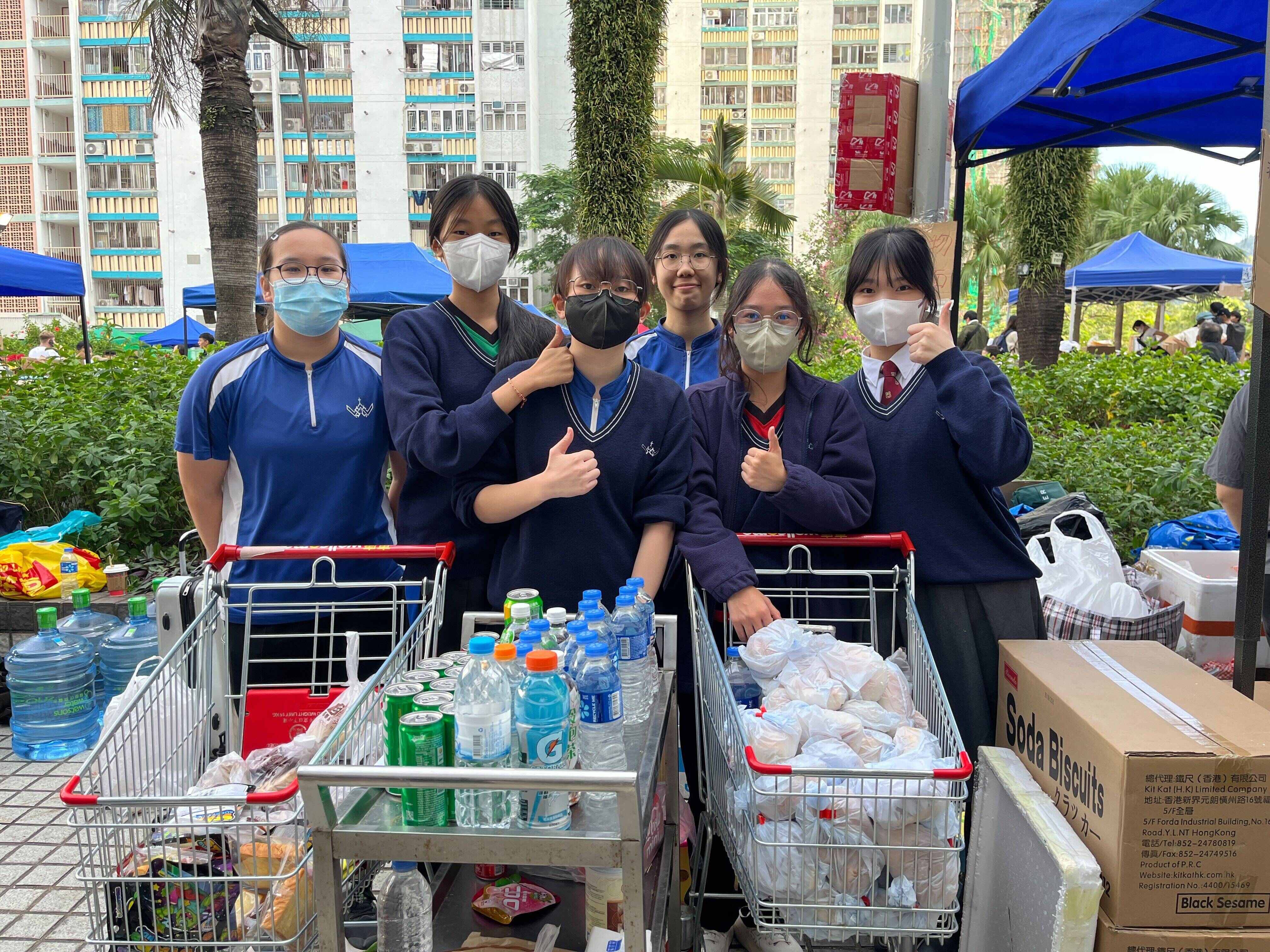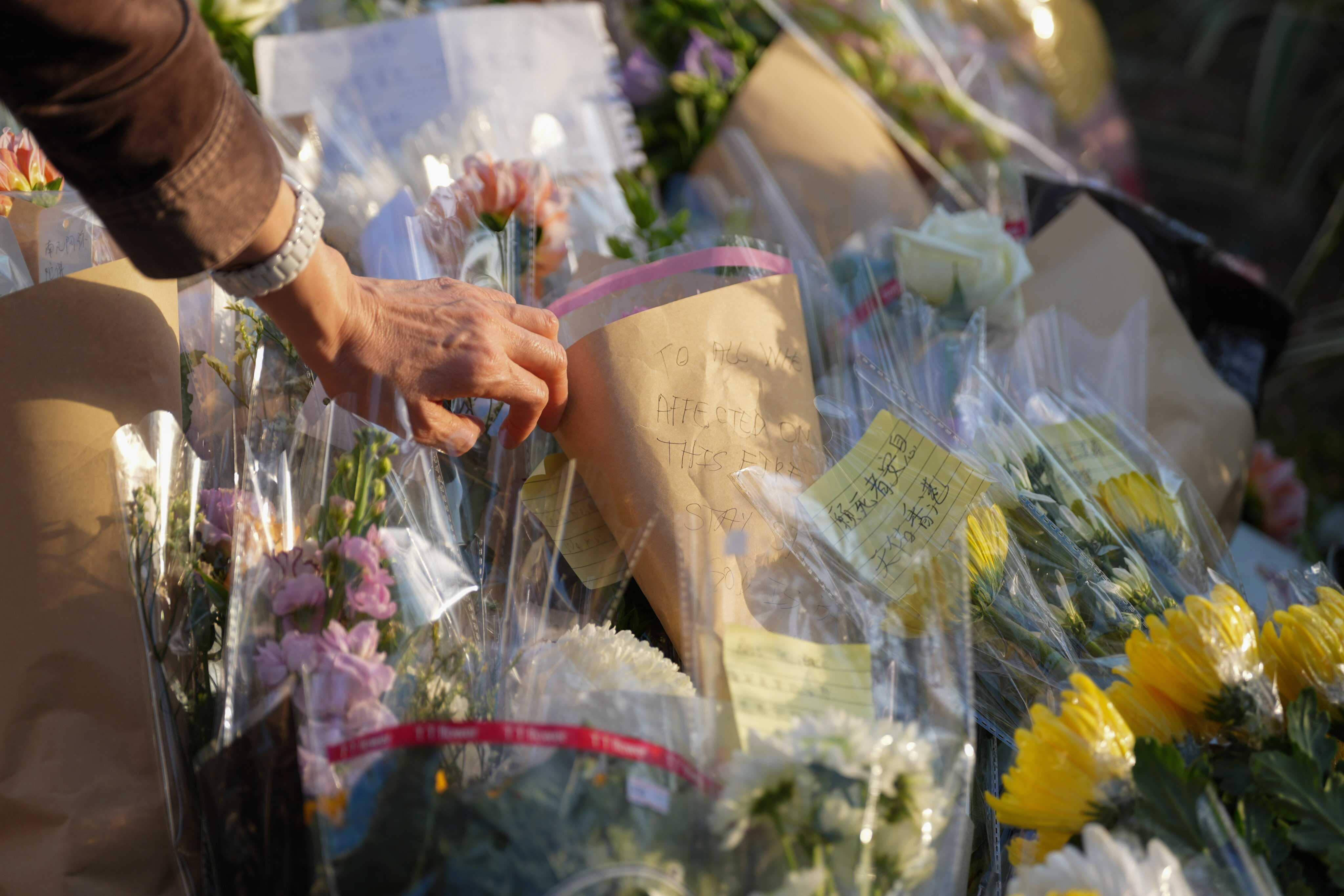
For 19-year-old Hei*, spending her evenings handing out supplies after classes felt like the only appropriate response to the tragic fire in Tai Po.
The blaze, which broke out last month at Wang Fuk Court, claimed more than 150 lives and displaced thousands of residents.
“I used to live in Tai Po, and I also attended secondary school in Tai Po, so when I heard about this incident, I wanted to come to Tai Po to help,” said Hei, who is studying social work at Polytechnic University’s Hong Kong Community College.
“I mainly handle daily necessities, such as towels and slippers. Other volunteers are responsible for handling children’s clothes and warm clothes.”
Hei is among the many Hongkongers who rallied to help victims of the city’s deadliest fire in decades.
Dr James Yu, a clinical psychologist and associate professor at the Hang Seng University of Hong Kong, explained the psychology behind the citywide relief drive.
According to Yu, wanting to help is a normal response after witnessing a tragedy. Volunteering also connects people with others who have similar feelings, which helps them feel less alone.
“After a shocking event, the world can feel out of control. By volunteering, they turn their feeling of helplessness into a new purpose,” Yu said.
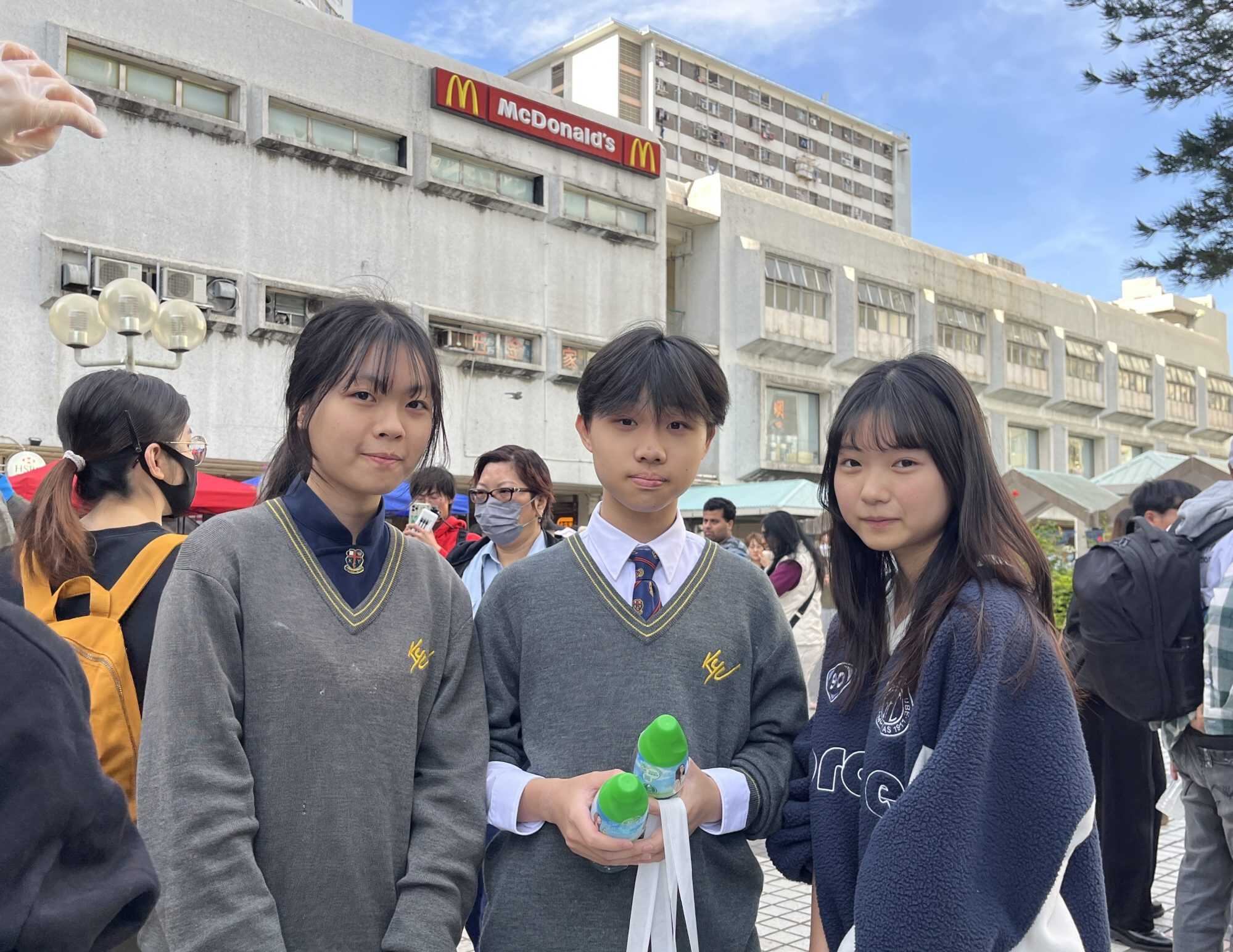
Issac Cheung, a Form Four pupil at Kau Yan College in Tai Po, learned about the blaze from social media.
Soon after seeing the news, the 16-year-old headed with his schoolmates to Kwong Fuk Estate, where relief efforts had centralised, to help distribute water bottles.
“We are mainly here today to lend a hand as we don’t want to see the efforts of the local community go to waste. We want to contribute our part,” he said.
Secondary traumatic stress
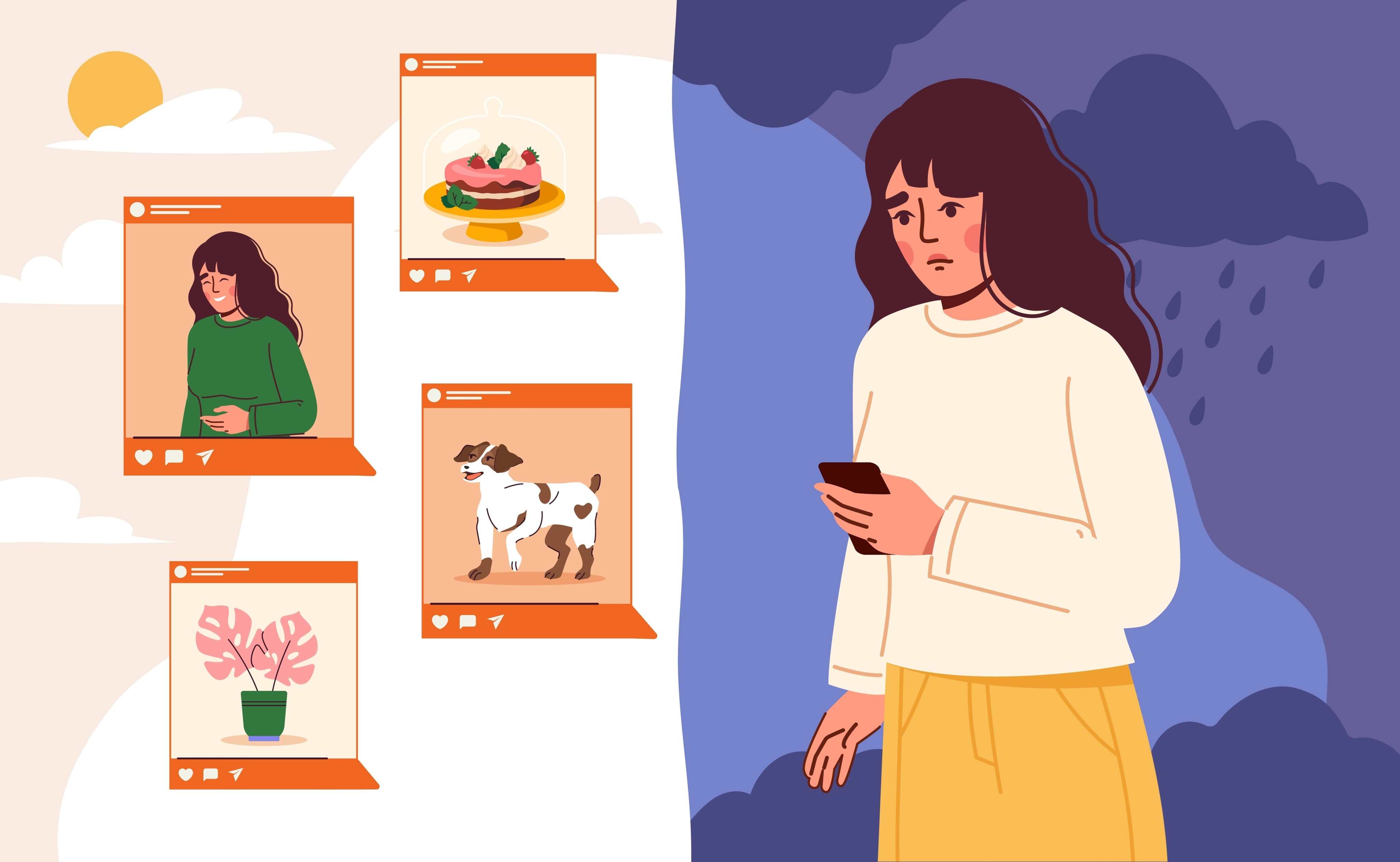
While volunteering can bond people in times of tragedy, Yu warned that it could also have psychological burdens, and teens were especially vulnerable to vicarious trauma.
“This is also known as secondary traumatic stress, which means they are psychologically affected just by seeing or hearing about the first-hand trauma of others, such as witnessing the intense grief of victims’ families or the distress of emergency workers,” Yu said.
This repeated exposure to others’ trauma can put volunteers at significant risk for compassion fatigue, which is an emotional and physical exhaustion that results from continually helping and empathising with those in need.
Compassion fatigue might start with feeling emotionally distant or numb. Someone might also feel exhausted and completely overwhelmed, like they are doing too much and are close to breaking down.
Yu explained, “The main struggle is an intense internal conflict: they feel they must help others, but their mind and body urgently need to stop and rest, leading to a confusing and paralysing feeling of being pulled in two directions.”
The psychologist noted that to continue helping others effectively, volunteers would need to practise self-care – treating themselves with compassion and checking in on their emotions and stress levels.
“The main goal is always to treat yourself with the same empathy and compassion you give others,” he said.

Supporting students after tragedies
Experts noted that young people in particular might find it difficult to process tragic news, especially when it hits close to home.
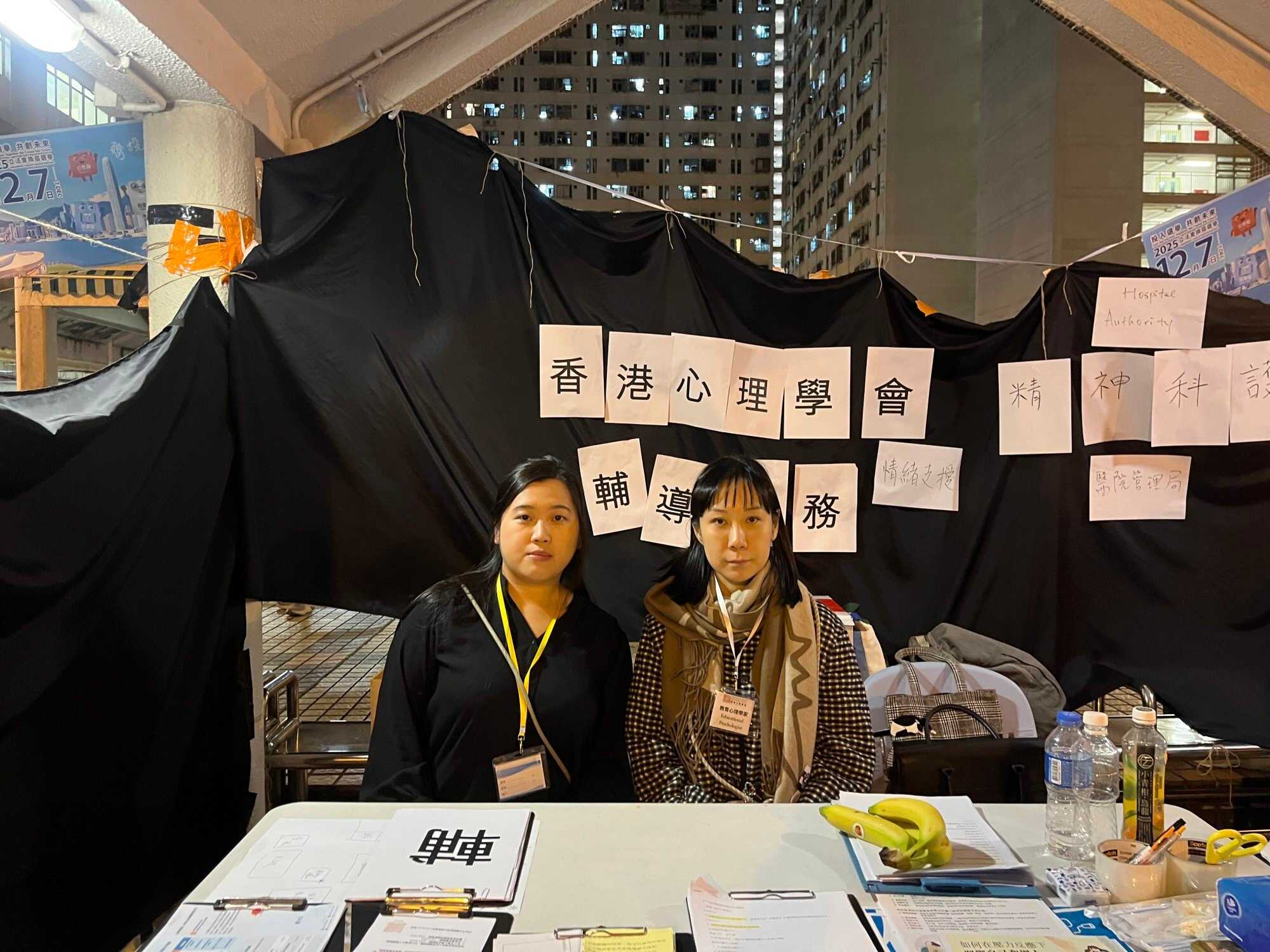
Educational psychologist Dr Kitty Yeung Kit-yu noted that due to the high concentration of schools near Wang Fuk Court, many students were affected by the fires.
At Issac’s school, Kau Yan College, one student died in the blaze.
The school formed a support team with social workers, a counselling officer and an educational psychologist.
A staff meeting and a special morning assembly were held to inform teachers and students about the death.
Yeung said that if a student had died or if a family was in need, a crisis response team would be activated by the Education Bureau or the relevant school organisation.
The psychologist added that ongoing support would be crucial since continuous media coverage could expose young people to distressing scenes.
Even students who were not directly affected by the fires might need emotional support during this time.
Hayley Sum, a 16-year-old student at St Paul’s Convent School, said she felt haunted by interviews with the victims’ relatives and kept watching videos for updates.
She shared that her school hosted a Catholic mass for the victims of the fire a few days after it began.
“My classmates and I went together to pray. None of us are Catholic, but we thought it was important to do what we could,” she said.
Even though the strong initial emotions might dissipate on the outside, a hidden anxiety could remain, Yeung said.
For example, while students are at school, they might not be actively thinking about the tragedy, but at home, their anxiety could come out.
“Some students might appear numb or detached, showing reduced emotional response,” she said.
Over the next few weeks, the psychologist advised parents and teachers to observe students for delayed emotional effects. Signs to look for include constantly worrying, crying at night, repetitively talking about the event or losing appetite.
If parents are unable to help their children or if students notice a friend in distress, they should contact teachers, a social worker or a psychologist for professional help.
If you need to talk to someone about the fire, call the Mental Health Support Hotline at 18111. You can also reach out to the Samaritan Befrienders’ 24-hour support hotline at 2389 2222 or its English emotional support hotline at 2389 2223.
* Full name withheld at interviewee’s request.