Do you have a personal question you’ve been too afraid to ask? Whether it is about school, family or your social life, you can share it with us through this form. Don’t worry, you’ll remain anonymous.
Dear Friend,
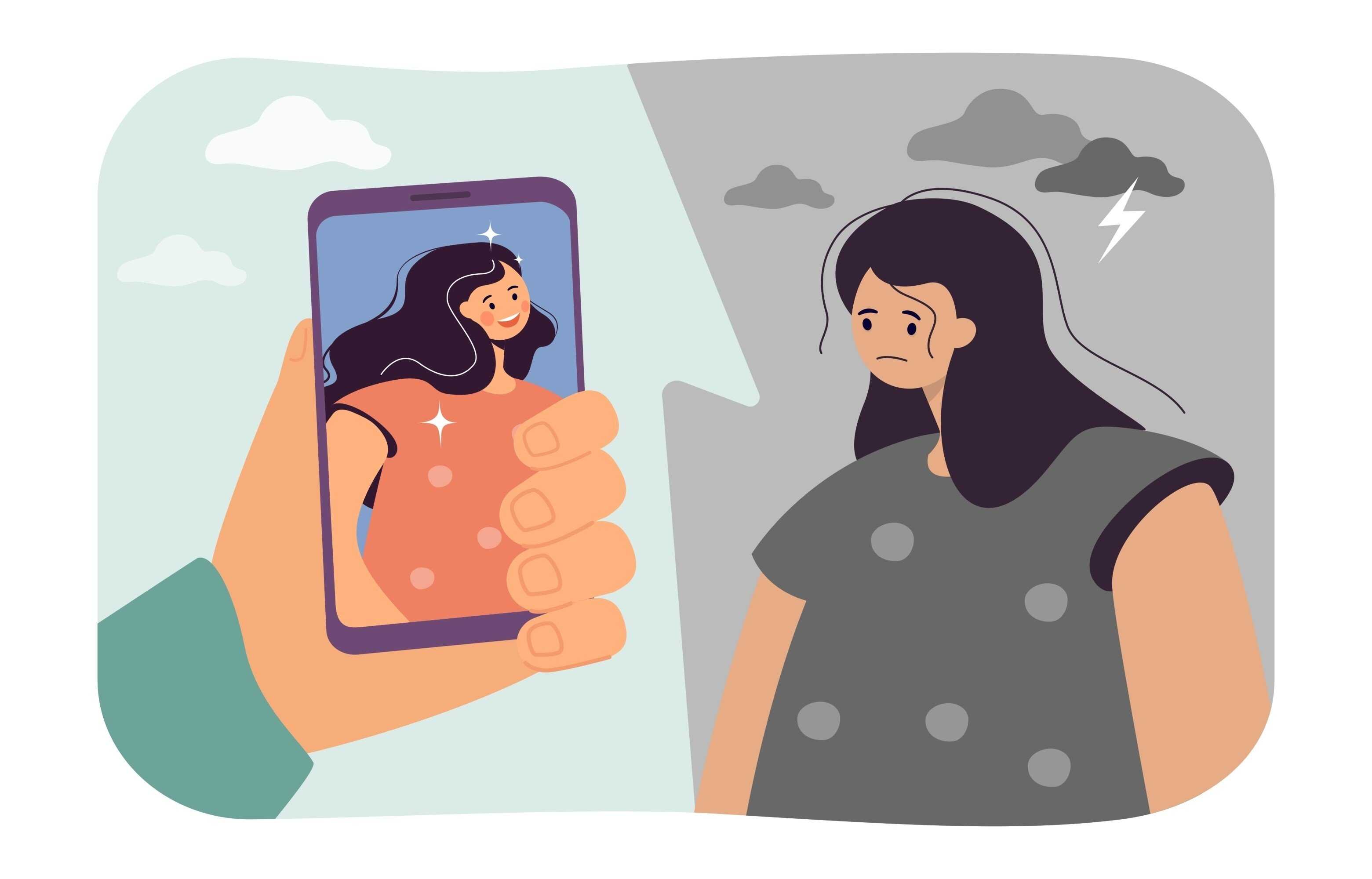
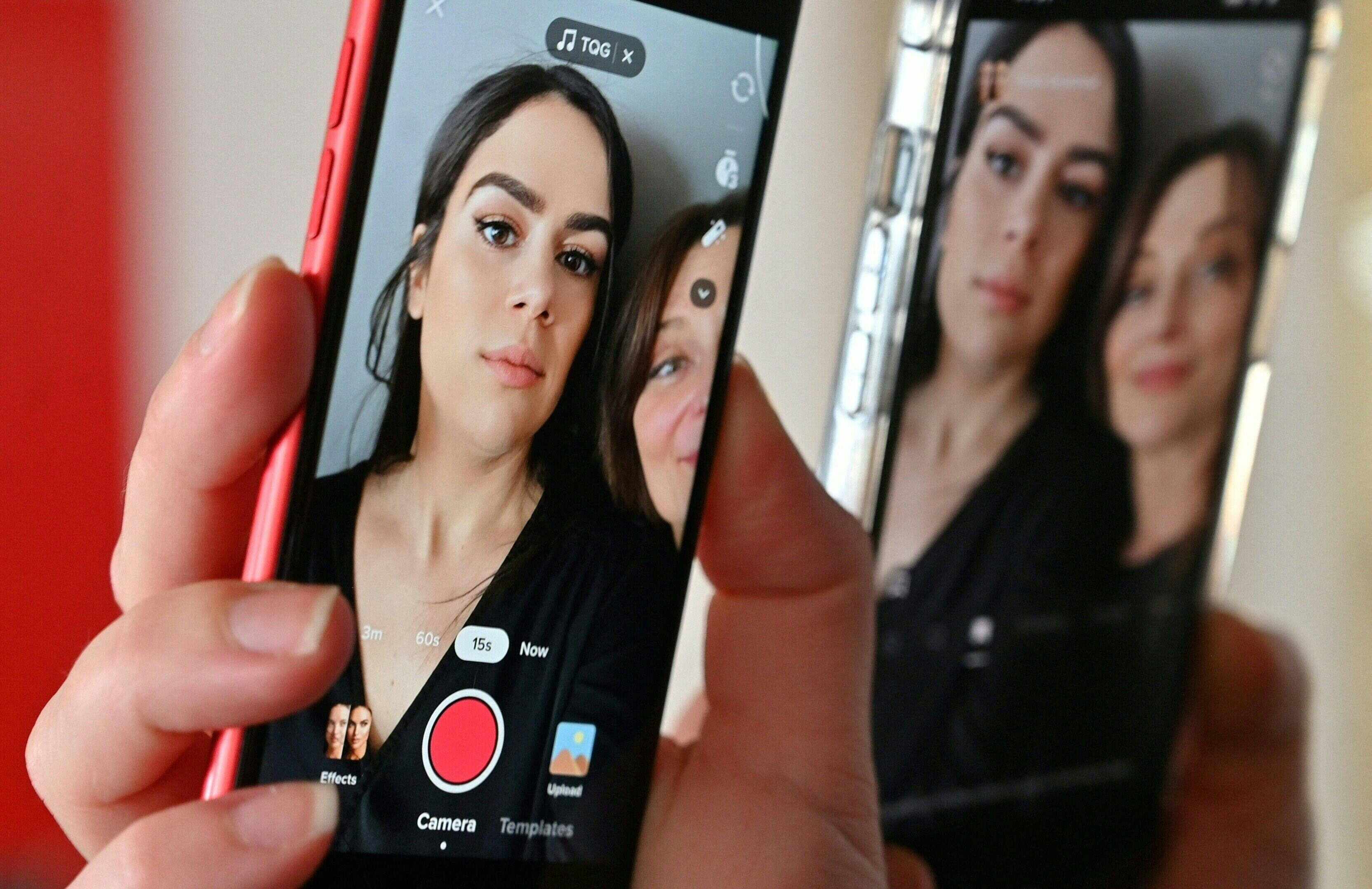
I am frustrated with what I see on social media. Why do people like using AI to make themselves look pretty? It is annoying that people post fake versions of themselves and get so many likes, but when I post my real life, no one seems to care.
Signed, Pretty Frustrated
Dear Pretty Frustrated,
It can feel like you’re the only person left on the internet with a real face, and it takes self-awareness to admit when the digital world is getting under your skin.
I want to reassure you that your frustration is incredibly relatable, and you’re certainly not alone in feeling this way.
To start, it’s helpful to remember that social media is essentially a “highlight reel”. It is a curated gallery where people showcase their most polished moments, creating the illusion that these snippets represent their entire reality. When filters using artificial intelligence (AI) enter the mix, that curation goes into overdrive.
I’d like to invite you to join me in exploring why this happens and how you can navigate these feelings.
First, try to look behind the filter. Many people use AI because of “upwards social comparison”, which is when we compare ourselves to people we think of as better or, in this case, more attractive than we are. For others, AI filters are their way of following digital trends. While we can’t control why others post what they do, we can control how we respond to those images.
Ask yourself a few questions. What emotions do these images trigger? Do you feel pressured to conform, or are you just annoyed with the lack of honesty and transparency?
Next, consider what likes mean to you. Why do they seem so important? Sometimes, a deep desire for online engagement stems from feeling a bit disconnected in our offline lives. It can feel like a personal rejection when an unedited, honest post doesn’t receive high engagement, but remember that algorithms often prioritise edited content over authenticity.
Finally, I encourage you to find a sense of self-worth that exists offline.
-
Curate your digital environment. Actively unfollow accounts that make you feel unworthy. Instead, follow those that celebrate authenticity, such as @breeelenehan or my own account, @_themightymunchkin_ on Instagram.
-
Invest in offline hobbies. Engage in activities where the goal is the experience rather than the photo, like gardening, hiking or cooking.
-
Avoid posting on social media for a day. Spend 24 hours without sharing online and focus on the real world.
The real world may be a little messier than an AI-generated portrait, but it’s also a whole lot more colourful.
All the best, Friend of a Friend
This question was answered by Stephanie Ng, founder of Body Banter, a Hong Kong-registered charity that empowers young people to have conversations about body image and mental health