




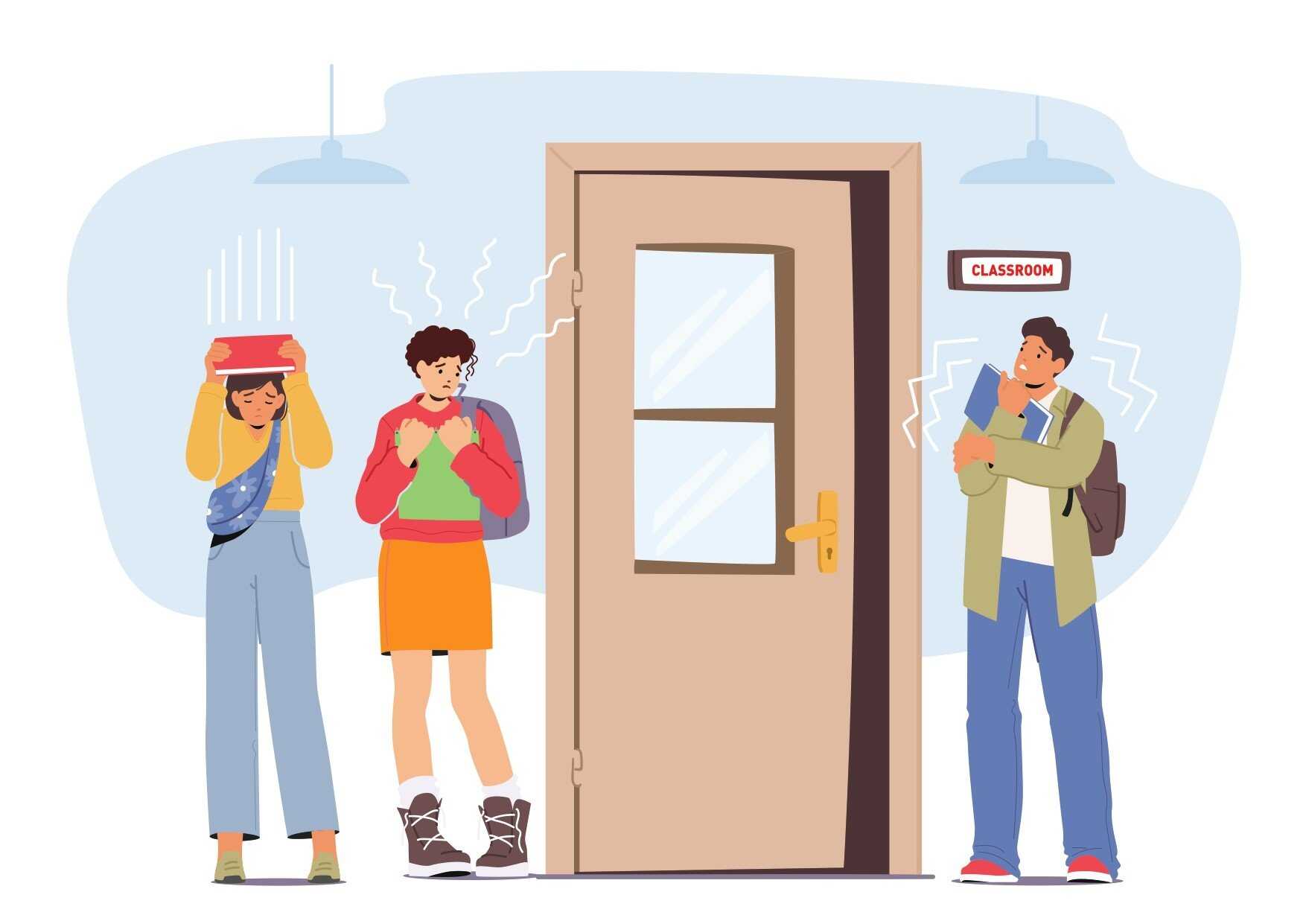
As students step through their school’s doors, they can’t help but feel a mix of excitement and worry.
It does not matter if you are going to a new school or returning to the same one – the uncertainties that lie ahead can be scary.
We spoke with two experts to help you find the best way to deal with back-to-school anxiety.
Challenge negative thoughts and make friends
One key step is focusing on what you can control: how you act and think.
Dr Adrian Low, a chartered psychologist, recommended taking deep breaths. “When feeling anxious ... take a few slow, deep breaths. This can help calm the mind and body,” he explained.
Next, challenge negative thoughts. “Students may have thoughts like ‘Everyone is judging me’ or ‘I won’t be able to make friends’,” he noted.
But it is important to recognise when your fears are irrational. Then, you can replace them with positive, realistic thoughts.
If you are nervous about making friends, Low suggested starting with one classmate first.
“Building one connection can make it easier to expand social circles,” he said.
He added that you could prepare a few conversation starters beforehand: “Having a few icebreaker questions or comments ready can make it less daunting ... such as asking about summer activities or a shared class.”

Low recommended trying to be a little bit hopeful that your classmates will be open to chatting with you: “Assume the best until proven otherwise.”
Don’t take it personally if you are rejected, the psychologist said. This could be a result of how the other person is feeling inside; they are most likely not judging you in a mean way.
“[Your] classmates may be feeling just as anxious and uncertain about socialising,” Low added.
Think of these small social interactions as practice. Remember that you will become more comfortable and confident with each try.
Joining clubs or extracurricular activities can also help you meet peers who are interested in similar things. This can help you find a community.
“[It] provides an opportunity to meet people ... in a more relaxed setting,” Low said.
Stress: a natural human response that can become harmful
Organisational tips
Dr Patrick Ip is a clinical professor at the University of Hong Kong’s department of paediatrics and adolescent medicine. He is also a member of the government’s Advisory Committee on Mental Health.
Ip said: “Organisational skills play a vital role in reducing anxiety.”
He recommended that students create a daily routine. Using planners and keeping your workspace clean can help you stay organised and focused. The professor also highlighted the importance of having a healthy lifestyle.
“There are several factors that ... cause students anxiety, which includes an unbalanced diet and irregular physical activities,” he said.
Support your mental well-being by getting enough sleep, eating a healthy diet and exercising regularly. He recommended that students plan their schedules to make sure they get enough rest. This is very important for managing stress.
People are starting to be more aware of mental health issues. But both experts agreed that more needed to be done to support students.
By focusing on what you can control, building friendships, protecting your health and staying organised, you can be confident in getting through the challenges of returning to school.

To test your understanding of this story, download our printable worksheet or answer the questions in the quiz below.
