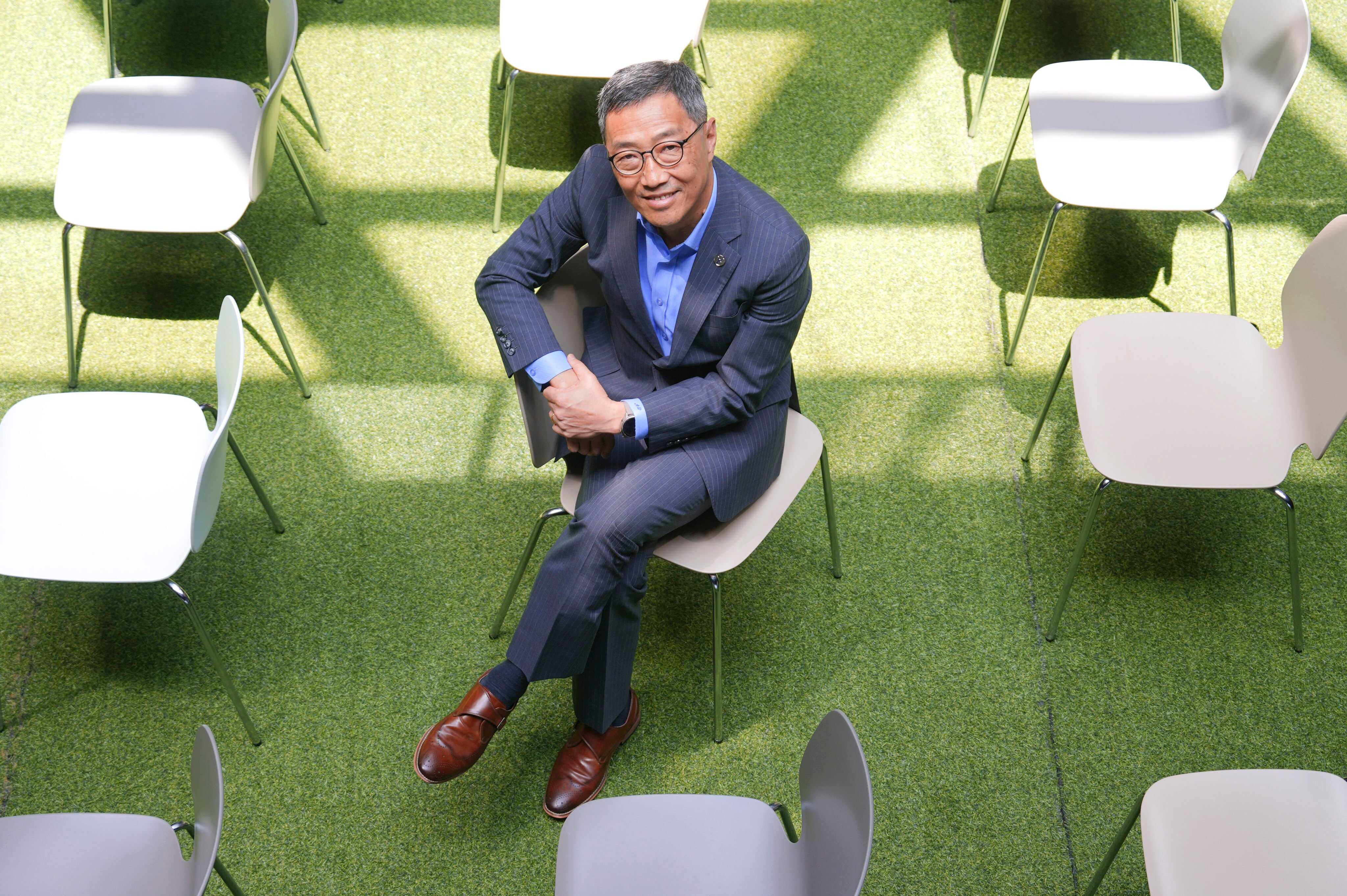
Hong Kong Science and Technology Parks Corporation (HKSTP) will soon close a chapter as Albert Wong Hak-keung, its chief executive officer for nearly a decade, is set to retire at the end of July.
“I’ve done what I know how to do. And I think that when everything is good, you should change … find new ways [to move forward],” Wong said.
Wong has been the head of the vibrant innovation and technology hub since 2016. He has spent his time in the role mentoring young, bright minds and creating opportunities for Hong Kong’s future generation of technicians, engineers, scientists and mathematicians.
He spoke to Young Post about all things STEM, education and learning.
STEM for Hong Kong students
Wong recognised the speed at which new discoveries, tools and inventions emerged in the 21st century. But for students and schools, he said, there was no need to stress about keeping up with these changes. Instead, they should focus on the basics.
“Physics, chemistry, biology, mathematics … personally, I still believe these are the most important basics,” he said.
Once you have mastered these foundational subjects, you could begin to specialise in a STEM field. Wong advised students to choose an area of study that aligned with their interests.
He added that even secondary students were perhaps too young to “determine what [their] career would be”. For example, while robotics and artificial intelligence are on the rise now, “the future has not happened yet”.
Wong emphasised that while reading journals and studies was not necessary for every individual, it was essential to “keep your eyes open” and stay updated on developments in STEM. He encouraged students who were not as inclined to study STEM subjects to still learn what they could in school.
“Technology is pervasive,” he said. Lawyers would need to be aware of AI, and those in marketing may use the technology, he added.
“You don’t need to be a technologist, you don’t need to know how to code, you don’t need to know how to do biomedical research, but you have to know what is going on, because the future will be all about technologies.”
Time as a SOTY judge
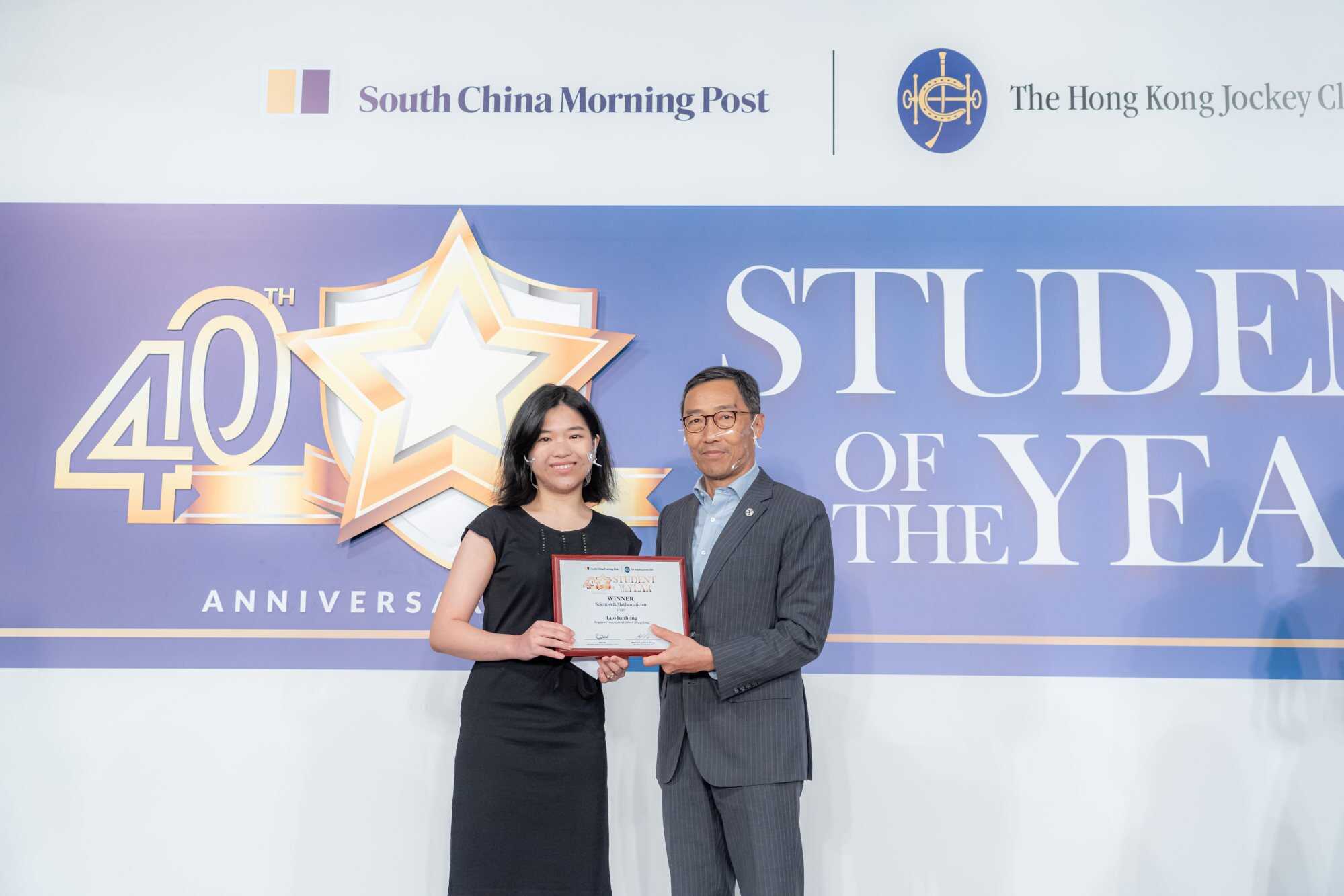
Wong has been a judge at the annual Student of the Year (SOTY) Awards eight times.
The SOTY Awards are a competition organised by the South China Morning Post and solely sponsored by the Hong Kong Jockey Club.
Wong said he kept in touch with all the winners. As a judge, he said he looked at two things among the candidates: “One is how do you help others instead of just being a good student yourself? Two is … the aspiration.”
Wong explained that many SOTY Award recipients had a very “focused target” for their career or life goals. He described one such winner as a young man with an “entrepreneurial mind”. The student was a good coder and eventually worked at Google.
Another winner graduated from the Massachusetts Institute of Technology (MIT) – consistently ranked as one of the top universities in the world – and now worked in the financial industry.
“I cannot imagine myself doing that at that age,” said Wong, who was born and educated in Hong Kong.
But while he said these bright, top students deserved such opportunities, Wong stressed another focus. What was most important, he said, was not just helping the topmost student but also the ones in the middle.
“That is how we build a base [in Hong Kong],” he said.
Looking ahead
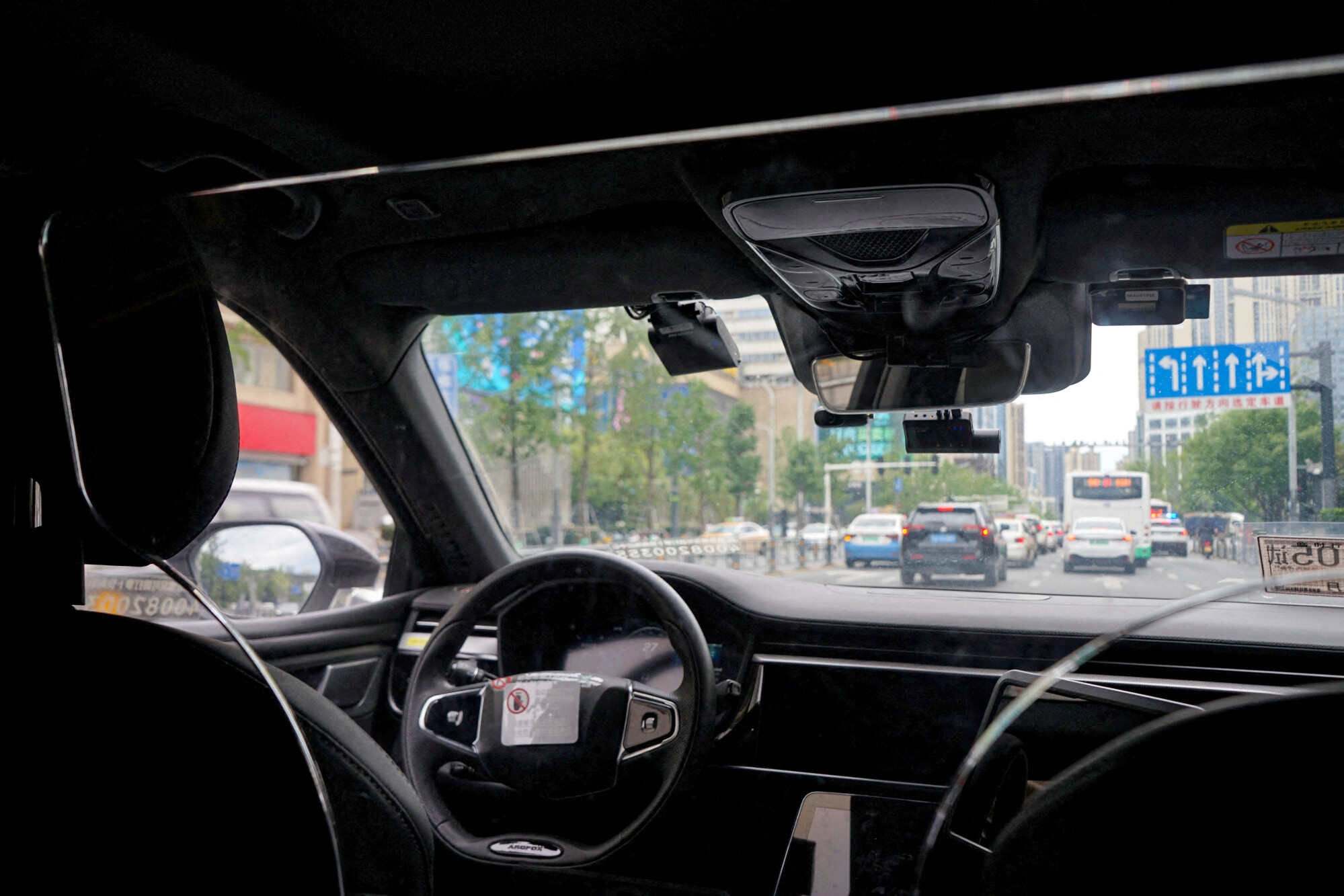
When asked about the future of STEM development in Hong Kong and globally, Wong highlighted artificial intelligence as a significant influence across various industries. But exactly how AI would affect humans and the economy was still to be determined, he said.
“It will definitely happen, but will be a different form that we do not visualise today,” he said. “[We are] still at the beginning.”
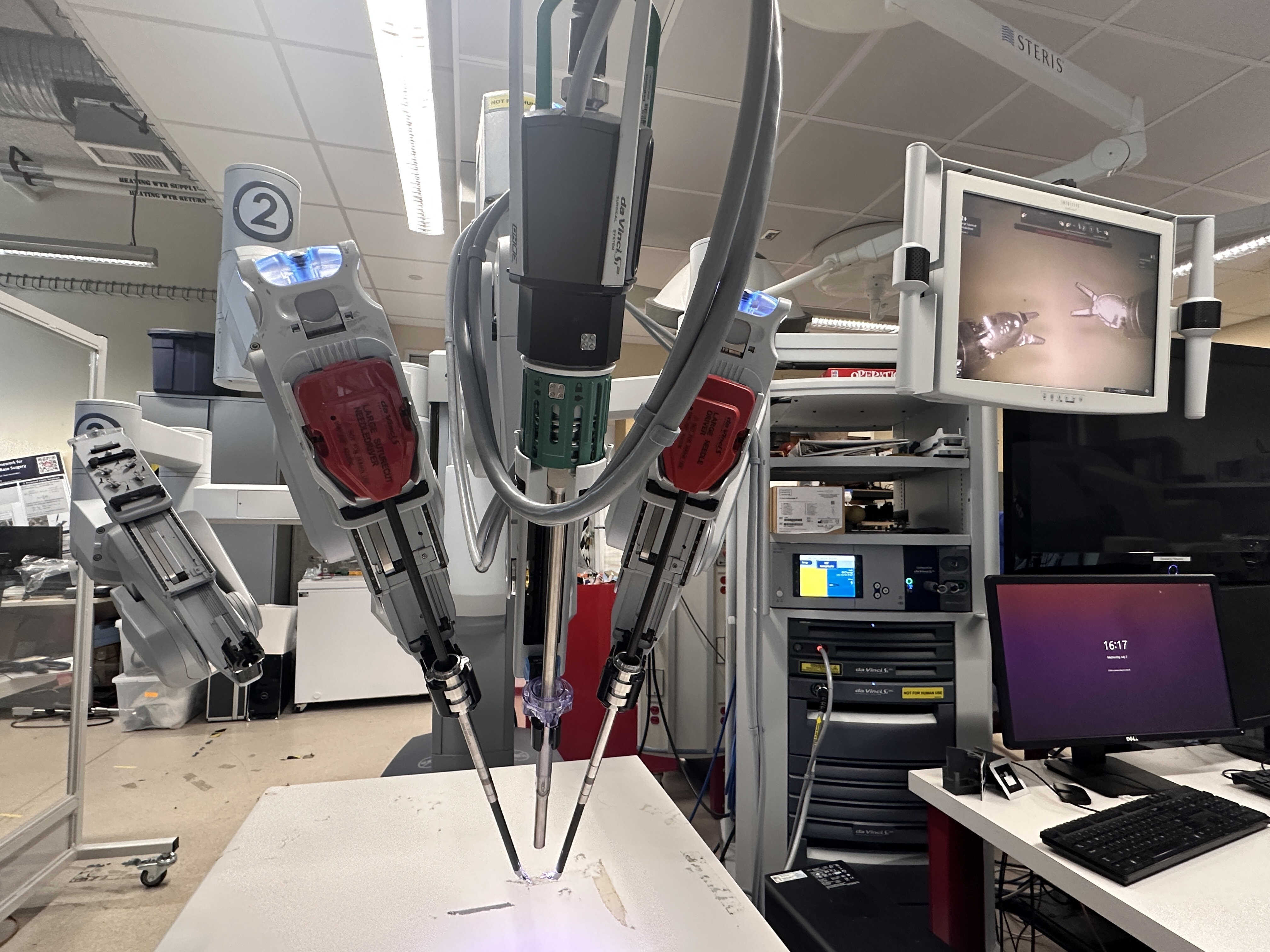
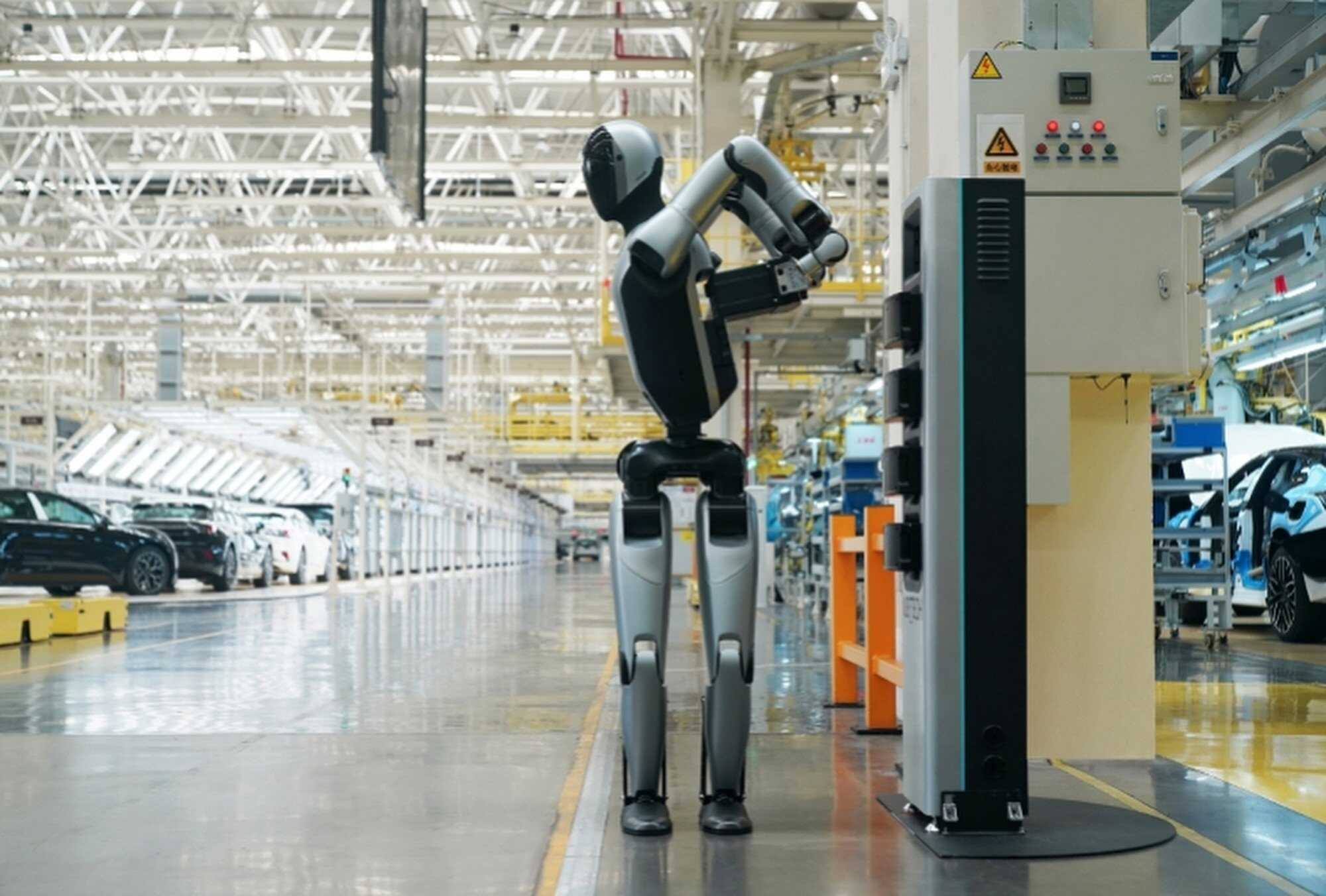
Wong also believed that, over the next three to four years, AI would take on a different form. Developers may start putting AI agents – a system that autonomously performs tasks using available tools – in everything, he said. That would include finding the right doctor or searching for groceries.
“I think teachers and students should learn more about the trend,” he said.
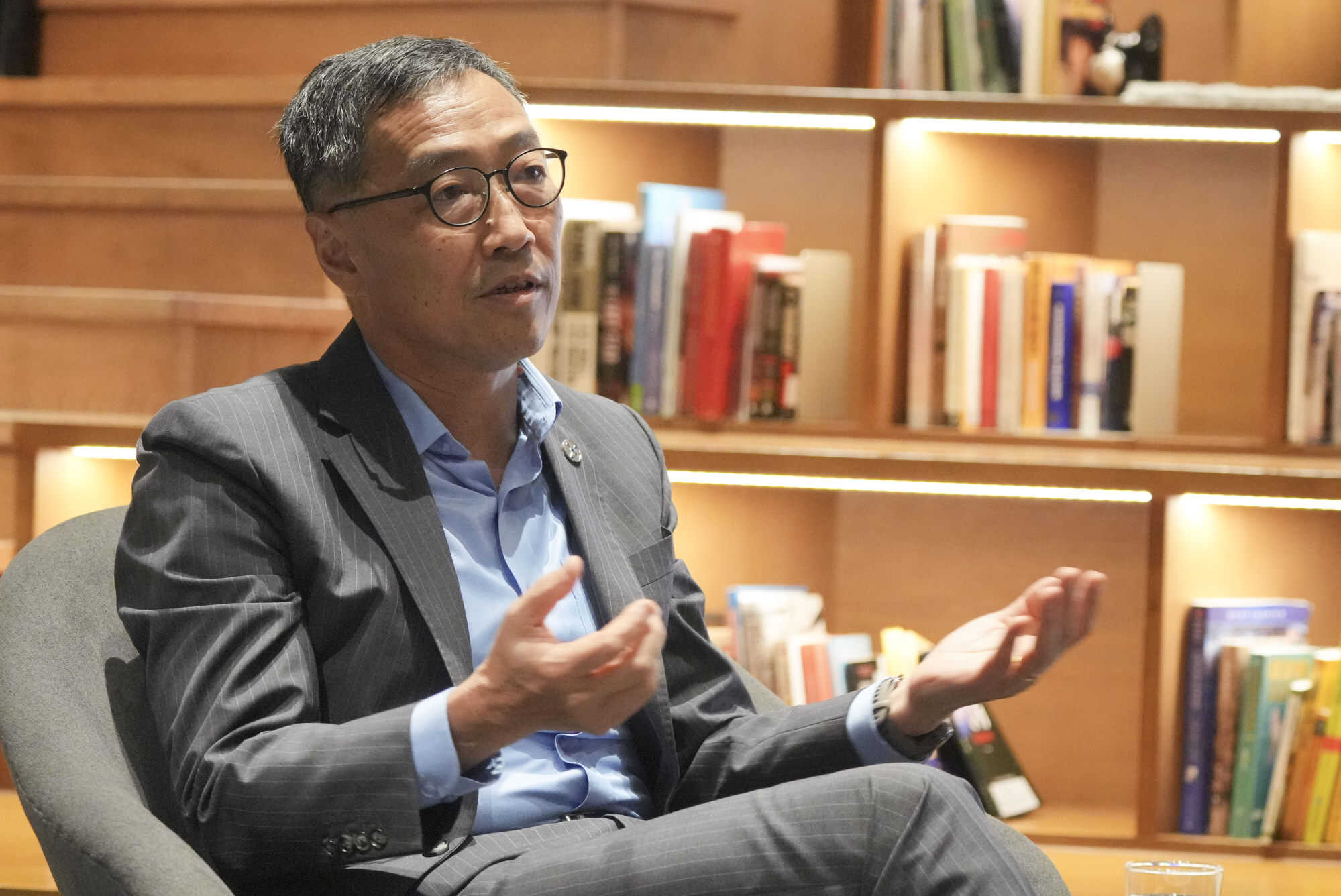
Wong said he hoped Hong Kong would jump on these innovations.
“I don’t think we have done [them] justice in Hong Kong,” he said. “There weren’t opportunities because we focus on finance and tourism … [because it’s] quick money.”
This, he said, was the reason he worked outside Hong Kong for much of his career – because the opportunities in the city were so limited. Wong said he hoped that in the future, there would be more emphasis on technology, innovation and science.
“We owe it to the future generation to create … opportunities, internships, development [prospects], not just for the brightest students, but everyone,” he said.