Argan oil may be best known globally as a miracle cosmetic, but in Morocco, it is a lifeline for rural women and a by-product of a forest slowly buckling under the weight of growing demand.
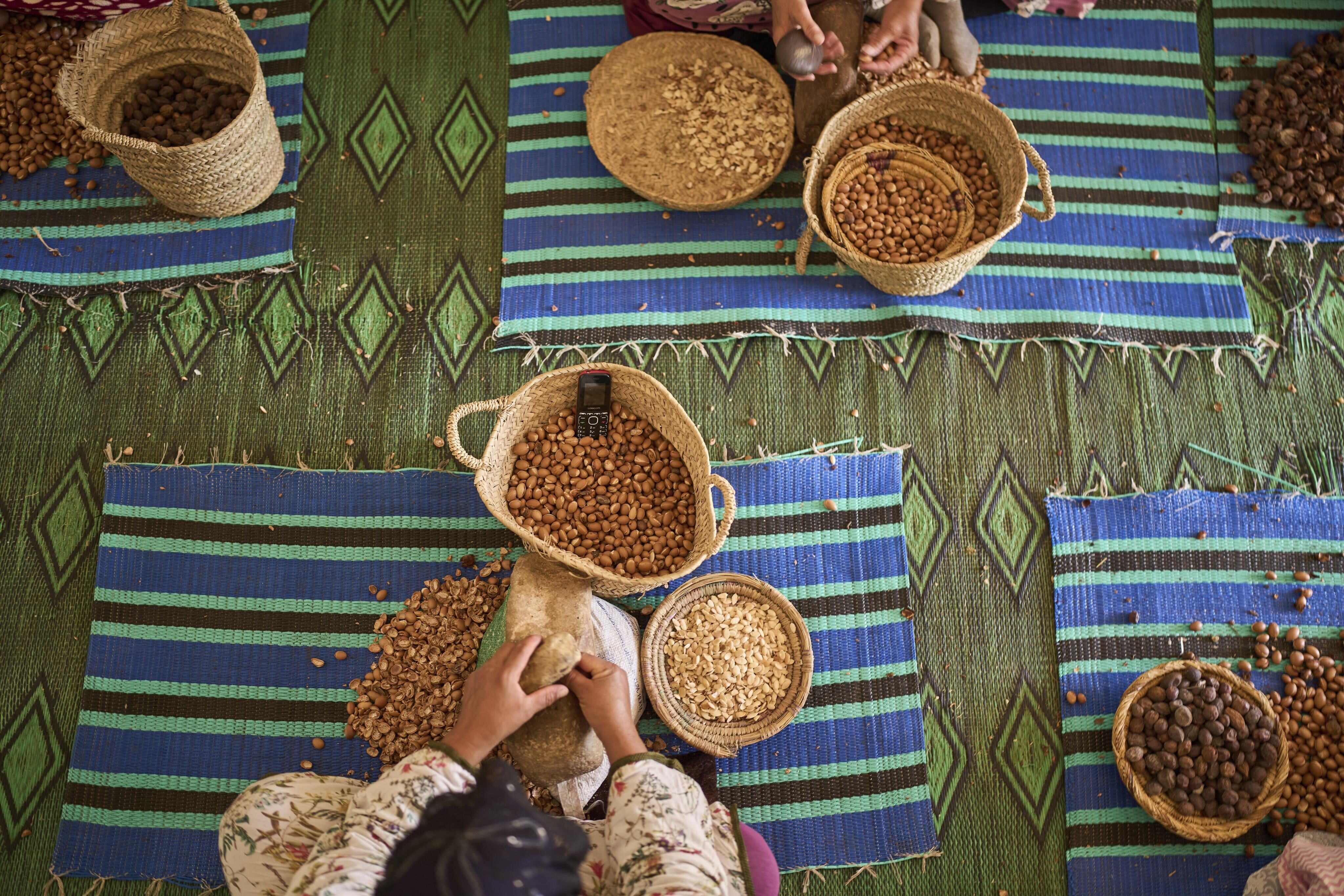
The oil runs through the fingers like liquid gold – hydrating, luscious and restorative. To make it, women crouch over stone mills and grind down kernels.
“We were born and raised here. These traditions come from nature, what our parents and grandparents have taught us and what we’ve inherited,” cooperative worker Fatma Mnir said.
Long a staple in local markets, today argan oil is in luxury hair and skin care products lining aisles worldwide. But overharvesting and drought are straining argan forests once seen as resilient in the harshest of conditions.
Hafida El Hantati, owner of one of the co-operatives that harvests the fruit and presses it for oil, said the stakes go beyond the trees, threatening cherished traditions.
“We must take care of this tree and protect it because if we lose it, we will lose everything that defines us and what we have now,” she said at the Ajddigue cooperative outside the coastal town of Essaouira.
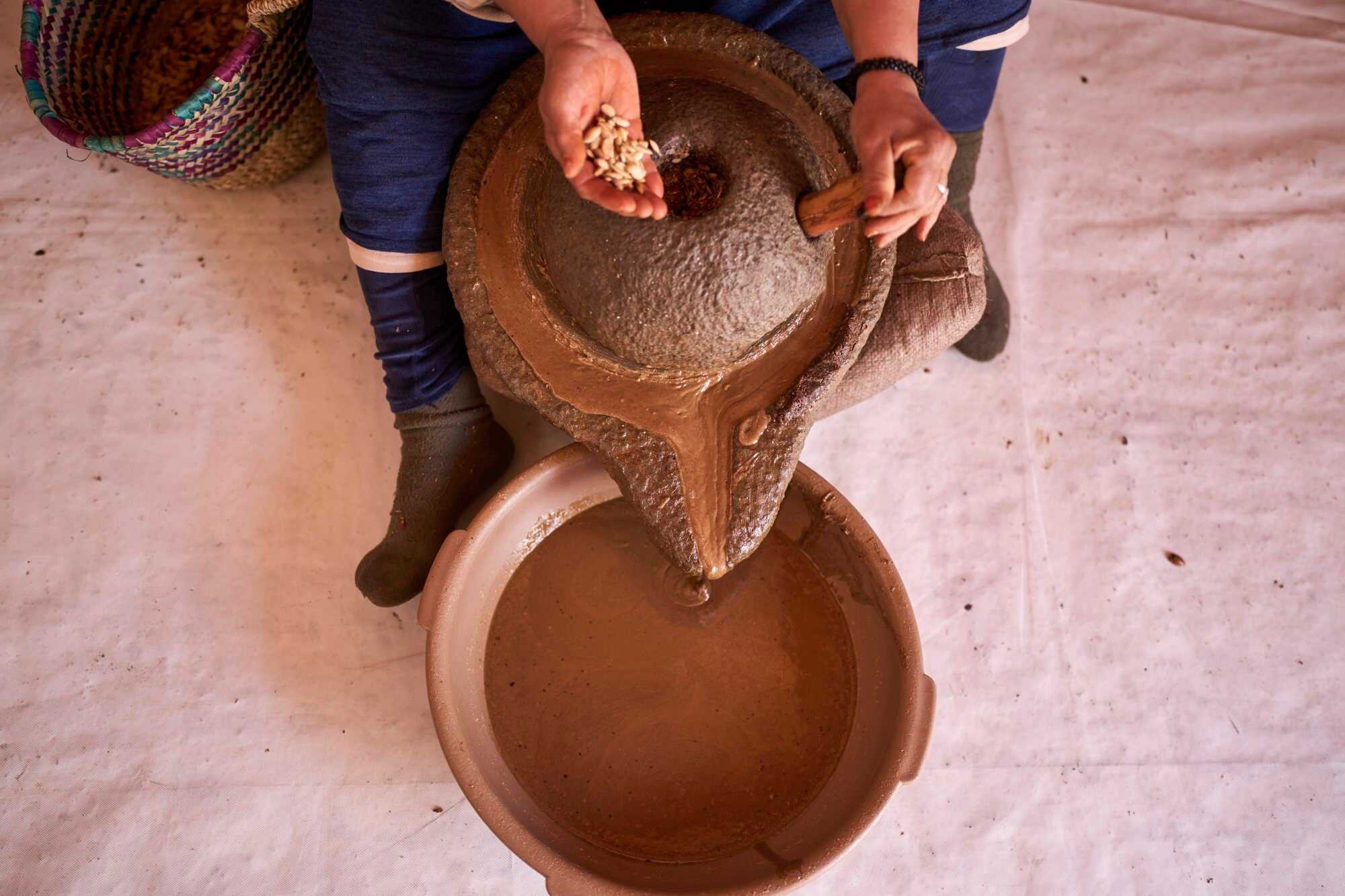
A forest out of time
For centuries, argan trees have supported life in the arid hills between the Atlantic Ocean and the Atlas Mountains, feeding people and animals, holding soil in place and stopping the desert from spreading.
The trees can survive in areas with less than 2cm of annual rain and heat up to 50 degrees Celsius (122 Fahrenheit). They endure drought with roots that stretch as far as 35 metres (115 feet) underground. Goats climb trees, chomp their fruit and eventually disperse seeds as part of the forest’s regeneration cycle.
Moroccans stir the oil into nut butters and drizzle it over tagines. Rich in vitamin E, it’s lathered onto dry hair and skin to plump, moisturise and stave off damage.
But the forest has thinned. Trees bear fewer fruit, their branches gnarled from thirst. In many places, cultivated land has replaced them as fields of citrus and tomatoes, many of which are grown for export, have expanded.
Communities once managed forests collectively, setting rules for grazing and harvesting. Now the system is fraying, with theft routinely reported.
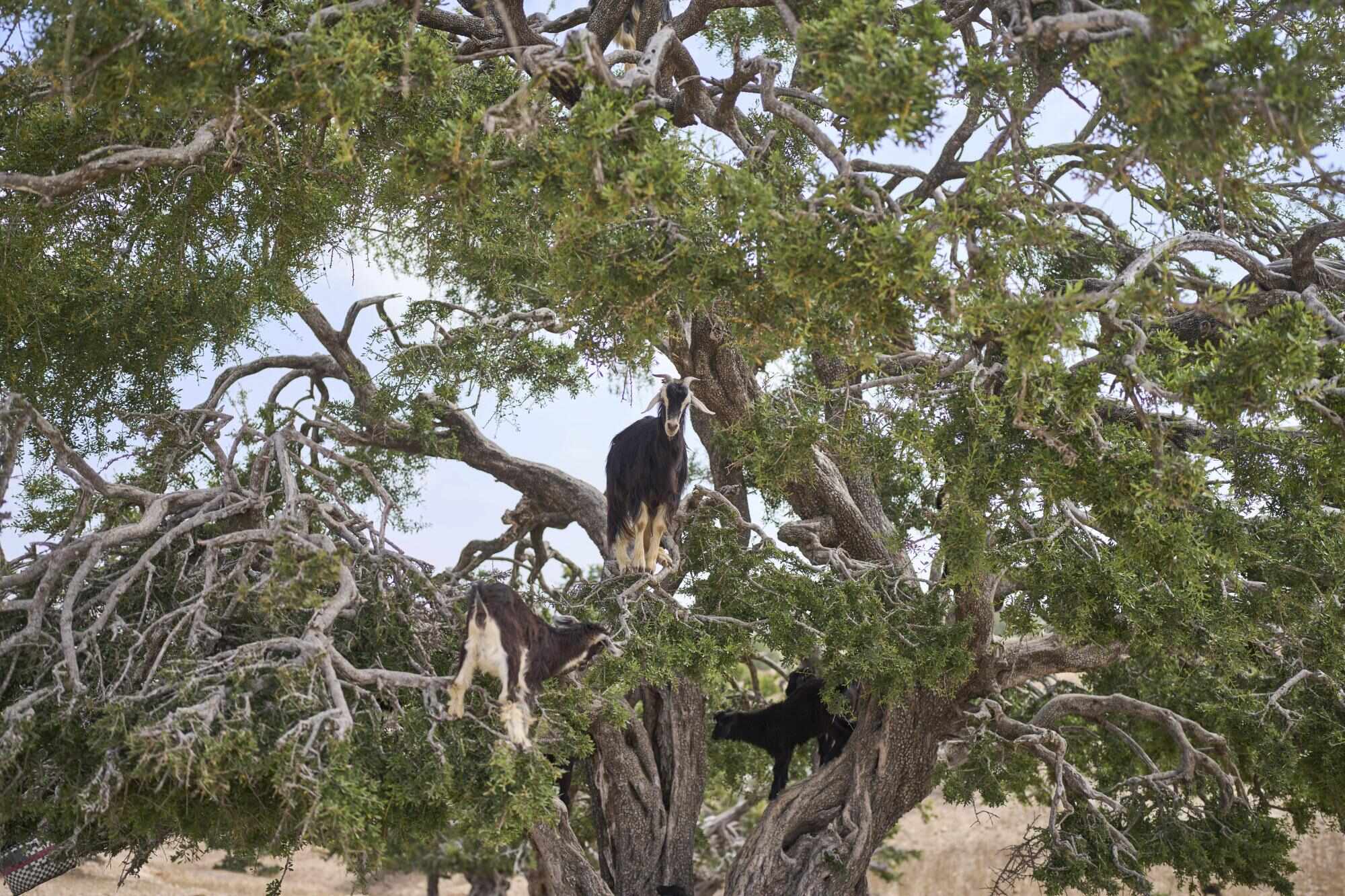
What’s wrong with the forest?
A forest that covered about 14,000 sq km (5,405 square miles) at the turn of the century has shrunk by 40 per cent. Scientists warn that argan trees are not invincible.
“Because argan trees acted as a green curtain protecting a large part of southern Morocco against the encroaching Sahara, their slow disappearance has become considered an ecological disaster,” said Zoubida Charrouf, a chemist who researches argan at Université Mohammed V in Rabat.
Shifting climate is a part of the problem. Fruit and flowers sprout earlier each year as rising temperatures push the seasons out of sync.
Goats that help spread seeds can be destructive too, especially if they feed on seedlings before they mature. Overgrazing has become worse as herders and fruit collectors fleeing drier regions encroach on plots long allocated to specific families.
The forests also face threats from camels bred and raised by the region’s wealthy. Camels stretch their necks into trees and chomp entire branches, leaving lasting damage, Charrouf said.
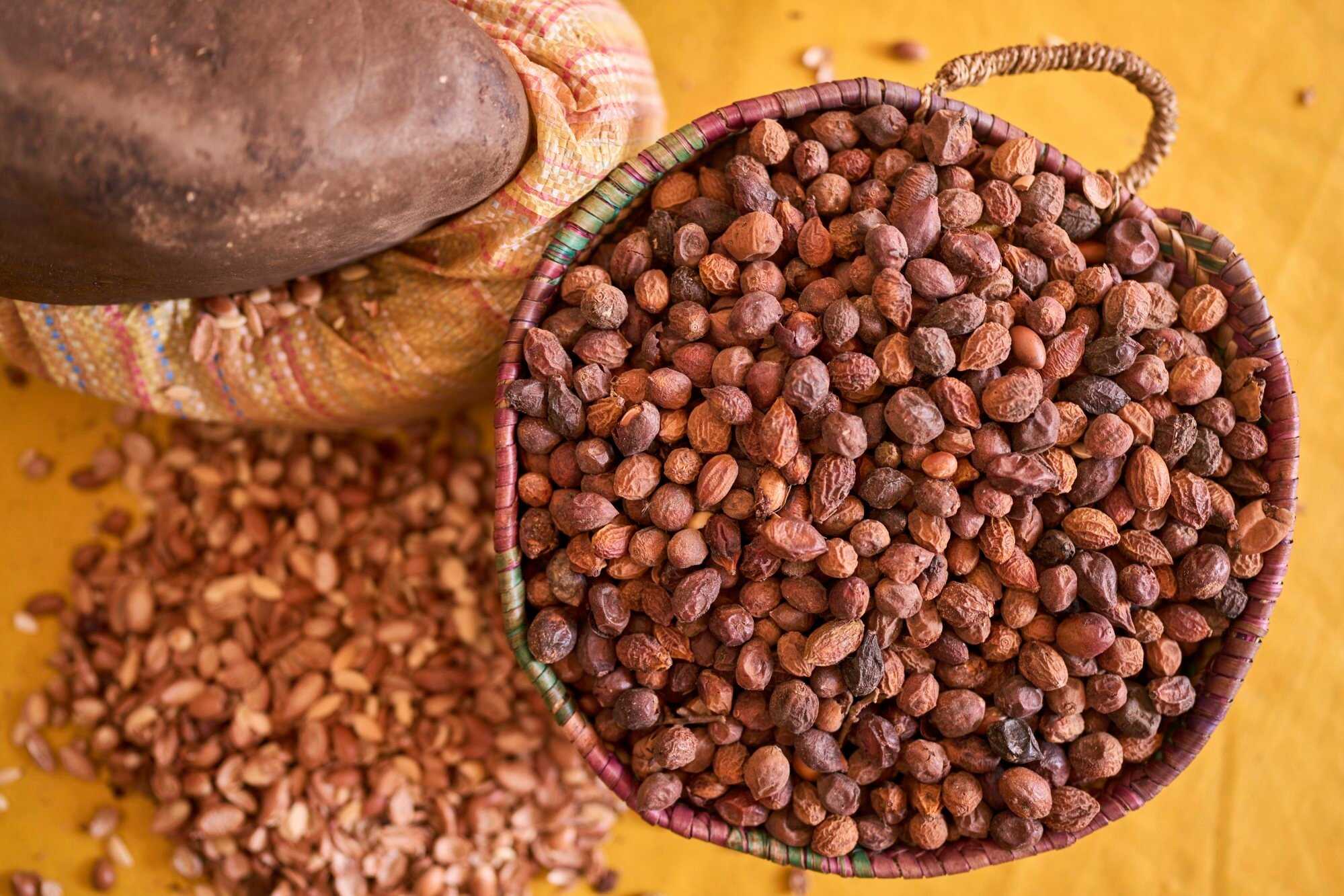
Liquid gold, dry pockets
Today, women peel, crack and press argan for oil at hundreds of co-operatives. Much makes its way through middlemen to be sold as products by companies and subsidiaries of L’Oréal, Unilever and Estée Lauder.
But workers say they earn little while watching profits flow elsewhere. Co-operatives say much of the pressure stems from climbing prices. Cosmetics companies call argan the most expensive vegetal oil on the market.
Co-operatives were set up to provide women with a base pay and share profits each month. But the President of the Union of Women’s Argan Cooperatives, Jamila Id Bourrous, said few make more than Morocco’s minimum monthly wage.
“The people who sell the final product are the ones making the money,” she said.
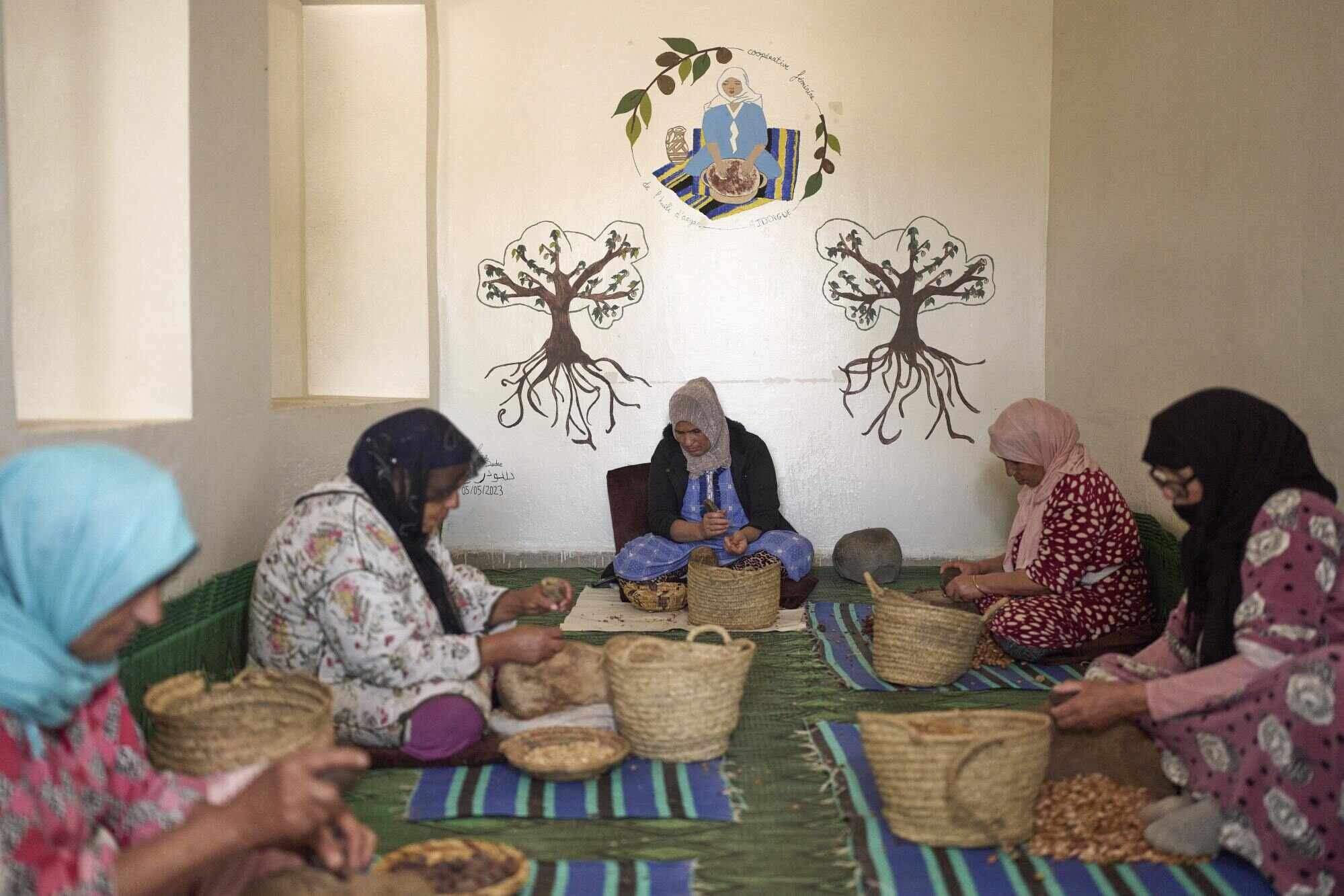
Some businesses say large multinational companies use their size to set prices and shut others out.
The supply chain is another issue.
“Between the woman in the village and the final buyer, there are four intermediaries. Each takes a cut. The co-operatives can’t afford to store, so they sell cheap to someone who pays upfront,” Id Bourrous, the union president, said.
The government has attempted to build storage centres to help producers hold onto their goods longer and negotiate better deals.
So far, co-operatives say it has not worked, but a new version is expected in 2026 with fewer barriers to access.
But money must be made
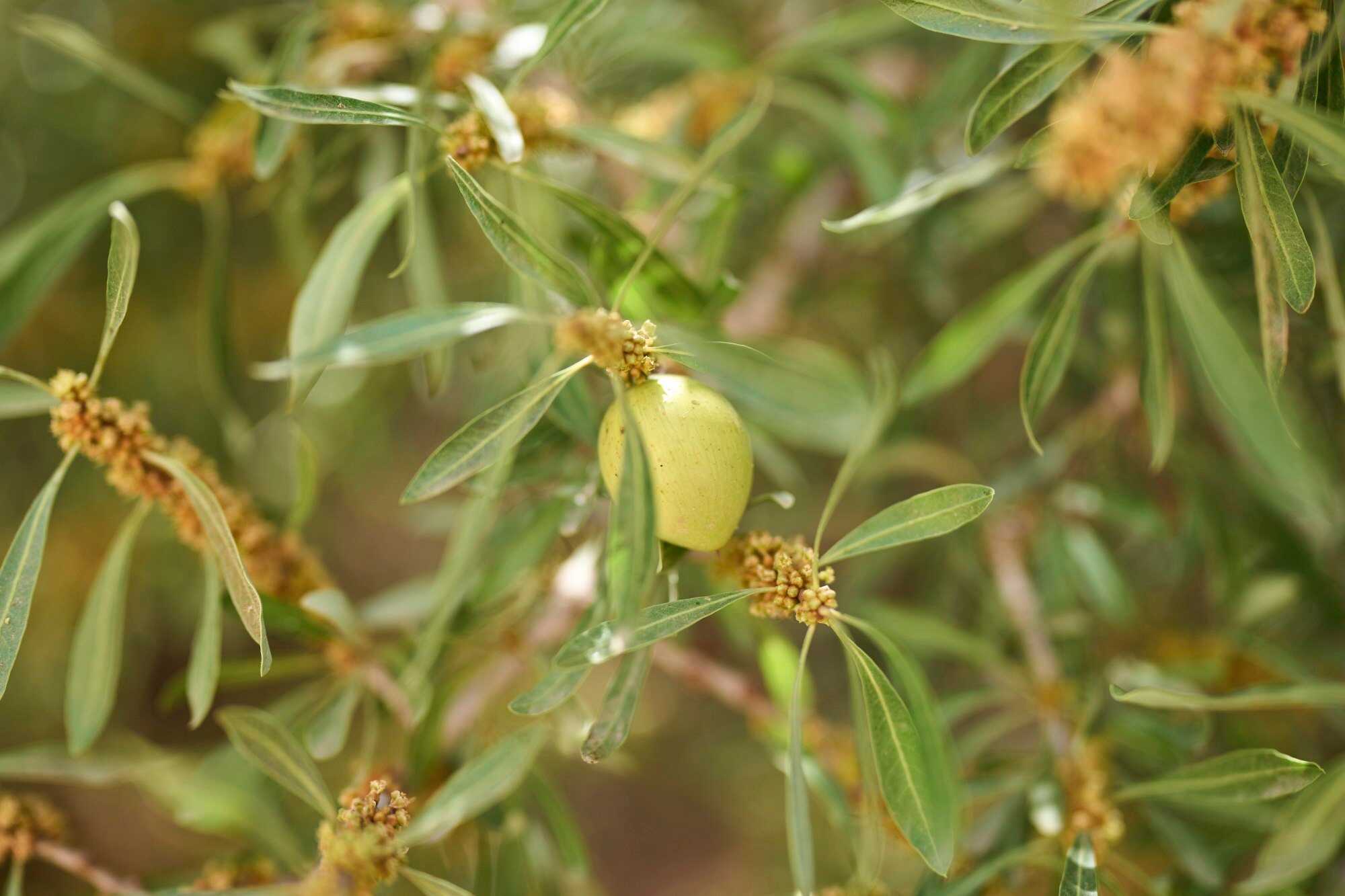
During harvest season, women walk into the forest with sacks, scanning the ground for fallen fruit. To El Hantati, the forest, once thick and humming with life, feels quieter now. Only the winds and creaking trees are audible as goats climb branches in search of remaining fruits and leaves.
“When I was young, we’d head into the forest at dawn with our food and spend the whole day gathering. The trees were green all year long,” she said.
She paused, worried about the future as younger generations pursue education and opportunities in larger cities.
“I’m the last generation that lived our traditions – weddings, births, even the way we made oil. It’s all fading.”