

YoungPost Club Learn
DOWNLOAD OUR APP
appstoregoogleplay
FIND US AT
My JourneyMy VocabularyMy Leaderboard
My AccountSearchAbout UsContact Us
Subscription Plan
School Subscription
YOUNG POST
NewsTrendingBeing wellLearning zoneShare with usQuizzes
SPARK
NewsTrendingBeing wellLearning zoneShare with usQuizzes
POSTIES
Big readEye on the newsHa-ha-happeningsThings to doYour saySteam studioHealth and happinessQuizzes
Subscribe to Young Post Club to access our great content
ABOUT US|CONTACT US|WRITE FOR US|PRIVACY POLICY|TERMS & CONDITIONS
©2025 Young Post Club. All rights reserved.
My Journey Hello
Brand Avatar
Young Post
My Journey illustration

With a subscription, you can answer quizzes and track your reading progress.

Spark / Stories

Protecting Hong Kong’s agarwood trees from illegal cutting

Black market demand for products like incense has environmentalists concerned.
byAgence France-Presse
Published: 2:00am, 22 Feb 2025
Length: 202 words
Protecting Hong Kong’s agarwood trees from illegal cutting

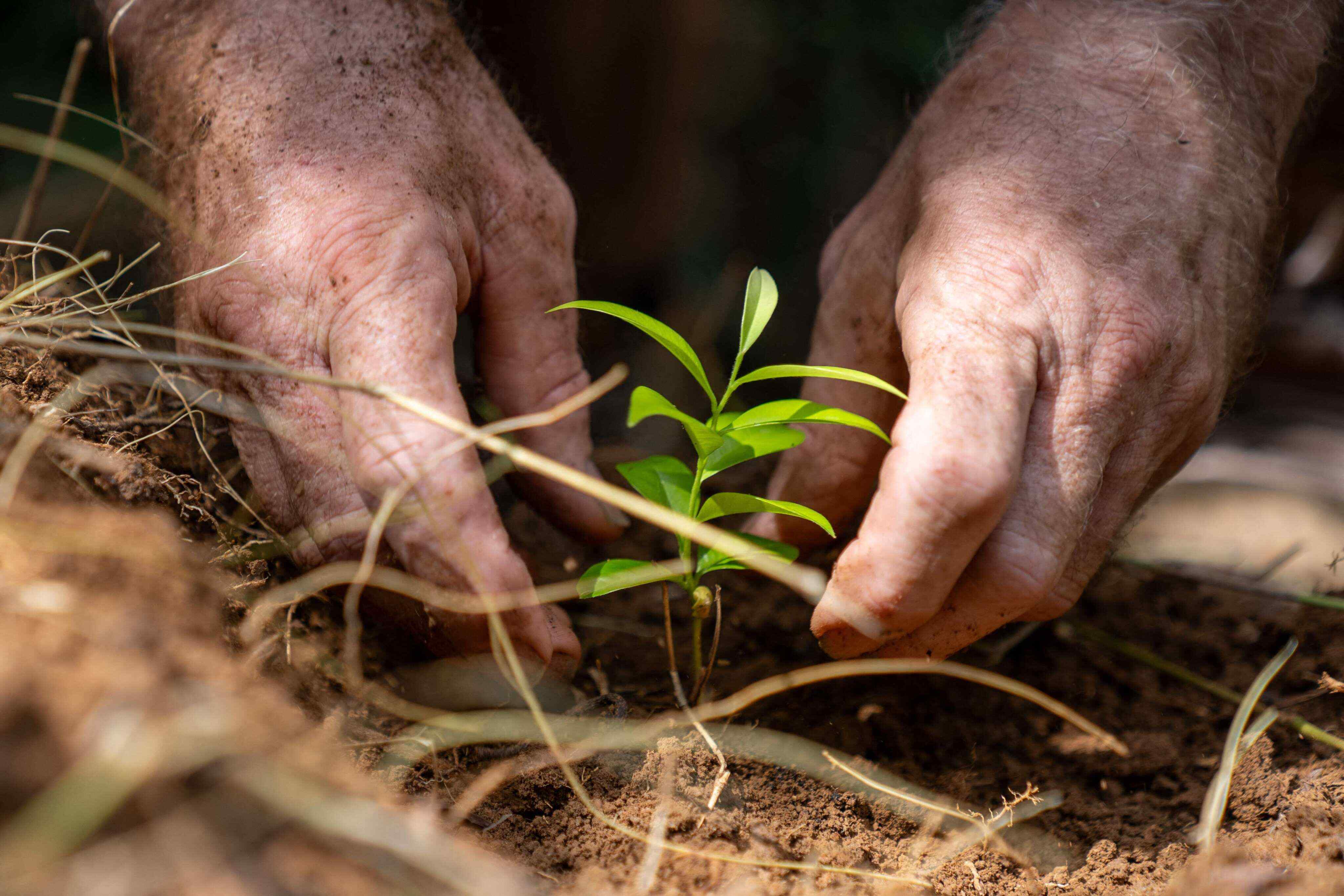
Scientists are fighting illegal tree cutting in Hong Kong by using DNA databases to conserve valuable agarwood-producing plants. Photo: AFP

Scientist Zhang Huarong walks through the forest near his Hong Kong research lab, gesturing towards a rotting incense tree stump. It is one of over a dozen trees illegally cut for the valuable wood inside.

Not far from the city’s urban centres are forests home to trees that produce fragrant – and valuable – agarwood. Agarwood is used in several expensive products, from incense and perfume to traditional Chinese medicine.

Environmentalists say illegal incense tree cutting is on the rise in Hong Kong, fuelled by black market demand.

Scientists like Huarong are fighting back by taking DNA samples from each plant and creating a database to help authorities understand how the trees can be better conserved.

Hong Kong has long been a hub for sweet-smelling aromatic products. The city’s name – translating to “fragrant harbour” – is commonly linked to the area’s history of incense production and sale.

Agarwood is created when incense trees are cut, which causes the plant to produce a dark resin to prevent infection. The product then takes the form of fragrant resinous wood.

IN THIS ARTICLE
Easy reading