




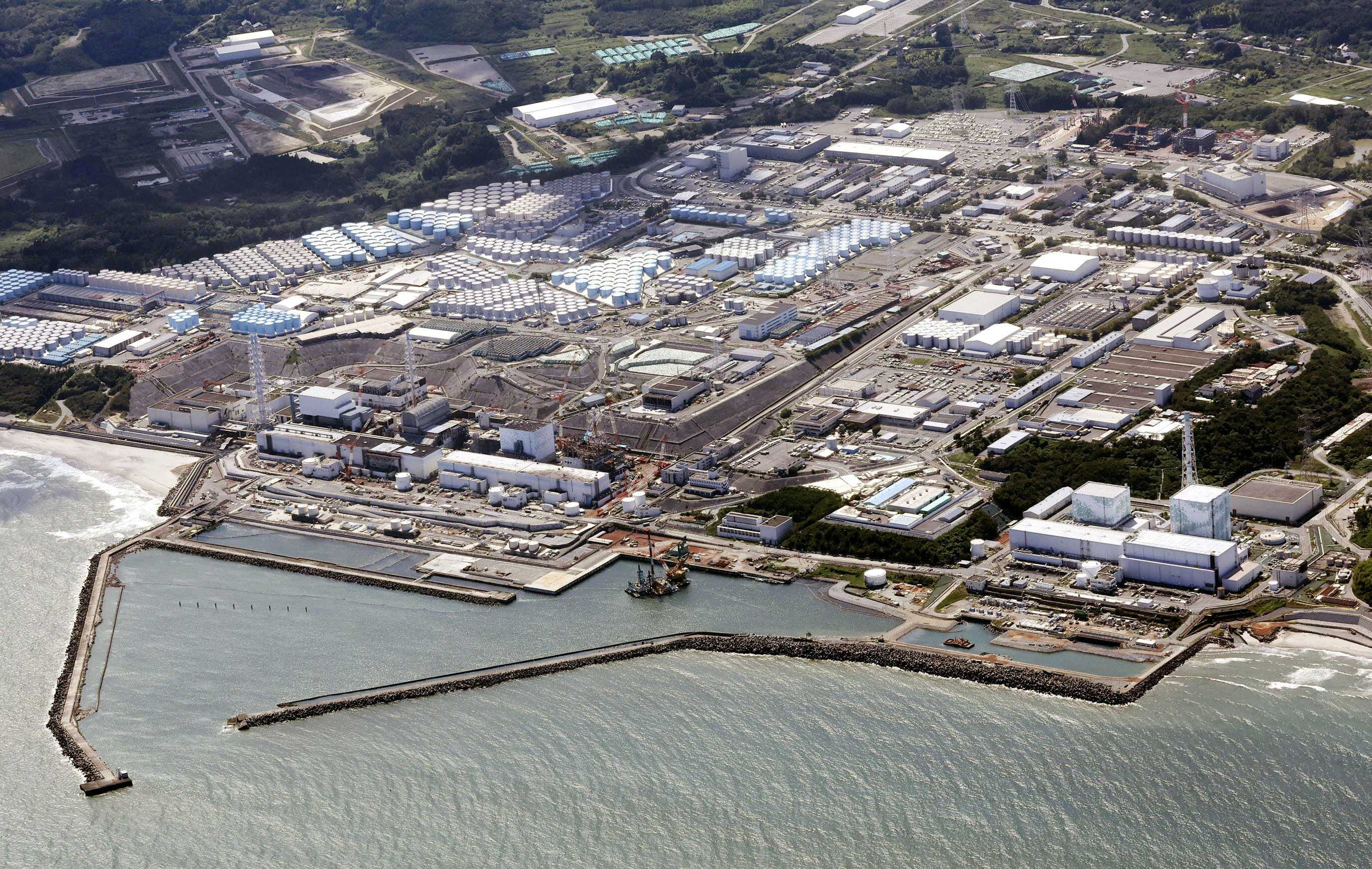
Japan will begin releasing a second batch of waste water from the crippled Fukushima nuclear plant from next week, its operator has said, an exercise that angered China and others when it began in August.
On August 24, Japan began discharging into the Pacific some of the 1.34 million tonnes of waste water that has collected since a tsunami crippled the facility in 2011.
“The inspections following the first release have been completed … The (second) discharge will start on October 5,” TEPCO said on Thursday.
China banned all Japanese seafood imports after the first release, which ended on September 11, despite Tokyo’s insistence that the operation poses no risk. Russia, whose relations with Japan are also frosty, is reportedly considering following suit on a seafood ban.
In the first phase around 7,800 tonnes of water were released into the Pacific out of a planned total of 1.34 million tonnes, equivalent to more than 500 Olympic swimming pools.
TEPCO says that the water has been filtered of all radioactive elements except tritium, which is within safe levels. That view is backed by the UN atomic agency.
China has accused Japan of using the ocean like a “sewer”, accusations echoed at the United Nations last week by Prime Minister Manasseh Sogavare of the Solomon Islands, who has developed close relations with Beijing.
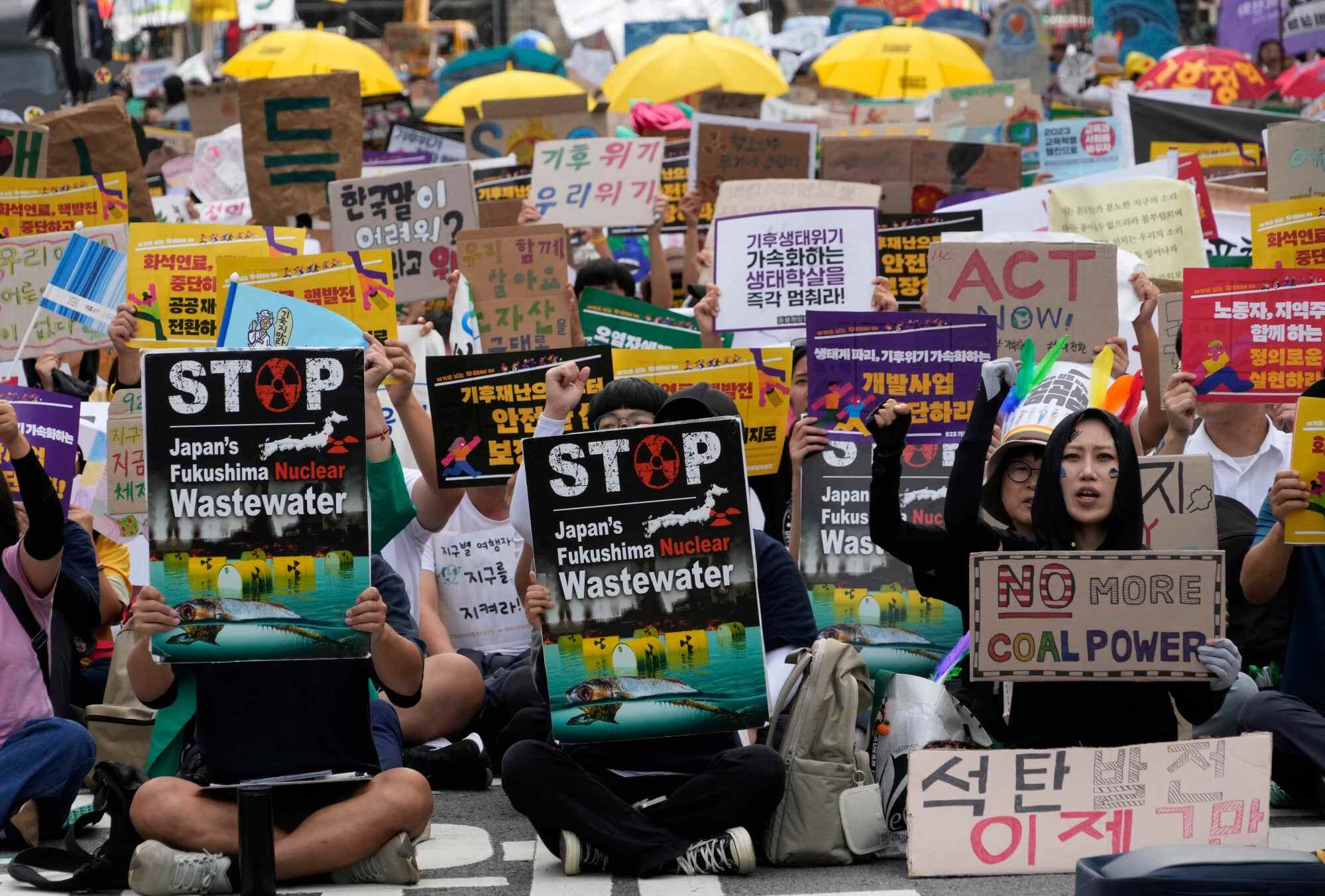
The release, which is expected to take decades to complete, is aimed at making space to eventually begin removing the highly dangerous radioactive fuel and rubble from the wrecked reactors.
“As was the case for the first discharge, we will continue to monitor the tritium levels. We will continue to inform the public in ways that are easy to understand based on scientific evidence,” TEPCO official Akira Ono told reporters Thursday.
Despite China’s ban on Japanese seafood imports, Chinese boats are reportedly continuing to catch fish off Japan in the same areas that Japanese vessels operate.
Rahm Emanuel, the US ambassador to Japan, last week posted photos of what he said were Chinese fishing boats off Japan on September 15.
“They say a picture is worth a thousand words. Chinese vessels fishing off Japan’s coast on September 15th, post China’s seafood embargo from the same waters,” Emanuel said on social media platform X.
