




Miya Zheng once aspired to earn a master’s degree in the United States when she first arrived in the country for her undergraduate studies.
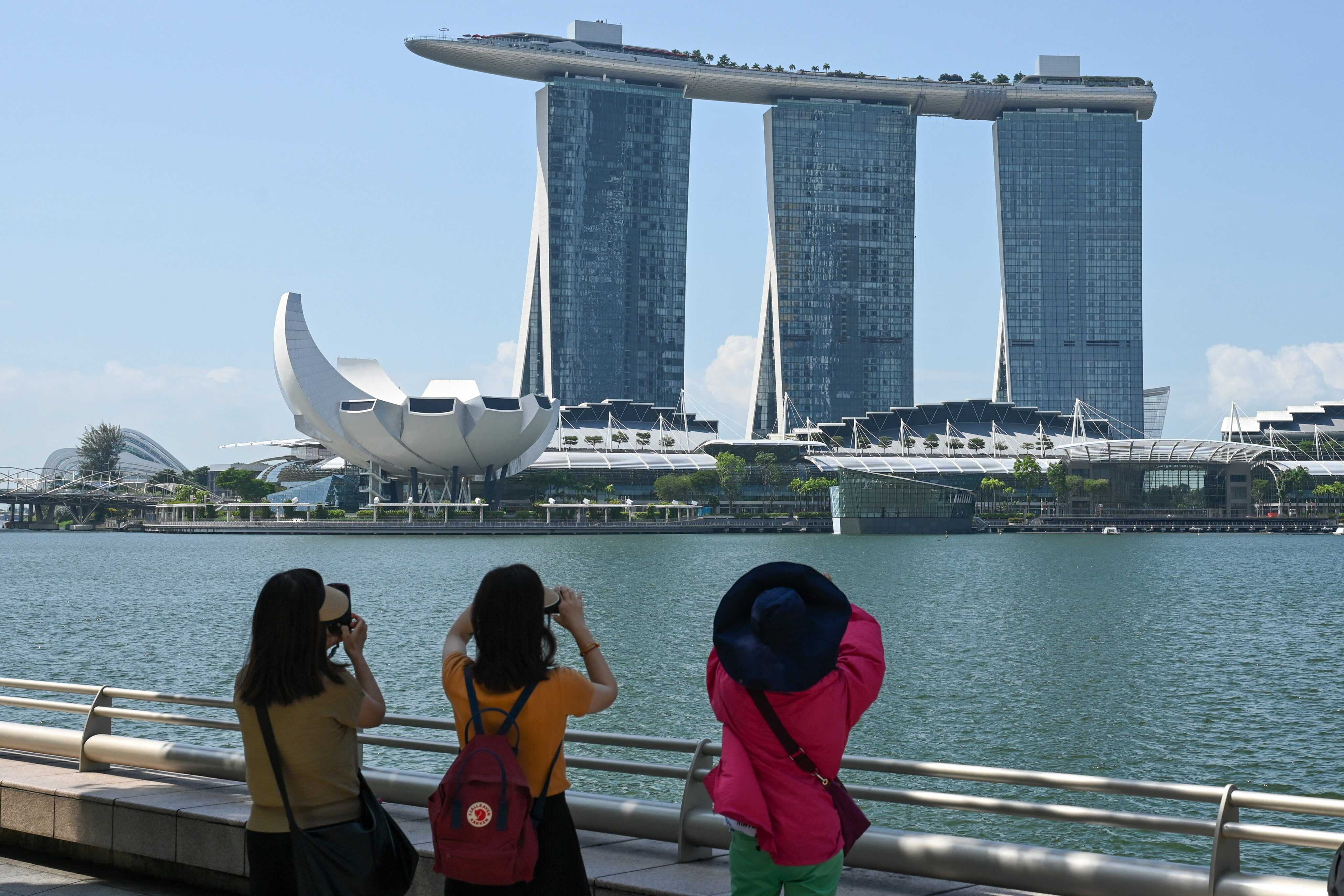
But three years later, the Chinese national has shifted her sights halfway across the world – to Singapore.
“After staying here for some time, I realised that this isn’t quite the right place for me in the long run,” said Zheng, who is majoring in economics and statistics in the US and aspires to work outside China after graduating.
As an international student, she has faced increasing hurdles. Difficulty adjusting to cultural differences and her parents’ concerns about safety have prompted her to apply to Singapore’s top two universities in the coming application cycle.
Zheng is drawn to the nation’s warm climate, abundance of Chinese cuisine and relatively high economic and diplomatic openness.
US will only process foreign student visas if given access to social media accounts
Singapore is home to six publicly funded autonomous universities and a few private universities. In 2023 alone, there were more than 73,000 international students in Singapore, according to local media reports. A significant proportion was believed to be from China.
And while the US has historically been the top choice for Chinese students, the growing uncertainty and instability in the country may prompt even more Chinese students to consider Singapore, industry insiders say.
For Chinese students, Singapore ranks second among 28 popular study-abroad destinations, according to a report jointly compiled by China’s Ministry of Education and the Beijing-based think tank Centre for China and Globalisation (CCG). Britain tops the list, while the US ranks fourth after Canada, dragged down by nervousness about safety.
The Trump of it all
The number of Chinese students in the US had already been declining, with India overtaking China as the top source of international students in the US last year.
But in May, US President Donald Trump’s administration announced it would “aggressively” revoke visas issued to Chinese students, a day after the US State Department suspended student visa processing for all foreign students.
Trump has since reversed course – welcoming Chinese students after a long-anticipated phone call with Chinese President Xi Jinping last month and resuming student visa processing with stricter social media vetting – but only after policy shifts sparked anxiety and confusion among Chinese students.
Zheng said many applicants seeking a backup option in the event their US study plans did not eventuate were likely to consider Singapore, which has high rankings for safety and stability and, unlike the US, imposes no restrictions on majors deemed sensitive for international students.
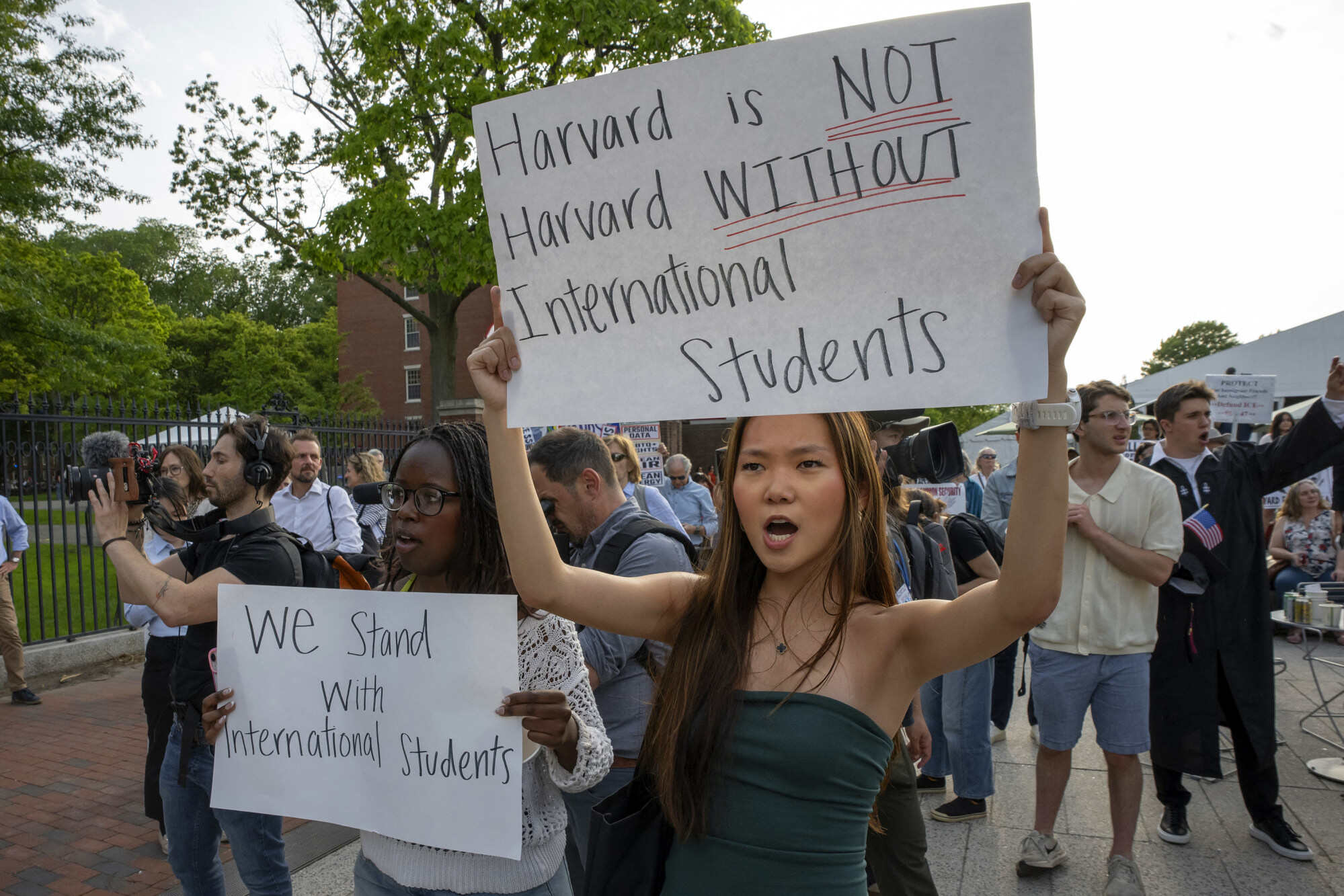
June 2025: US president Trump suspends new Chinese and other foreign student visas at Harvard
Singapore soars to the top
An admissions consultant with a Wuhan-based agency, who gave her last name as Gao, confirmed that her firm had received more queries about studying in Singapore in the past month following recent developments in the US.
Beyond safety, the city state’s cultural familiarity and reputable universities were also main draws for Chinese students, Gao noted.
The National University of Singapore (NUS) retained its place as the top university in Asia, ranked eighth globally in the latest QS World University Rankings 2026, while Nanyang Technological University (NTU) ranked 12th.
“NUS has quite a high degree of recognition in China,” said third-year undergraduate student Oswald Dong, who plans to apply for postgraduate studies in finance abroad but would like to then return to the mainland to work.
He once considered studying in the US but has dropped that plan. Most American master’s programmes run for two years, making them more expensive, and the current unpredictability in the country is a deterrent for Dong.
“One-year programmes in the UK, Hong Kong and Singapore seem like better value,” Dong said.
Tuition fees for these programmes typically range from US$30,000 to US$55,000 – sometimes less than half the cost of programmes in the US.
Mandarin-language options
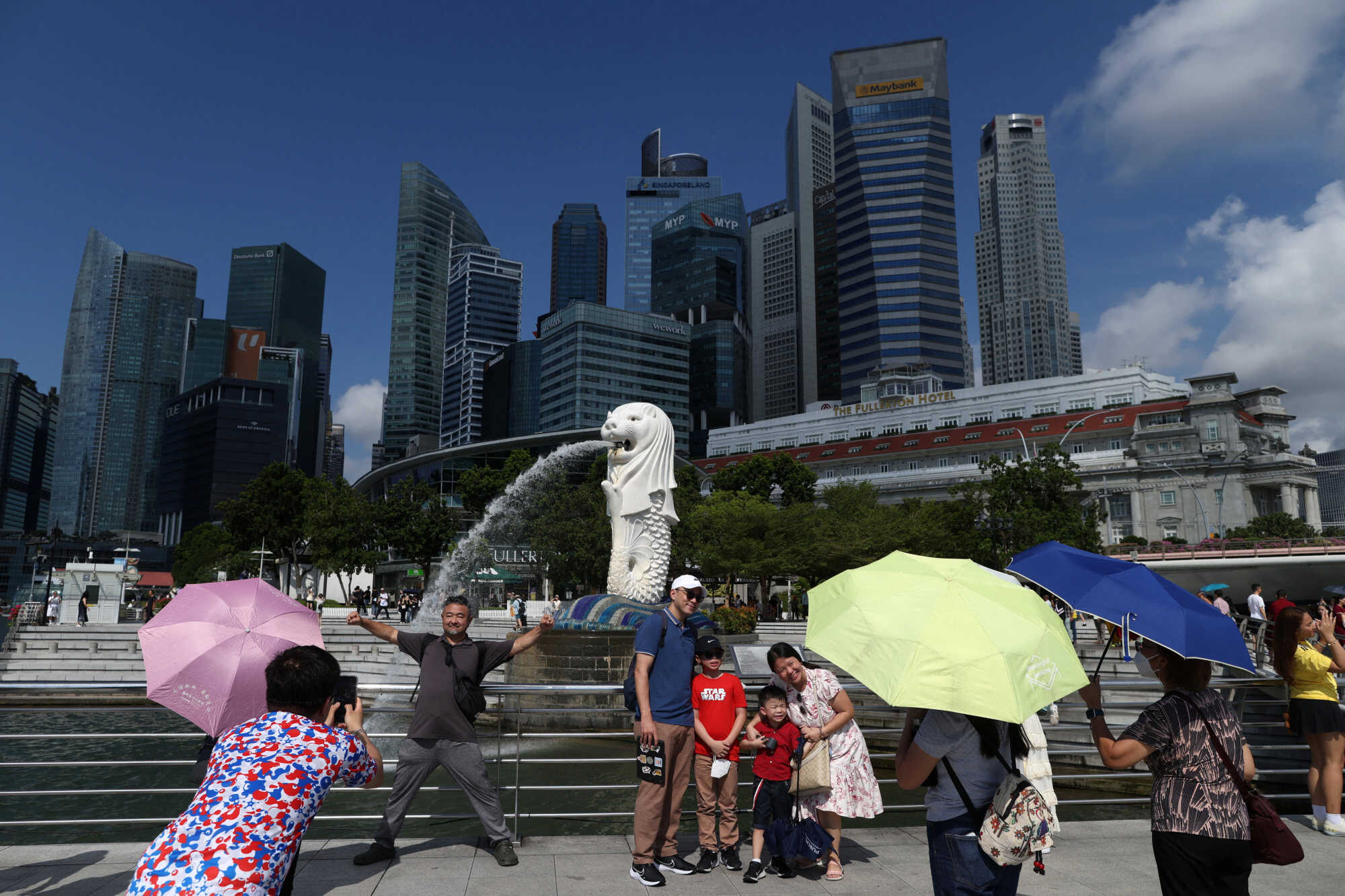
Universities in Singapore are eager to capitalise on the growing interest among Chinese students. Several programmes now feature Mandarin versions of their websites, complete with WeChat contacts for live support in the application process.
And institutions are even beginning to offer programmes taught entirely in Mandarin. NUS and NTU offer executive Master of Business Administration degrees in Mandarin.
The launch by SUSS of its first Mandarin-medium postgraduate programme in management last year was “met with strong interest”, a spokesperson said.
“SUSS has observed a significant increase in applications from international students across various countries within Asean and China,” the university spokesperson said, noting that international undergraduate applications had more than doubled this year compared with the previous academic year, while postgraduate applications rose more than 30 per cent.
The university has since introduced several more Mandarin-taught programmes that will welcome the first intakes this month in areas such as financial technology, intellectual property and data analytics.
