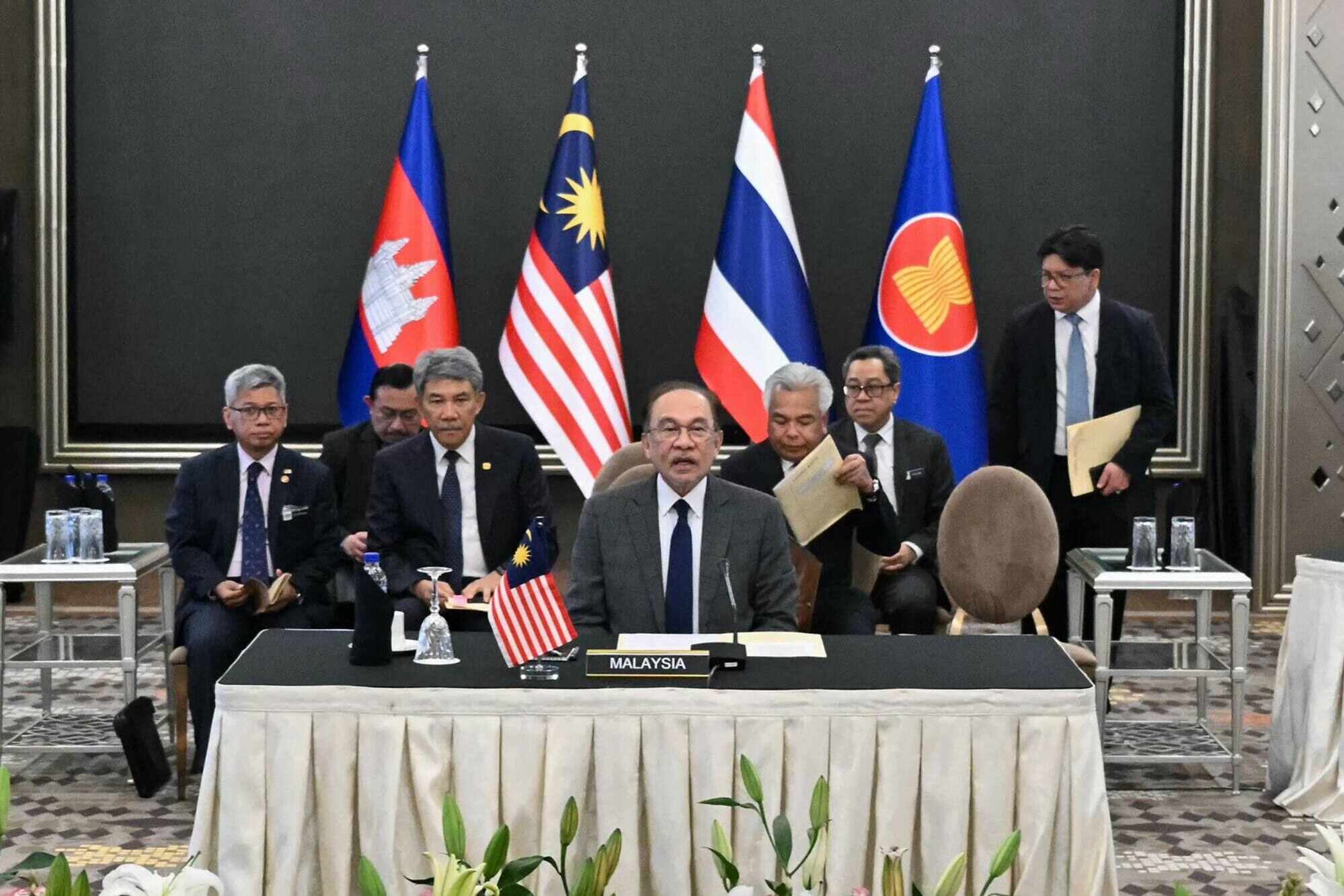
An “immediate” ceasefire between Thailand and Cambodia appeared to be holding on Tuesday. As the deadly border dispute – which has killed at least 35 people, mainly civilians – between Thailand and Cambodia entered its fifth day on Monday, both nations’ leaders set out for Malaysia to discuss a potential truce.
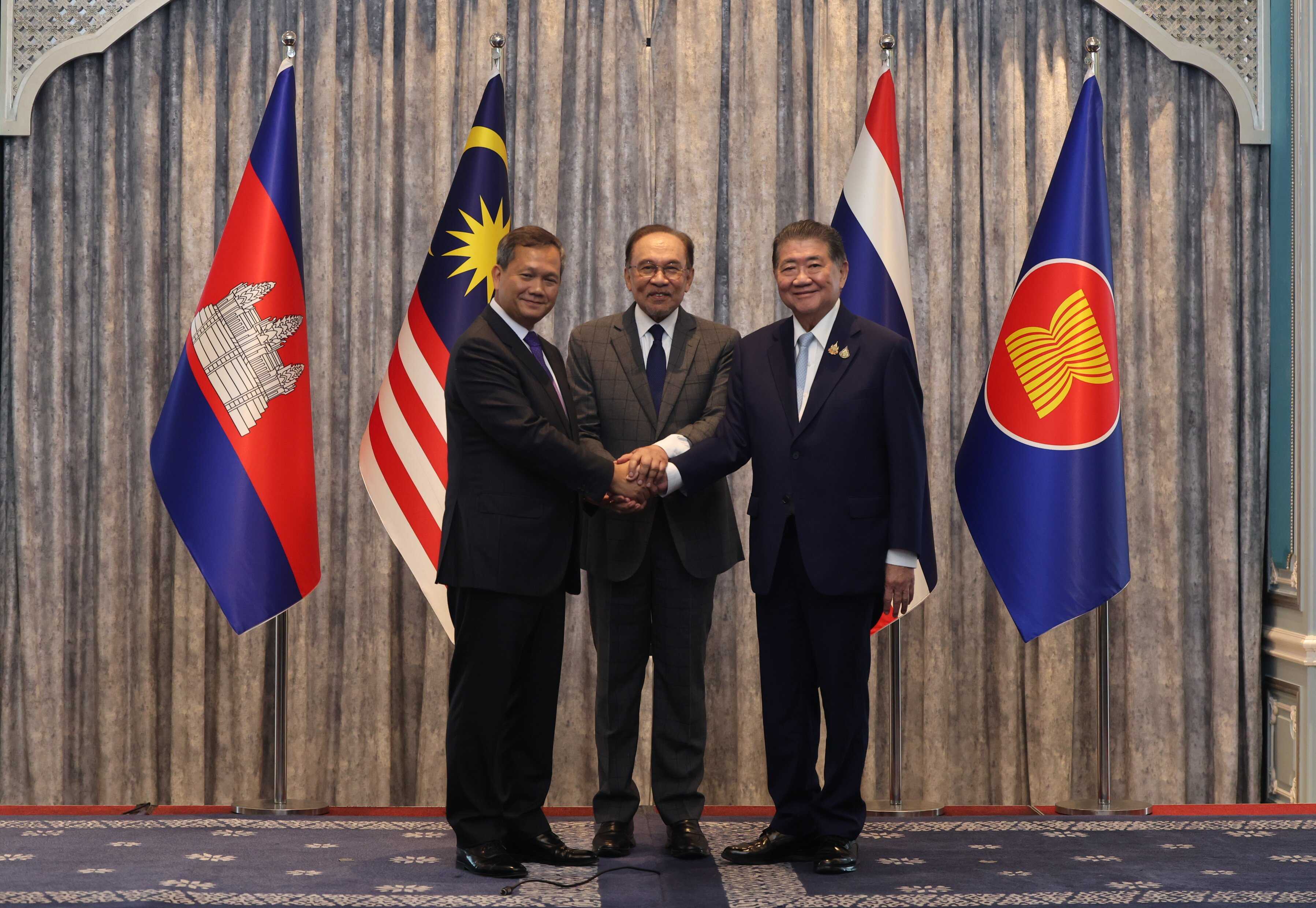
Monday’s meeting was hosted by Malaysian Prime Minister Anwar Ibrahim, who is also the chair of the Association of Southeast Asian Nations (Asean), the regional bloc to which both Thailand and Cambodia belong.
Pressure for a ceasefire had mounted from both China and the United States, which had threatened to halt any tariff deals until the fighting ends.
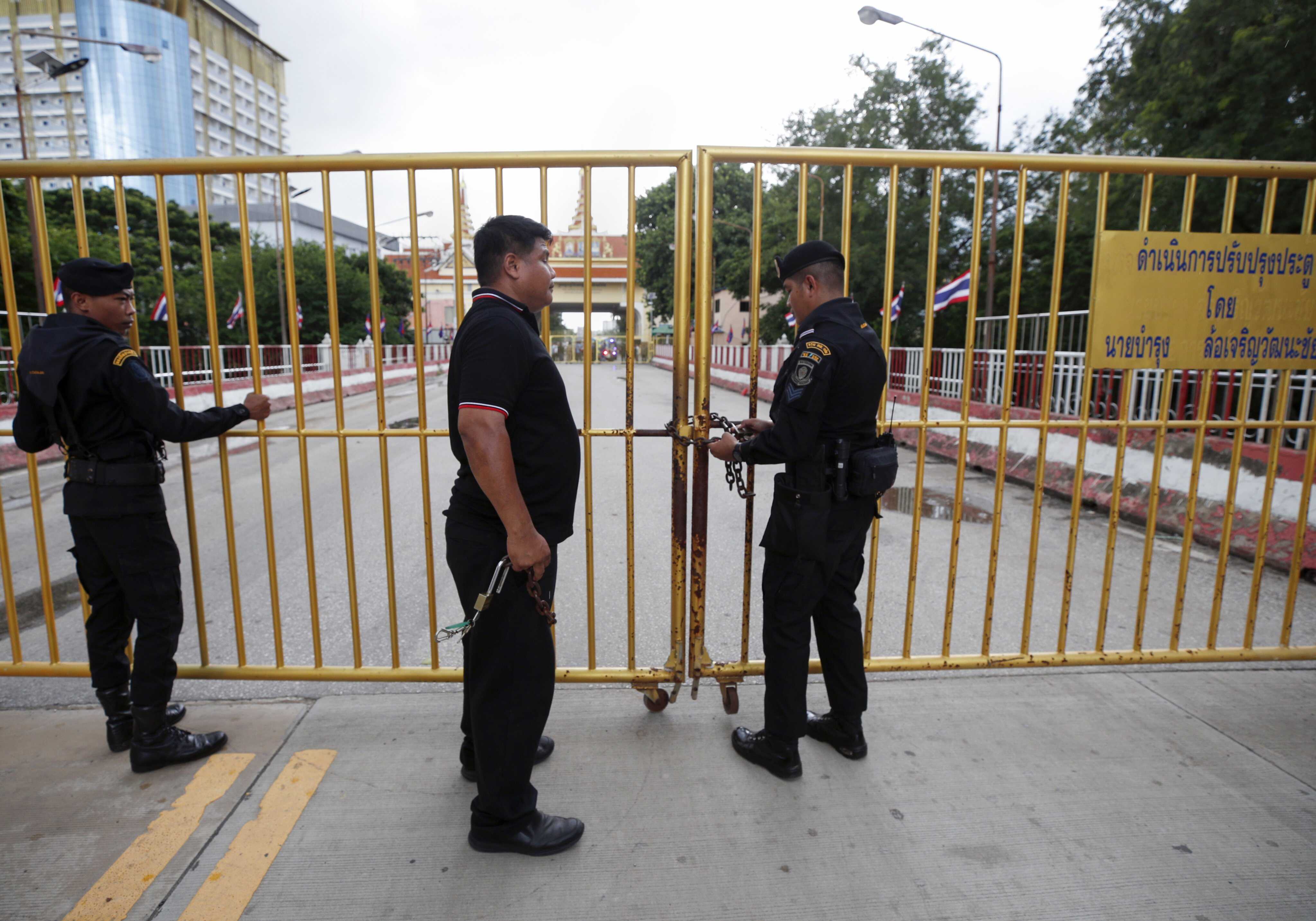
A long-simmering territorial dispute boiled over into open conflict along the nations’ shared frontier on Thursday.
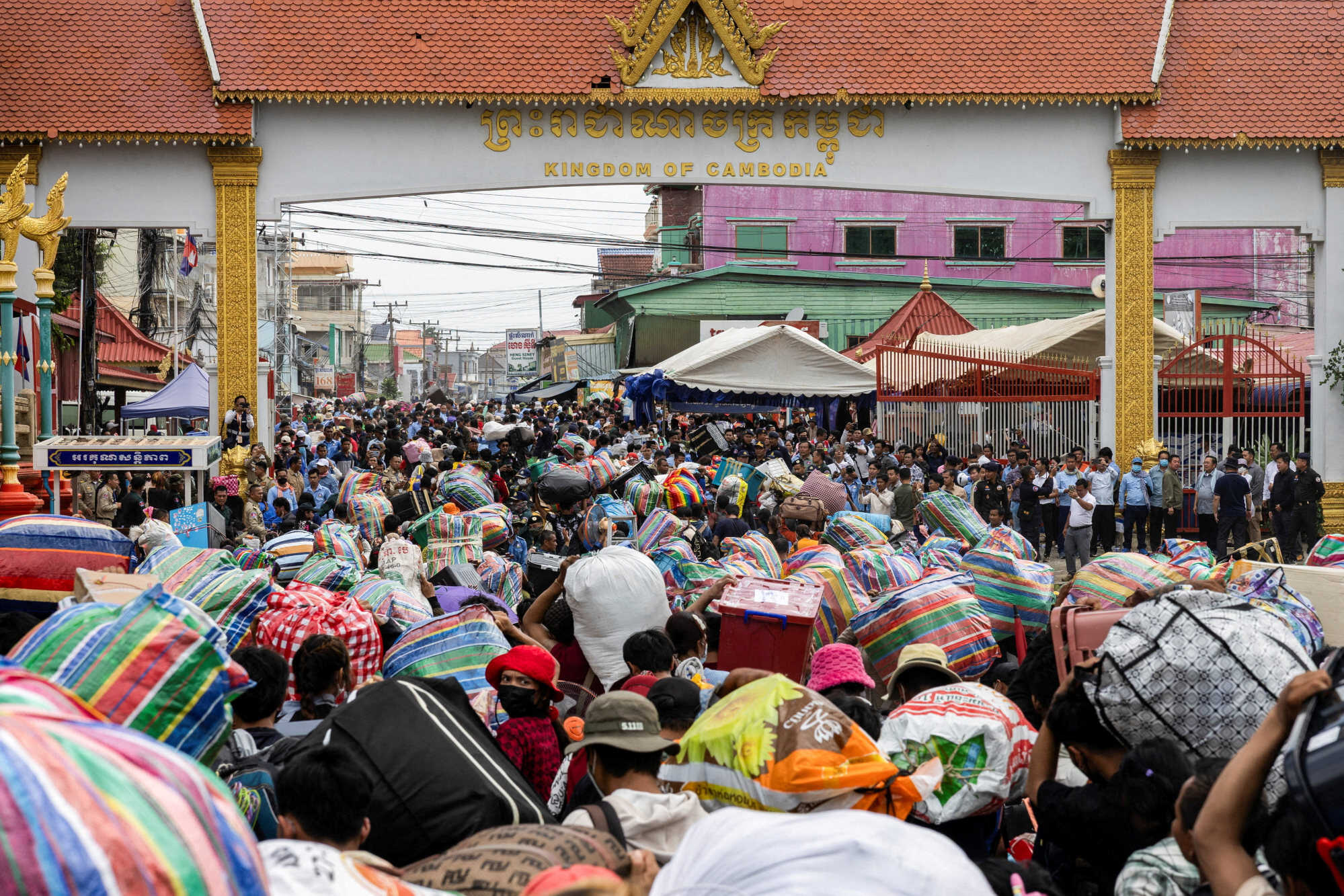
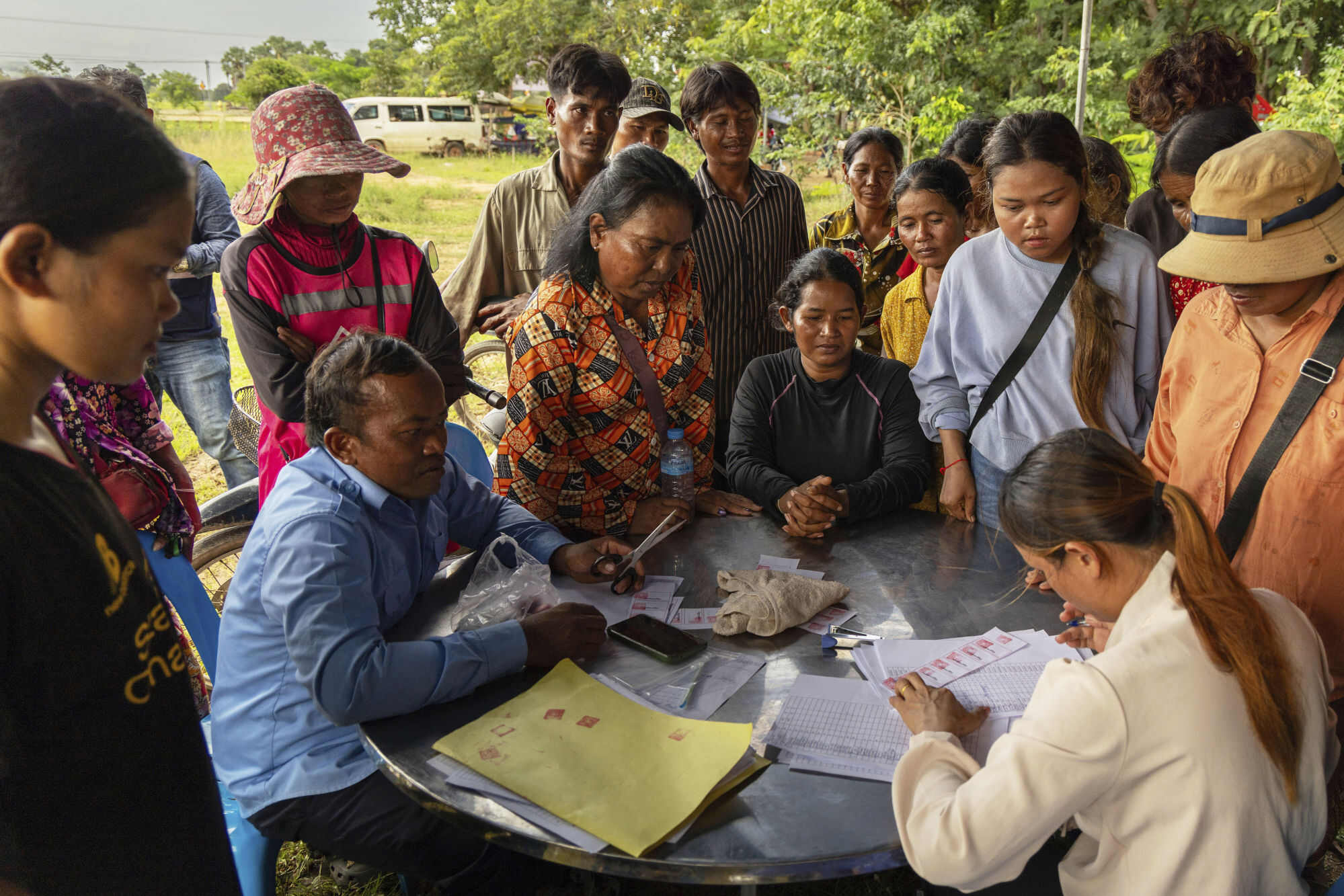
More than 200,000 people in both countries have been forced to leave their homes by the relentless gunfights, artillery barrages and Thai air strikes, while tens of thousands of Cambodian migrant labourers have fled Thailand, fearing reprisals as nationalist sentiment intensifies on both sides.
Fresh clashes were reported on Monday, even as Thailand’s acting prime minister, Phumtham Wechayachai, prepared to meet Cambodia’s leader, Hun Manet, in Kuala Lumpur.
The talks came amid diplomatic intervention from US President Donald Trump, who warned on Saturday that tariff negotiations would not continue “with either country if they are fighting”.
Both Thailand and Cambodia blamed each other for starting the violence, which had spread rapidly from forested front lines near ancient temple ruins to wide-ranging cross-border attacks that have struck civilian areas.
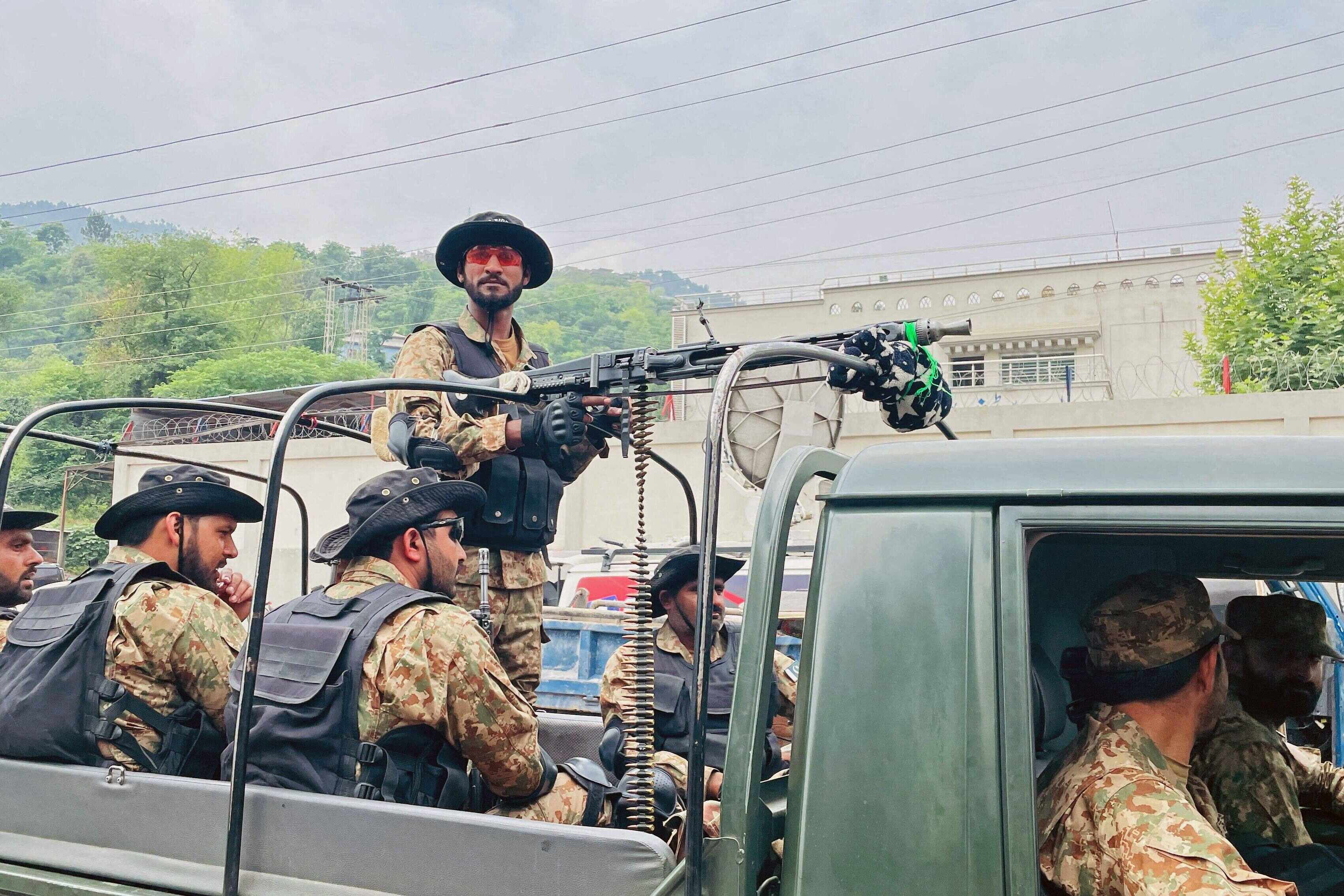
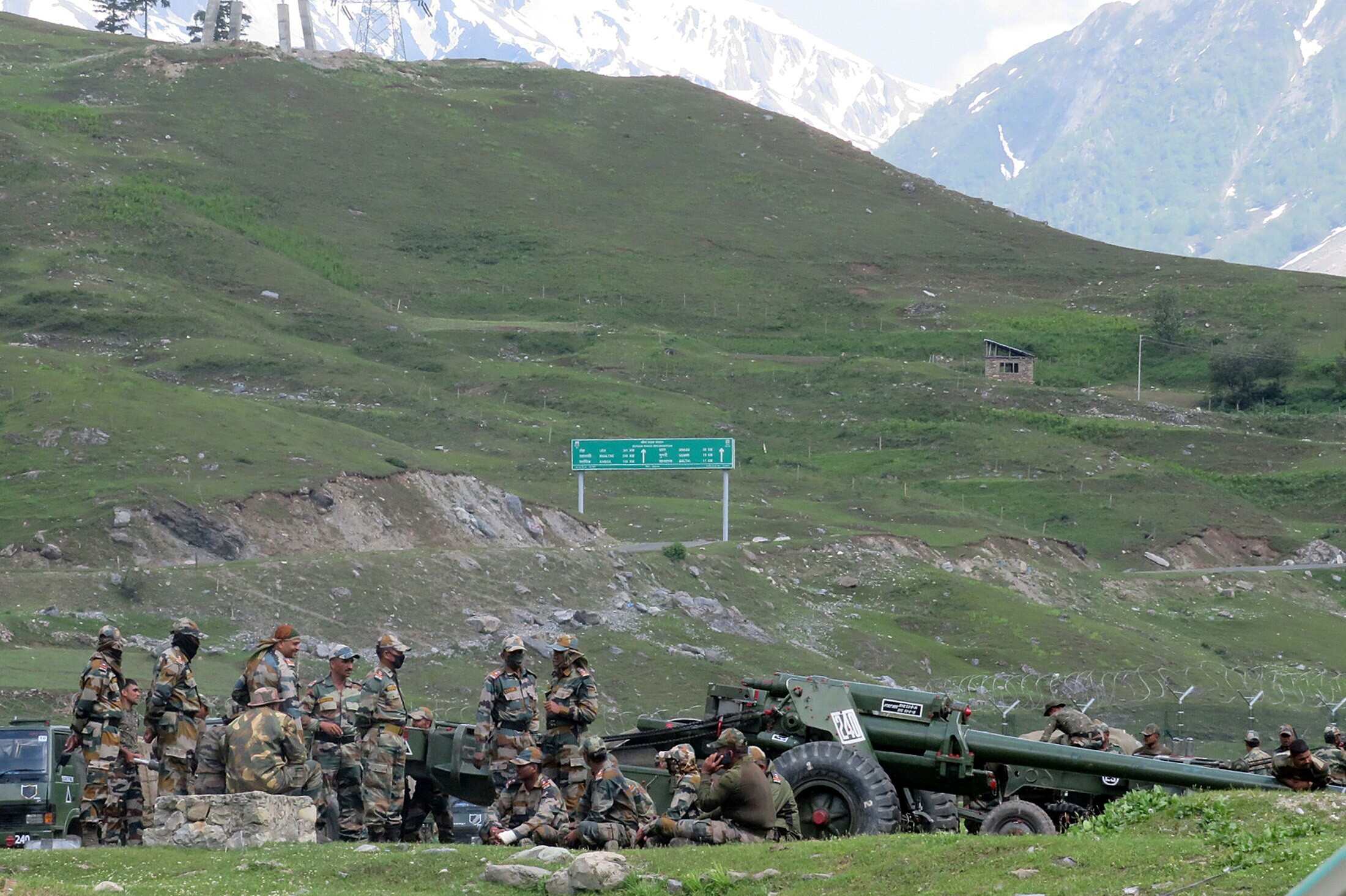
Cambodian forces fired salvoes of Russian-made rockets into Thailand, killing civilians in their homes and at a petrol station, even striking hospitals. Thai artillery had shelled Cambodian villages, meanwhile, while Bangkok’s F-16 fighter jets had pounded Cambodian military targets.
A previous bout of border clashes between the two countries lasted from 2008 to 2011.
The roots of the conflict run deep, tracing back to disputed French colonial-era maps, which Thailand refuses to recognise as accurate.
The rivalry is also fuelled by competing cultural claims, rising nationalism and a recent fallout between Thailand’s powerful Shinawatra family and the clan of Cambodia’s former leader, Hun Sen, whose son now serves as prime minister.
Thailand had accused Hun Sen of stoking border tensions in retaliation for Bangkok’s crackdown on Cambodian-linked gambling and scam operations, which generate billions annually under Phnom Penh’s watch.
Cambodia dismisses these allegations as a distraction from the Shinawatra family’s domestic woes. Thailand’s coalition government has struggled with waning support and criticism for its perceived closeness to Hun Sen and his family.
Paetongtarn Shinawatra, the latest in the family to lead Thailand, is currently suspended as prime minister pending a court ruling over an alleged ethical breach following a leaked call with Hun Sen.
Additional reporting by Agence France-Presse, Reuters