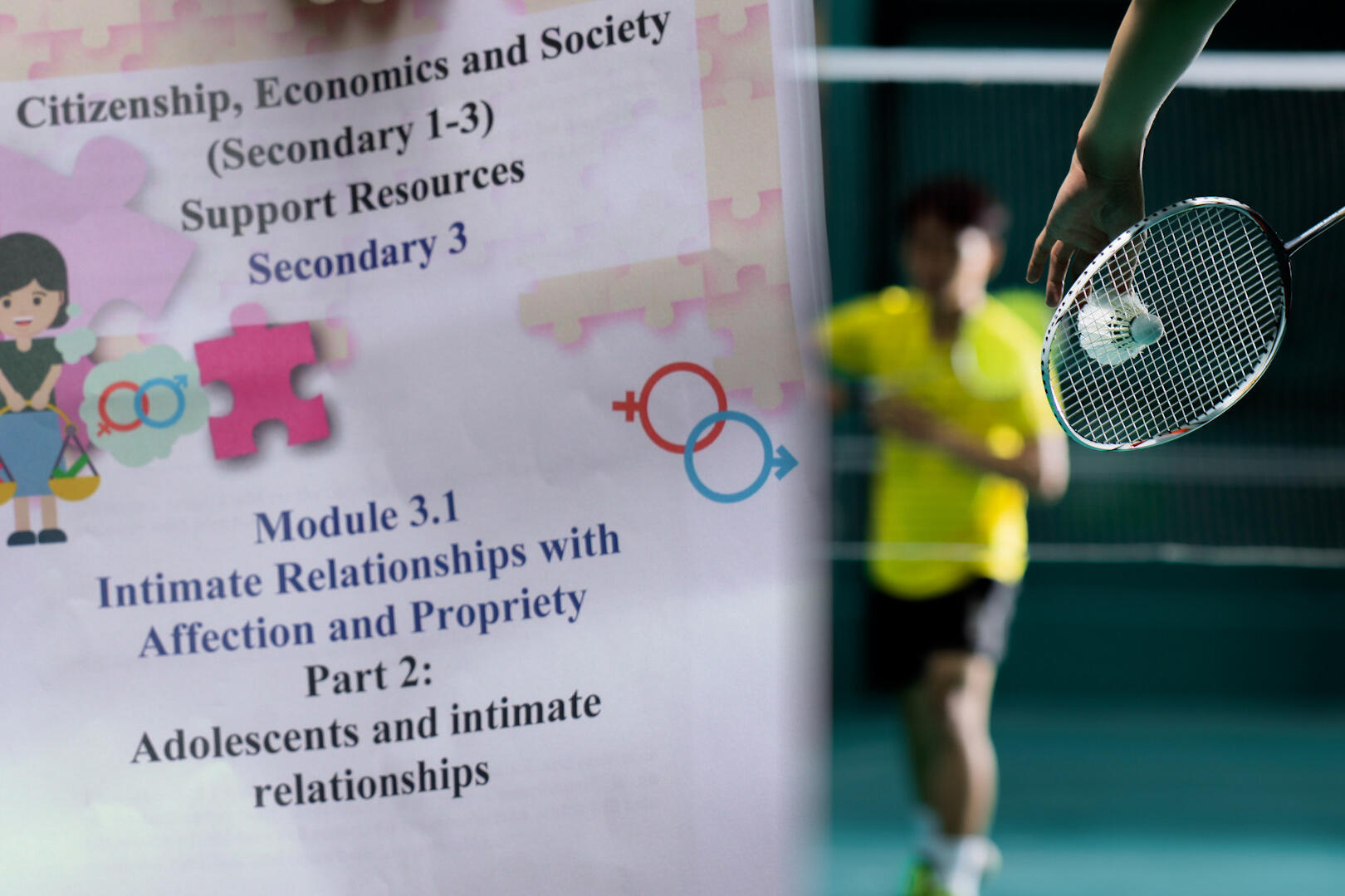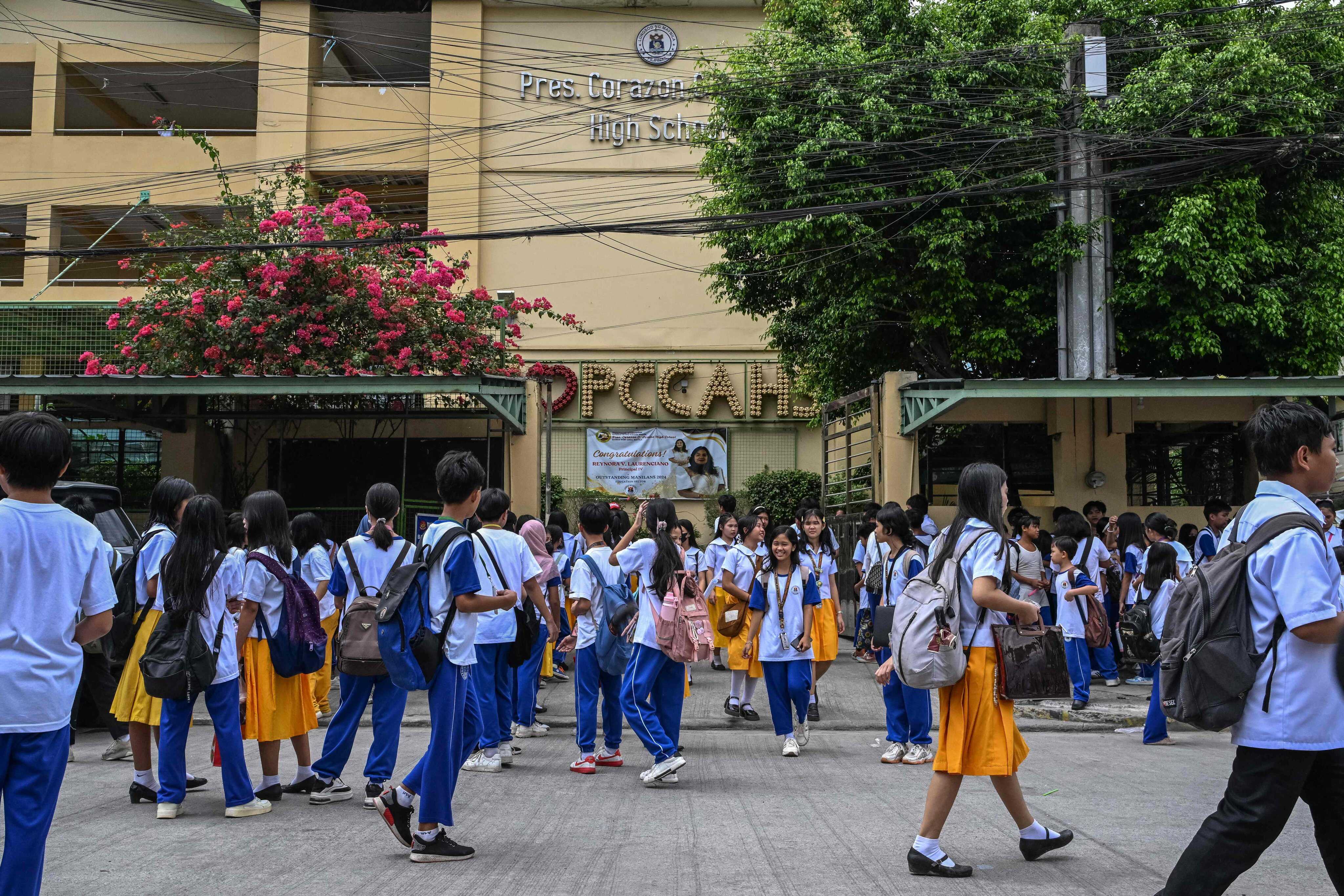
Almost three in four Filipinos believe schools should teach children about sex and reproductive health, a new survey has shown – marking a shift in public sentiment. Advocates say it shows the urgency of combating disinformation and religious resistance as teen pregnancies and HIV cases surge in the Philippines.
In the nationwide survey conducted in March, 73 per cent of respondents agreed it was important to teach “concepts of sexuality, sexual health and family planning in schools in an age-appropriate and culturally sensitive manner to help students make responsible and informed choices”. Just 13 per cent disagreed, and 14 per cent were undecided.
The results, released last week, suggest a growing openness among Filipinos to comprehensive sexuality education, despite persistent opposition from religious groups and conservative lawmakers in the Catholic-majority nation.
Commissioned by the Philippine Legislators’ Committee on Population and Development (PLCPD) and conducted by Pulse Asia, the survey comes amid rising concern over teen pregnancies and sexually transmitted infections.
Data from the Philippine Statistics Authority shows that births among girls aged 10 to 14 rose from 2,411 in 2019 to 3,343 last year. Of these, only 22 babies were fathered by boys of the same age, with the rest – more than 99 per cent – attributed to older men.
HIV cases in the Philippines have also skyrocketed by 550 per cent from 4,400 in 2010 to 29,600 in 2024, with 252,800 Filipinos estimated to be living with HIV in 2025, according to the World Health Organization.
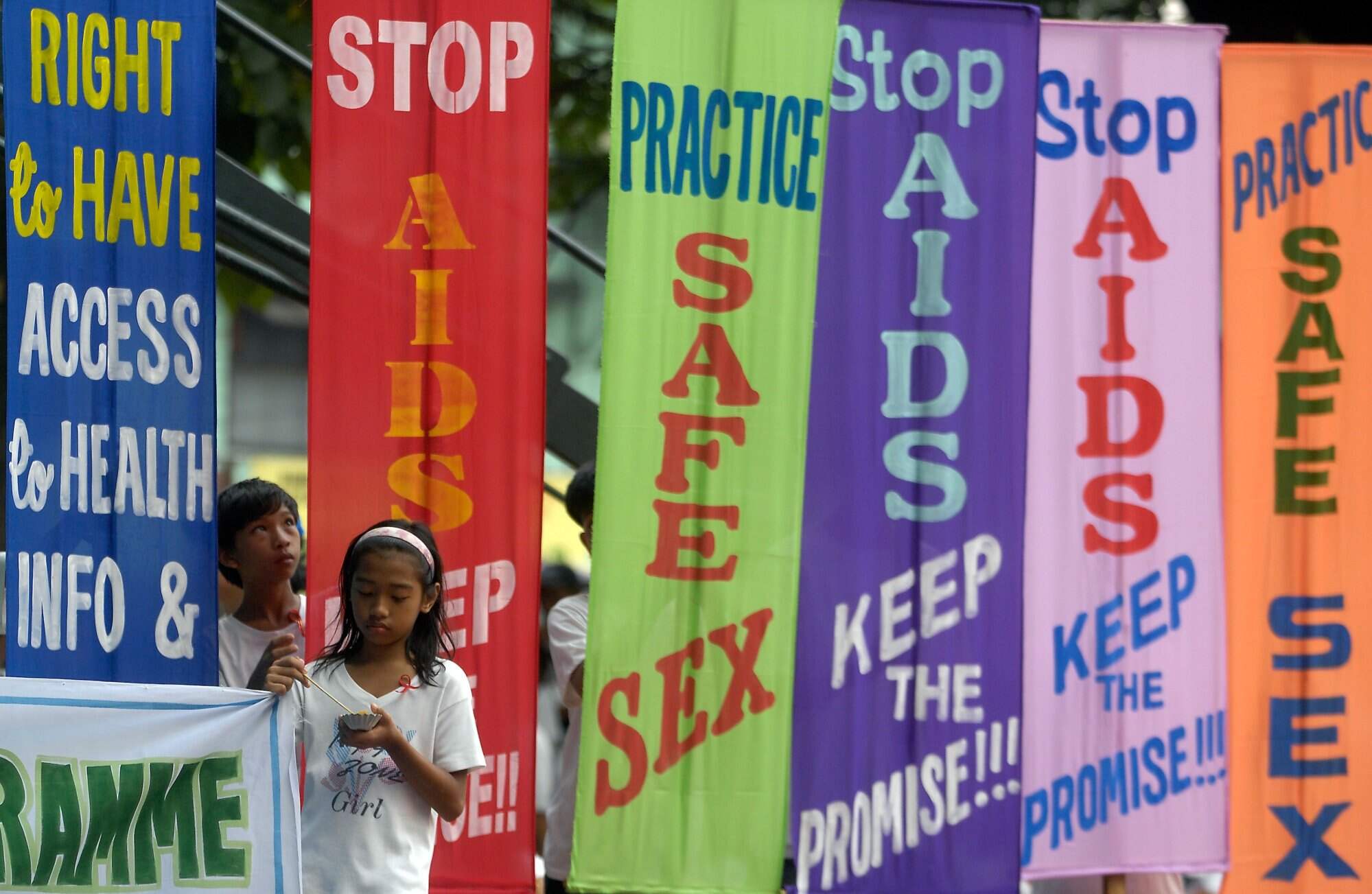
“We should not underestimate the importance Filipinos place on children receiving accurate information to help protect themselves from abuse, unwanted and early pregnancies, and sexually transmitted infections such as HIV,” PLCPD executive director Au Quilala said in a statement.
It was better for children to learn about sex and reproductive health at home and in school, where they could receive proper guidance instead of unfiltered information from social media, she added.
Junice Melgar, director of the women’s health non-governmental organisation Likhaan Centre for Women’s Health, said that social media had dramatically changed Filipinos’ outlook on sex and teenage pregnancy, which has led to a demand for “authoritative” sex education by schools and health professionals.
A 2021 study by the University of the Philippines Population Institute found that 44 per cent of young Filipino girls and 39 per cent of boys lacked material resources about sex and often relied on social media for information.
“Sexuality education is best taught at home, and parents should take primary responsibility for this. But we cannot deny the reality that many Filipino parents also need support on how to openly and properly talk to their children about sex,” Quilala told South China Morning Post’s This Week in Asia.
“These conversations are often avoided, or the information shared is incomplete, which prevents children from getting the real help they need. This is why we see cases of teen pregnancy, HIV and sexual abuse or statutory rape.”
The survey showed that “a decisive majority of Filipinos support teaching concepts of sexuality, sexual health and family planning in schools”, and it was a misnomer to say that “there was no support for sex education in the past”, she added.
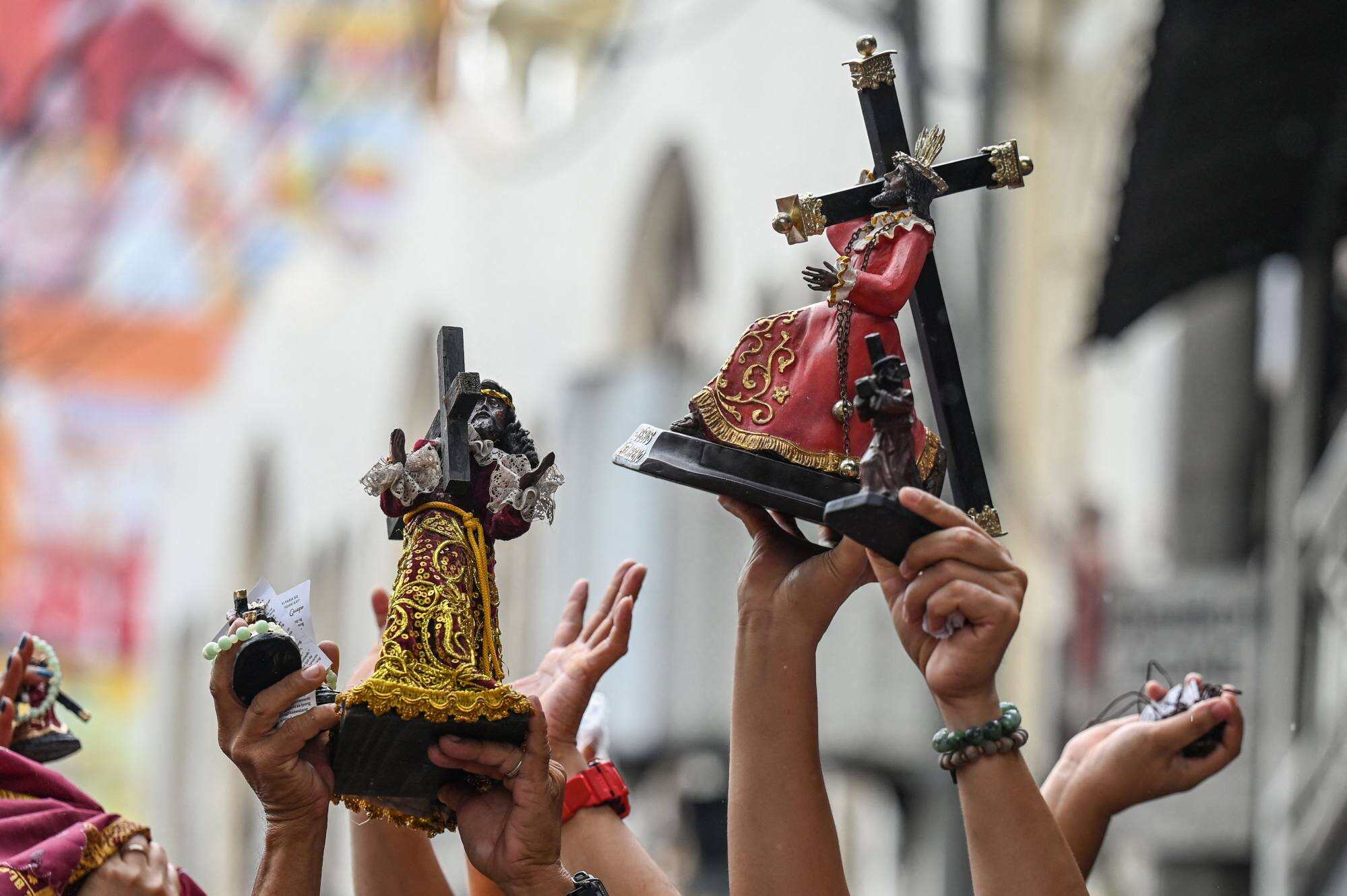
The Philippines’ reproductive health law, passed in 2012, mandates the inclusion of comprehensive sex education in the country’s basic education curriculum. However, the controversial law has continued to face pressure from conservative voices such as religious groups and lawmakers.
In 2015, the Supreme Court issued a temporary restraining order against contraceptive pills and implants, which it eventually lifted in 2017 following criticisms by health groups and women’s rights advocates.
The constant pushback has also led to shaky implementation in schools, as teachers face a lack of institutional support, on top of disinformation about sex education and a proposed adolescent pregnancy prevention bill.
“One of the most significant pushbacks recently has been the opposition to the teen pregnancy prevention bill and the [sex education] curriculum,” Quilala told This Week in Asia.
“Certain groups spread disinformation – echoed by some legislators,” she said. “This is about protecting children and young people and giving them the knowledge to make informed and responsible choices about their bodies and relationships through age-appropriate lessons.”
Opposition to the teen pregnancy bill, which resulted in it languishing in the Senate earlier this year, “disregarded years of advocacy efforts and the fact that advocates themselves are parents who care deeply about their families and the protection of children, and come from various faiths”, Quilala said.
“It is also important to amplify the voices of the community – especially from marginalised families – and work with groups, including faith-based organisations, that genuinely want to help, rather than undermine efforts to push an agenda, even in the face of overwhelming evidence,” Quilala said.