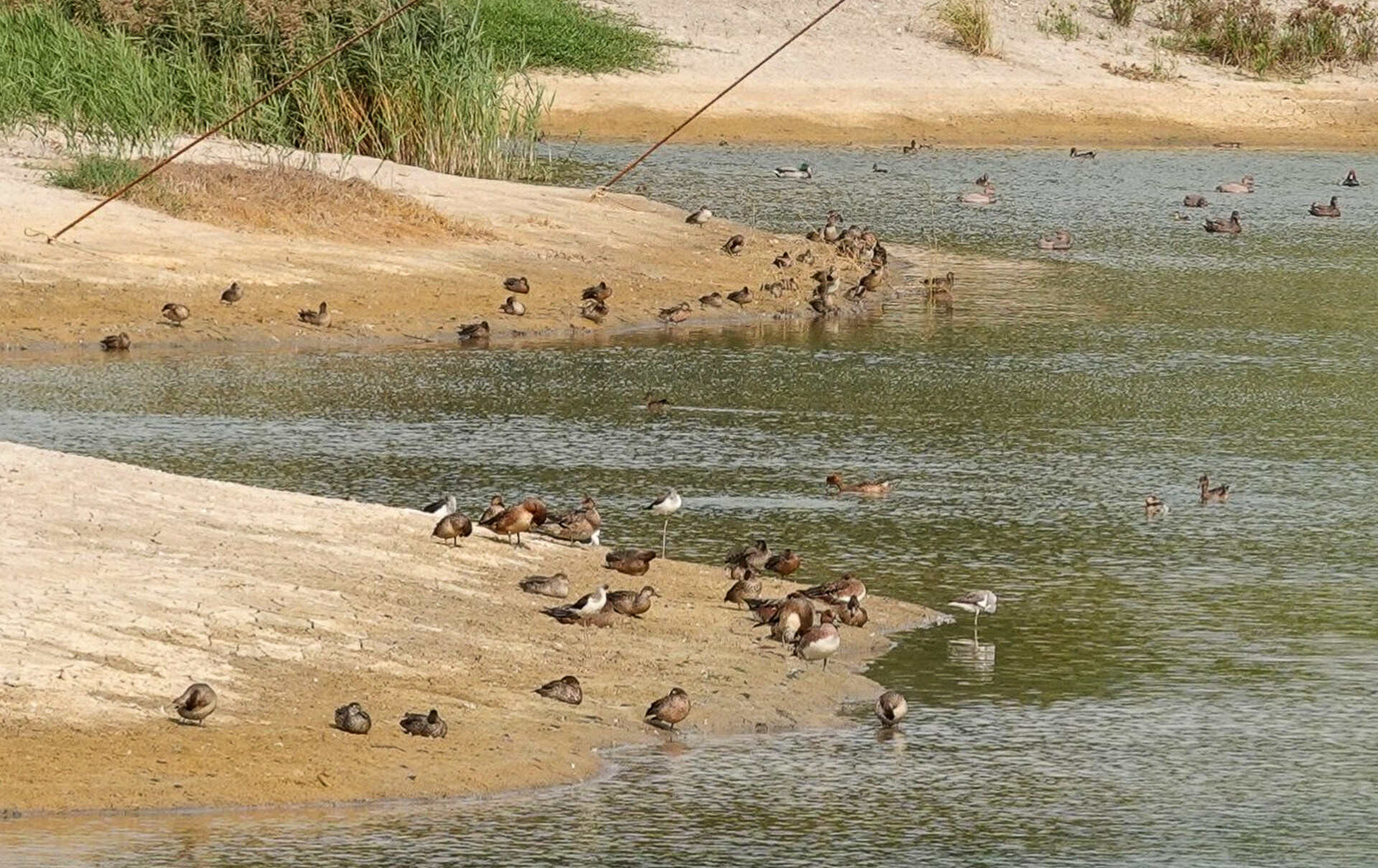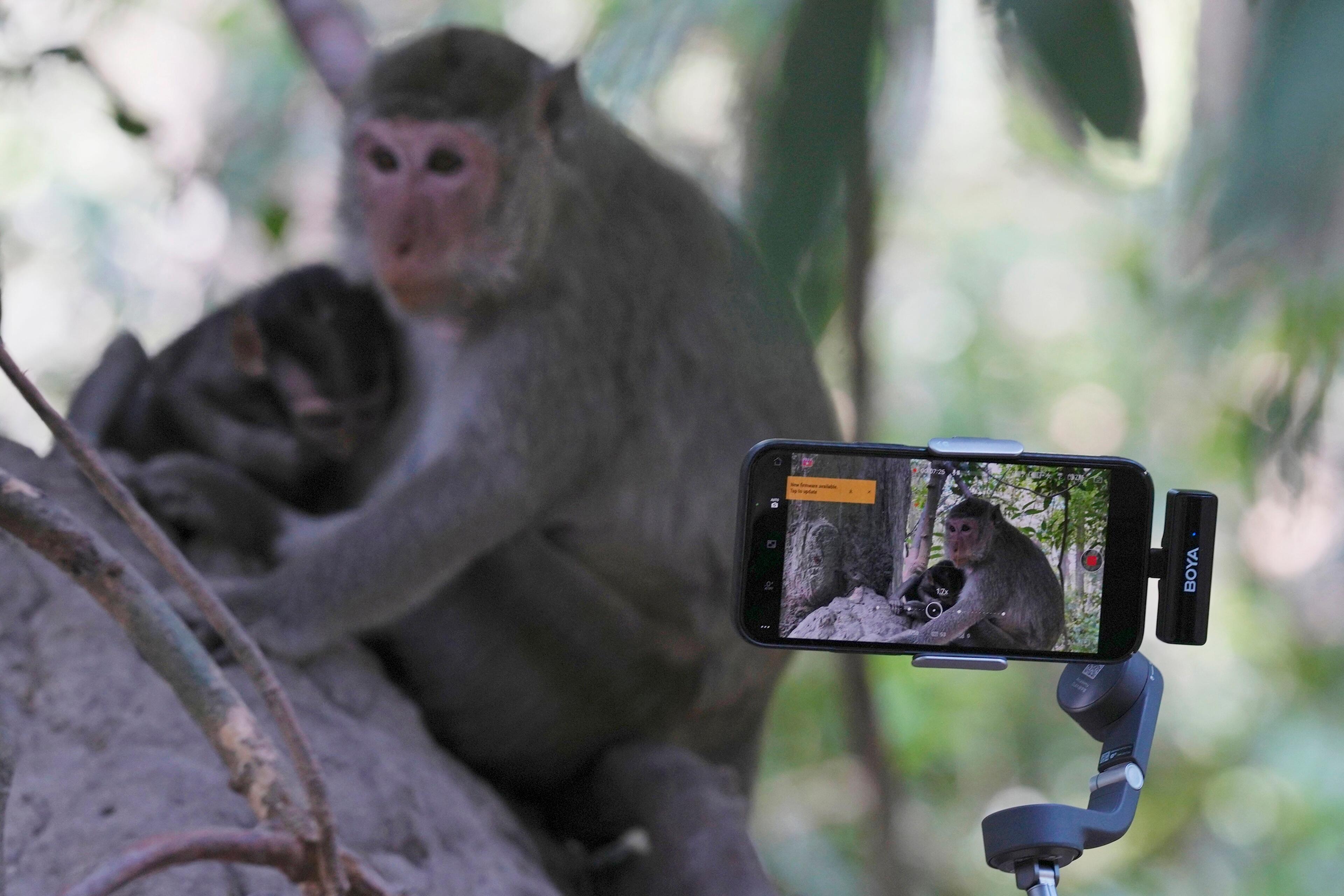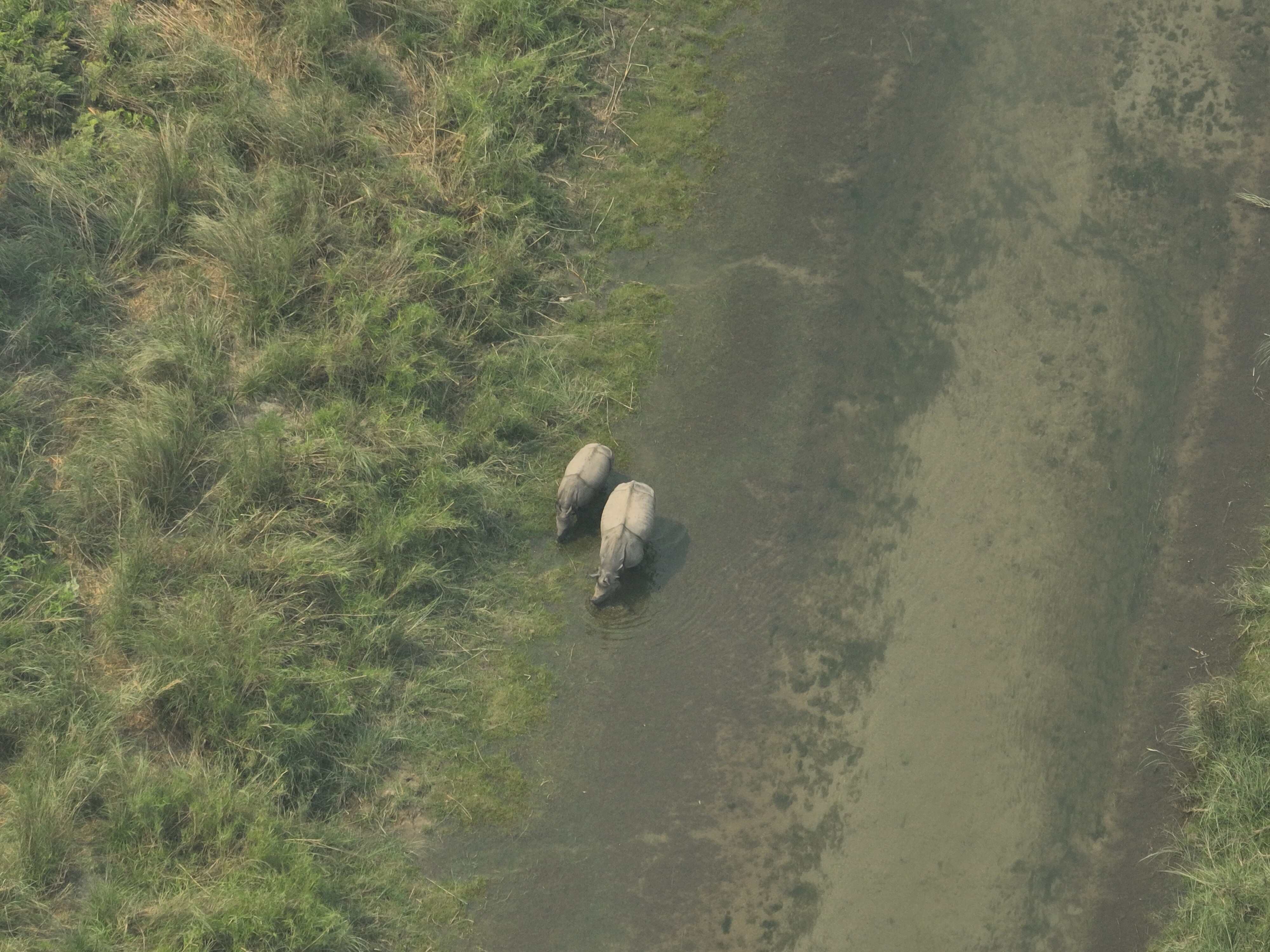
Nepal’s national parks have eyes in the sky watching over their precious wildlife. Conservationists are deploying drones in protected areas to monitor animals, track illegal activities, conduct censuses and help minimise human-wildlife conflicts.
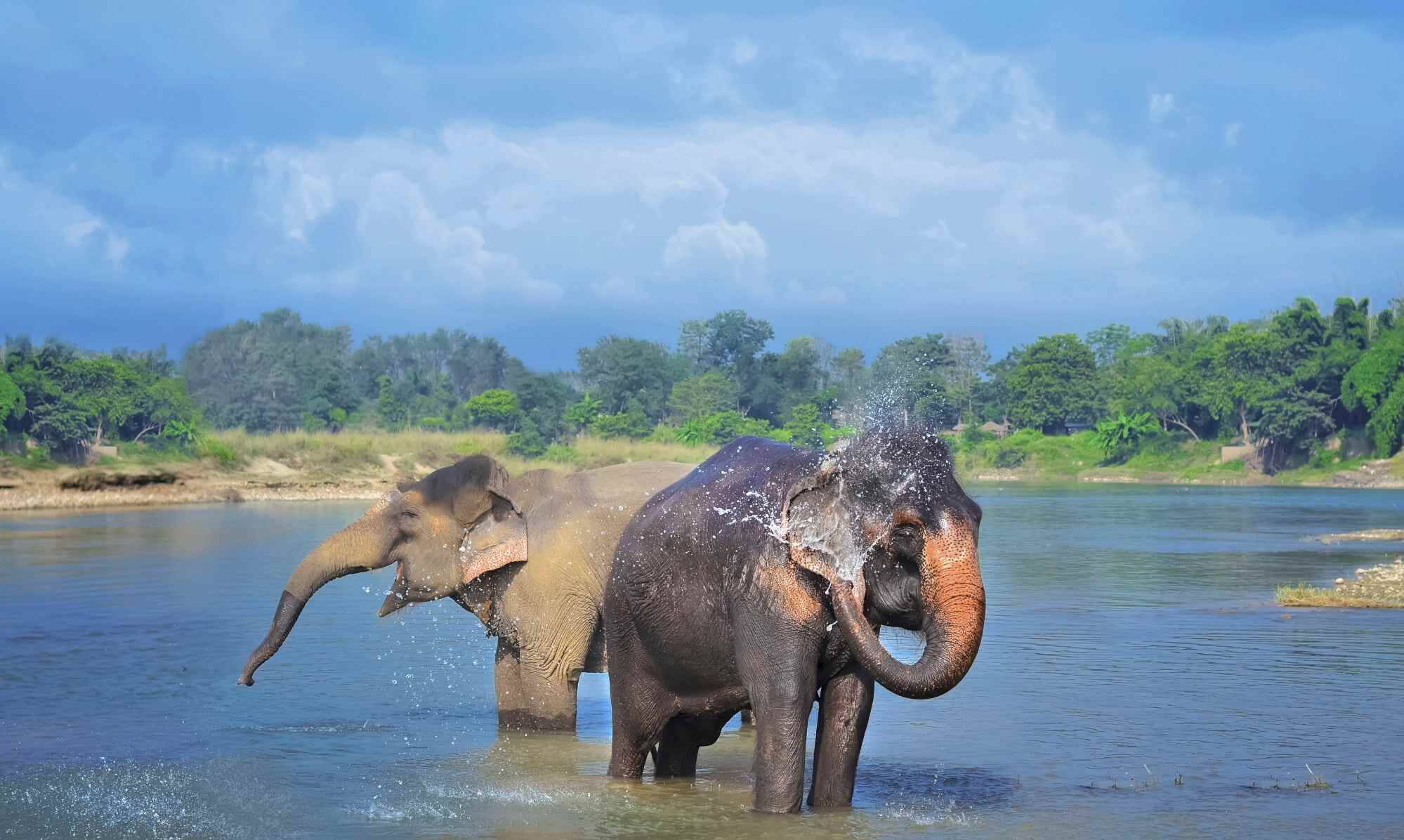
The technology is primarily being used in and around the Chitwan and Bardia national parks – home to tigers, rhinos and elephants in the country’s southern lowlands.
Gokarna Jung Thapa, head of geoinformatics and technology at WWF Nepal, said drones have emerged as a crucial conservation tool – from helping in researching and detecting new species to serving as an efficient alternative to traditional patrols on foot, by bicycle, motorboat, and even by elephant.
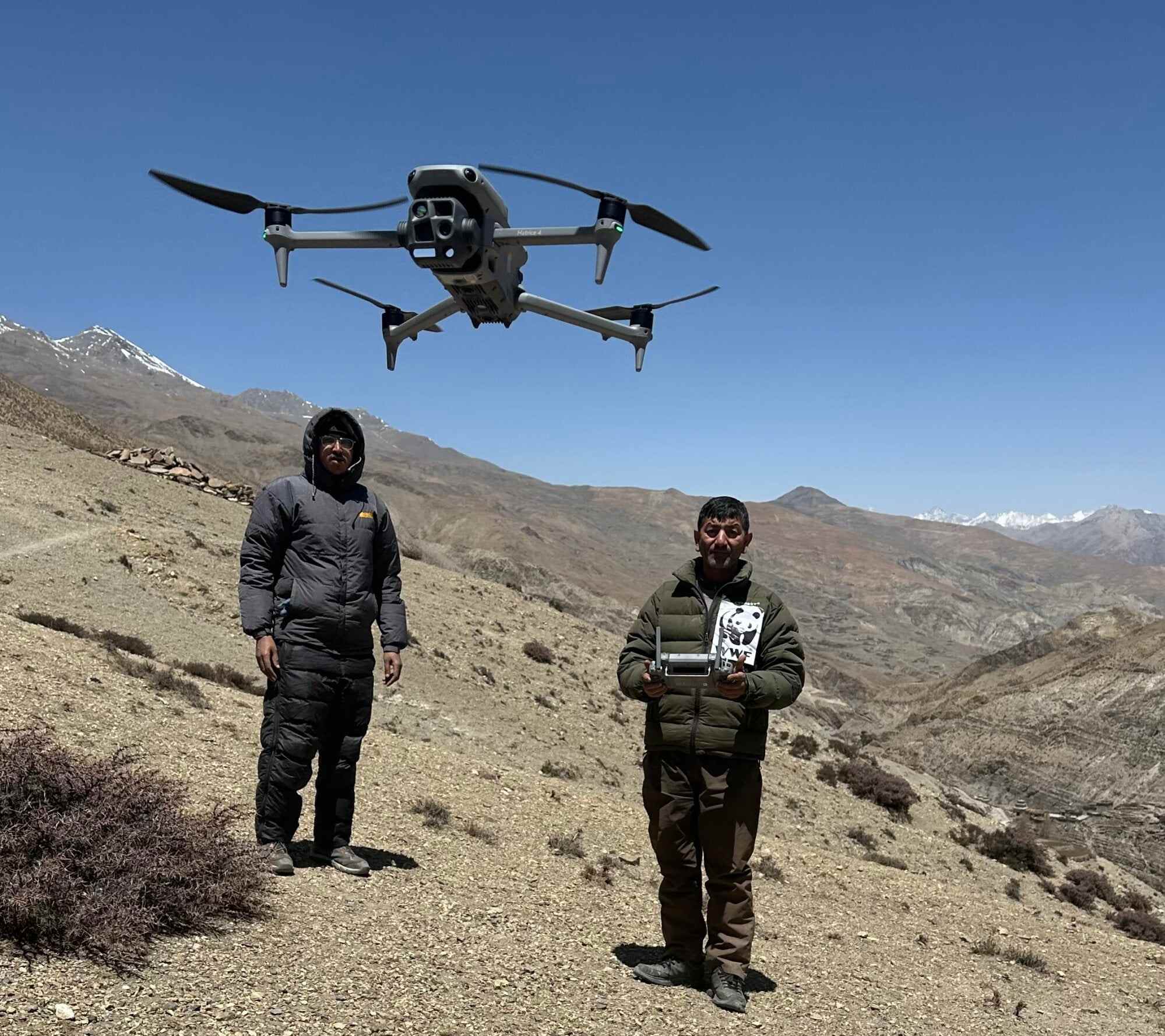
“Drones provide greater aerial coverage and save time,” he told South China Morning Post’s This Week in Asia.
“They help to combat poaching and respond to suspicious activities in real time while also documenting photographic evidence for law enforcement purposes.”
Nepal first tested conservation drones in 2012 using a two-metre-wide device with a plane-like wingspan, equipped with a camera and Global Positioning System, in Chitwan to monitor tigers and rhinos, and illicit activities.
The country has recently acquired more sophisticated drones – including those with thermal cameras and vertical take-off and landing features – with high-resolution cameras, geo-tagging, extended flight times of up to an hour or more, and capable of capturing aerial views of up to 30km (18.6 miles).
Protecting animals and people
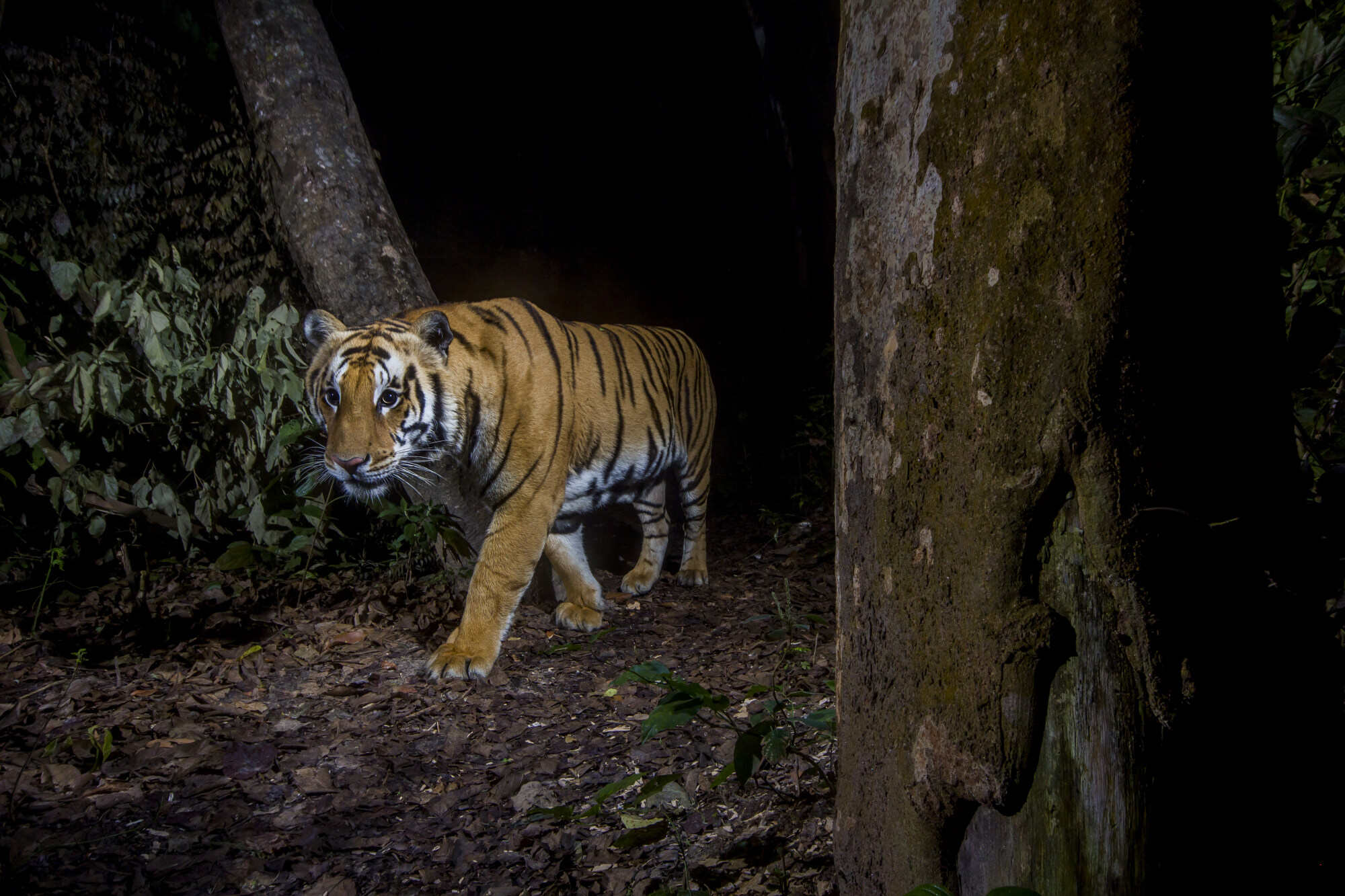
Experts say implementing new technologies can help sustain Nepal’s hard-won conservation gains. Between 2010 and 2022, the country’s endangered tiger population almost tripled to 355, and the number of vulnerable one-horned rhinos rose to 752 in 2021 from 645 in 2015.
However, the jump in animal population, along with habitat loss and human encroachment in protected areas, has contributed to an increase in human-wildlife encounters.
In the past five years, some 200 people have been killed in various conflicts with animals, with over 10,000 incidents of damage caused by wildlife last year alone, according to official data.
In Bardia, local youths volunteering in the community-based anti-poaching units have been gradually using drones, mostly to minimise the threats of animals entering human settlements.
Manju Mahatara, a wildlife tour guide, drone pilot and member of the anti-poaching unit, said volunteers could detect “problematic animals” using drones from afar without disrupting them, making nearby communities aware of potential dangers.

The volunteers also share the information with national park authorities, enabling them to track the movement of these animals.
In 2023, Mahatara’s unit in Bardia used drones to drive away wild elephants that had entered a human settlement. She said the noise from drones, which sounded like buzzing bees, had deterred the elephants from encroachment. Studies have shown that the sounds of bees can help farmers in preventing elephants from destroying their crops.
“Before, when there were animal attacks, we had to go patrol on foot, in a jeep or on an elephant, but now we can scout the place using a drone,” Mahatara said. “If we know the exact location, we can analyse the safety risks and mobilise people effectively.”
However, Mahatara said only a handful of self-taught volunteers could operate drones, as Nepal lacked formal training and certification programmes, apart from the annual sessions provided by WWF Nepal to park officials and army personnel.
Acquiring permits was also a tedious and expensive process, even for those working in the conservation sector, she added.
Surveying the animal population
Drones have also emerged as a groundbreaking tool for compiling animal censuses in Nepal.
In 2016, Thapa and his team deployed drones for the first time to count the critically endangered gharials in the 46km (28.5-mile) stretch of the Babai River in Bardia National Park, a task previously accomplished by enumerators over several days. He added that the drones did not disturb the animals basking on the riverbank, making it easier to count and leading to another census last year using a more advanced drone.
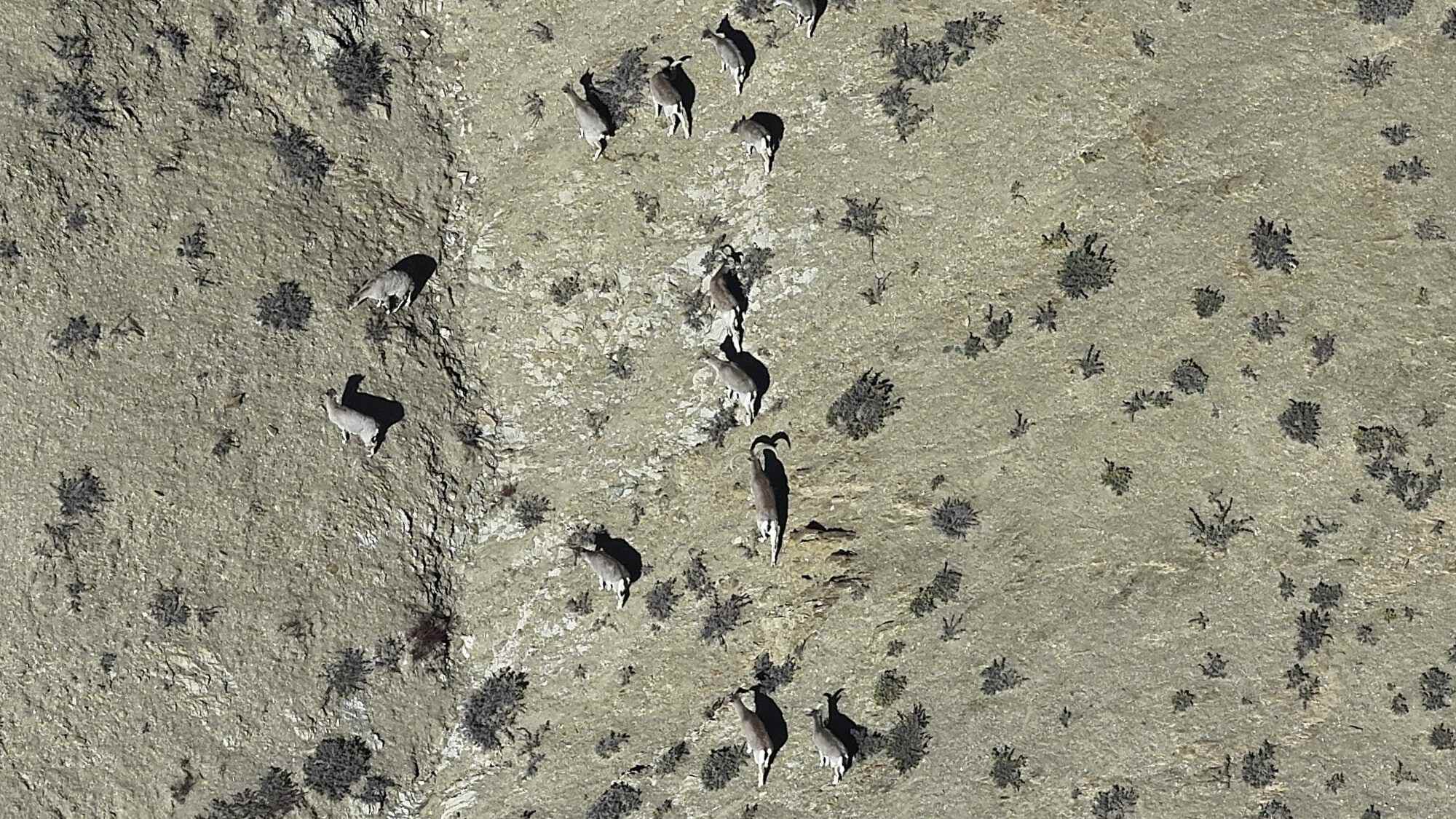
While the technology has been mostly used in Nepal’s plains, conservationists are now gradually shifting its use to mountain areas. Recently, drones were tested as high as 5,500 metres (18,000 feet) above sea level in the Upper Dolpa region to monitor the prey base of snow leopards, particularly blue sheep.
“We also tested thermal cameras there, and the detection was pretty good,” Thapa said.
However, conservationists acknowledge the shortcomings as well. Thapa said tests to count rhinos in Chitwan using drones were met with challenges, as thermal cameras experienced difficulties in hotter weather and detecting animals in dense canopy.
Some conservationists argue that drones are not a replacement for traditional camera traps, which are used for precise animal counts.
Thapa agrees that camera traps are still the best tool to count tigers and leopards that are dispersed. Still, drones can be used to estimate the population size of larger species, such as elephants and rhinos, which have preferred habitats and tend to remain in clusters. Rhinos are traditionally counted by enumerators riding on elephants using GPS devices, and the government has cancelled this year’s census due to a shortage of funds.
“The decision to use drones to count rhinos lies with the Department of National Parks and Wildlife Conservation,” Thapa said. “We have the technology that can clearly detect the species, and we can develop and train artificial intelligence models to count the rhinos in real time. It’s a good time to start.”