





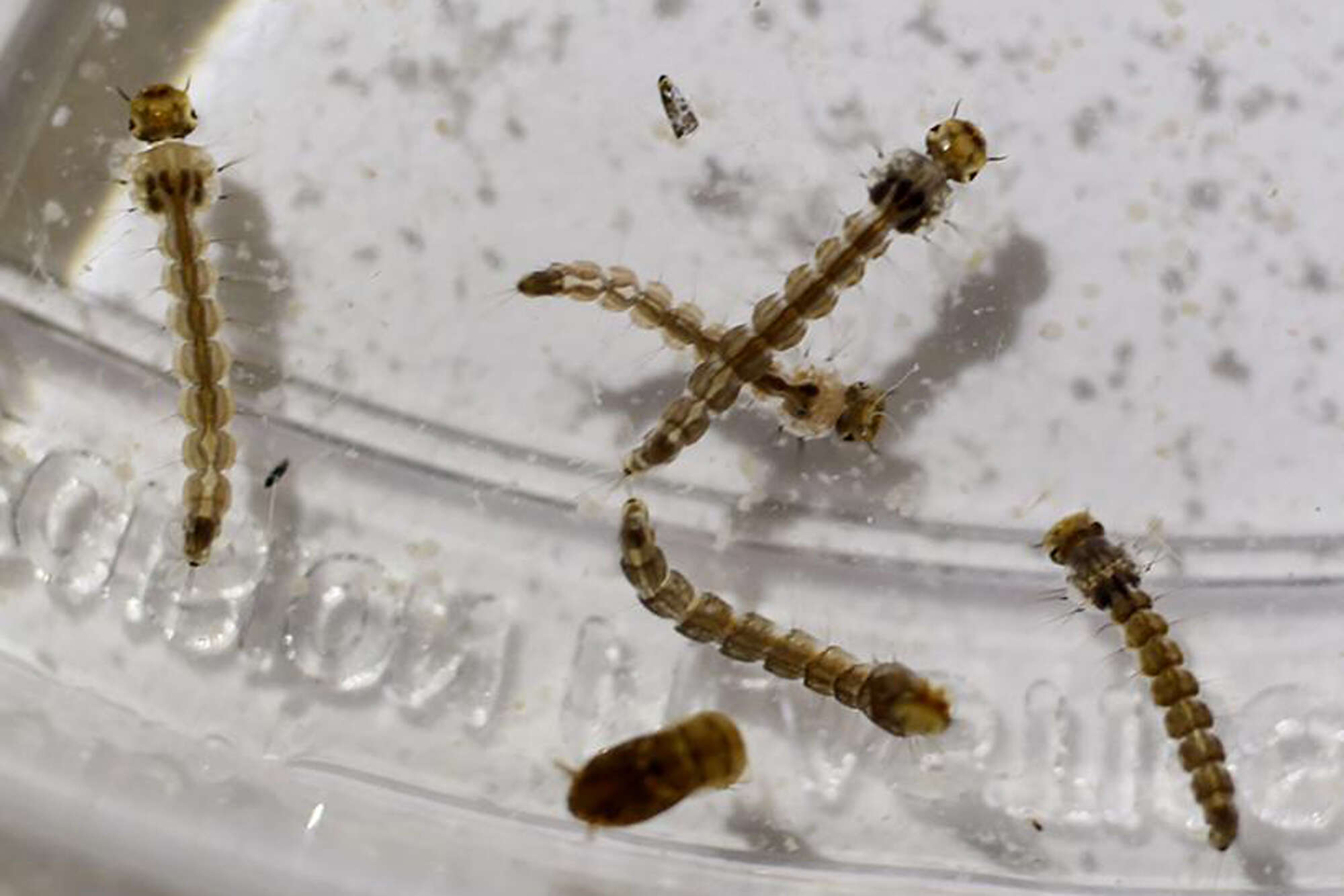
Researchers at the University of Texas Medical Branch in Galveston, Texas, have discovered that female mosquitoes can transmit the Zika virus to their eggs and offspring.
The researchers wanted to see if female mosquitoes could pass the infection to their eggs, so they injected mosquitoes in a laboratory with the Zika virus.The mosquitoes were fed and within a week, they laid eggs. Researchers incubated the eggs and reared the hatched larvae.
Tests on the mosquitoes showed that one in 290 had Zika virus.
With Zika now in HK, here are some facts about the little biters you should know about
“The ratio may sound low, but when you consider the number of Aedes aegypti in a tropical urban community, it is likely high enough to allow some virus to persist,” said study co-author Robert Tesh.
“Spraying affects adults, but it does not usually kill the immature forms – the eggs and larvae,” said Tesh. “Spraying will reduce transmission, but it may not eliminate the virus.”
The World Health Organization has declared Zika an international health emergency because it can cause birth defects, including the brain and skull malformation known as microcephaly.
Zika is primarily transmitted by the Aedes aegypti mosquitoes, and also by sexual contact.
Pregnant women and their partners are urged not to travel to some four dozen countries – most of them in the Caribbean and Latin America – where Zika virus is now active.
