




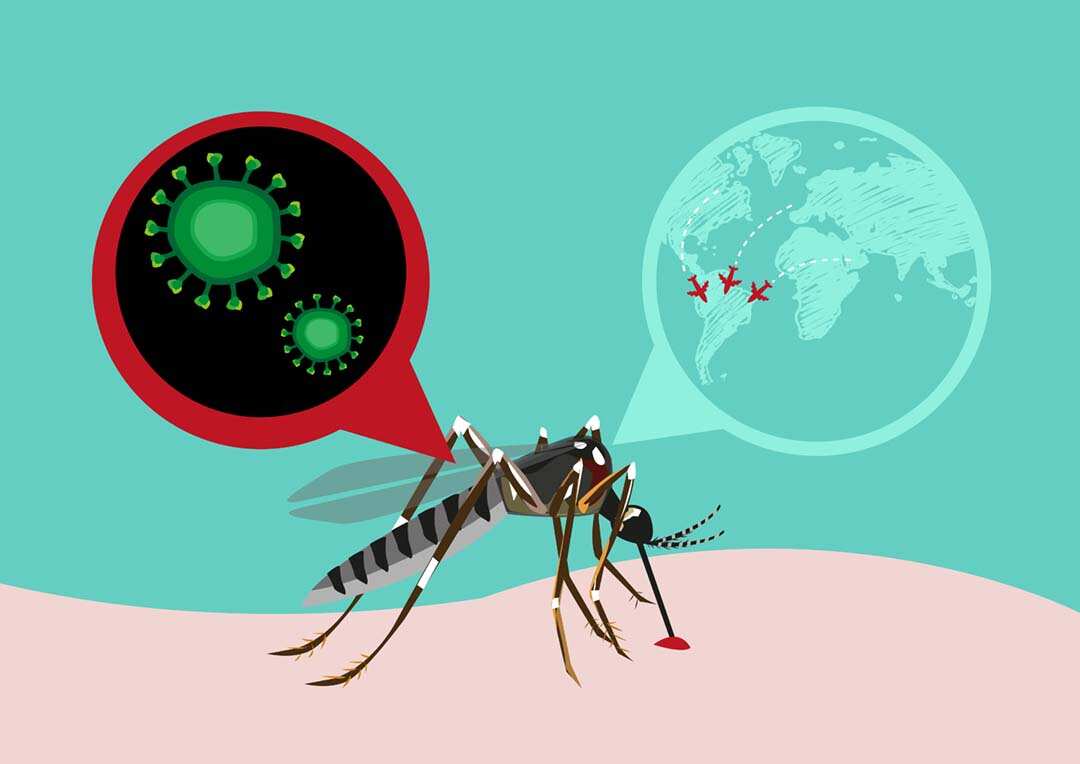
Scientists trying to work out the future path of Zika say 2.6 billion people living in parts of Asia and Africa could be at risk of infection, based on a new analysis of travel, climate and mosquito patterns in those regions.
Some of the most vulnerable countries include India, China, the Philippines, Indonesia, Nigeria, Vietnam, Pakistan and Bangladesh, according to the research.
Experts say the study could overestimate the number of people at risk because they don’t know whether Zika had already landed in some of these countries in the past and allowed people to develop immunity. More than two-thirds of people infected with Zika never get sick, and symptoms are mild for those who do, so health systems may have missed cases.
What you need to know about mosquitoes
Although Zika was first identified in 1947, the virus wasn’t considered a big health threat until a major outbreak in Brazil last year showed that Zika can lead to severe birth defects when pregnant women are infected.
In February, the World Health Organisation declared the spread of Zika a global emergency, and epidemics have been sparked in at least 70 countries. In the last few weeks, it has sickened more than 100 people in Singapore and started spreading in Florida in the US.
Zika is mostly spread by a specific species of tropical mosquito, but it can also be spread by sex and through blood transfusions. Researchers hope their new study will help officials plan ahead to possibly avoid some of the worst effects of Zika.
