




Beyond Hong Kong’s iconic night skyline, there is another fascinating type of nightlife to be found in the city – that of Hong Kong’s native nocturnal animals. You just need to know where to look.
With summer in full swing, the Kadoorie Farm and Botanic Garden (KFBG) has brought back its popular night walk programme. The outing gives urbanites the opportunity to discover the range of nocturnal wildlife that exists within its 148-hectare (365-acre) conservation area in Tai Po, in the New Territories.
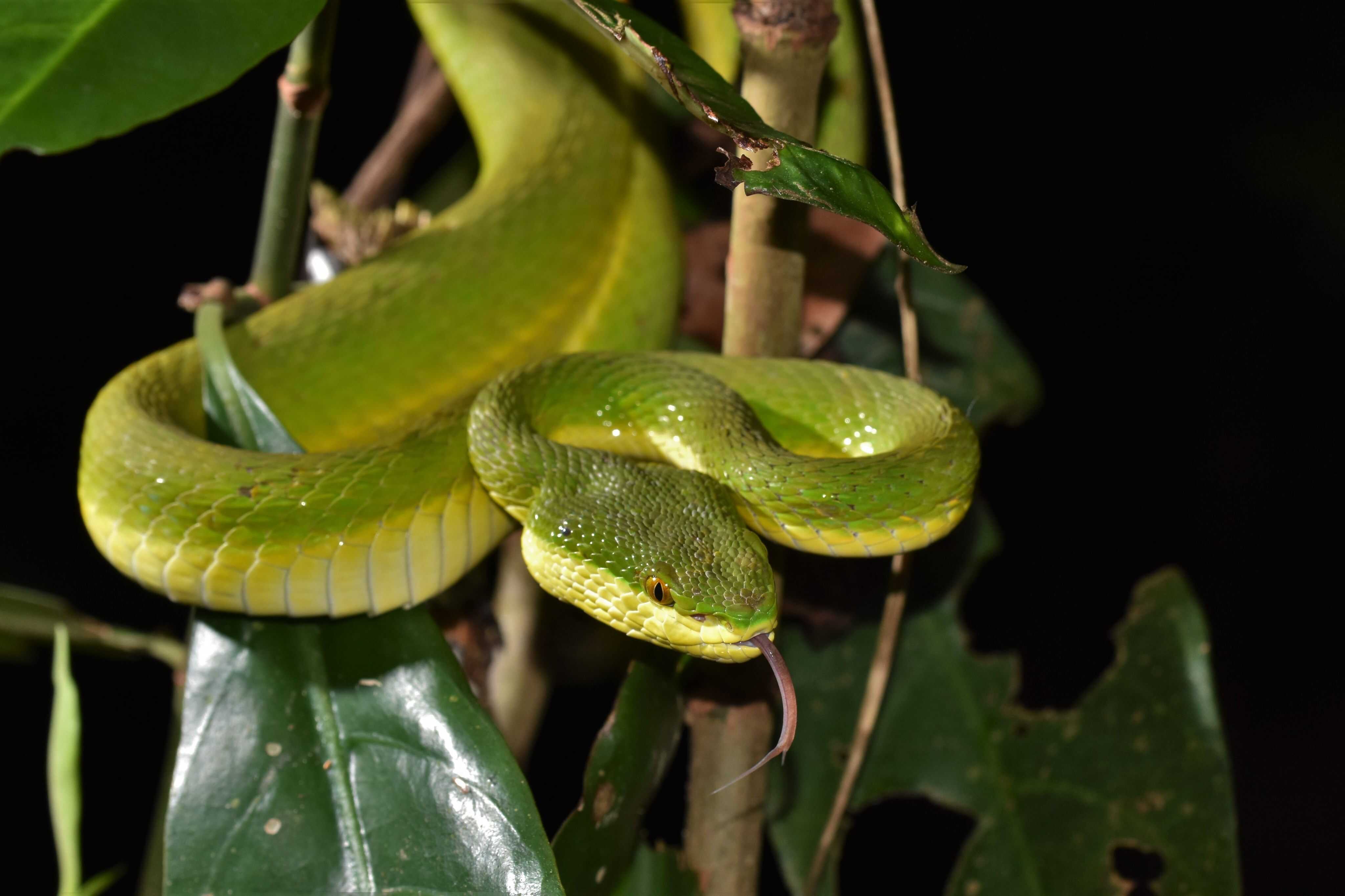
Aside from the prospect of seeing frogs, snakes and birds, the walk also holds the possibility of a porcupine sighting and hearing the calls of barking deer.
Held twice a month from May until November every year, the night walk is the successor of KFBG’s night safari, which originated in the early 2000s.
“In the early days, when I was exploring the centre with [now-chairman] Andrew McAuley, we were just kind of looking everywhere,” says Gary Ades, head of KFBG’s fauna conservation department.
“We were going up the small paths, walking around, looking at places [that] could be turned into some kind of education feature.”
Hong Kong’s pigeon count falls on the back of a ban on feeding wildlife
Ades quickly realised that the conservation area, with its abundance of wild animals and birds, was the perfect place to introduce nature to city dwellers in a safe and accessible way. So he planned a night safari – held higher up in KFBG’s hills – as an educational programme mainly tailored to students.
However, although the hills offered a better chance of viewing barking deer, wild boar, leopard cats and civets, Ades felt that the noise and pollution from moving the visitors to the hills by shuttle bus was not ideal for the animals.
So, in 2017, he and the KFBG team came up with the night walk, a regular monthly programme that instead focused on the farm’s lower area.
“We try to show the visitors the nighttime story of animal and plant interactions,” Ades says, explaining that the walk does not focus solely on animals or plants, but rather on the area’s ecology and biodiversity as a whole.
The night-walk experience begins at the Kadoorie Farm bus stop. To get there, visitors can take the MTR to Tai Wo station and then hop on a 64K bus towards Yuen Long (West).
Once night-walk participants have alighted at the farm, KFBG’s guides will bring the entire group to a seating area. They will then be given a brief introduction to its nocturnal animals, such as flying foxes and leopard cats.
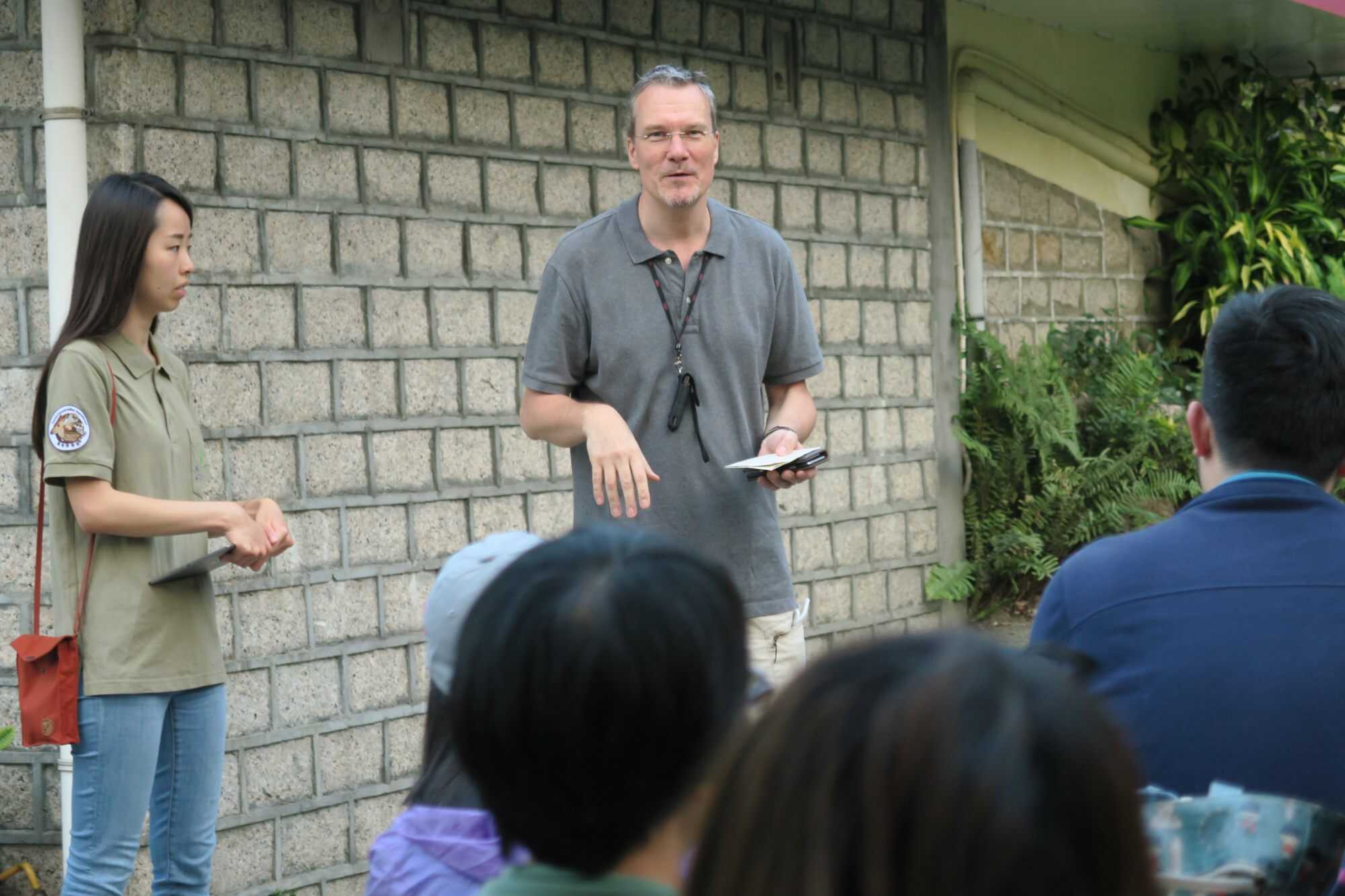
As Hong Kong’s only government-authorised wild animal rescue centre, KFBG also conducts animal releases. Depending on the day, participants might experience a snake release at the beginning of the night walk.
Throughout its 30 years of operation, the rescue centre has rescued more than 70,000 animals, Ades says.
“Of course, snakes come to the rescue centre, and why not release one in front of the public, so they can learn about the rescue work and also see an animal actually going free?
Once the walk is under way, there is no telling which animals participants will encounter. To ensure that the animals are not frightened, visitors are asked to use red-light torches, as most of the mammals are colour blind; only guides are allowed to use white light.
During the walk this SCMP reporter joined, on a balmy June evening, everything from frogs and lizards to fireflies and newts were spotted.
One of the first sightings was of a Hong Kong cascade frog, which KFBG conservation manager Yang Jianhuan easily scooped into his hands (not to be done by amateurs). He explained how the species, unlike many other frogs, has webbed toes with suction discs, allowing it to navigate slippery rocks.
Other species seen on the walk included a Hong Kong newt, an Asian common toad, a brown tree frog, and a bicoloured stream snake.
Aside from amphibians and reptiles, visitors will also get the chance to see other creatures, such as Swinhoe’s white-eyes, birds that sleep in pairs high up in trees.
Hong Kong scientists warn of more severe bleaching of coral reefs
“I think that visitors are fascinated by the sleeping birds because nobody thinks about where birds go at night,” Ades says. “Just being able to see them sleeping at night is quite interesting.”
If visitors are lucky, they might also encounter a particular spiny rodent. “Although we can’t see many mammals, because it’s quite low down on the hillside, occasionally we get to see porcupines,” he says.
Other than sightings of wild animals, the night walk also encompasses visits to certain enclosures within Kadoorie Farm, such as those housing its black kite, crested goshawk, striated caracara and barn owl.
Manis the leopard cat lives in an enclosure because it was born in the Singapore Zoo and so does Lula, another leopard cat deemed unfit to be released. There are also a number of wild leopard cats in KFBG’s conservation area.
Ultimately, the goal of the night walk – as well as Kadoorie Farm’s many other programmes – is to connect people with nature and educate them about the biodiversity of Hong Kong.
“There’s nothing better than getting people who’ve just come from the town to stand in the dark, and just listen to nature,” Ades says.
