




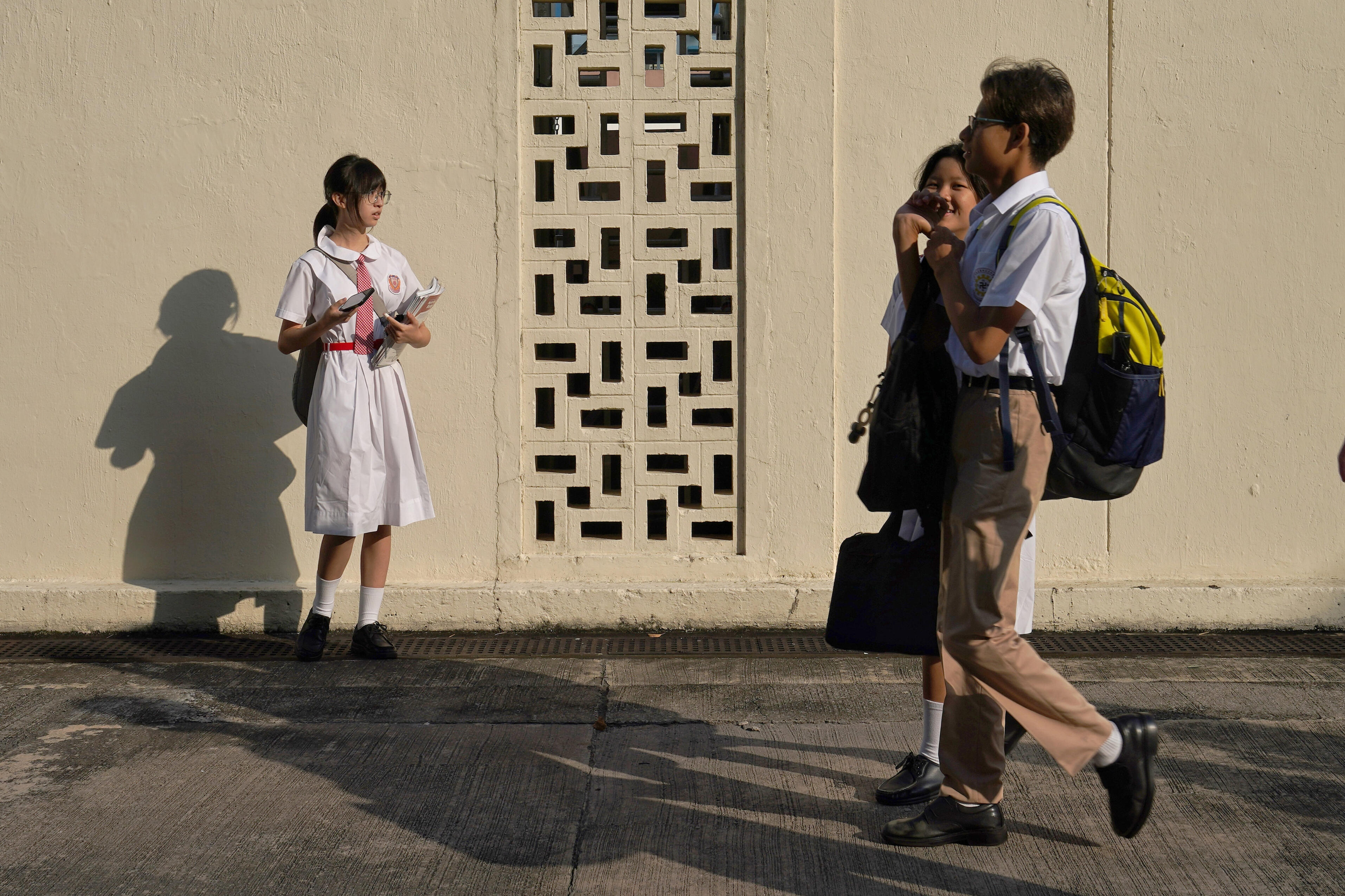
Hong Kong public secondary schools will be able to offer foreign language courses to younger pupils in Forms One to Three starting from the next academic year. Each institution is set to receive HK$250,000 (US$32,000) in government funding to cover two years of teaching.
The Education Bureau said on Wednesday that the subsidy covered courses for Japanese, Korean, French, German, Spanish and Urdu, in addition to Arabic and Russian if conditions permitted.
Schools could not charge students fees to take the extra language courses under the pilot scheme, it said in a circular.
The bureau said schools should apply before April 30 if they wanted to offer the courses.
Survey finds nearly half of Hong Kong secondary students are ‘lying flat’ or plan to
Institutions approved for the subsidy would receive HK$250,000 to hire external service providers – to offer students in-person or online courses – and buy learning and teaching materials over two years.
The scheme is supported by the Quality Education Fund.
“[The scheme is for] developing their learning interests and capabilities, as well as enriching their learning experiences and heightening their global competitiveness,” the bureau said.
Last October, Chief Executive John Lee Ka-chiu announced in his policy address that authorities would aim to encourage all public secondary schools to provide junior form students with the opportunity to learn other languages.
The bureau said on Wednesday that institutions should prioritise providing courses available as elective subjects at later school levels, including French, German, Japanese, Korean, Spanish and Urdu.
“If there is a need and conditions permit, schools may also consider offering courses in Arabic and Russian,” it said.
Education authorities also stipulated that schools could not subscribe to courses that used pre-recorded content and structured online materials or lacked teaching support or real-time interactions with students, including providing feedback.
Schools will be prohibited from using the funds for overseas learning trips, the bureau said.
The expected number of students joining the courses must be provided as part of the subsidy applications, as well as a tally of how many pupils were interested in learning each language.
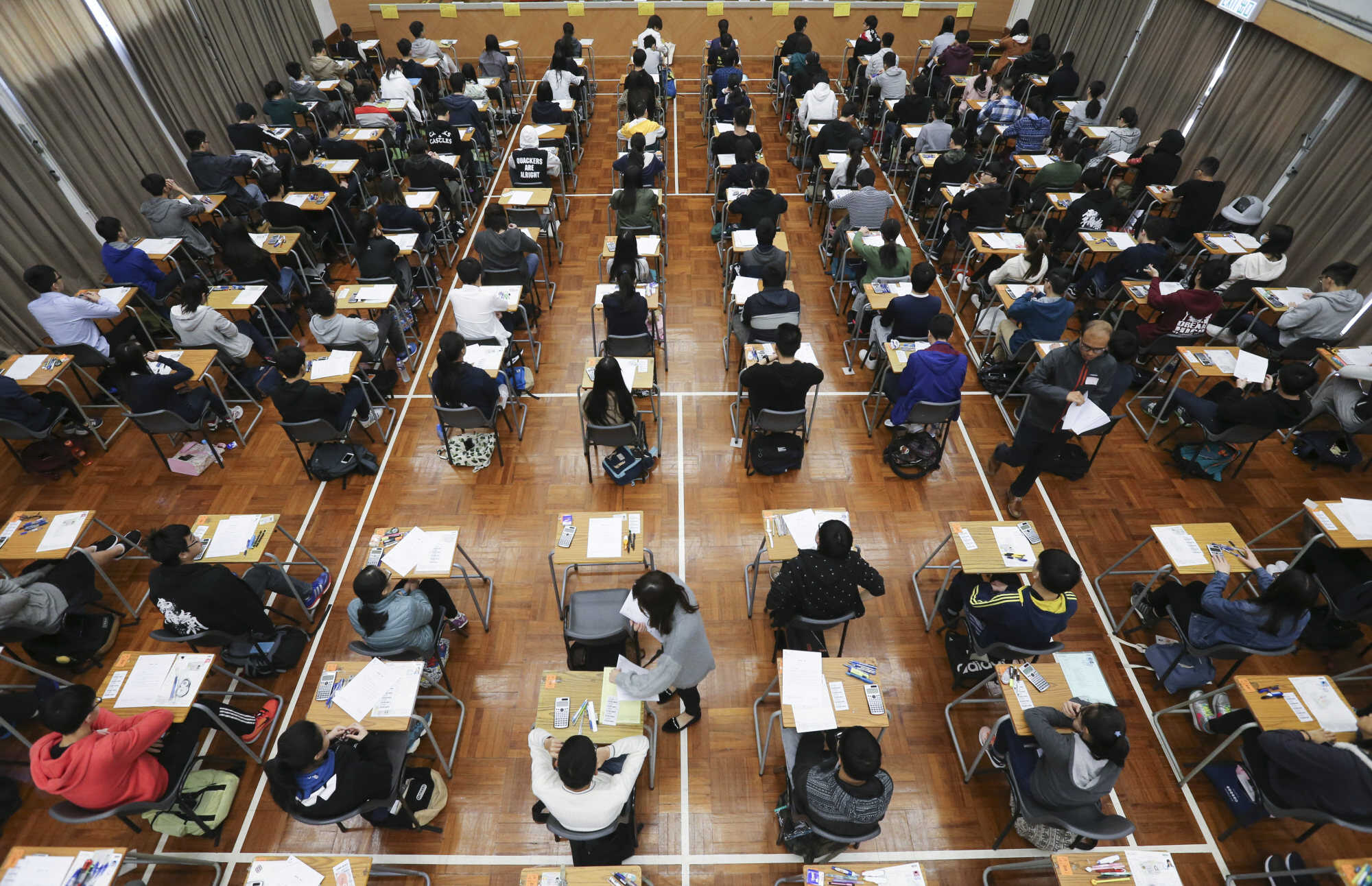
Secondary school principal Vincent Kwong Wing-sun – who is also vice-chairman of the Hong Kong Subsidised Secondary Schools Council – said he believed several institutions would apply to join the scheme, particularly those which offered similar languages as electives for older students.
“Launching language classes in junior forms could help students prepare to study the language as electives in senior forms, which are covered by public exams. It could also strengthen students’ competitiveness if they know one more language,” Kwong said.
However, he said the funding provided would only be sufficient for schools to operate one to two language classes, according to his previous experience launching Japanese classes at the senior form level.
“Schools may have to get at least 20 students to sign up for the language class before applying for the fund,” he said, adding some external service providers might also require schools to have a certain number of students.
Teaching could be arranged during or outside school hours, while lessons could be held on or off campus.
New migrant children struggle to learn Cantonese and English
In Lee’s latest policy address, the government also suggested developing visitor markets from the Middle East, with proposals including providing information at the airport in Arabic and encouraging taxi companies to share service details in the language.
According to official figures, 772 candidates are expected to sit language tests other than Chinese and English this year for the city’s university entrance exam, the Diploma of Secondary Education (DSE).
Among them, 76 per cent and 12 per cent are expected to take Japanese and Korean, respectively. About 7 per cent of students will take French, and 4 per cent will sit the test for Spanish.
There are around 55,700 DSE candidates this year.
