




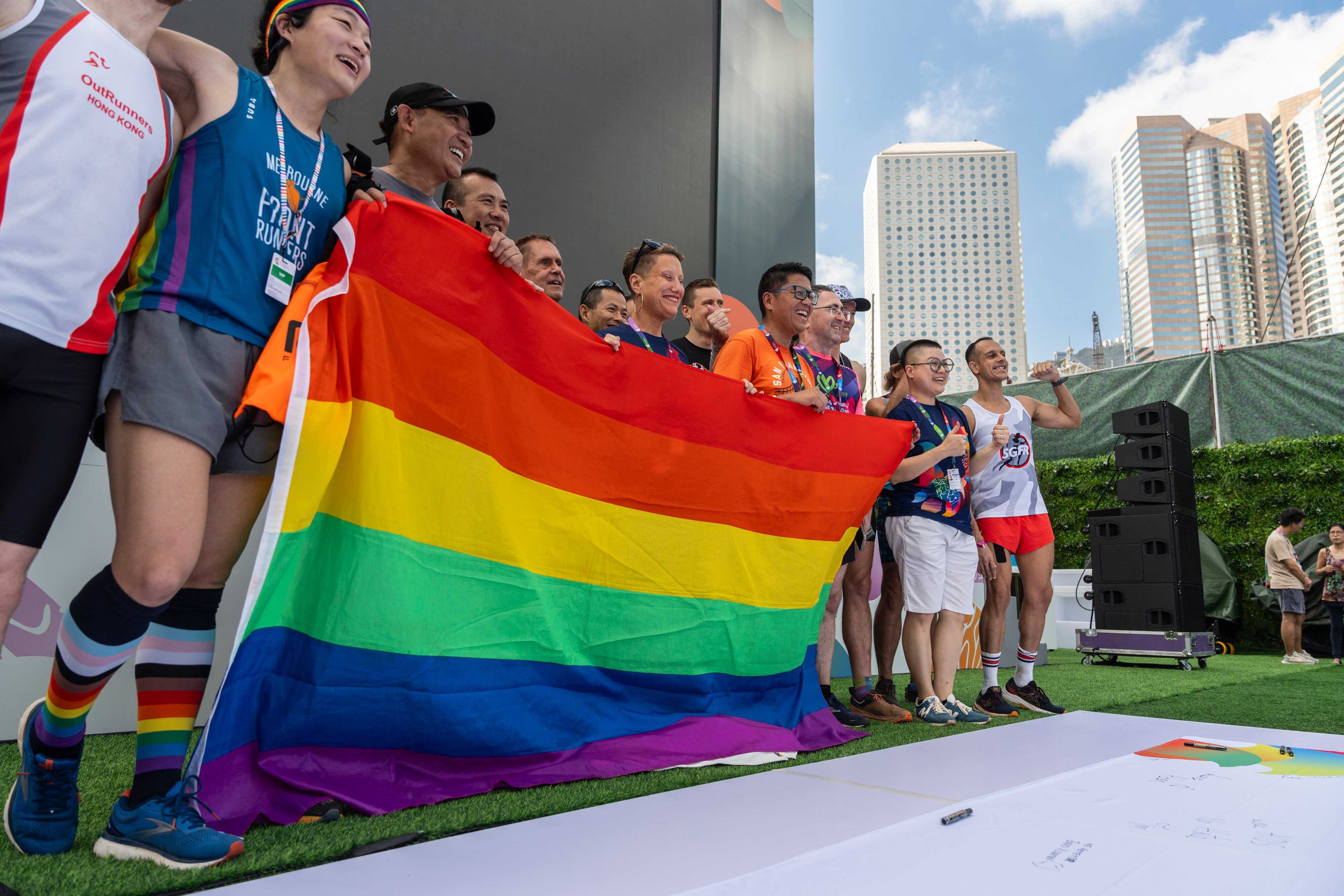
Members of Hong Kong’s LGBTQ community are experiencing levels of depression and anxiety similar to those found seven years ago, according to a survey. Researchers attribute the lack of improvement to ongoing discrimination.
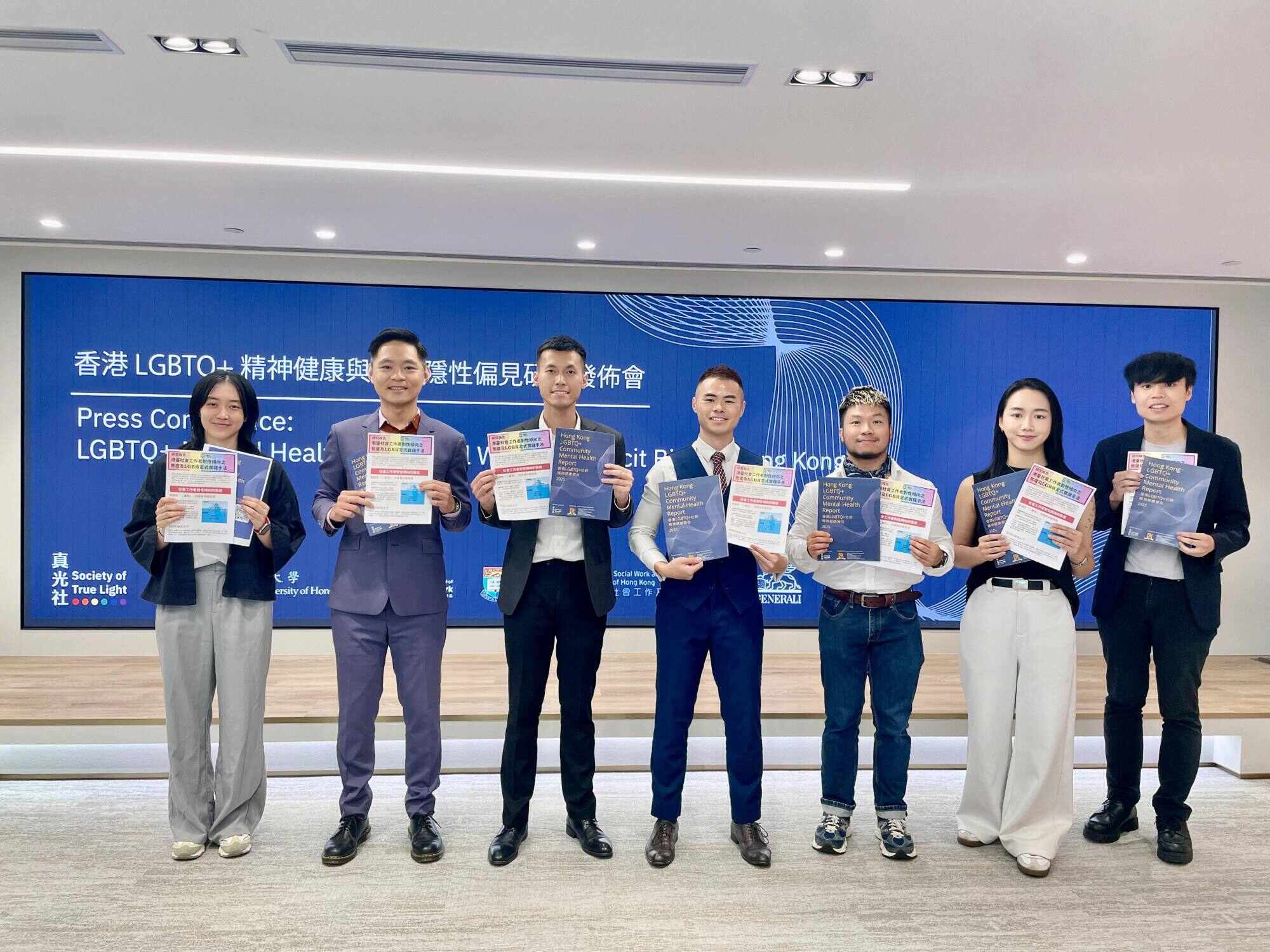
The survey by the Chinese University of Hong Kong and a local non-profit group, the Society of True Light, polled 1,433 individuals last year who identified as LGBTQ and found that 30.8 per cent of them had symptoms of moderate to severe depression. Some 24 per cent had moderate to severe anxiety symptoms.
A 2017 survey of 1,050 individuals found that the numbers were 30.9 per cent and 25.9 per cent, respectively.
“It revealed that in the past seven years, the local LGBTQ community showed no statistically significant improvement in these mental health outcomes,” Randolph Chan Chun-ho, an associate professor in Chinese University’s social work department, said on Wednesday.
“The proportion of those exhibiting depression and anxiety symptoms was also higher than that of the general public, which was closely related to the continued discrimination and bias they face in their daily lives and the lack of basic legal protection.”
Nearly 35 per cent of respondents reported that they had looked for a mental health service, with most seeking help from school counsellors and social workers.
Singapore’s anti-discrimination law fails to protect LGBTQ workers
Many said they had faced negative treatment during those mental health services, including being assumed to be cisgender and heterosexual, or being told that their sexual identities were attributed to childhood trauma or family issues.
Chan suggested that when the government reviewed mental health policies and planned for the future, it should allocate dedicated resources to support LGBTQ individuals, such as investing in professional training and considering targeted measures to address their specific mental health needs and advance structural equality.
In a separate study by the University of Hong Kong (HKU) on 218 social workers from Hong Kong and 103 from Taiwan last March it was found that while respondents exhibited a friendly explicit attitude towards the LGB community, they held some implicit biases, often associating positive characteristics more with heterosexual individuals.
The study also found that many social workers lacked competence in LGB affirmative practice, a technique that helped address the multiple levels of oppression faced by the community.
Study leader Huang Yu-Te, an associate professor in HKU’s social work and social administration department, said a targeted mental health service institute for the community was necessary.
“If there is an institute specifically targeting the community, those using the service can at least be sure that their sexual identity will be affirmed when they talk to social workers or doctors there,” Huang said.
“At the same time, the framework of diversity, equity and inclusion should be included in the basic training and education of all social workers.”
Colby Li Yangli, team leader of social workers at Tung Wah Group of Hospitals’ CEASE Crisis Centre, said the government’s social prevention measures for sexual minorities, especially gay men, often focused on drug abuse, HIV and Aids.
“While we recognise that there is a need for these measures in the community, many LGBTQ individuals also face other challenges, such as financial issues, workplace discrimination and relationship difficulties,” Li said.
“They always find themselves lacking support in terms of problems outside the public health scope.”
The non-profit Society of True Light will host a two-day conference in mid-June at Chinese University to raise more awareness of LGBTQ affirmative practices.
Overseas scholars and local experts at the event will share their research and professional experience on mental health challenges and other issues, such as clinical management for transgender people and LGBTQ bullying prevention in schools.
