





If you are interested in being a regular contributor for The Lens, please apply by clicking this link.
Thoughts from last week
Andrea Cheung, 13, Island School
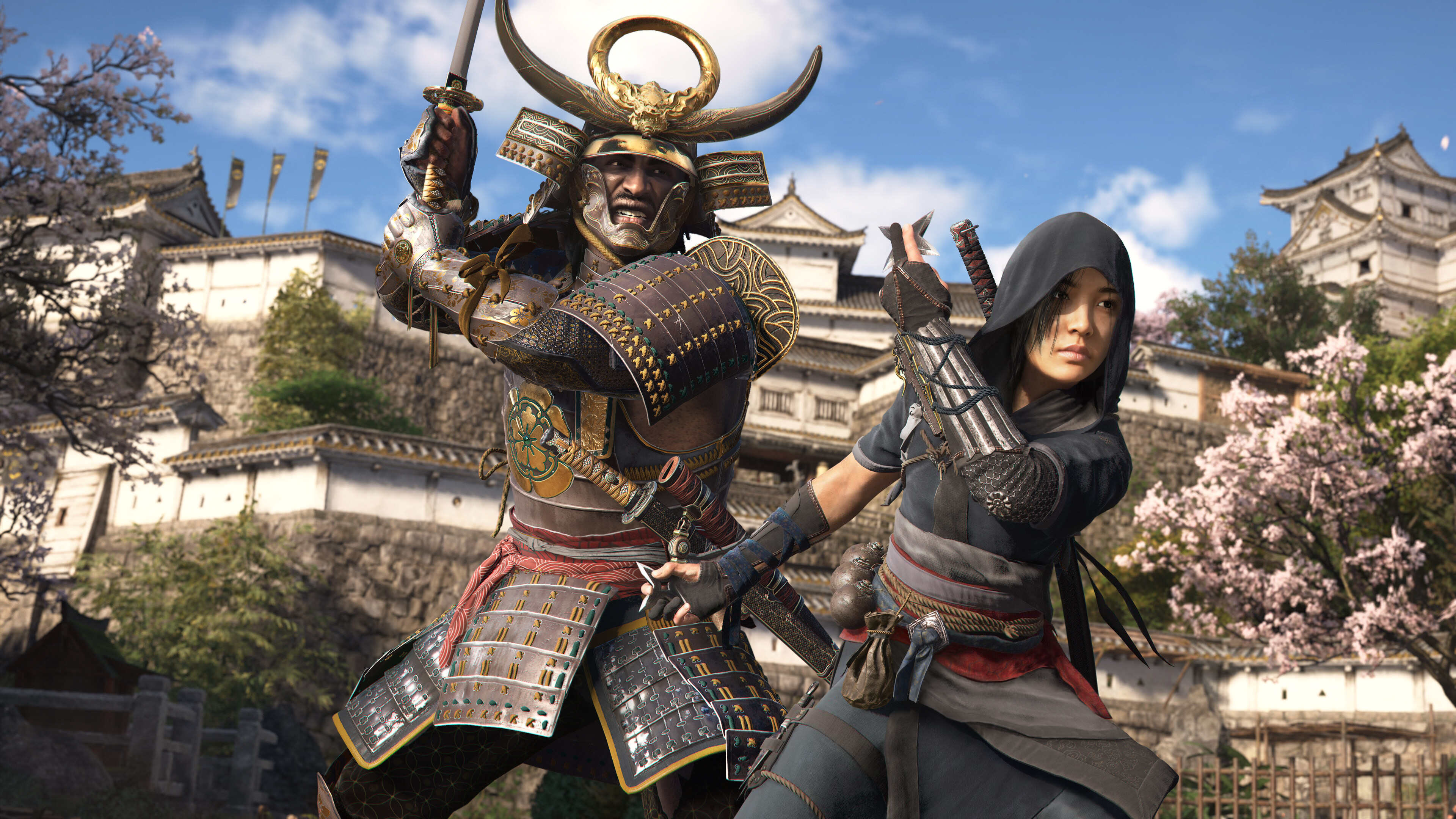
Ubisoft is a French company founded in 1986 that specialises in creating video games and owns several popular franchises, including the trending game Assassin’s Creed. The latest instalment, Assassin’s Creed Shadows, is the fourteenth in the series.
However, its release has sparked significant backlash, particularly from Japanese citizens. Many do not believe it is acceptable for the main character of a game set in Japan to be non-Japanese. One commentator stated, “This is purely Asian hate, to have a black dude as the main character instead of an Asian.”
Critics also argue that certain scenes are disrespectful to Japanese Shinto culture.
Both sides have entrenched views regarding what is appropriate when portraying different cultures.
I believe the game developers should not have received as much backlash as they have. After all, this is just a video game, and the events portrayed are fictional, existing only in a virtual world.
Even though it is just a fictional game, one potential concern is that some people may develop skewed perceptions of Japan after playing it. Thus, it is understandable that some people in Japan believe that it will affect how others think about their country’s culture.
However, even with the controversy, Ubisoft has not made any public responses to these recent critiques.
I believe they should issue an apology to the Japanese community, as the game may disrespect their culture and create a misleading image of Japan, particularly with its portrayal of sacred Shinto shrines that locals carefully look after.
Read up on this issue in last week’s The Lens
Read and observe
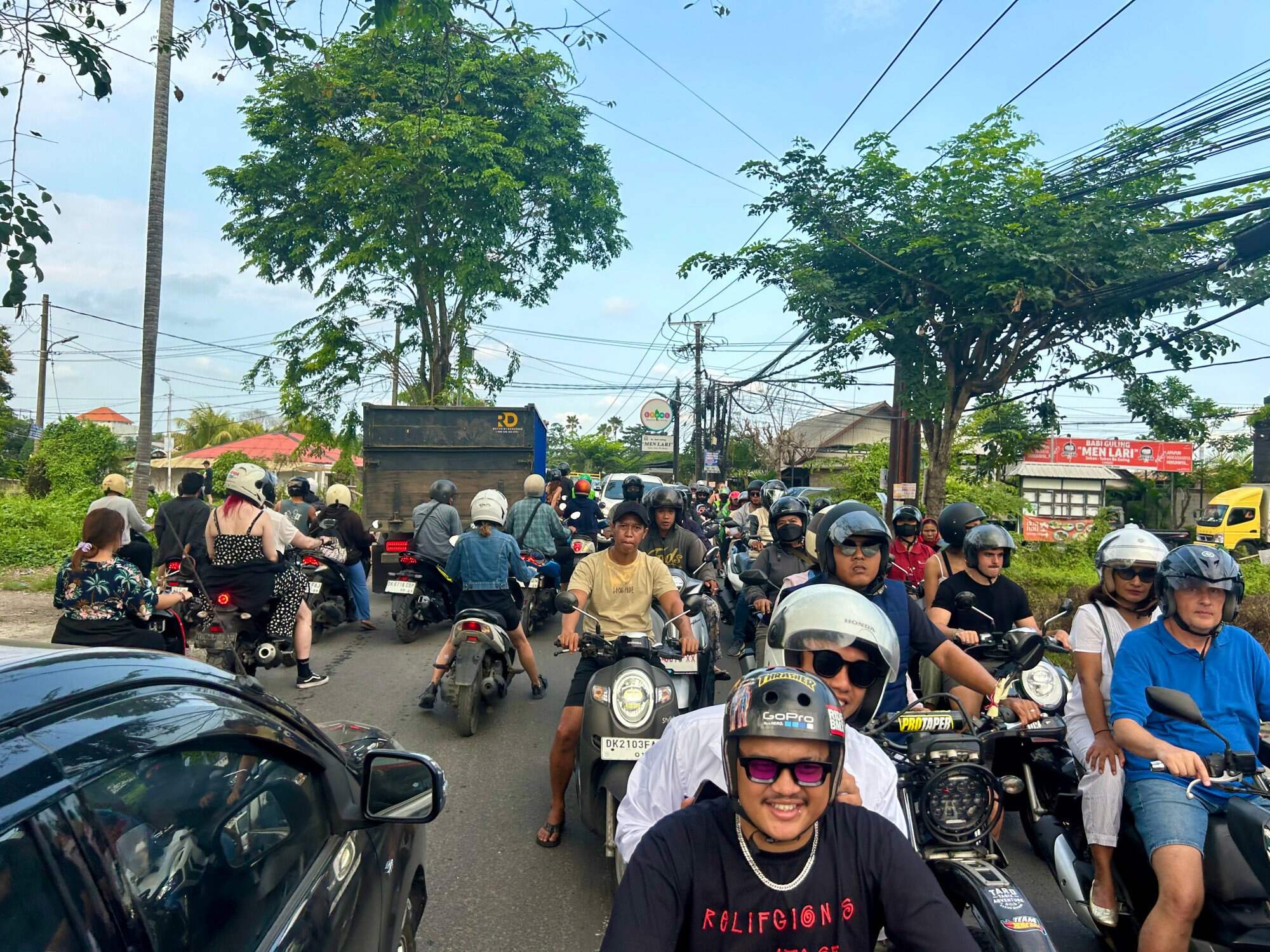
Bali, a province of Indonesia, is making waves with an ambitious plan to introduce water taxis at its airport by the end of this year, aiming to alleviate the resort island’s notorious traffic congestion.
As the number of tourists swells, local officials are betting that this aquatic solution can bring relief to both visitors and residents alike.
Set to launch in December, the water taxi service will provide a direct route from Ngurah Rai International Airport to some of Bali’s most sought-after resorts.
“Sea transport could help mitigate the problem as the congestion on the land cannot be solved quickly. We will encourage tourists to use the water taxi,” said Wayan Koster, Bali’s governor, as quoted by The Bali Sun.
Authorities have already conducted trial runs using traditional jukung canoes, with a trip to Uluwatu taking around 35 to 40 minutes. Modern vessels in the mix could slash that time to just 25 to 30 minutes. By contrast, a car ride from the airport can take more than an hour, often bogged down by traffic jams. But the water taxi initiative is just the beginning.
Reports from The Bali Times suggest that seaplane services might join the fleet of solutions to ease ground congestion, reinforcing Bali’s ambition to establish itself as a maritime tourism hub. In a recent partnership with sea transport operators, Bali authorities have also launched routes linking Tanjung Benoa – a peninsula renowned for its beaches – to popular spots such as Serangan Island and Pedungan.
Meanwhile, on land, a substantial budget has been allocated for infrastructure improvements, according to Merdeka, an online news outlet. Plans include new roads connecting the provincial capital of Denpasar to the bustling southern resort area of Badung, slated to begin construction in 2026.
Staff writers
Research and respond
-
What is the cause of Bali’s traffic problem?
-
Do you believe that implementing a water taxi system is the best way to alleviate this issue? Are there other solutions to Bali’s congestion issue?
-
At what point could overtourism become a problem?
