




Have something to say? Send us a letter using this form.
Manage your social media use
Andrea Cheung, Island School
Social media is a major source of depression, anxiety and even self-harm for teens today. As most young people use these platforms, the issue has become worse.
Social media has downsides and benefits. It makes it easier to connect with friends and family who live far away, and exposes us to the world around us. Global news and trends show us how the world works and make us more knowledgeable.
Social media is definitely a topic that pops up in younger students’ conversations, and spending time on these platforms makes it easier to connect with people at your school. Surprisingly, it also provides ways to express yourself.
Your Voice: Teen accounts on Instagram, lying flat for too long (long letters)
But social media fuels anxiety among young people, especially about their bodies and how they are supposed to look and behave. It also leads to addiction-like behaviour as these apps are designed to keep you on them.
Constant use results in FOMO (fear of missing out). And being chronically online and posting content about yourself can lead to cyberbullying or hackers using your private information.
To create a healthy balance, set time limits on your social media apps, engage in more physical activities and hang out with your friends in real life.
‘Pope of the poor’
Peter Chui Pui-ling, Maryknoll Fathers’ School
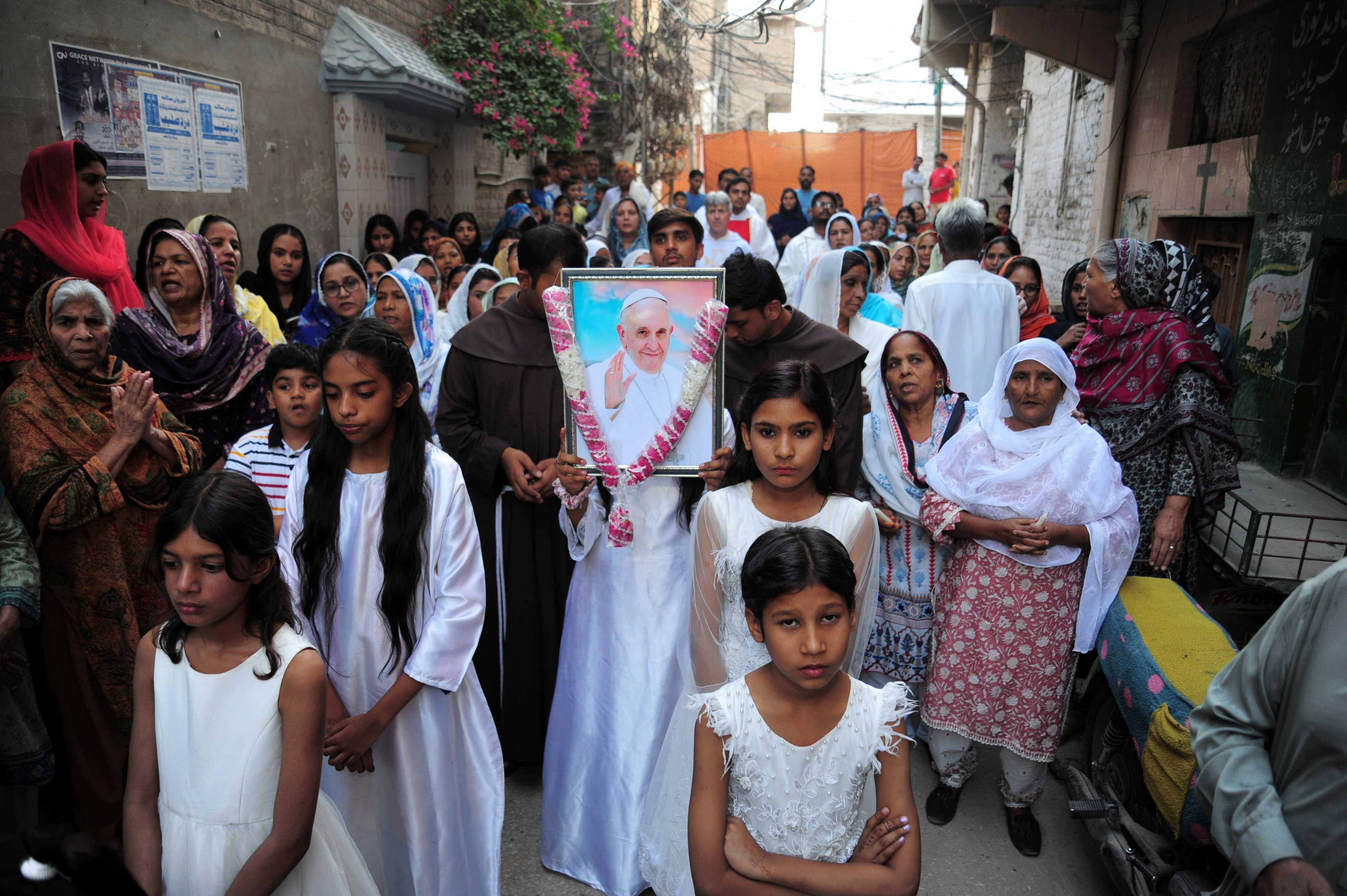
Pope Francis was a breath of fresh air for the Vatican, bringing a spirit of humility and empathy that resonated with millions of Catholics across the world. His leadership was characterised by mercy and a deep commitment to the impoverished and marginalised.
The nickname “pope of the poor” captures Francis’ papacy. He chose not to wear elaborate clothing, including red shoes or the silk vestments that symbolised his role.
Once, he turned a Vatican plaza into a refuge for the homeless, calling them the “nobles of the streets”. Another time, he washed the feet of migrants and prisoners during a traditional foot-washing ritual, an unprecedented act for a pope, showing a type of compassion the Vatican rarely revealed.
Francis also devoted himself to women and elevated their status. He was the first pope to elect a woman to a senior position in Vatican City and advocated for equal treatment for all genders.
Controversy surrounded his approach to the LGBTQ community, as he believed that love has no boundaries. A well-known quote goes, “If they accept the Lord and have goodwill, who am I to judge them?”
Pope Francis dies at 88: first Latin American pope advocated for peace and compassion
Why don’t students read?
Kong Yueming, Tak Nga Secondary School
Fewer students are regularly reading. What has contributed to this troubling trend?
With smartphones, tablets and laptops readily available, students are increasingly drawn to social media, video games and streaming services. These platforms provide instant gratification and entertainment, often overshadowing the slower, more immersive experience of reading a book.
Second, the current educational environment emphasises standardised testing and academic performance. As a result, students often prioritise subjects and activities that directly contribute to their grades, leaving little time or motivation to explore literature for pleasure. This focus on efficiency can stifle a love for reading.
Online resources allow students to find summaries or analyses of texts quickly instead of having to read them thoroughly. This convenience reduces the inclination to dive deep into complex narratives or appreciate the nuances of language and storytelling.
Finally, the culture surrounding reading has shifted. In a fast-paced world, where attention spans seem to be shrinking, the act of reading – a habit that requires patience and focus – can feel daunting.
Your Voice: Make reading a habit (short letters)
Give children pocket money
Jacqueline Ng Tsz-ki, Valtorta College
Should parents give their children pocket money? Some think this practice can nurture a sense of financial responsibility, while others believe children are too immature and will carelessly spend real money.
I believe giving your children a reasonable amount of money for them to spend as they see fit will teach them a valuable skill they no doubt need in the future.
If given a fixed amount, children will learn how to spend, save and prioritise their money. For example, say a child wants a toy car. They can consider saving up for a larger toy or spending now and purchasing a small one.

Essentially, a fixed amount of pocket money teaches a child how to make financial decisions – whether to spend immediately or save over time.
It is common for children to earn pocket money as a reward for doing housework. This system instils a sense of responsibility in children and teaches them that their hard work is worth compensation.
Giving your children pocket money is not just about handing out cash. If parents are sensible about pocket money, they will teach their child how to handle money in the future.
