




Have something to say? Send us a letter using this form.
Chess is a sport worth playing
Samuel Lam Chun-yung, The Independent Schools Foundation Academy
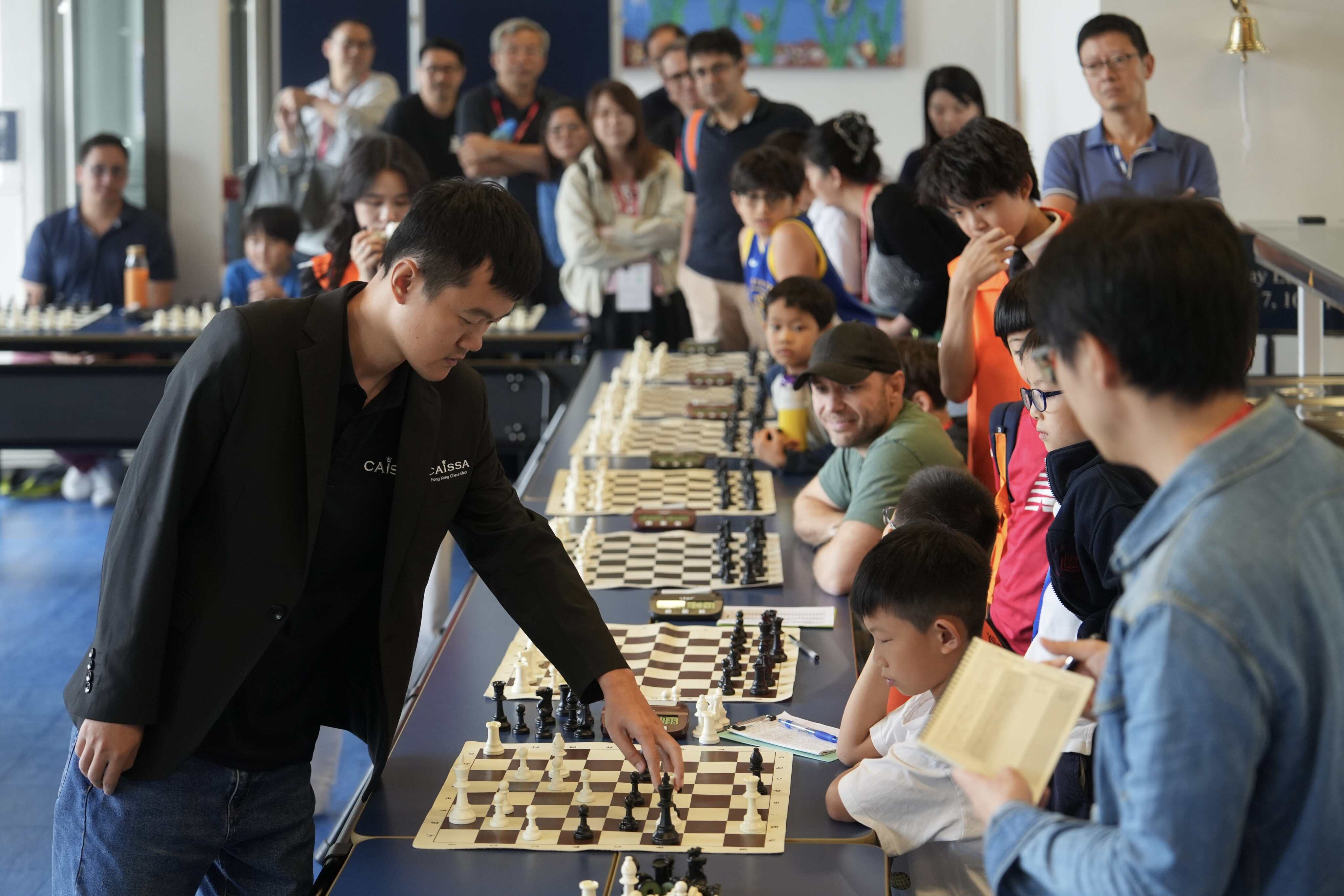
People often question whether chess is really a sport. I get it. When you think of sports, you think of athletes running around. A striker scores a stunning goal, and the crowd goes wild. Chess, on the other hand, is about the furthest you can get from a thrilling, action-packed game of football or basketball.
But for me, a sport is not defined by just physical strength or speed. It is also the competitive environment you are thrown into, where you spend every ounce of your strength pushing upwards. Chess is exactly that. Underneath the calm faces of players like Magnus Carlsen or Hikaru Nakamura is an intense determination for greatness.
My first experience with chess was in an after-school programme when I was five years old. From the very beginning, I was hooked. Perhaps it was the ability to challenge myself or the thrill of outperforming my sister. I quickly improved, winning several local tournaments, including the Hong Kong SAR Junior Chess Championships, an annual event that I have now won three times.
Your Voice: a wonderful board game (short letters)
During my early chess career, I was fortunate to be a student at The Chess Academy, a top chess club in Hong Kong. I learned from exceptional players, including Manuel Gomez, who is now a grandmaster. His teachings greatly influenced my play. I also met many kids at the club who would go on to become young talents.
In 2020, the pandemic struck, and my school closed for an extended period. I greatly improved during this time. From 2020 to 2023, I went from being mostly a local player to taking part in international events.
I even won the Eastern Asia Youth Chess Championship in 2023 for the under-14 category. This was my first major breakthrough in an international event.
All the work I put in during the pandemic culminated in my second breakthrough the next year. I competed in an international tournament in Spain, where I secured a strong 6.5/9 score and a win against an international master.
This remains my strongest tournament to date, and it catapulted me far beyond the 2000 rating barrier. At the start of this year, I broke the 2100 rating barrier and claimed a FIDE master title.
Currently, I continue to work hard on chess, constantly reading books, studying games and taking part in tournaments.
Throughout my journey, I have realised that it is crucial to have a strong work ethic. In the first years of my career, I treated chess as a casual hobby, spending time on it when I felt like it. But to actually progress, you must commit and study the game consistently. This test of resilience and discipline makes chess more than just a game.
So, fellow reader, why don’t you try playing chess? Perhaps you will discover you enjoy the game and take it up as a pastime. Maybe you will take it further and become a tournament player. In any case, I look forward to your contribution to the future of chess in Hong Kong.
Nemo Zhou is a woman grandmaster on a chess mission
The effects of brain rot
Kristy Chow Ho-ching, St Paul’s Secondary School
I am writing regarding the article “I’m a neuroscientist. Here’s the surprising truth about TikTok ‘brain rot’” published by BBC Science Focus Magazine in February. I want to share my thoughts on the adverse effects that short videos have had on teenagers and propose possible solutions.
A study by a team of scientists at Tianjin Normal University in China scanned the brains of more than 100 undergraduate students and asked them about their experiences watching short online videos.
Students indicated how much they agreed with statements like “My life would feel empty without short videos” and “Not being able to watch short videos would be as painful as losing a friend”.
Your Voice: healthier ‘dopamine hits’ (short letters)
Many had a strong attachment to short videos. The researchers found these participants had more grey matter in their orbitofrontal cortex – an area that helps you make decisions and regulate emotions – and their cerebellum, which plays a role in emotions.
This “neural bloating”, the article said, could reflect a heightened sensitivity to rewards associated with short video content, according to the article. This could eventually lead to compulsive behaviours. For adolescents, the compulsive action may be watching short videos automatically and constantly without processing them.
After becoming addicted to short videos, users often experience more emotional distress. In a similar study published in the scientific journal NeuroImage, brain scans of college students aged 17 to 30 were used to investigate the effects of short videos on brain structure and function.
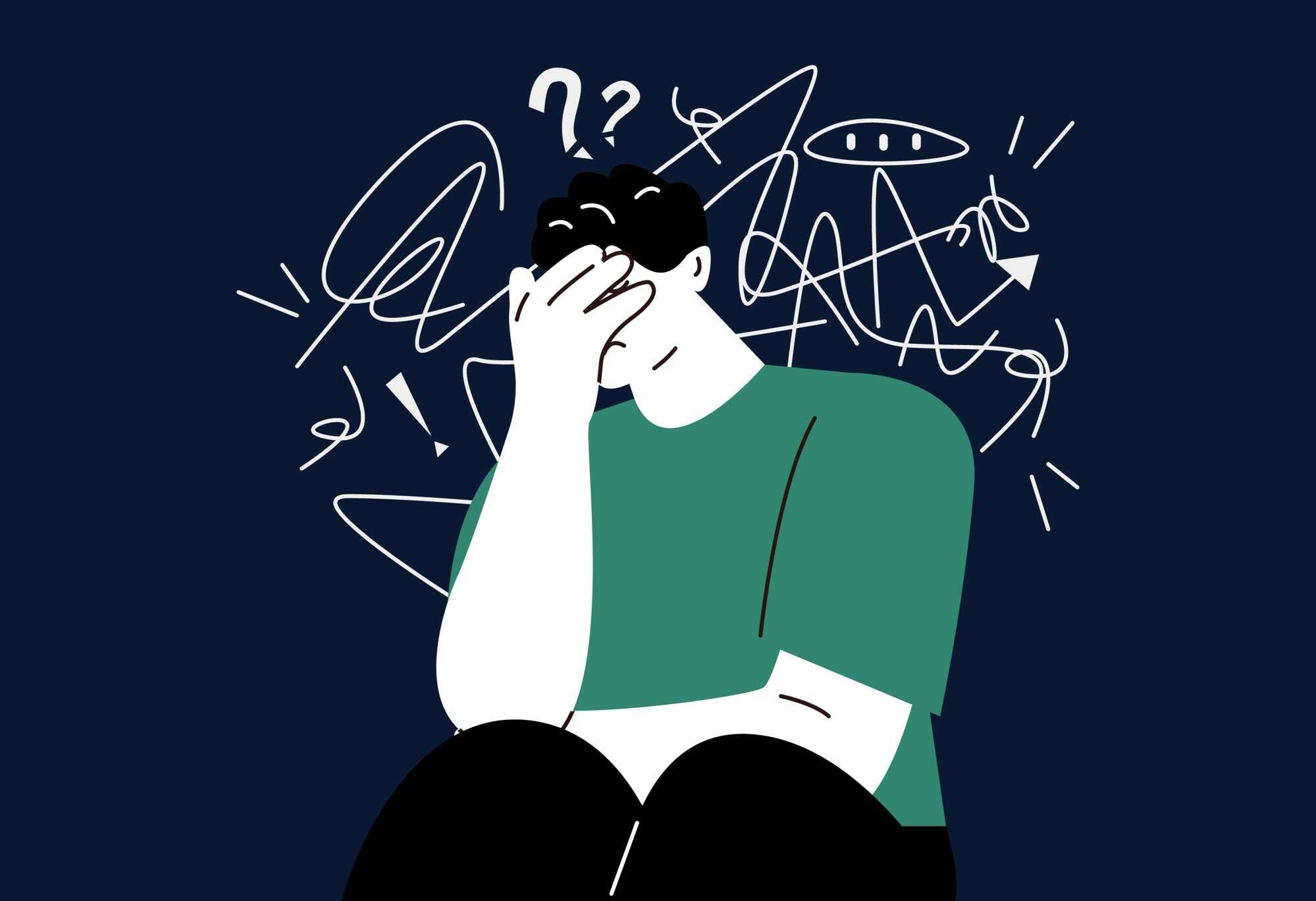
The researchers found that short videos were not only addictive but could cause “cognitive deficits” in attention spans, learning and memory, as well as mental health issues such as depression and anxiety.
Many short videos revolve around trends and personal appearance, leading viewers to compare themselves to others on seemingly superficial aspects. This, the researchers said, can lead to “dispositional envy”, a factor based on wanting to reach others’ “superior achievements”. Prolonged exposure to mass media can easily damage adolescents’ self-esteem.
To address this, we should ask those who are addicted to commit to a 30-day social media detox challenge. Adolescents can participate at home, but they must remain disciplined. The process may feel tougher than military training, but it is an effective way to combat addiction.
Oxford’s 2024 word of the year is ‘brain rot’
Beyond detoxing, young people should step out of their comfort zones. Consumed by short videos and with their attention spans narrowing, teenagers often underestimate their capacity to engage in more fulfilling activities. I suggest yoga or meditation, which offer an opportunity to clear their minds.
It is not enough to tell young people to stop watching short videos – we need to take action. When adolescents develop other interests that occupy their day, they will have less time to consume short videos.
And if these interests are related to learning, they may develop a more constructive fixation on education. For example, adolescents who turn to short-form content regularly can try scrolling through educational reels.
Together, we can fight against these digital drugs. Take a stand – say no to low-quality short videos.
