




Have something to say? Send us a letter using this form.
Reduce social media use
Andrea Cheung, Island School
I was scrolling through the news on my phone when a concerning article popped up on my screen: “Nearly 30% of Hong Kong secondary pupils thought of self-harm,” published in the South China Morning Post. I was in shock for the rest of the morning.
Our generation seems to have more thoughts of suicide and self-harm than any other. After a quick Google search, it became apparent that social media and the internet largely contribute to feelings of depression, a loss of self-confidence and anxiety.
If not taken care of, such emotions can lead to self-harm and even suicide.
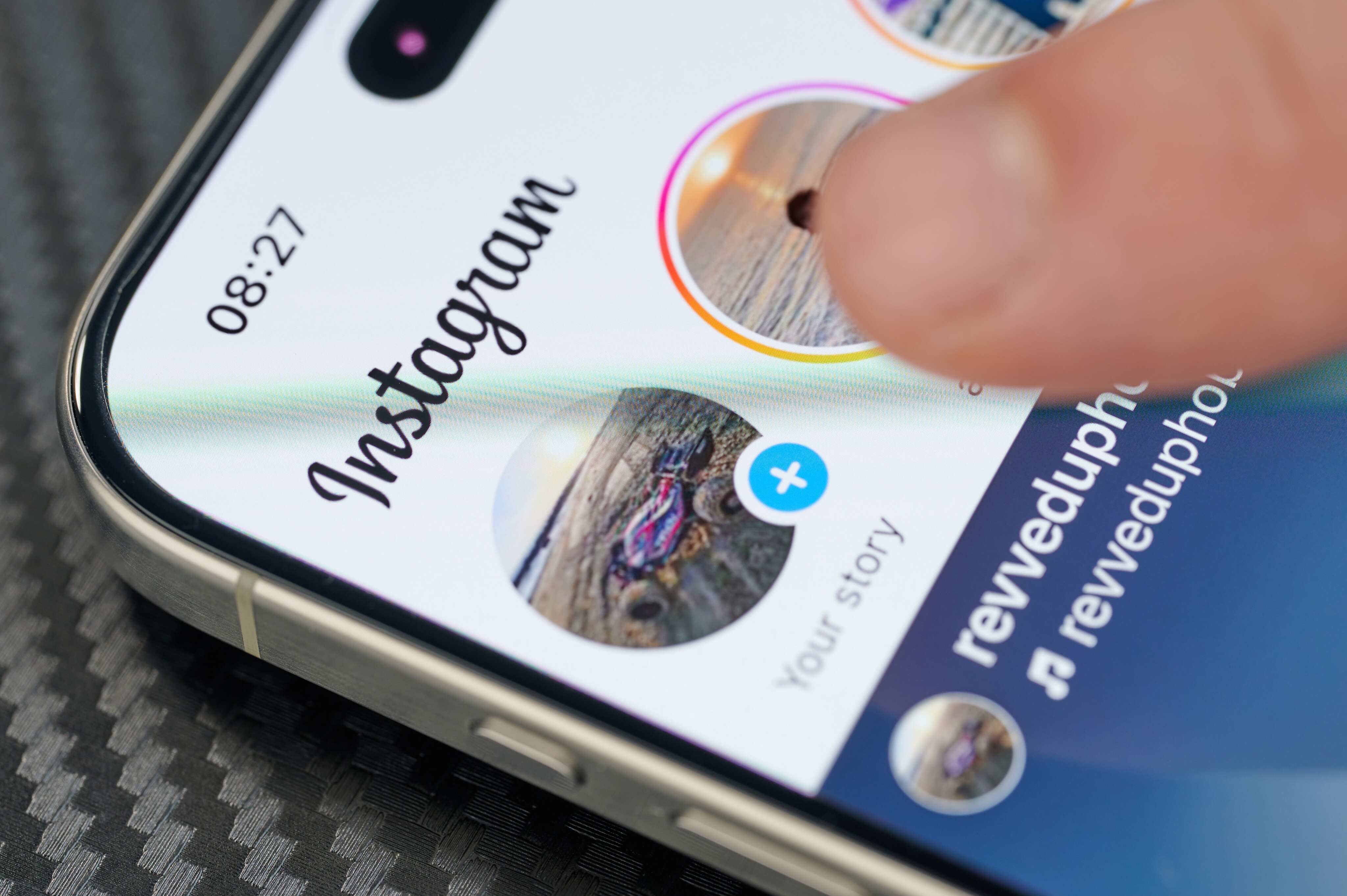
You may wonder how social media plays a role. Many platforms, such as YouTube, Instagram, and Snapchat, are believed to be harmless, providing just entertainment.
But studies show that teenagers’ excessive use of social media may disrupt their routines, causing them to sleep later or less. These platforms have also been linked to anxiety and depression in young people.
Help! I struggle with self-harm and don’t know who to turn to
As a teenager scrolls through endless reels featuring people their age with idealised appearances – such as wavy hair and an hourglass figure or muscular bodies – it changes how they perceive themselves.
This content, filmed in good lighting and perhaps with filters, makes them feel as if they are not good enough and that they are not meeting the beauty standard. This leads to anxiety about what our bodies look like. The adverse effects could include less frequent face-to-face interactions and, ultimately, a loss of connection with people. A whirlwind of problems could ensue, such as deep depression and self-harm.
We can reduce the negative effects of these platforms by limiting teenagers’ use. This simple action will have a significant impact: making this generation physically and mentally happier.
If you or someone you know is struggling with thoughts of self-harm, call Youth Outreach’s 24-hour hotline (9088 1023) or The Hong Kong Federation of Youth Groups’ Youthline (2777 8899), available Monday to Saturday from 2pm to 2am.
What Hong Kong students, psychologist think of Instagram’s new Teen Accounts
Raise the minimum wage further
Kingston Lu King-yip, Tsuen Wan Government Secondary School
I am writing to address Hong Kong’s statutory minimum wage and whether the recent 5.25 per cent increase will help workers.
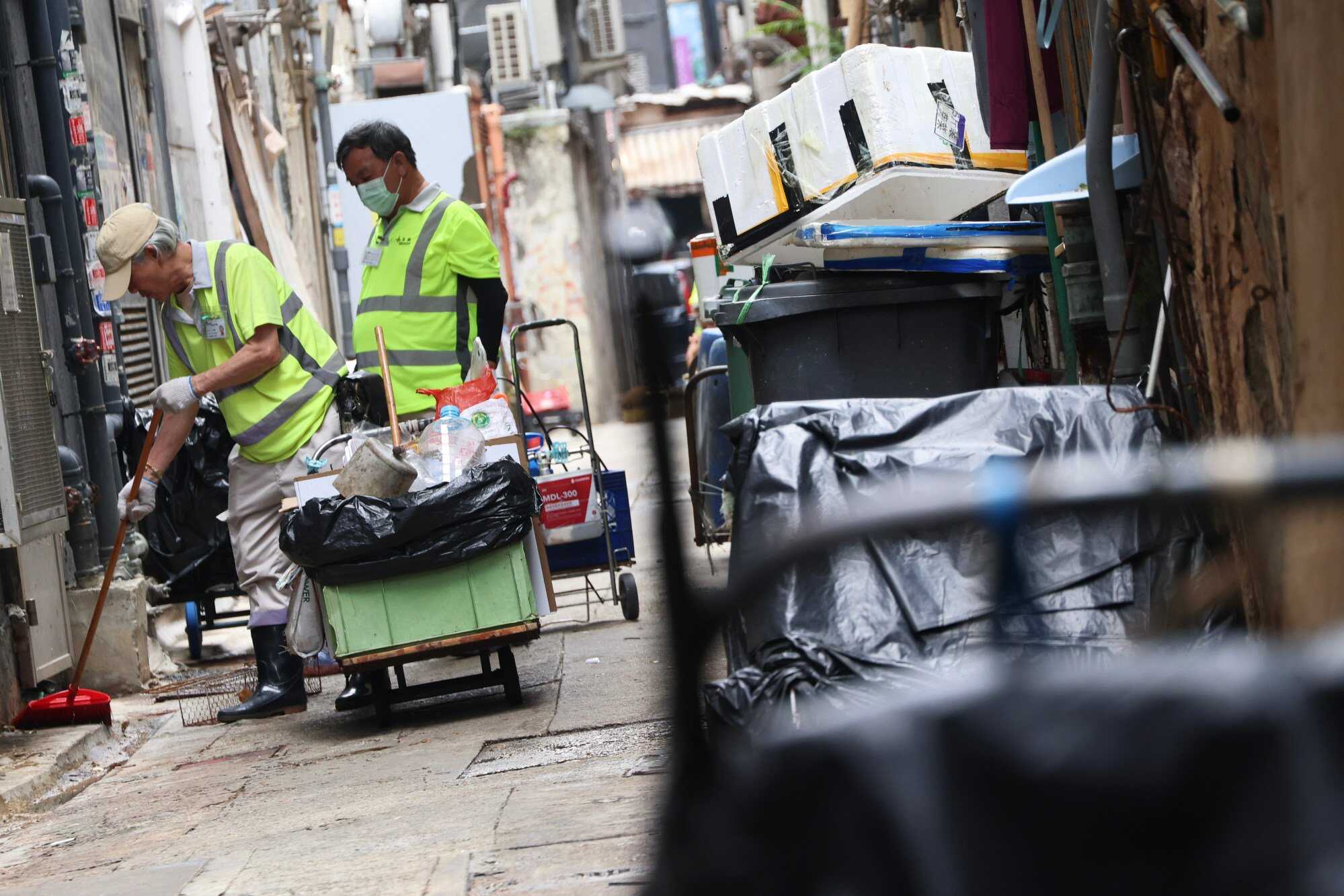
While this adjustment is a step forward, it may not sufficiently address the financial struggles faced by our lowest-paid workers, including cleaners and security guards, who often work long hours under challenging conditions.
Doubtlessly, this increase is a positive change; however, it falls short of meeting the rising costs of living in our city. Many workers still find themselves unable to afford basic necessities, such as housing, food and transport, which are essential for a decent quality of life.
To improve the livelihoods of these workers, the government should consider more substantial wage adjustments in future reviews.
Not only should wages be aligned with inflation, but there should also be a re-evaluation of the formula used to determine these increases. If this is possible, Hong Kong may be able to create an environment where every worker can thrive, not just survive.
In conclusion, while the recent wage increase is appreciated, it is vital to strive for a fairer minimum wage that genuinely supports the needs of all Hongkongers. Meaningful change is essential to building a more equitable society.
Explainer: How much will increasing Hong Kong’s minimum wage by 5.25% help workers?
A sustainable, green city
Tam Lap-him, Tsuen Wan Public Ho Chuen Yiu Memorial College
I am writing to express my views on the launch of electric ferries in Hong Kong, a step towards making the city more sustainable.
The new electric ferry operates three days a week between North Point and Hung Hom or Kowloon City, offering 52 single trips daily without recharging. Praise for the boats includes the absence of a diesel smell and the quietness throughout the journey, highlighting the benefits of using renewable energy-powered transport.
The vessels are also lighter in weight, but can carry more passengers. The government has subsidised the cost of constructing these electric ferries, and at least three more are in the process of being built for future operations.
The decision to fund these vessels shows that the government is determined to replace “unclean” vehicles with clean, renewable energy-powered ones.
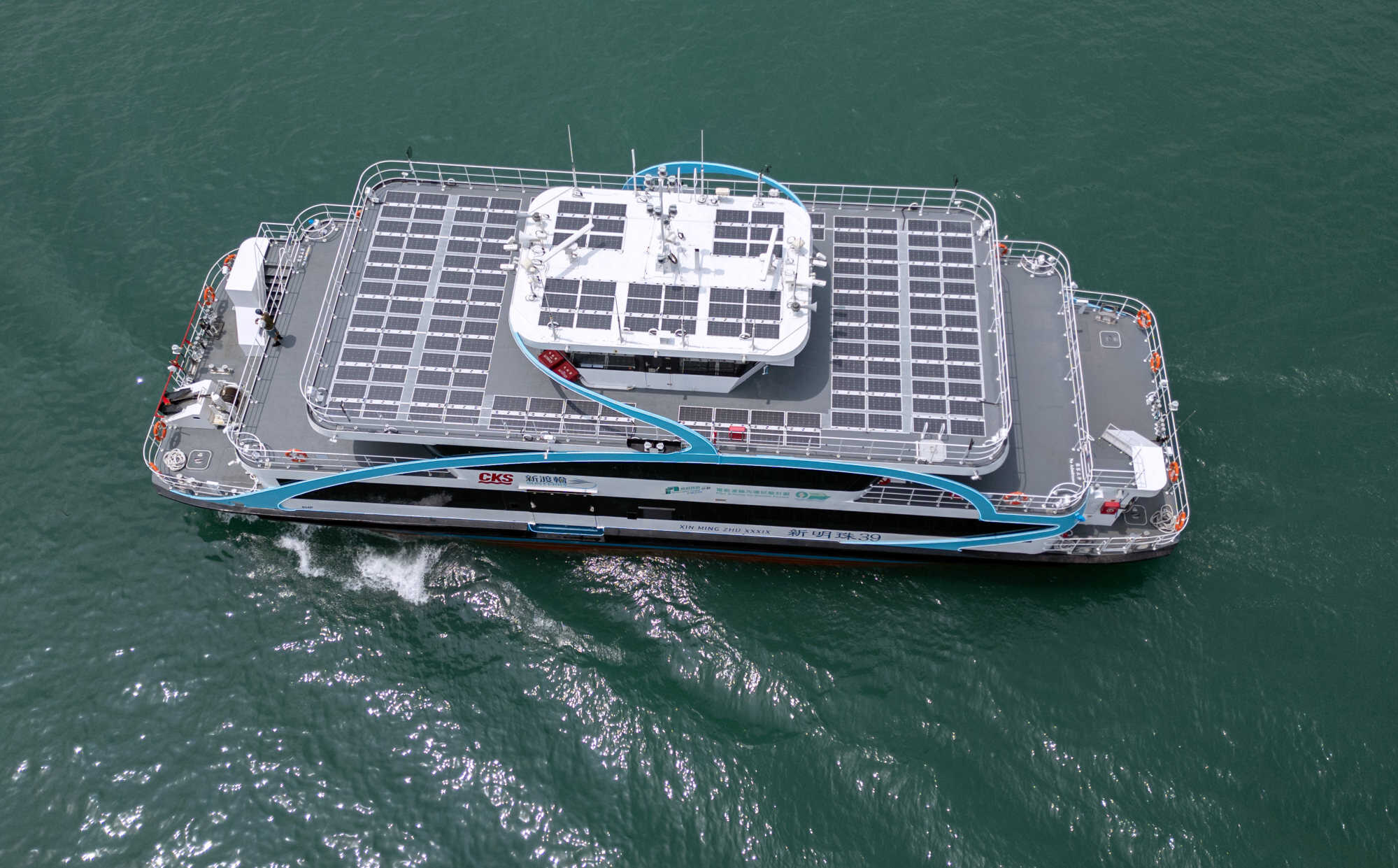
As we gradually shift the power source of ferries operating in Victoria Harbour, the air quality is likely to improve and the noise pollution will decrease. Journeys will also be less congested as electric vessels have higher passenger capacity than older boats.
The introduction of electric ferries in Hong Kong marks a significant milestone in the city’s pursuit of sustainability. And there are other forms of transport transitioning to renewable energy sources.
For example, KMB is introducing electric vehicles to its routes while Citybus runs hydrogen-powered buses alongside electric ones. The bus companies hope to replace their fleets with these sustainable options in the near future. It is clear that our streets will be cleaner and more refreshing without fossil fuel-powered vehicles.
Hong Kong debuts its first electric ferry, running 3 days a week during non-rush hours
However, I think Hong Kong can do more to become a truly sustainable city. For example, Singapore is known as a “garden city”, where its buildings largely integrate green designs such as plants on walls and roofs. This helps reduce the urban heat island effect, where cities are significantly warmer than the surrounding rural areas.
Becoming sustainable is a major development goal for many cities as problems due to climate change and pollution worsen. More can still be done in Hong Kong to become sustainable, improve the quality of living and combat global warming and climate change.
