




Content provided by British Council
Read the following text, and answer questions 1–9 below:
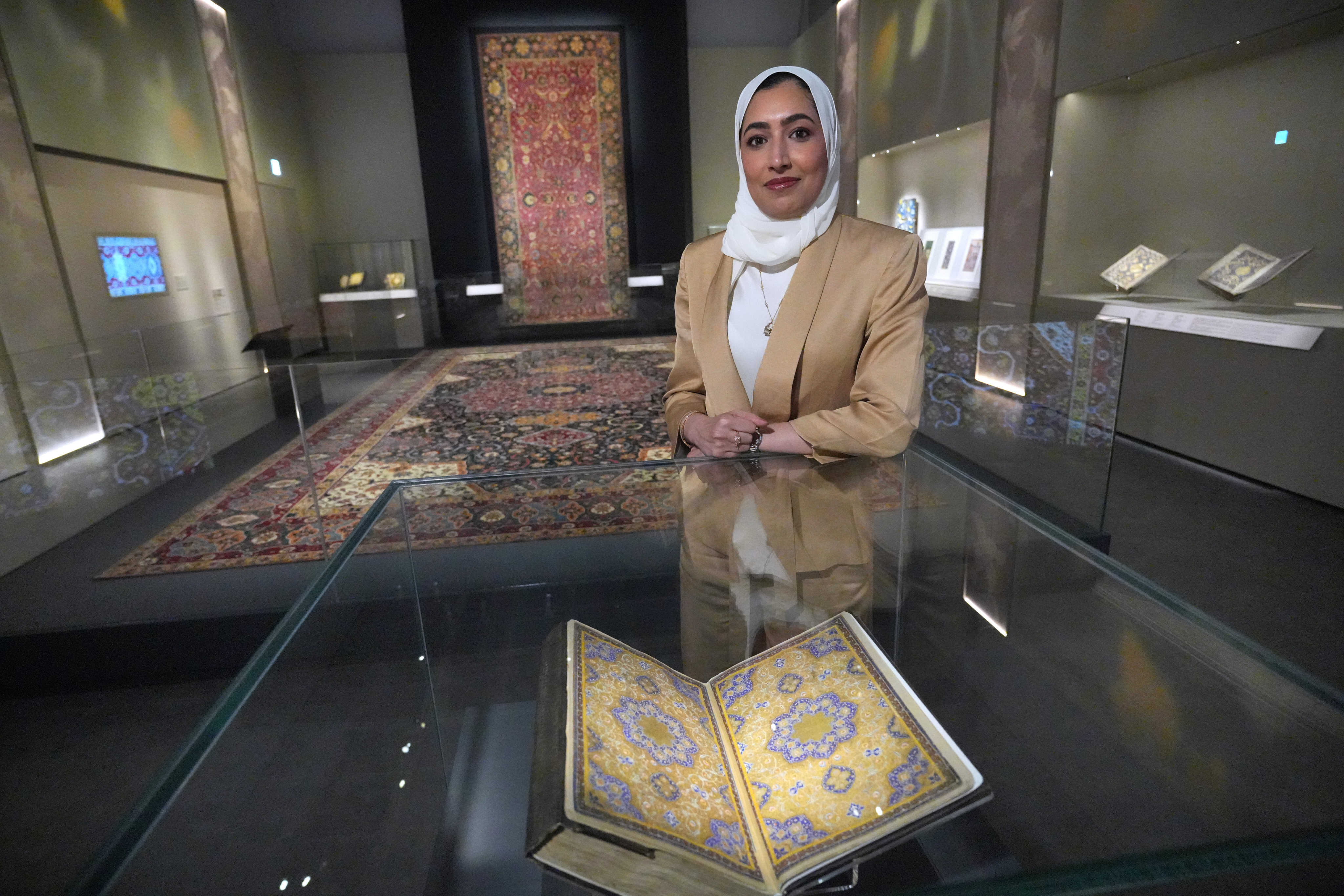
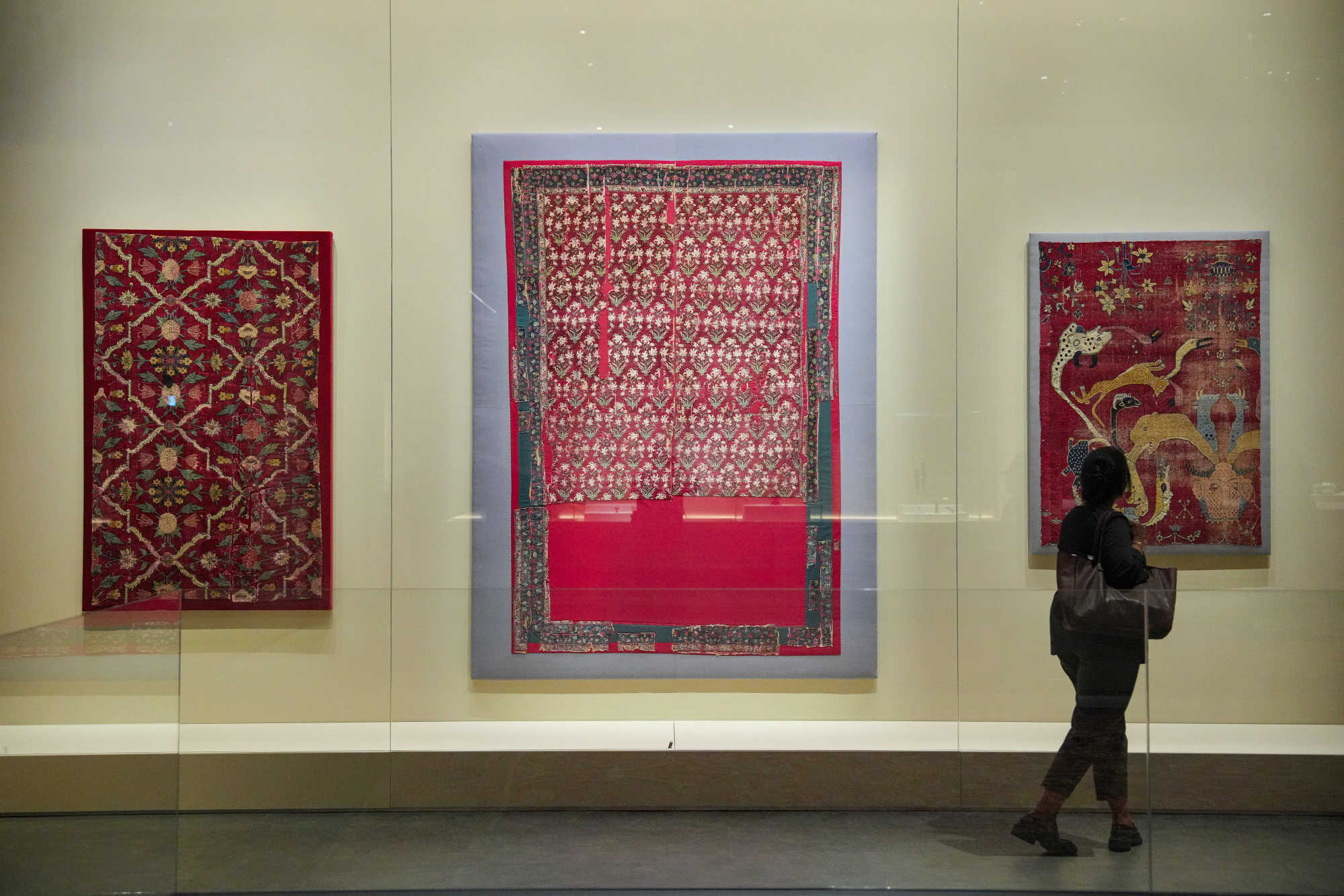
[1] An exhibition featuring 90 works of Islamic art opened in Hong Kong earlier this month, featuring carpets, ceramics and manuscripts from the 10th to the 19th centuries. The exhibition comes amid the city’s efforts to forge stronger ties with the Middle East.
[2] The show, “Wonders of Imperial Carpets: Masterpieces from the Museum of Islamic Art, Doha”, is hosted by the Hong Kong Palace Museum. It marks the Qatari institution’s debut in the city. “This exhibition showcases a millennium of cultural exchange between the Islamic world and China and sheds light on the historical roots of today’s Belt and Road Initiative,” said Hong Kong Palace Museum director Louis Ng Chi-wa, referring to Beijing’s scheme to grow global trade.
[3] Shaika Nasser Al-Nassr, director of the Museum of Islamic Art (MIA), said dozens of national treasures would be on display. They were chosen from a vast 12,000-piece collection. The show marked a “significant moment” for the institution, she explained. “This collaboration reflects our belief that art has the power to connect culture and transcend borders,” she said.
[4] The show’s organisers said it was the first major Islamic art exhibition to be held in the city. It will showcase artefacts from the Safavid dynasty (1501–1736), the Mughal dynasty (1526-1857) and the Ottoman dynasty (1299-1923) near modern-day Iran, India and Turkey, respectively.
[5] One of the star exhibits is a 16-metre-long (52 feet) wool and cotton carpet from the 17th century. It was woven for the palaces of the sultans in Hyderabad, a region known for diamonds that generated considerable wealth for its Muslim rulers. “We’re very, very lucky,” said Dr Ingrid Yeung, associate curator of the Hong Kong Palace Museum. She noted that the carpet had not even been displayed at the MIA.
[6] Yeung said the curators made a point of including more detailed text panels. Visitors can read descriptions in Arabic, Japanese and Korean, available from a QR code for the first time, in addition to the usual Chinese and English. The information will also be supplemented by maps and dedicated videos.
[7] Some exhibits illustrate the cultural influence the Islamic world and China had on each other. One example showcases three pairs of utensils – jugs, candlesticks and vessels that are similar in shape and size – but made of Chinese porcelain and brass from different parts of the Muslim world. “It’s not a religious exhibition. It’s about art and the interconnection of cultures,” Al-Nassr said.
[8] Organisers said they expected 80,000 to 100,000 visitors for the exhibition, which runs until October 6. Tickets cost HK$150 for timed entry, with concessionary tickets priced at HK$75.
Source: South China Morning Post, June 17
Questions
1. What is the time frame covered by the works in the exhibition according to paragraph 1?
2. What does the “Qatari institution” in paragraph 2 refer to?
3. Find a phrase in paragraph 2 that means to “provide understanding about something”.
4. According to paragraph 3, works in the exhibition were chosen from a collection of ... pieces.
A. no more than 10 dozen
B. exactly two thousand
C. more than ten thousand
D. one million
5. Decide whether the following statements, according to paragraphs 4 and 5, are True, False or the information is Not Given. (4 marks)
(i) The exhibition primarily showcases artefacts from the Mughal dynasty.
(ii) All the artefacts on display were created in modern-day China.
(iii) The 16-metre-long carpet used to be in a sultan’s main bedroom.
(iv) The carpet is made of two types of materials.
6. What was the region of Hyderabad famous for according to paragraph 5?
7. Based on paragraph 6, when was the last time the MIA showed the carpet to the public?
8. What languages do the texts and descriptions available via QR code appear in?
9. What is the purpose of including the three pairs of utensils mentioned in paragraph 7 in the exhibition?
Answers
1. the 10th to the 19th centuries
2. the Museum of Islamic Art
3. sheds light
4. C
5. (i) F; (ii) F; (iii) NG; (iv) T
6. diamonds
7. The MIA has never shown it to the public.
8. Arabic, Japanese, Korean, Chinese and English
9. It is to illustrate the cultural influences between the Islamic world and China and show the interconnection of cultures through art. (accept all similar answers)
