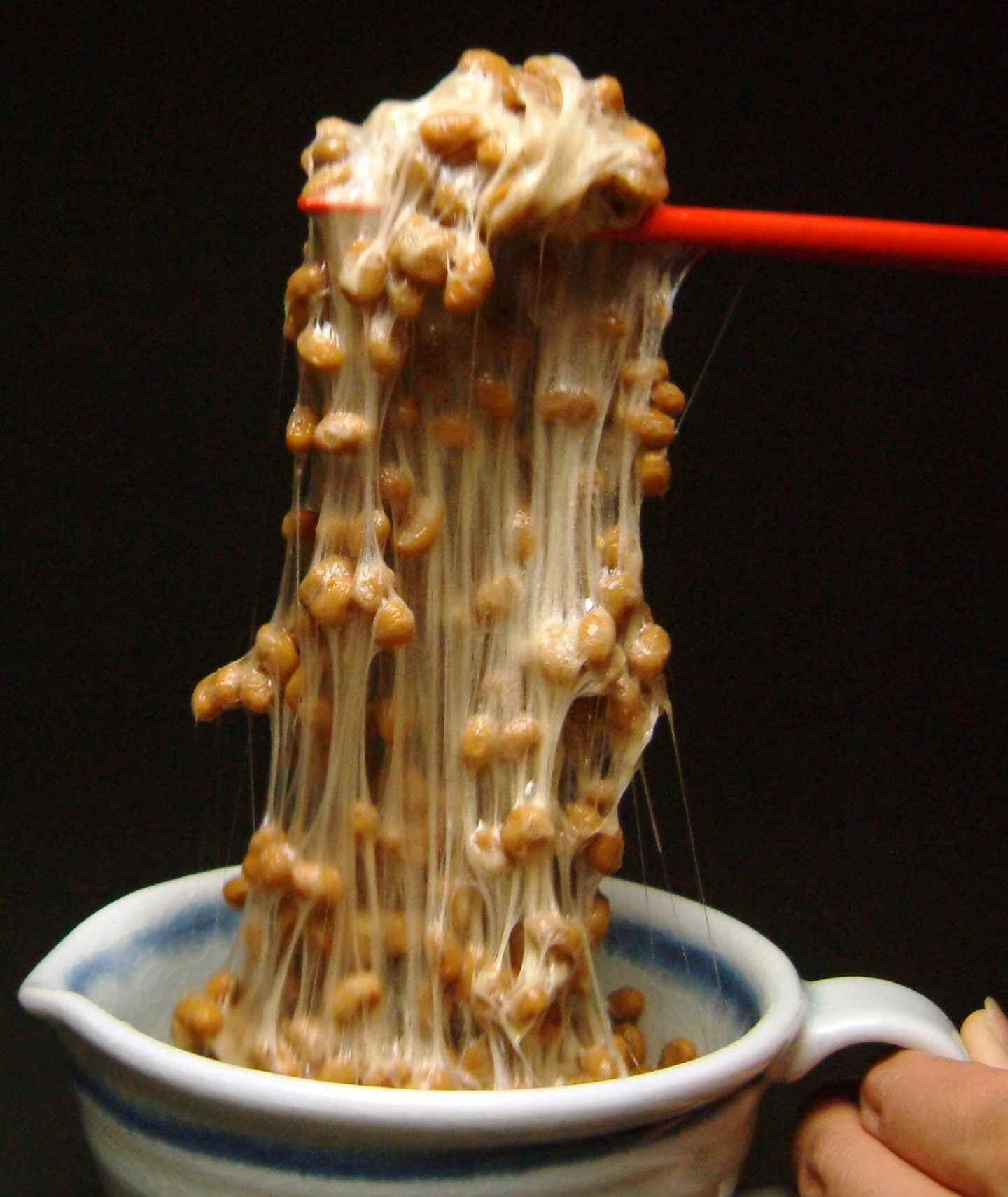
Natto, the Japanese fermented soybean superfood that people either love or hate, is becoming popular worldwide one slimy mouthful at a time.
The latest trade statistics indicate that Japan’s exports of the highly nutritious gooey beans tripled from 2017, reaching 5,248 tons in 2025, with China and the United States as the top destinations.
The dish, rich in beneficial bacteria, is a traditional Japanese breakfast staple, but its strong aroma, thick texture and yeasty flavour can be divisive, even in Japan.
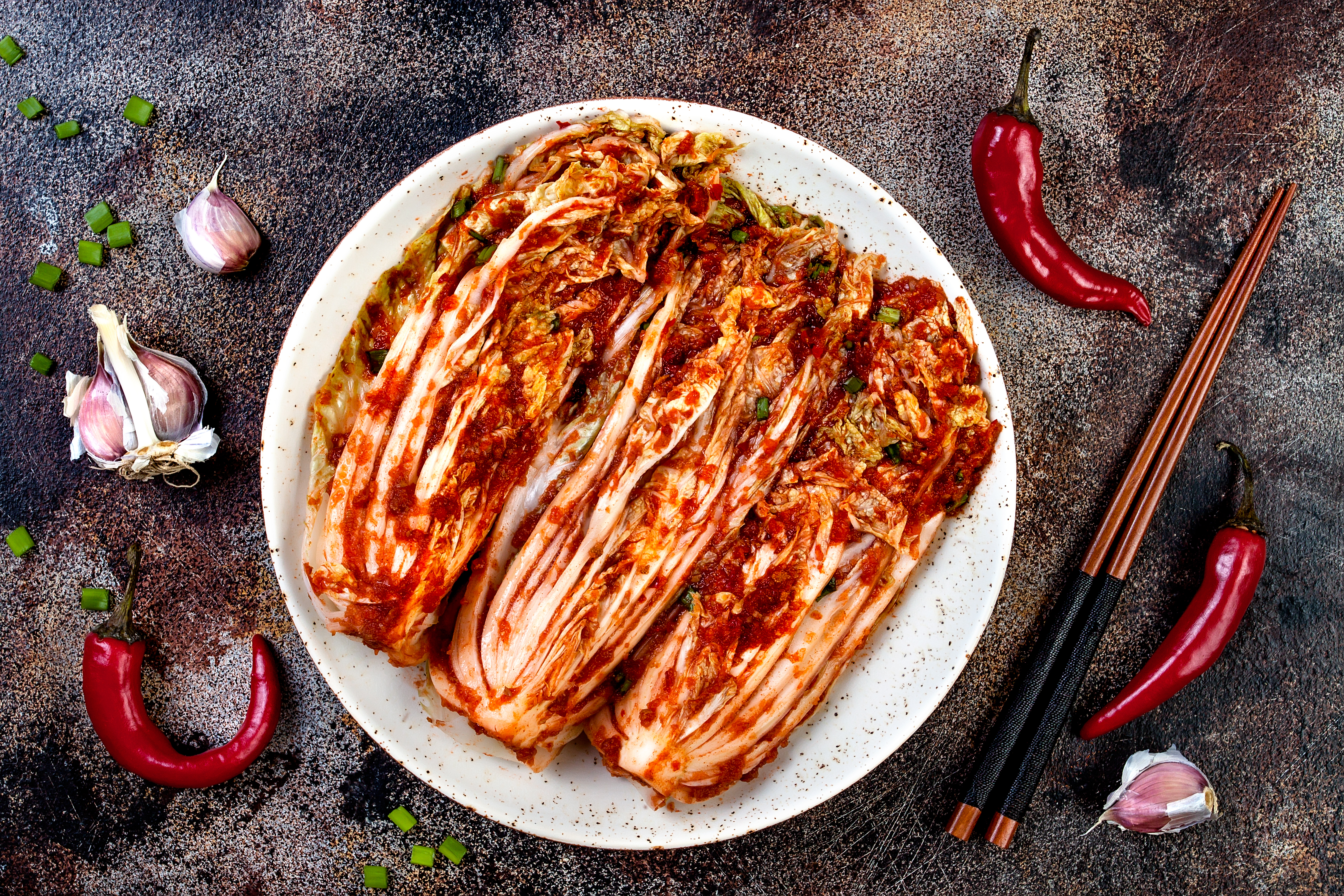
In recent years, natto has become one of several fermented foods, including kimchi and kombucha, that have gained popularity worldwide. This trend, especially prominent in the US, is driven by a growing interest in better digestive health following the Covid-19 pandemic (see graphic).
In China, too, the “trend towards health-consciousness, especially among the middle and upper-income classes,” is igniting interest in Japanese foods, the Japan External Trade Organisation said in a recent report.
In the US city of Los Angeles, at Japanese restaurant Suehiro, owner Kenji Suzuki has noticed more non-Japanese clients taking the plunge.
“When social media started talking about natto and that it’s a superfood, I think then more people wanted to see what it is, wanted to taste it – ‘Is it as bad as people say it is?’” Suzuki said.
“Some people maybe don’t like it, but other people, you know, they love it,” said the second-generation owner.
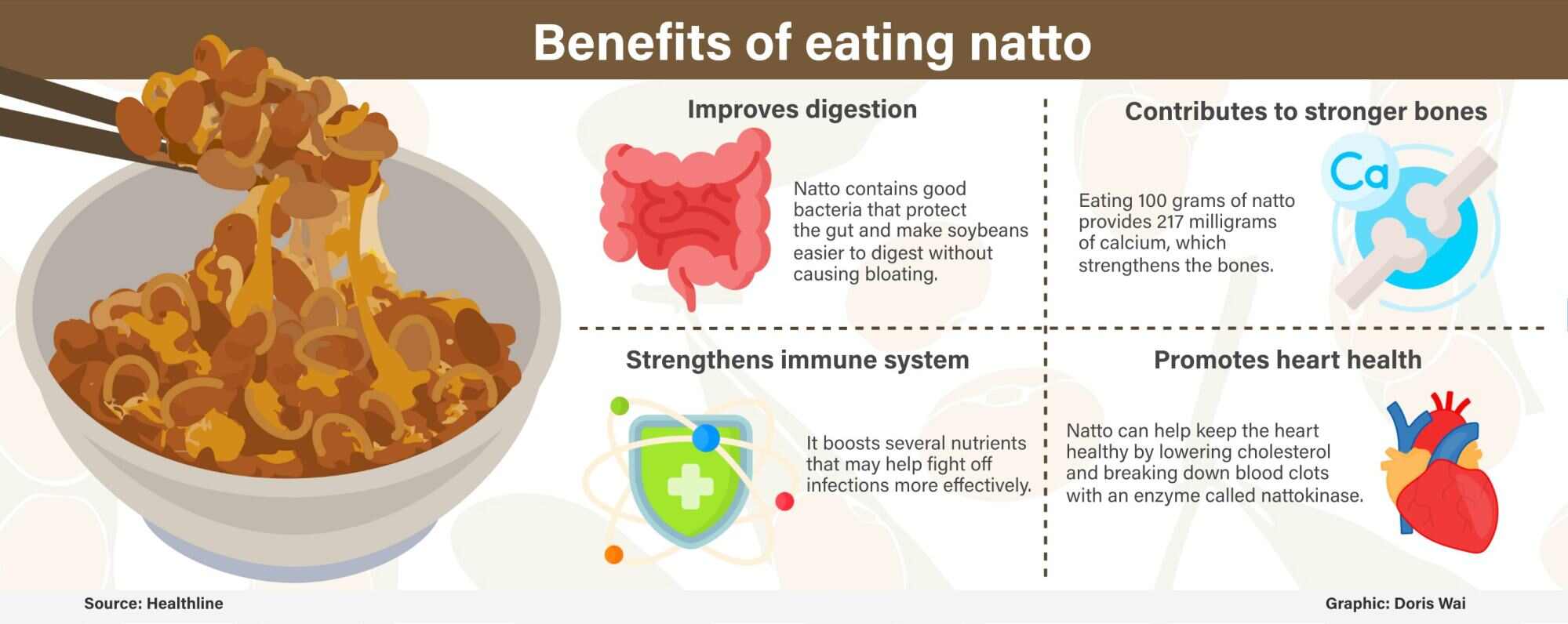
Aside from its supposed health benefits, natto – dubbed the “star student of pricing” – has long been loved in Japan for its stunning affordability.
A pack of three natto cups, each weighing 40 to 50 grams, usually sells for around 100 yen (approximately HK$5) or even less at supermarkets. Each pack typically includes small plastic sachets of mustard and soy sauce.
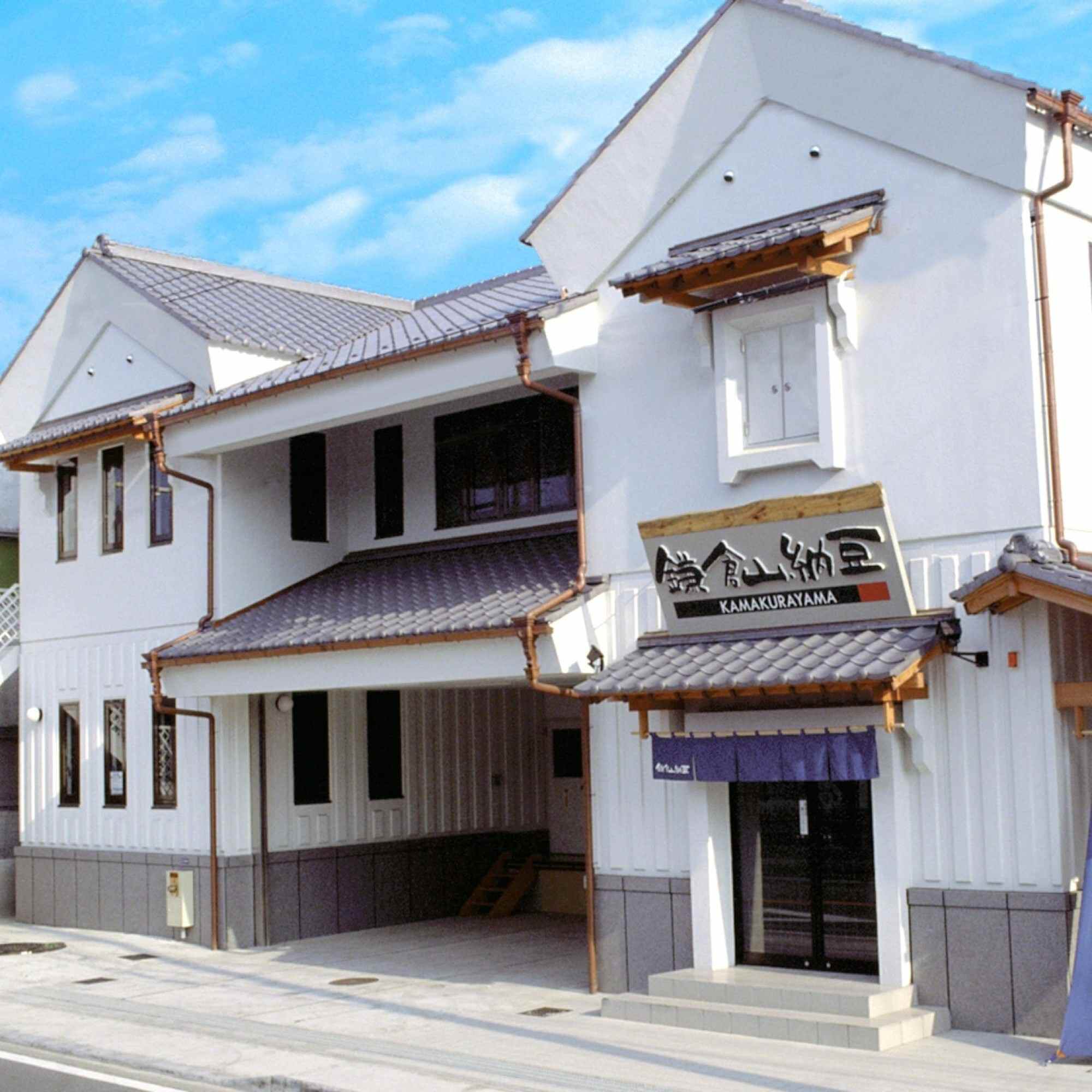
“Very few foods can be called as truly healthy a superfood as natto is,” said Yoshihiro Noro, former head of the Japan Natto Cooperative Society Federation. The 72-year-old is also the owner of his family-run business, Kamakurayama Natto.
“I hope an era will come when people will collectively see high-quality, high-end natto as worth shelling out their money on.”
And that is exactly what his company’s Kamakurayama Natto, touted as “extremely stringy” but minus “stinkiness and bitterness”, seeks to achieve.
At his factory west of Tokyo, workers wash, steam and generously spray the soybeans with bacteria, which then undergo 18 hours of fermentation.
Kamakurayama Natto is around three times the average price, but it has recently secured international orders from places like Hong Kong, Shanghai, Singapore and even Norway.
“I’ve heard that in some countries, people have been told natto is good for their health, so they force themselves to eat it even though they strongly dislike the taste,” Noro said.
“But keep eating it, and you will definitely get hooked.”
How is natto made?
First, soybeans are sorted and washed. Next, they are soaked in water to double their weight. This can take between seven and 18 hours, depending on the season. The process takes longer during the winter.
The soaked beans are steamed in a pressure cooker to kill bacteria and soften them.
Pure natto yeasts are sprayed onto the hot beans, which are then packed loosely into containers to allow air to pass through.
The beans ferment in a room at a temperature between 38 and 42 degrees Celsius for about 16 to 24 hours.
Afterwards, they are cooled and then placed in a refrigerator at 5 degrees Celsius to mature before being prepared for shipment.