Deep Dive delves into hot issues in Hong Kong and mainland China. Our easy-to-read articles provide context to grasp what’s happening, while our questions help you craft informed responses. Check sample answers at the end of the page.
News: Cracking down on private schools
-
Hong Kong private schools to come under more scrutiny after some were alleged to have run unauthorised courses
-
A proposed code of ‘best practice’ for these schools can be expected by end of year
Hong Kong’s leader has outlined plans in his annual policy address to step up the governance of private schools.
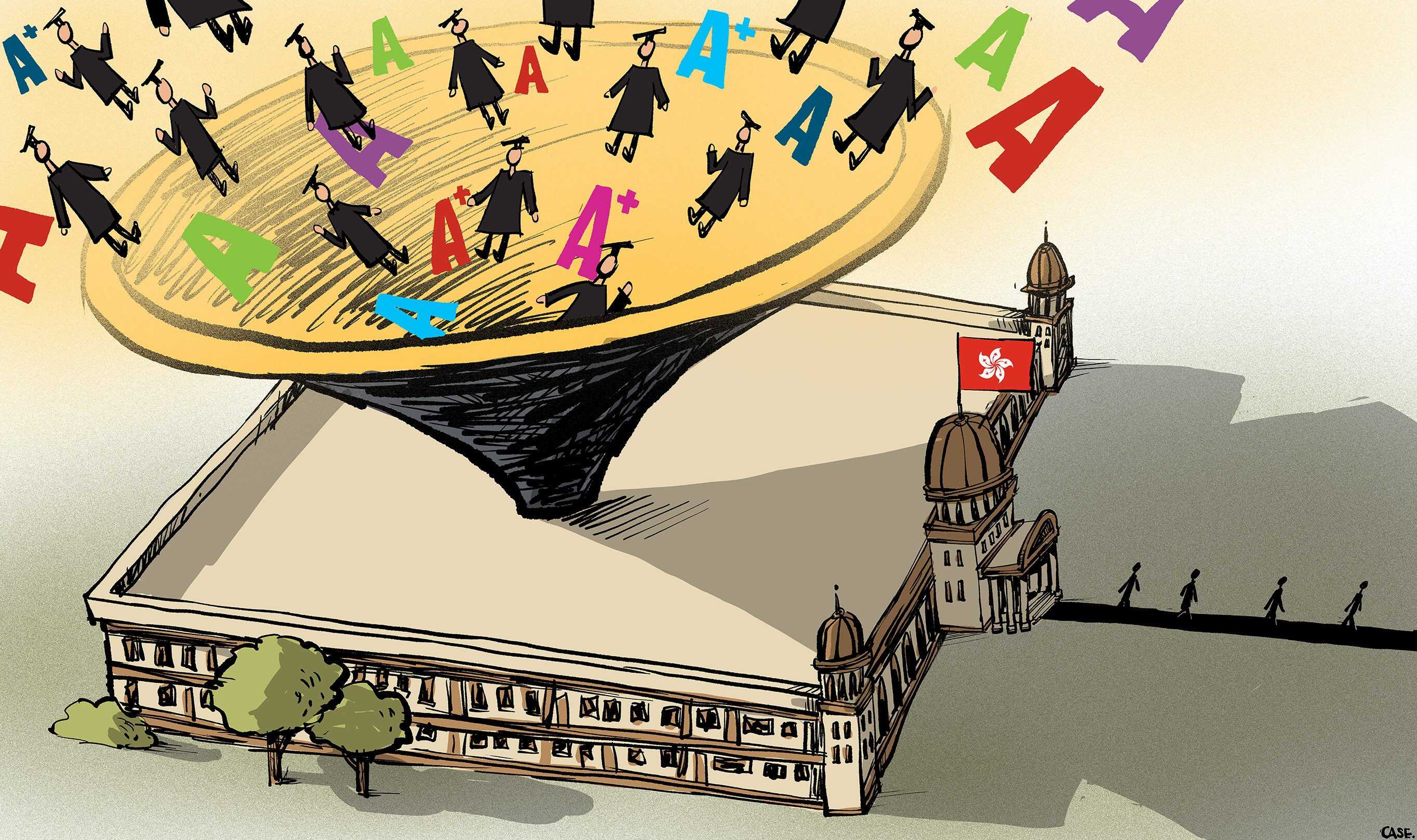
Chief Executive John Lee Ka-chiu said he would crack down on the unauthorised provision of courses for the Diploma of Secondary Education (DSE).
Authorities will set up a reporting mechanism and conduct unannounced school inspections. Lee also vowed to establish a code of conduct and compile a list of institutions to improve the standards of school operations.
A government source confirmed that the strengthened regulations were announced after some private schools were found to have operated inappropriately recently.
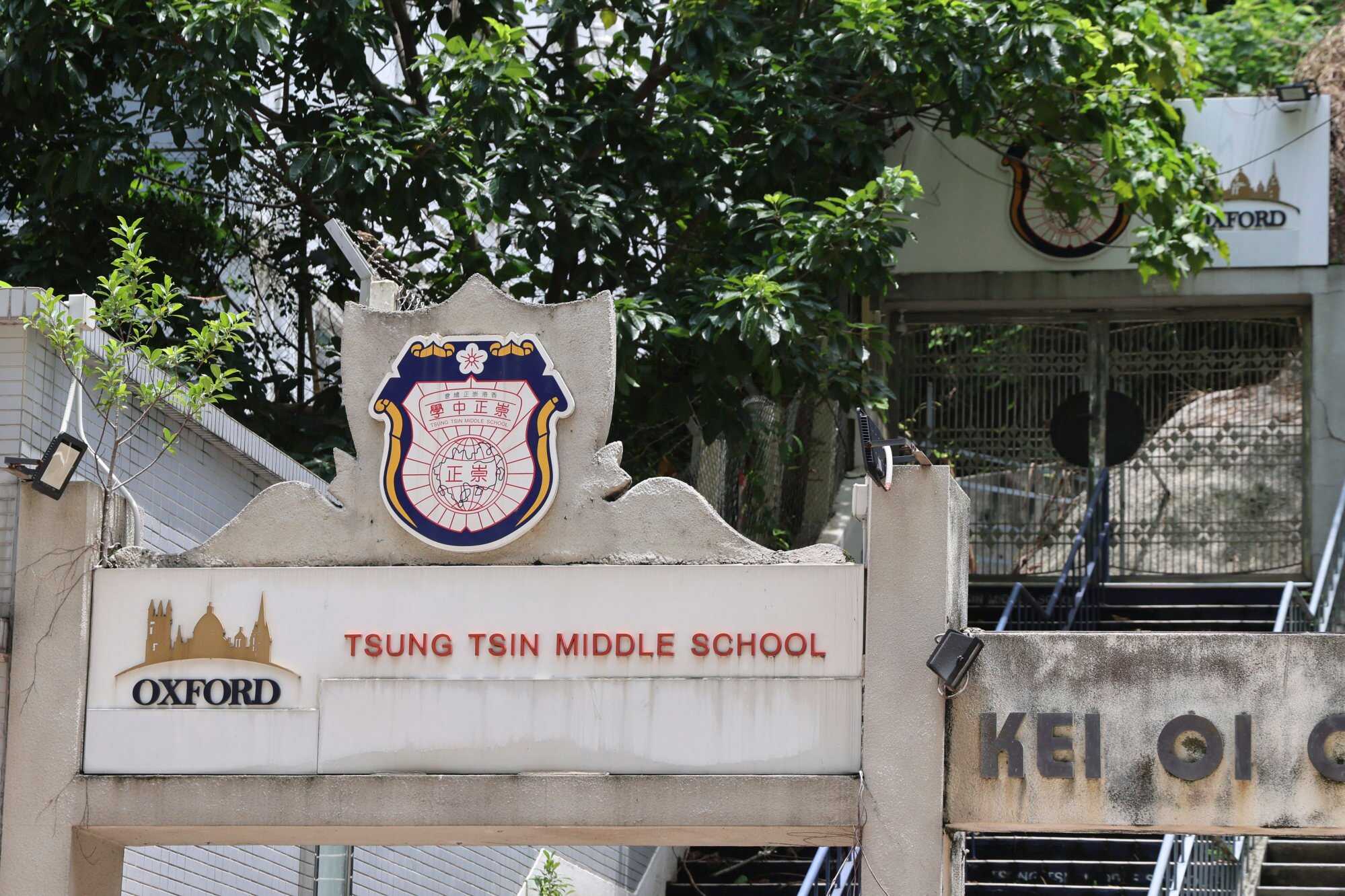
The Education Bureau revoked the licence of the privately run Tsung Tsin Middle School this month for poor management. The school had also been accused of collaborating with a mainland Chinese tutorial centre to provide unauthorised DSE courses.
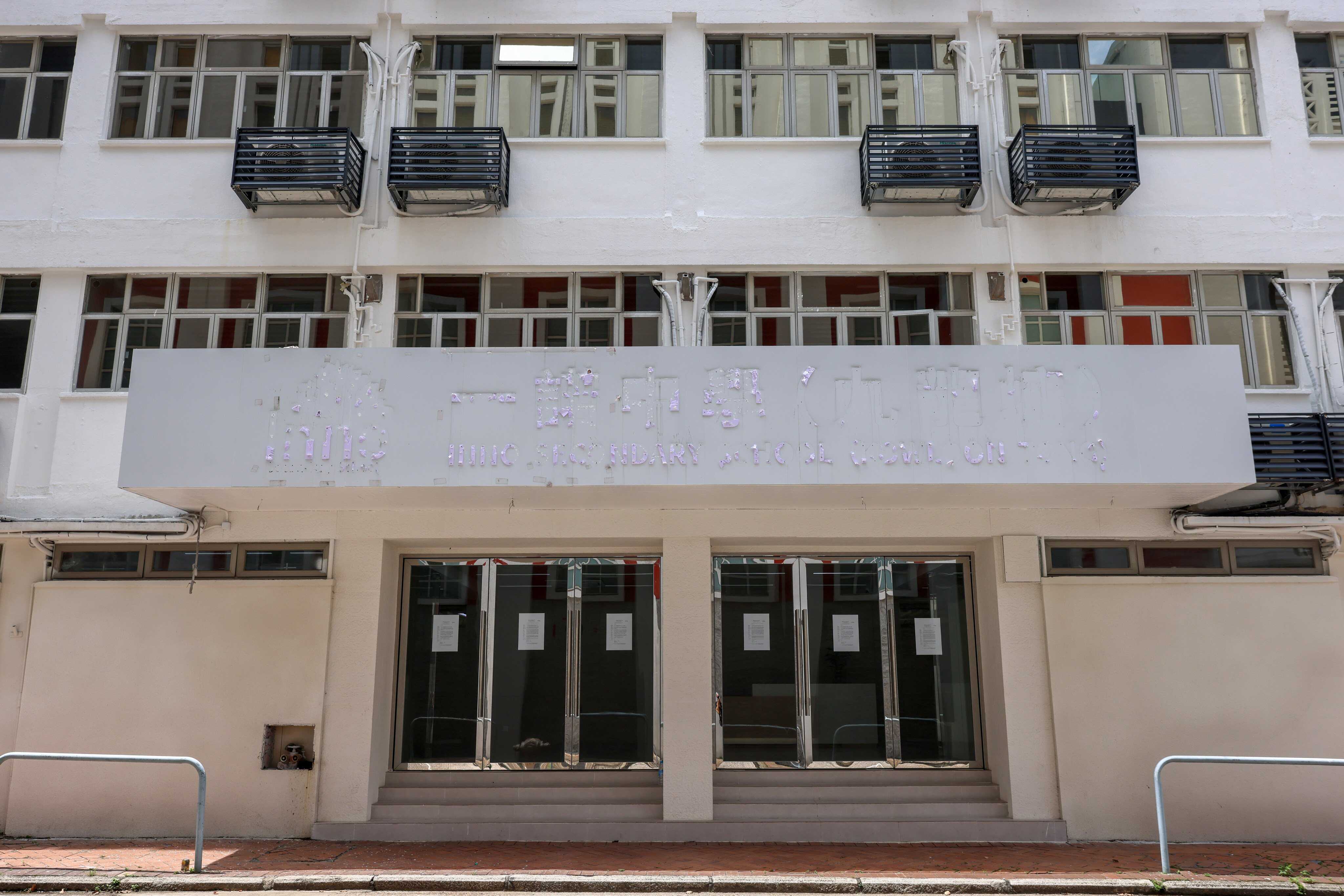
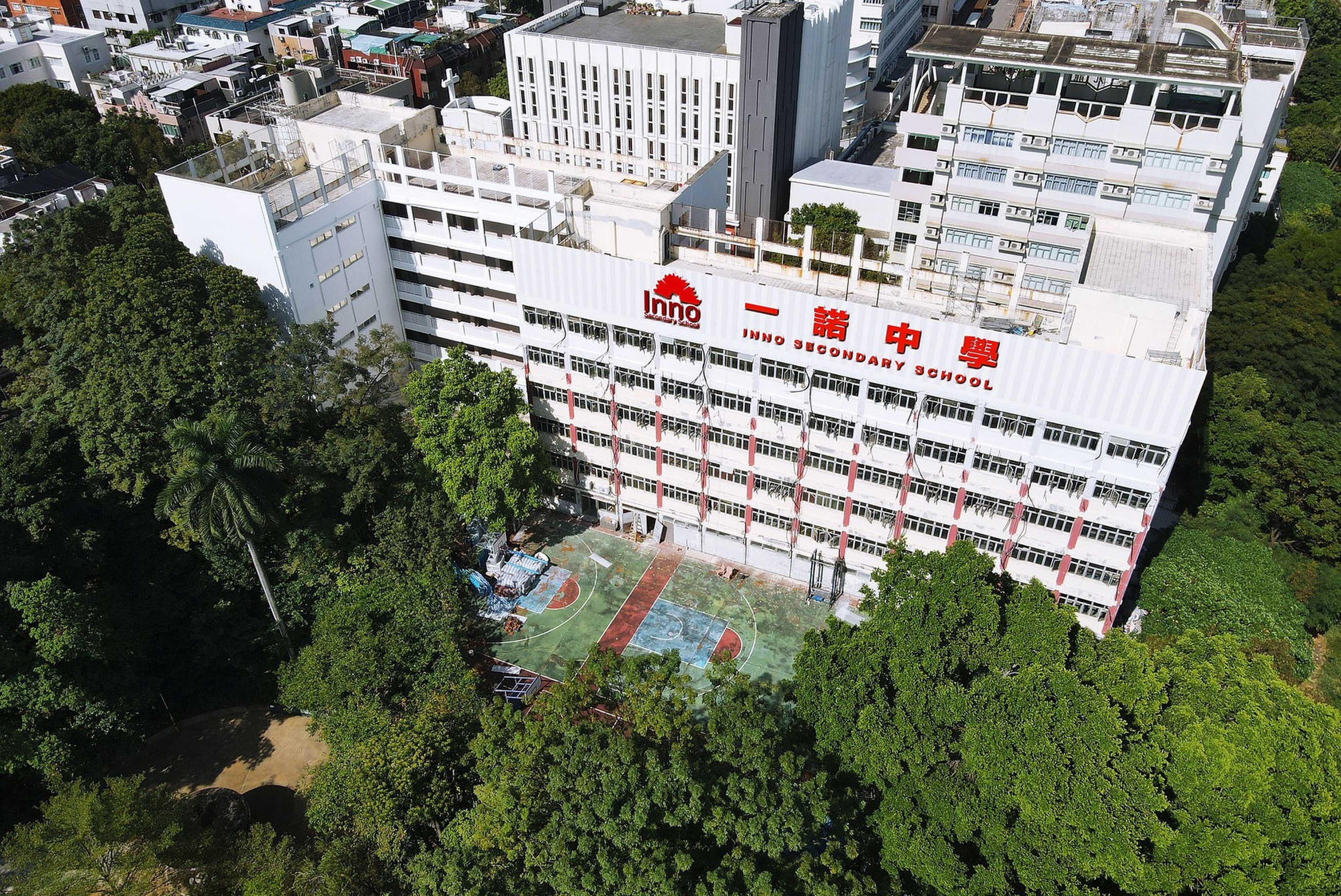
Authorities also suspended another private institution, Inno Secondary School, for poor management. The school allegedly collaborated with a third party to enable students outside Hong Kong to qualify for subsidised university programmes.
At least four other schools, including subsidised ones, were also alleged to have engaged in such activities. In response, the government has formed a task force and will conduct raids on institutions from the beginning of the current academic year this month.
Secretary for Education Christine Choi Yuk-lin said last month that the authorities would make public a list of private schools that had promised to operate legally.
The proposed code of practice for private schools will cover various areas, including operational management, fees and promotional practice. The source said failure of schools to comply with the codes did not necessarily mean they were operating illegally. It would just imply that they did not follow best practice.
The insider said the codes were expected to be released by the end of this year. The insider added that the private school list would also be available within the current academic year after the authorities conduct compliance checks.
Lawmaker Tang Fei, a former secondary school head, said the measures may address some concerns about private institutions. But Tang urged the government to make the code of practice more transparent and accessible to the public.
Staff writers
Question prompts
1. Which of the following is true, according to the information in News?
(1) If a school fails to comply with the code of conduct, it is operating illegally.
(2) At least six schools have been accused of mismanagement recently.
(3) Hong Kong aims to release the codes by the middle of next year.
(4) The compiled list of private schools will be available after the authorities conduct compliance checks.
A. (1), (2) only
B. (2), (3) only
C. (1), (3) only
D. (2), (4) only
2. Based on the information in News, list TWO incidents that prompted this crackdown.
3. What views has lawmaker Tang Fei expressed about the proposed codes?
Photo
Question prompts
1. Describe what you see in this photo and how it relates to News.
2. Use News and your own knowledge to explain a benefit and a drawback of the proposed crackdown.
Issue: Adding foreign pupils to Hong Kong semi-private schools
-
Hong Kong will allow semi-private schools to enrol overseas students
-
The trial scheme hopes to open the city’s primary and secondary education market
Chief Executive John Lee Ka-chiu announced in his recent policy address that Hong Kong will allow semi-private schools to apply for expanded enrolment of overseas students.
The Education Bureau will launch the trial scheme for schools under the Direct Subsidy Scheme (DSS) to increase the number and size of classes. It will expand these schools’ intake of non-local pupils on student visas who are self-financing their studies.
Under the city’s immigration policy, students from mainland China, Taiwan, Afghanistan, Cuba, Laos, North Korea, Nepal and Vietnam are not eligible to apply for student visas.
A government source said the move aimed to allow DSS schools to increase their enrollment of non-local students. Pupils with student visas can choose from DSS, private and international schools.
The source also said the scheme is a bid to open the city’s primary and secondary education market and gauge the interest of overseas students.
“Hong Kong wants to build itself as an international education hub,” the insider said, adding that government and aided schools should only cater to locals.
The source said the government would assess whether schools had sufficient capacity, including classrooms and staff, to accommodate the expansion.
There are 78 DSS institutions in Hong Kong, including 57 secondary and 21 primary schools. Nine of them cover primary and secondary grades.
Dion Chen, chairman of the Hong Kong Direct Subsidy Scheme Schools Council, said the sector welcomed the initiative. He revealed that about 200 pupils on student visas were studying in DSS schools, mainly in secondary grades. He said they came from Europe, the United States and Southeast Asian countries.
“I expect schools enrolling non-Chinese students would be interested in expanding their enrolment,” he said. “Most of those coming to Hong Kong are aiming for the city’s universities ... and would like to become familiar with the situation in Hong Kong.”
The Hong Kong Subsidised Secondary Schools Council welcomed the move to open up the basic education system, said chairwoman Lee Yi-ying.
City leader Lee also said in his address that the government would intensify efforts to promote international recognition of the city’s university entrance exam. The Diploma of Secondary Education (DSE) is already recognised by 1,100 higher education institutions worldwide. The government will also explore the possibility of developing an international version of the DSE.
Staff writers
Question prompts
1. Which of the following statements is true, according to the information in Issue?
(1) Students from Nepal and Vietnam cannot attain student visas for Hong Kong.
(2) Hong Kong’s DSS schools comprise 57 primary schools, 21 secondary schools and nine that cover both.
(3) More than 1,000 higher education institutions across the world recognise the DSE.
(4) Most of the 200 pupils in DSS schools on student visas are from Canada.
A. (1), (2) only
B. (2), (3) only
C. (1), (3) only
D. (2), (4) only
2. Describe how Dion Chen views the scheme.
3. List TWO potential good outcomes of the scheme. Explain using Issue, Glossary and your own knowledge.
Graph

Question prompts
1. What is being shown in the graph? How does it support the information provided in Issue?
2. How might an increase in non-local students affect schools and classrooms? Explain using your own knowledge.
Glossary
policy address: a speech given by Hong Kong’s chief executive to the city’s Legislative Council that outlines policy objectives, initiatives and the legislative agenda for the next year
Diploma of Secondary Education (DSE): Hong Kong’s university entrance examination, a standardised, citywide public exam that completes students’ secondary school education and qualifies them for tertiary education
Education Bureau: the city’s official government department that formulates and implements education policies in Hong Kong, from pre-primary through tertiary
subsidised: having part of the cost for something paid for by an outside source, such as the government or an organisation
Direct Subsidy Scheme (DSS): an educational initiative for private primary and secondary schools that provides these institutions with funding from the government while maintaining some autonomy. These schools are considered “semi-private”, a blend of public and private education, and decide their curriculum, fees and entrance requirements.
student visas: official documents that allow foreign nationals to study in a different place
Sample answers
News
-
D
-
The Education Bureau revoked the licence of the privately run Tsung Tsin Middle School this month for poor management and for allegedly collaborating with a mainland Chinese tutorial centre to provide unauthorised DSE courses. Authorities also suspended the private Inno Secondary School for poor management. The school allegedly collaborated with a third party to enable students outside Hong Kong to qualify for subsidised university programmes.
-
Lawmaker Tang Fei said the measures may address some concerns about private institutions. But he urged the government to make the code of practice more transparent – easier to understand – and accessible to the public.
Photo
-
This photo shows the gate of Tsung Tsin Middle School. In News, this privately run school’s licence was revoked for poor management. The school was also accused of collaborating with a mainland Chinese tutorial centre to provide unauthorised courses for the city’s university entrance exam on its campus.
-
This crackdown will encourage schools to comply with the rules and regulations. It will also highlight any other inappropriate operations among Hong Kong schools. These issues can be fixed in a more systematic and timely manner. However, the codes may be complicated, especially for the general public to understand. Additionally, it may cost the government money, time and resources. (accept all reasonable answers)
Issue
-
C
-
Dion Chen welcomes the initiative. He expects schools with non-local students will be interested in expanding their enrolment and that the scheme will give overseas students a chance to familiarise themselves with Hong Kong. (accept all similar answers)
-
The scheme will hopefully increase the number of non-local students in Hong Kong schools in both primary and secondary grades. The scheme could open the city’s education market and build Hong Kong into an international education hub. The scheme could also help Hong Kong’s university entrance exam gain more global recognition. It could push the government to develop an international version of the exam, increasing the city’s scholarly reputation. (accept all reasonable answers)
Graph
-
The graph shows the number of secondary school students in Hong Kong’s Direct Subsidy Scheme schools. There is an overall downward trend, from around 49,000 in 2013 to a low of under 44,000 in 2022, over a period of less than a decade. In 2023, the number increased to 45,000. This decrease in student numbers is one of the reasons that DSS schools want to expand the pool of students who can enrol.
-
Schools might have a more diverse student body, introducing young Hongkongers to various backgrounds and perspectives. The increase in young non-local people will help the city grow into a truly diverse and international place. It can also support the education sector as the city has an ageing population. This can keep Hong Kong schools from having to close, and the quality of education can improve since these students will contribute to school fees. (accept all reasonable answers)