
The English language made its way to the Americas in the late 16th century. Over the past 400 years, the language used in what is now the United States has diverged from that of the United Kingdom, not just in pronunciation but in grammar rules, vocabulary, punctuation and of course, spelling.
Some US spellings are shared with other forms of English, such as in Canada, Australia and New Zealand. Generally, spoken English is mutually intelligible across the world – but when writing, you may have to take extra care if you want to be accurate to any one form of English. Here are seven British spellings that might seem complicated, and we dive into their origins and their American counterparts.
anaesthesia (UK)
anesthesia (US)
Origin: medical Latin from the Greek word anaisthesia. The prefix an- means without, while aisthesis means feeling.
Meaning: the use of a drug that causes someone to lose feeling, especially for pain, during a medical procedure
archaeologist (UK)
archeologist (US)
Origin: either the French word archéologie, meaning “ancient history”, or directly from the Greek word arkhaiologia, meaning “the study of ancient things”, plus the suffix -ist. The final meaning in English was recorded by 1825.
Meaning: a person who studies the cultures of the past and periods of history by examining parts of buildings and objects found in the ground
diarrhoea (UK)
diarrhea (US)
Origin: diaria, meaning the “morbid frequent evacuation of the bowels”, comes from the Old French diarrie, which came from Late Latin diarrhoea, from the Greek diarrhoia. The Greek word literally meant “to flow through”.
Meaning: an illness where waste matter is emptied from the bowels in liquid form and more frequently than normal

jewellery (UK)
jewelry (US)
Origin: juelrye, meaning “precious ornaments or jewel work”, from the Old French word juelerye
Meaning: objects such as rings, necklaces and bracelets that people wear as decoration
manoeuvre (UK)
maneuver (US)
Origin: from the French word manoeuvre, meaning “manipulation”, and from the Old French word manovre, meaning “manual labour”
Meaning: a movement performed with care and skill
paediatrician (UK)
pediatrician (US)
Origin: pediatric comes from the Latinised form of the Greek word paid, “child”, and the Greek word iatrikos, meaning “healing”, with the suffix -ian
Meaning: a doctor who studies and treats the diseases that affect children
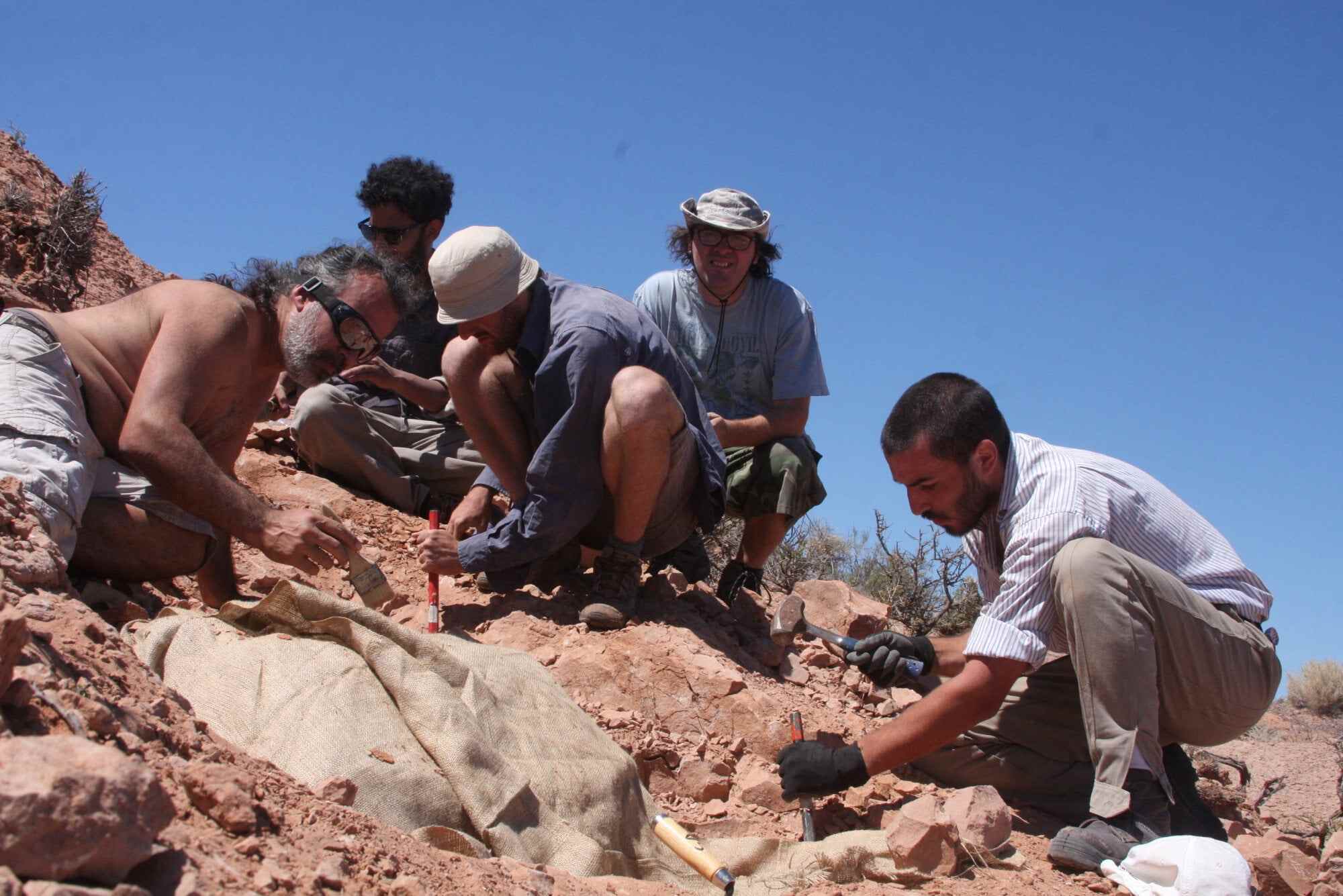
palaeontologist (UK)
paleontologist (US)
Origin: probably from the French word paléontologie or from the Greek words palaios, meaning “old or ancient”, and ontologie, meaning “the science or study of being and the essence of things”, with the suffix -ist
Meaning: a person who studies fossils, the parts of a dead animal or a plant that have become hard over time and turned into rock