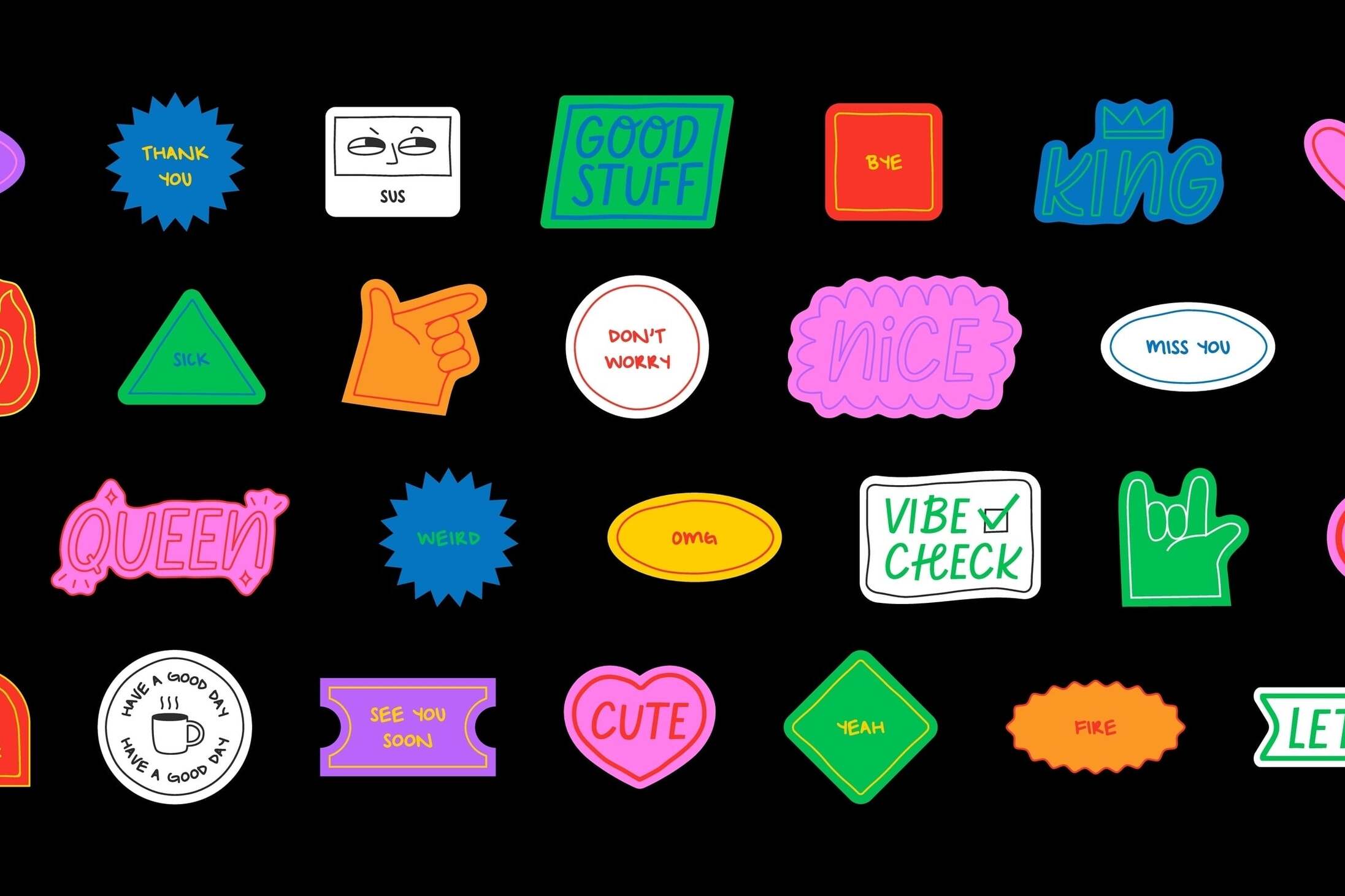
In today’s fast-paced digital world, effective communication is more important than ever. As we navigate different forms of interaction – such as emails, reports or formal presentations – the choice of language plays a crucial role in conveying professionalism and clarity.
The use of abbreviations and slang can undermine the seriousness of our message. By understanding and using full words and formal phrases rather than casual shorthand, we can ensure our messages are received with the gravity and respect intended.
GOAT (Greatest Of All Time)
Meaning: considered the absolute best in a specific field
Alternatives: champion, best, number one or greatest of all time
Example: When it comes to basketball, Michael Jordan is the greatest of all time.
LOL (laugh out loud)
Meaning: to see or read something so funny that you can’t help but laugh
Alternative: use the whole phrase instead of the acronym
Example: That joke was so funny that I couldn’t help but laugh out loud.
Lit
Meaning: masterful, outstanding or highly successful
Alternatives: excellent, amazing, extraordinary or spectacular
Example: Have you seen that new zombie movie? It’s amazing!
BC (because)
Meaning: by reason of; due to
Alternatives: “Because” is acceptable in some writing – just spell the word out. However, phrases like “due to” sound more professional.
Example: The game was cancelled due to the rain.
TL;DR (Too Long; Didn’t Read)
Meaning: used either to label a brief summary of a long text or to complain that a passage of writing is too lengthy
Alternatives: summary, recap, review or rundown
Example: Give me a recap of the book; I didn’t read it!
IMHO (In My Humble Opinion)
Meaning: in my personal view; I think
Alternatives: If you are writing a persuasive essay, you can use the phrase “in my opinion”. For other forms of formal writing, choose phrases that show there is evidence to back your claims, such as “based on my assessment”.
Example: Based on my assessment of the data, Hong Kong’s summers are getting hotter.