Friday the 13th is around the corner, an unlucky day in Western superstition. But is the number unlucky? Colgate University in New York begs to differ. According to legend, it was founded by 13 men with US$13, 13 prayers and 13 articles – and it’s considered the institution’s lucky number.
Thirteen is also the sixth prime number, part of the Fibonacci sequence and a happy number – a number which eventually reaches 1 when the number is replaced by the sum of the squares of each digit.
But despite its numerical accomplishments, some are still uneasy with 13, which comes after the easily divisible, even number 12. Here are 13 idioms, terms and people related to the polarising number.
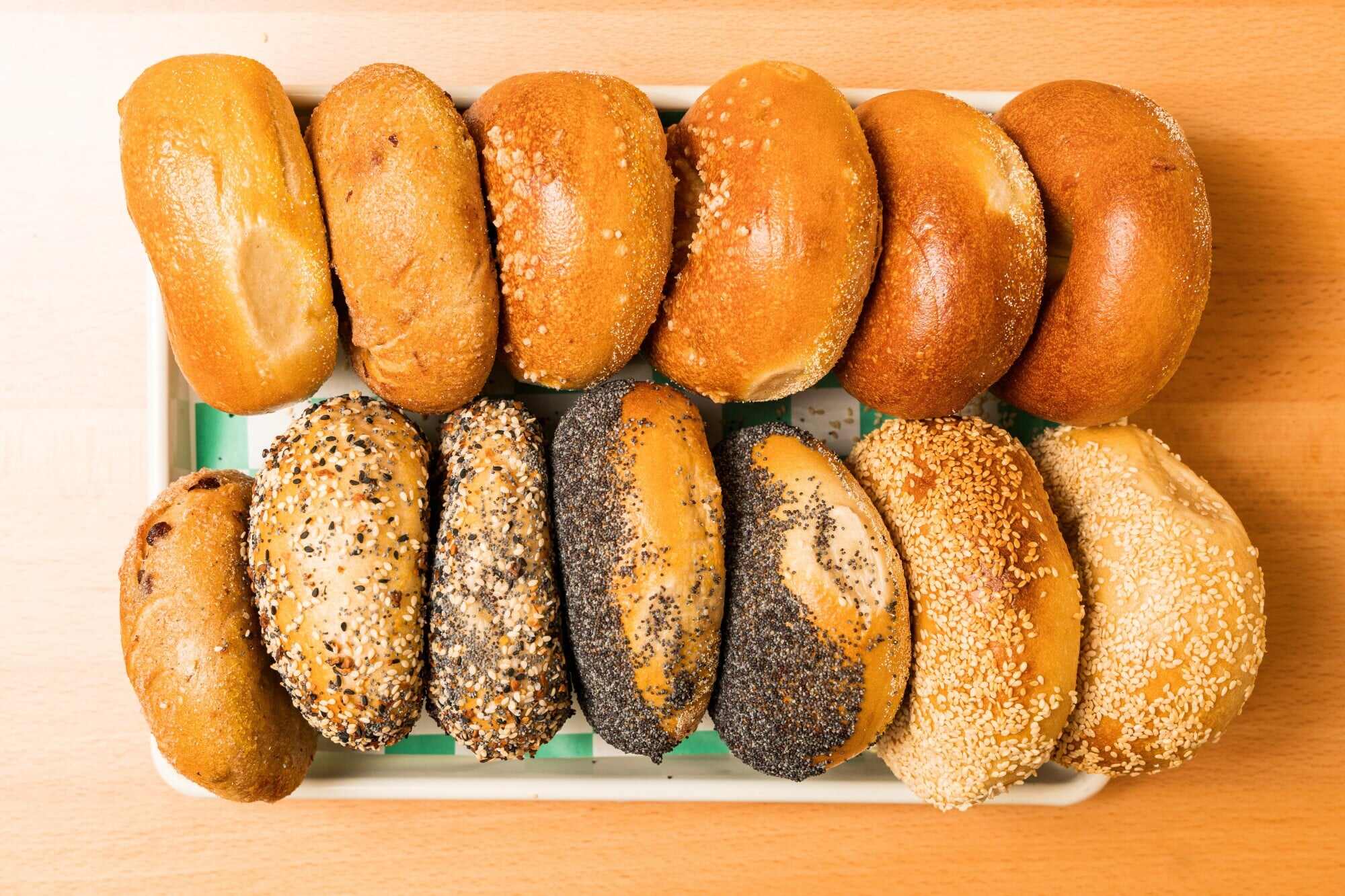
A baker’s dozen or a long dozen
This term comes from high medieval England. It means a group of 13 things. When King Henry III’s 13th century Assize of Bread and Ale law set fixed weights and prices for bread, bakers added an extra loaf to avoid falling short.
Devil’s dozen
Like a baker’s dozen, this sinister idiom for 13 items is also tied to laws for bread weight. While it’s likely the phrase is another reference to King Henry III’s strict bread law, some say 13’s reputation as an unlucky number in Christianity led to the use of the term “devil” in this version of the phrase.
Tredecim
This noun just means 13. It comes from Classical Latin and also refers to a unique group of periodical cicadas that spend 13 years living underground before emerging in synchronised swarms to mate.
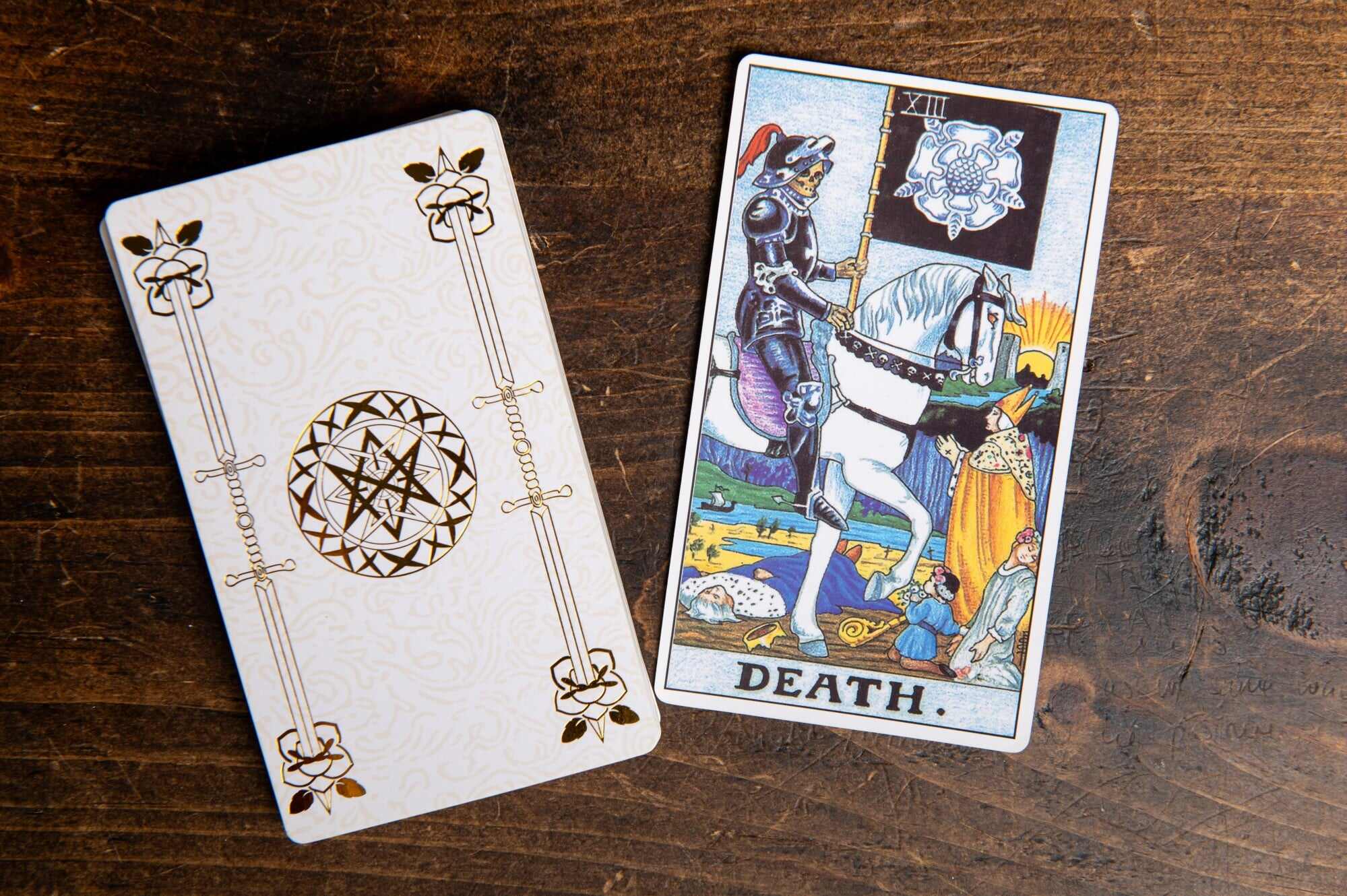
XIII
If you’re familiar with Roman numerals, you will know this is the number 13. It is also the Death tarot card, the 13th trump – an elevated playing card – or Major Arcana card in most traditional tarot decks. It usually depicts the Grim Reaper or a personification of Death.
Fare tredici
While 13 is seen as unlucky in many cultures, Italians refer to hitting the jackpot with this idiom that literally means “to make 13”. The expression originates from a national football betting pool called totocalcio, where to win the ultimate grand prize, players had to correctly predict the outcomes of exactly 13 football matches.
Triskaidekaphobia
This is the fear or avoidance of the number 13. The word comes from Ancient Greek “13” and “fear”. In Norse mythology, Loki, the 13th guest to a banquet in Valhalla – the “Hall of the Slain” for warriors who died in battle – caused the death of Baldr, god of light, peace and purity. In Christianity, Judas was the 13th guest to join Jesus and his apostles’ last supper.
Tredecennial
This noun is formed from the Latin words for “13” and “annual” and refers to a period of 13 years or a 13th anniversary.
Teenager
This noun refers to a child aged between 13 and 19, building on the trailing –teen of the numerical values. The English noun “teenager” did not exist until 1913. Before the 17th century, the root word “teen” actually meant “misfortune, insult or trouble”.
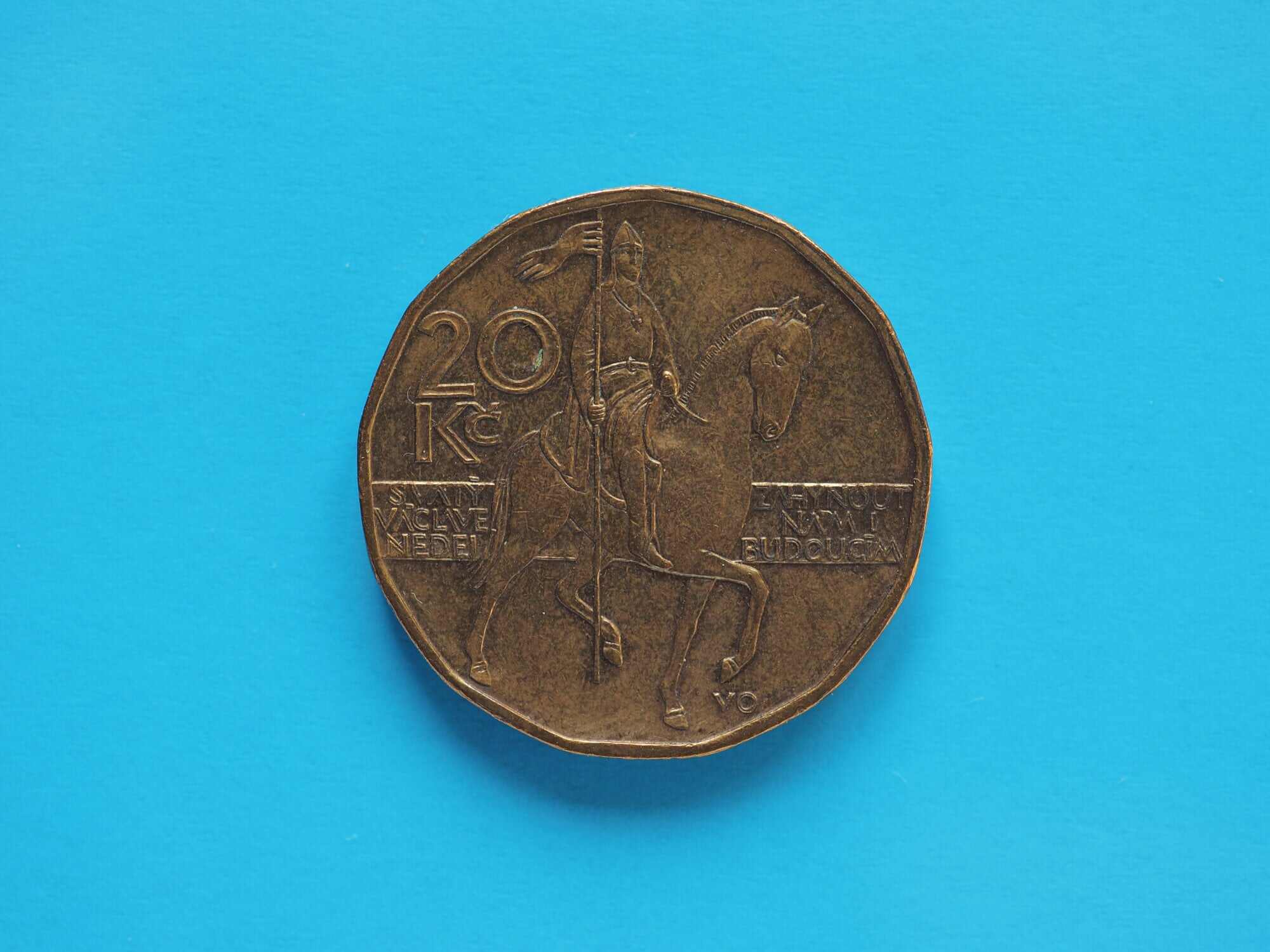
Triskaidecagon
This noun combines the Greek words for “three,” “ten” and “angles” to describe a polygon with 13 sides. Although typically unconventional, the Czech 20 koruna coin is shaped like a regular triskaidecagon or tridecagon. Additionally, the Nova Constellatio, the first pattern coins struck under United States authority, features 13 stars to symbolise the original 13 American colonies – a lot like a triskaidecagon.
Tridecad
This Greek word refers to a group or sequence of 13 and is used in poetry, history and mathematics. Some examples of tridecads include the 13 specific elements in Buddhist philosophy, the original United States flag that featured 13 stripes and 13 stars, and the Mayan Calendar, which is organised into 13 cycles.
Coven
Originating from Old French and Latin – meaning “to come together” – a coven describes a gathering of witches, especially in groups of 13. The term today refers to a group of any number, but it was largely unused in English until 1921, when British historian Margaret Murray theorised that all witches across Europe met in groups of 13, which the witches called “covens”. The number may be a dark parallel of Jesus and his 12 disciples but could also simply be the maximum number of people who could comfortably fit in a traditional nine-foot magical circle.
Grand slam
In the card game bridge, a grand slam is when a player successfully wins all 13 tricks in a single hand. The tennis grand slam was inspired by this all-winning term and refers to winning all four major championships in a calendar year. In rugby, a grand slam occurs when one team beats all the others. England has the most rugby grand slams, achieving the feat 13 times.
Taylor Swift
The American singer-songwriter has a famous affection for the number 13. Swift was born on December 13 and turned 13 on a Friday the 13th. Additionally, her debut album went gold in 13 weeks, and her first No 1 song had a 13-second intro. When Swift won her first award at an awards show, she sat in the 13th row in the 13th seat.
Friday the 13th
Google “Friday the 13th” and you’re likely to see plenty of results that relate to the popular American slasher film series. The first film, Friday the 13th (1980), follows a group of teenage counsellors who are murdered one by one by an unknown serial killer over the course of a single Friday. It was a major box office success, leading to a long list of film sequels and even two television shows. The franchise arguably helped cement the day’s terrible reputation in pop culture.