Content provided by British Council
Read the following text and answer the quiz below.
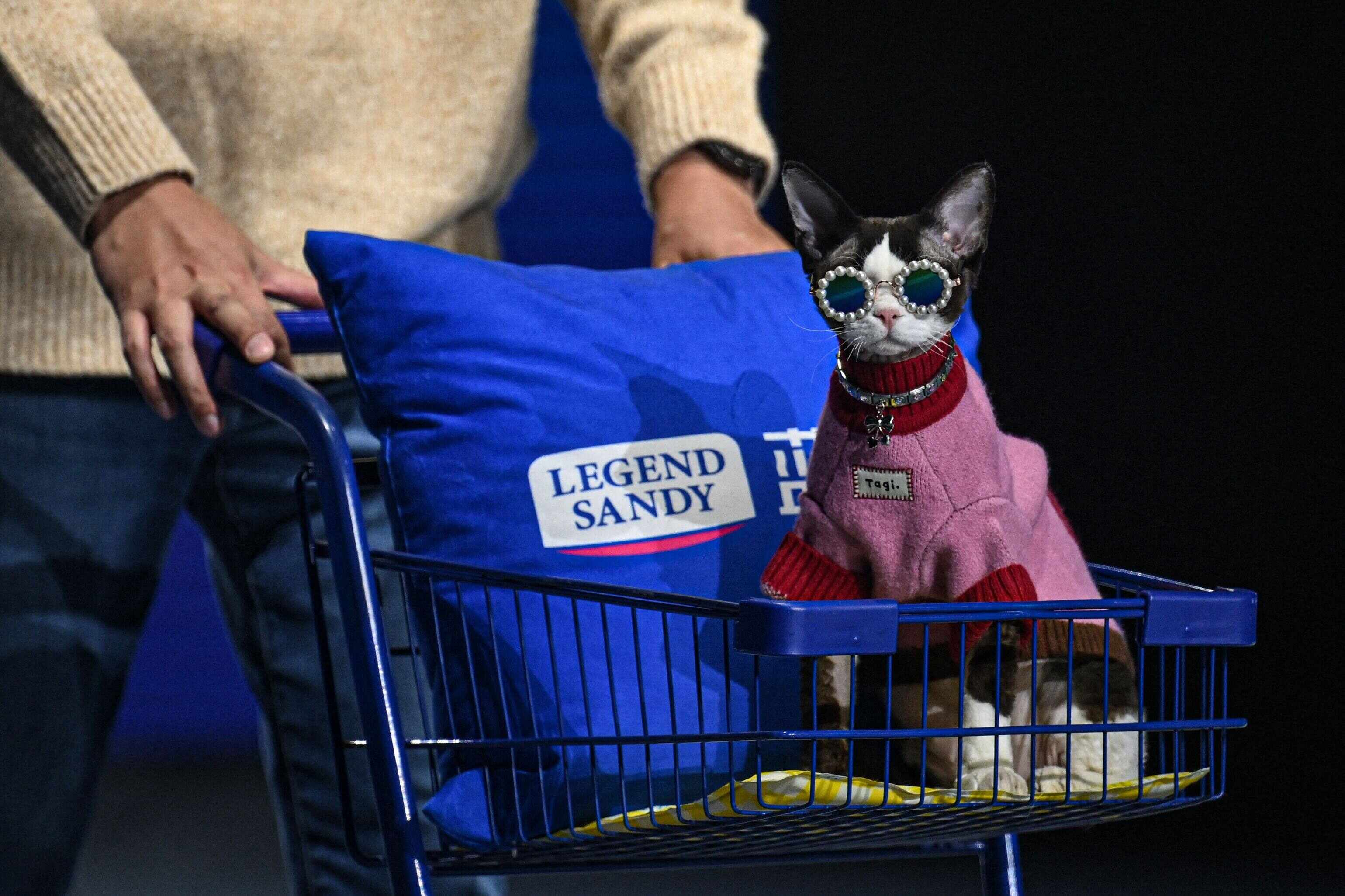
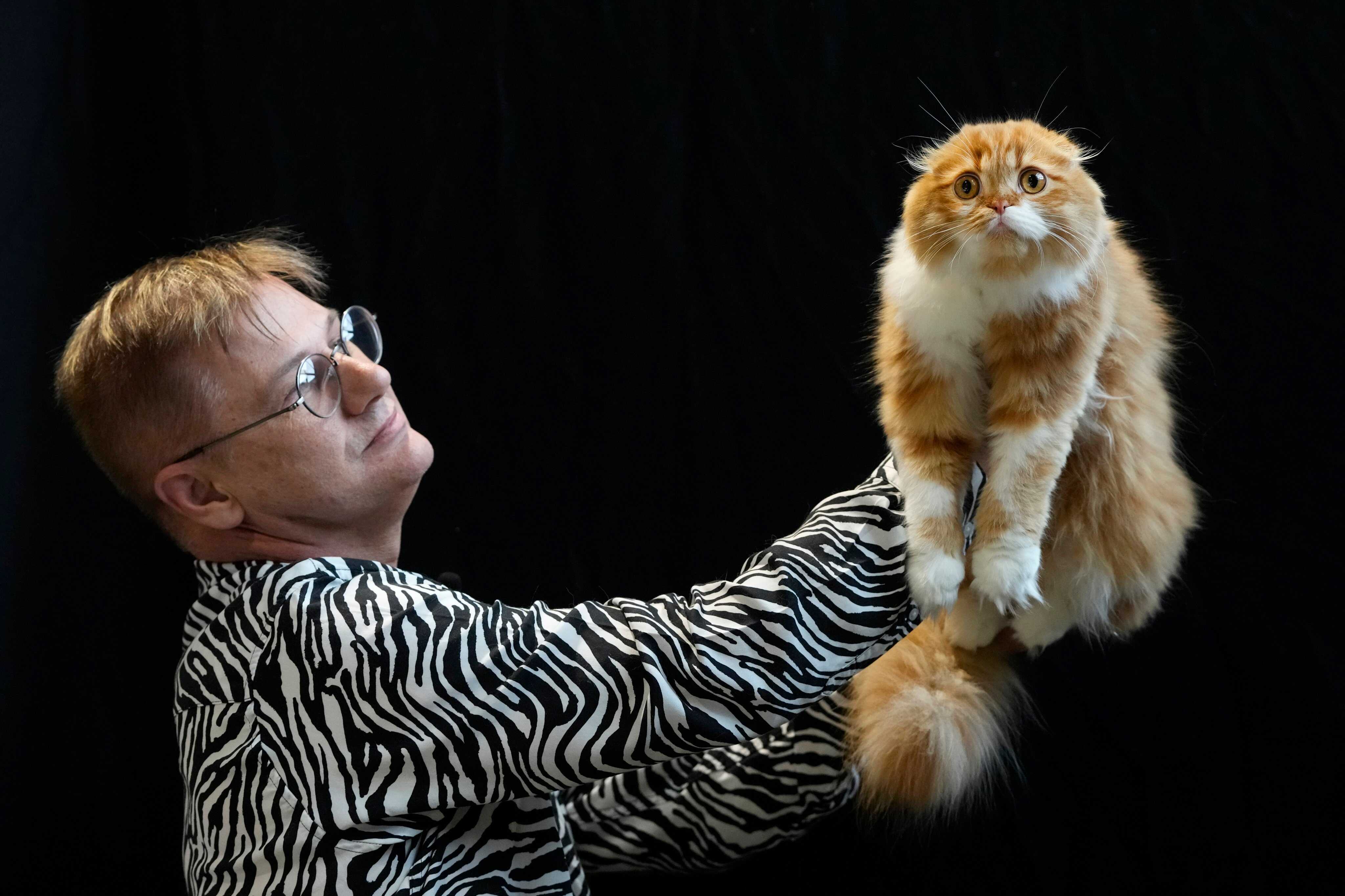
[1] Cute cats have become social media stars as of late, with many people – celebrities included – showing off their felines with photos and videos that have received millions of hits. Pop queen Taylor Swift’s round-headed, big-eyed cat, a Scottish Fold, is a celebrity in its own right. There is, however, a darker side to this trend. For example, animal welfare advocates say Scottish Folds, known for their folded ears, are the result of harmful breeding practices. Animals bred for specific traits, like big eyes, a flat nose or unique coat colours, can struggle with health problems for their entire lives. Some may have difficulty breathing or other physical problems.
[2] Achim Gruber, a Germany-based veterinary pathologist, called this “defect breeding”. He said animals are being deliberately bred with genetic defects to achieve an extravagant or cute appearance, even though the health consequences for the animals have been known for decades. “The added value for humans is more important to people than the suffering of the animals. This is a serious ethical problem,” he said.
[3] Elke Rauch, from the faculty of veterinary medicine at Ludwig Maximilian University of Munich, saw another major issue in the media’s portrayal of certain cat and dog breeds – namely, their use in advertisements or their association with celebrities. “This creates a sense of normality. No one questions whether the animal might have problems,” she said.
[4] Gruber also saw another factor – small animals, like pugs, French bulldogs, Scottish Fold cats or Persians, are often seen as substitutes for babies. “Everyone finds them cute, and it triggers protective instincts,” he said. Sometimes the animals’ dependency and neediness become desirable traits, he added: “It boosts a person’s self-esteem and social recognition when they care for a sick animal.”
[5] In Germany, section 11b of the Animal Welfare Act prohibits harmful breeding. However, according to the German Animal Welfare Federation, the law is too vaguely worded. “The term ‘harmful breeding’ does not apply to an entire breed, but rather to traits that frequently occur in certain breeds,” said spokeswoman Nadia Wattad. These traits vary in severity from animal to animal, she added. As a result, veterinary authorities must assess each case individually. Courts can only issue breeding bans on a case-by-case basis, meaning they can only prohibit specific breeders, which does not deter others.
[6] Experts emphasised the importance of thorough research and avoiding animals that result from harmful breeding practices. In general, you should not buy animals from places where breeding prioritises desired physical traits over health, Rauch said. She also advised against buying animals from online platforms without detailed information about the breeding process and the parent animals.
[7] The German Animal Welfare Federation, the umbrella organisation of animal welfare associations and shelters in the country, recommended adopting cats with harmful breeding traits only from animal shelters. According to spokeswoman Christine Streichan, trendy cats like Scottish Folds or hairless cats regularly end up in shelters. Some come from illegal breeders. Veterinary authorities often have the parent animals neutered to prevent further breeding. In most cases, the owners do not want the animals back afterwards.
Source: dpa, July 16