Read the following text and answer the quiz below.
[1] You could be forgiven for thinking that Britain has gone samurai mad of late. Director Michihito Fujii’s Last Samurai Standing remains high up the Netflix UK chart, and the FX miniseries retelling of James Clavell’s Shogun (originally a 1975 novel) was a surprise hit and won various awards.
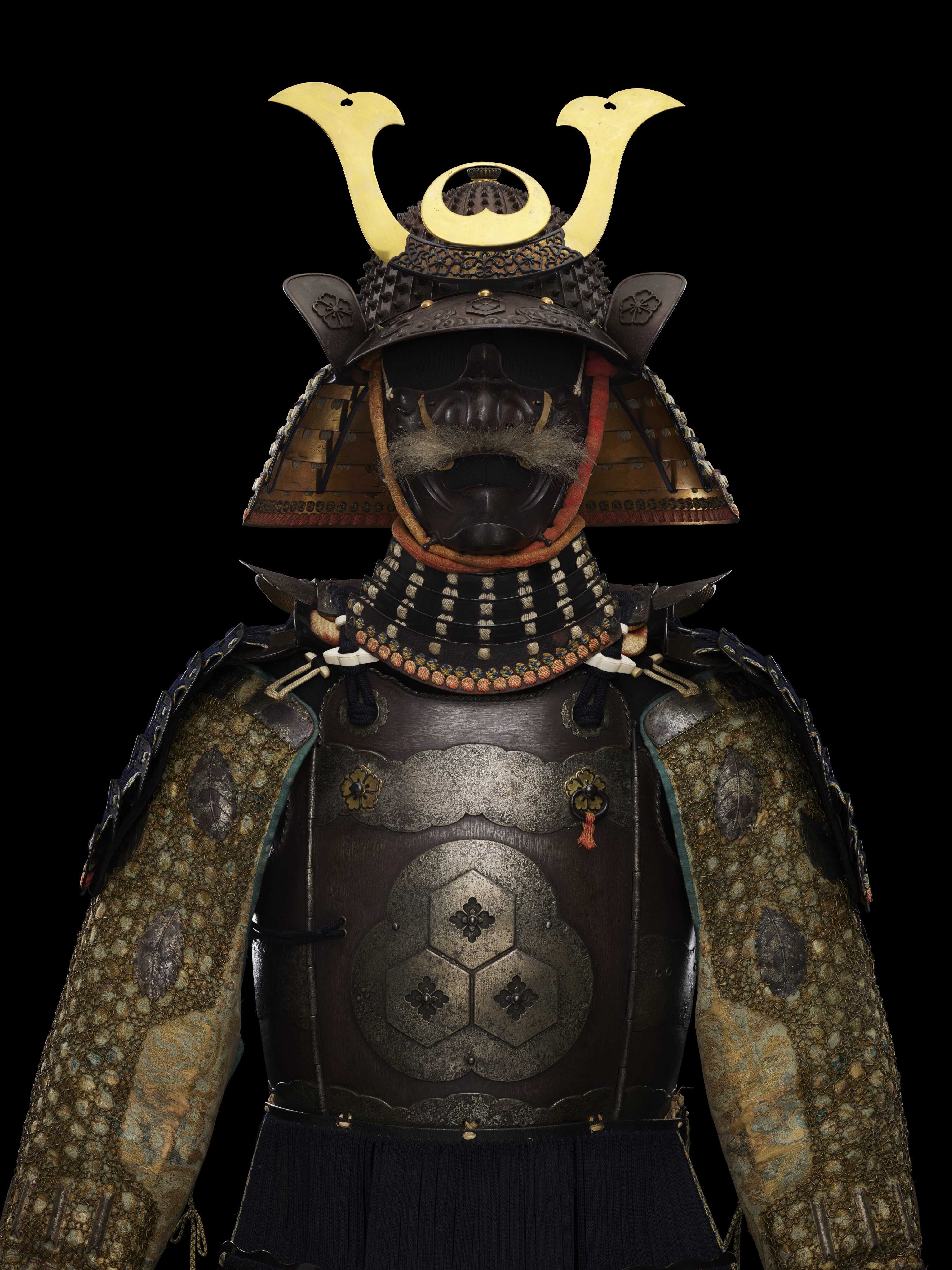
[2] Now, with superb timing, we have the British Museum’s latest mega exhibition, “Samurai”, which is on until May 4. The exhibition features more than 280 objects from the British Museum’s collection, including a newly acquired samurai suit of armour and many pieces never before seen in the UK, on loan from 29 international lenders.
[3] The exhibition starts with the samurai of the popular imagination: a warrior elite. There is armour – including a child’s ceremonial suit of armour – and katana swords, while yumi and ya (bows and arrows) remind us that the samurai were as expert on horseback as they were wielding their blades.
[4] Samurai emerged in the medieval period between the 1100s and the early 1600s, as wealthy households needed to hire protection to fortify their lands and families. But from 1603, with the beginning of the Tokugawa Shogunate, or Edo period, Japan experienced 250 years of peace. The capital shifted to Edo, modern-day Tokyo, and the samurai morphed from a warrior caste into a scholar-bureaucrat class of government officials, diplomats, artists, writers and patrons of the arts.
[5] These contributions during the so-called Long Peace form a major component of the exhibition: exploring samurai’s roles as practitioners and sponsors of the arts, and as craftsmen and statesmen. In the 1600s, the samurai began their self-mythification as a warrior gentry. They wrote fictional accounts glorifying samurai warriors and retold folklore of warrior goblin kings in samurai-style armour. The Tokugawa Shogunate ended with the Meiji Restoration in 1868. A few years later, the samurai were abolished, destined to linger only as myths and legends.
[6] Still, the British Museum does not ignore the dark side of the samurai legacy, such as the use of samurai imagery to promote militarism in Japan in the 1930s, along with the perversion of the samurai moral code of bushido.
[7] The exhibition ends with a specially commissioned work – Samurai Escapism – by the Japanese artist Noguchi Tetsuya. By the end of the exhibition, we see the men and women of the samurai class as cultural patrons, statesmen, global travellers and creators of a civilisation across nearly 800 years.
[8] But it is the armour and the weaponry that linger in the imagination, fuelled by a massive video of an early morning samurai charge with the snorting of horses, the cries of commanders, the slash of exceptionally sharp katana swords and the hiss of arrows raining down on the battlefield. That will be the image of the samurai that continues to fascinate future generations.
Source: South China Morning Post, March 3
Content provided by British Council