Content provided by British Council
[1] China’s fandom culture has existed for millennia, long before today’s pop idols and live-streaming celebrities. In ancient times, fame was cultivated in the streets, restaurants and poetry circles, where beauty and talent transformed poets and performers into objects of public fascination.
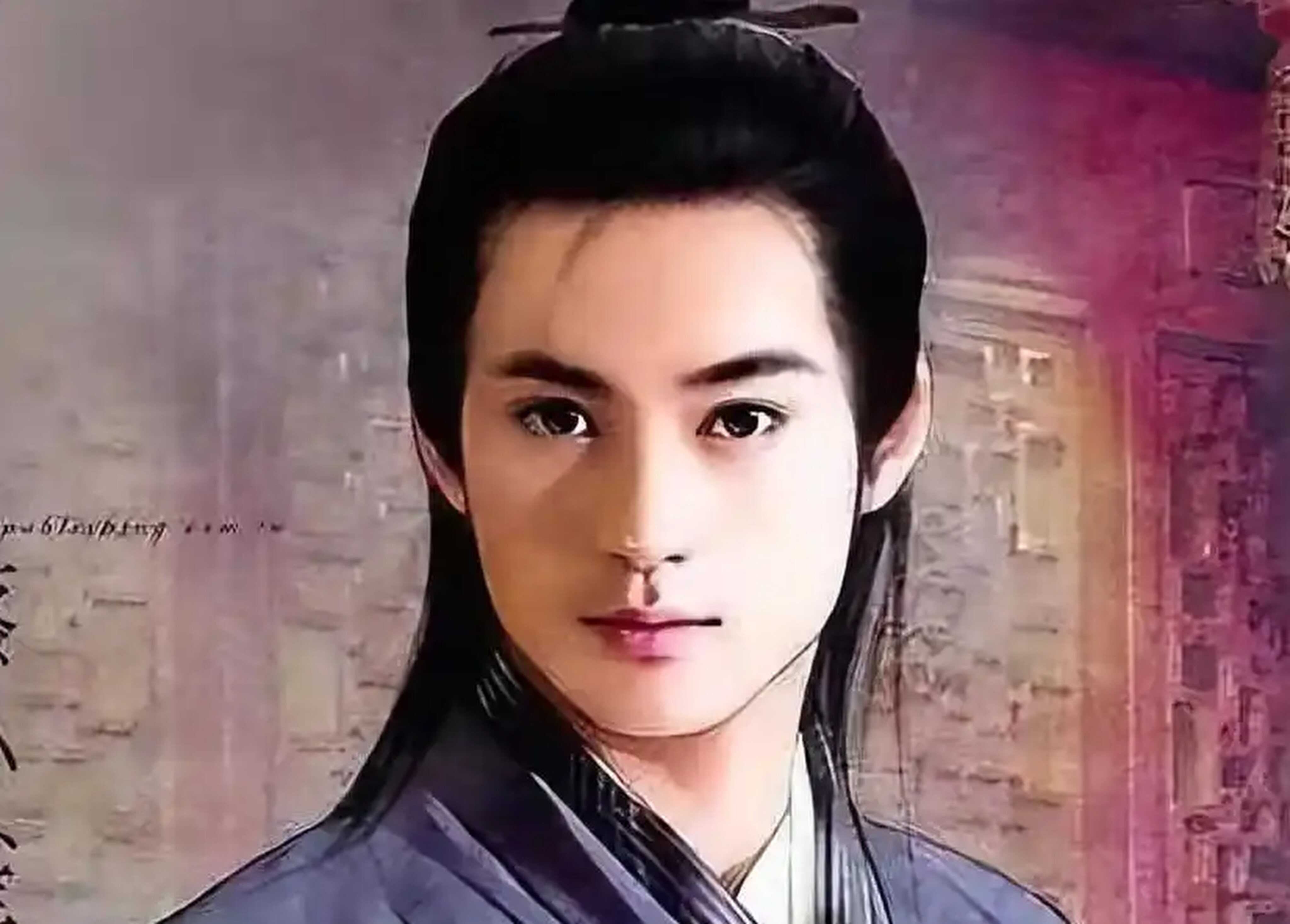
[2] One of China’s earliest heartthrobs was Pan Yue, a writer from the Western Jin dynasty (266-316). He was better known by his nickname, Pan An. Celebrated in the book A New Account of the Tales of the World for his striking good looks and refined demeanour, Pan became a cultural epitome of male beauty in Chinese society. Legend has it that when he rode through the streets of Luoyang, female admirers would surround his carriage, showering him with fruit until it overflowed.
[3] Pan’s allure extended beyond mere appearance. As a gifted writer with a melancholic style, he became an exceptional male poet recognised for his emotional depth. His unwavering devotion to his wife further enhanced his romantic image. Following her death, he composed a series of mourning poems that are now considered landmark works in Chinese elegiac poetry.
[4] By the Tang dynasty (618-907), the golden age of China’s feudal society, celebrity culture had evolved beyond handsome scholars. In the empire’s vibrant cities, singers, dancers, musicians, poets and celebrated intellectuals cultivated dedicated followings. Du Fu, later revered as China’s “Sage of Poetry”, inspired a profoundly literary type of devotion.
[5] An extreme example of ancient fandom involves the poet Zhang Ji. According to Yunxian Sanlu, a collection of unusual stories, Zhang admired Du so intensely that he burned copies of his poems, mixed the ashes with honey, and ingested them, believing this ritual would enable him to absorb the master’s genius. Bai Juyi, one of the period’s most renowned poets, also described wealthy young men showering their favourite performers with silk gifts – an early form of paid fandom.
[6] Ancient China also featured its own forms of fandom imitation. During the Western Han dynasty (202 BC-9 AD), the diplomat Sima Xiangru, inspired by the Warring States statesman Lin Xiangru, adopted “Xiangru” as part of his own name. Centuries later, Tang poet Li Bai wrote of donning the same style of clogs associated with his idol, the poet and traveller Xie Lingyun.
[7] Today, while the platforms have evolved, the impulse behind fan culture remains strikingly familiar. A 2019 study published in Media Observer notes that, at its core, fandom still revolves around emotional investment, identity formation, consumption and a sense of collective belonging.
[8] Fans now express their devotion through social media, live-streaming, merchandise and concerts. However, the intensity of this devotion has prompted official concern. In recent years, Chinese authorities have sought to curb the excesses of fan culture, targeting online abuse, paid rankings and exploitation of minors.
Source: South China Morning Post, May 26