Every week, Talking Points gives you a worksheet to practise your reading comprehension with exercises about the story we’ve written.
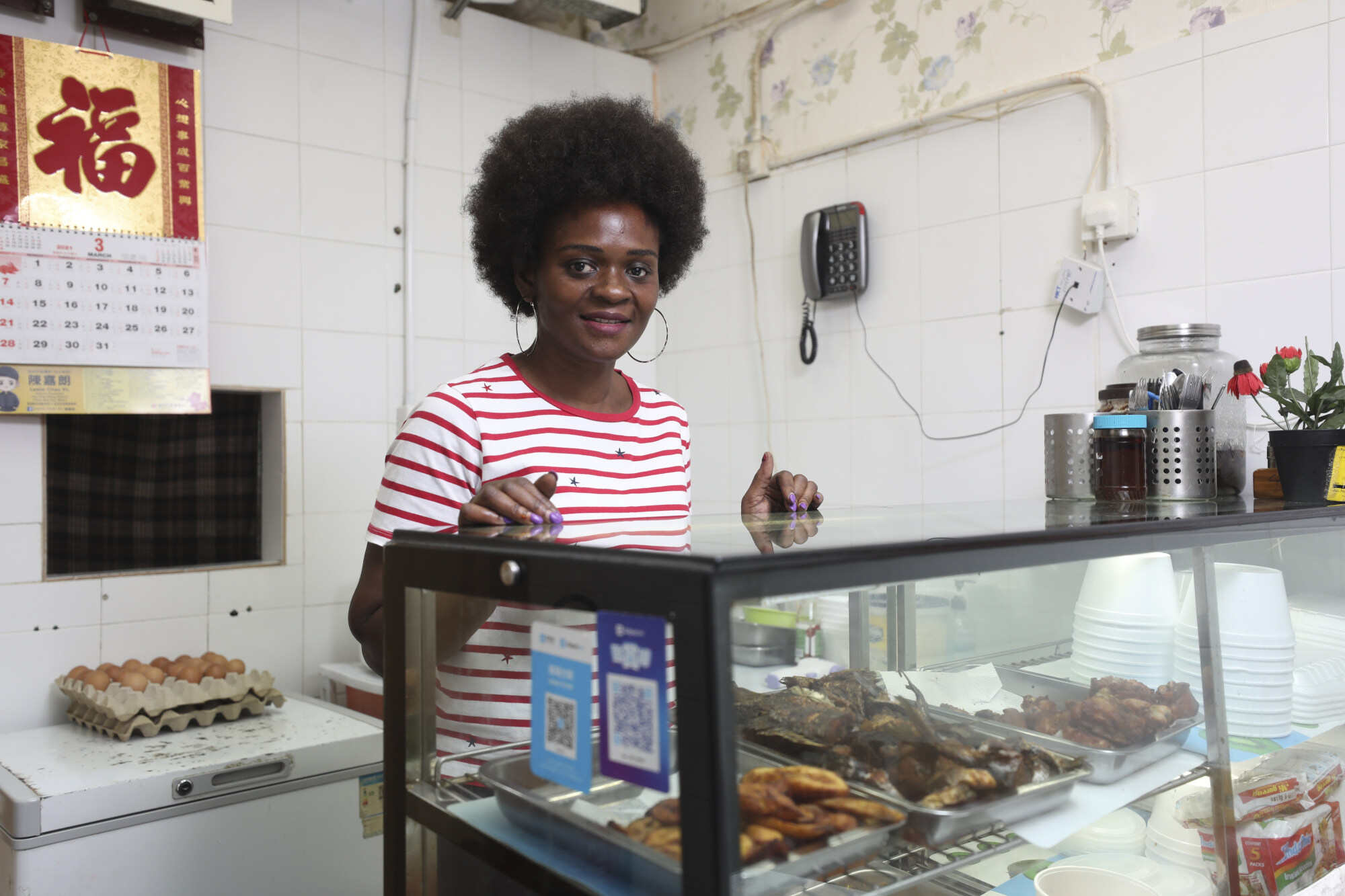
On a muggy evening in Hong Kong, a staff member at the African restaurant Ghana Locals in Chungking Mansions demonstrates to a newcomer how to mould fufu – a dough crafted from boiled and pounded starches – and dunk it into a flavourful goat meat soup.
Owner Tess Karl Buah, who opened the restaurant seven years ago, scans the dining area’s customers.
“Africans are just 40 per cent of my customers,” she said. “I have a lot of locals, expatriates and tourists.”
In a city where African cultures are increasingly recognised, food is the first thing that gets people in the door.
What ensures return visits are the networks and programmes that transform curiosity into meaningful connections – ranging from in-person meetings of country associations to tours and youth workshops organised by NGOs.
Unity through shared experiences
Buah arrived in Hong Kong in 2000 to visit her fiancé and ended up staying. With a background as an office clerk in Ghana, she found it challenging to secure an office position.
“Language was a problem, and at the time skin colour was also a problem,” she said. “There was no proper African restaurant in Hong Kong. I had in mind that one day I would open one.”
Most of the spices and staples used in the restaurant are shipped from Ghana. “I make sure the food has the same taste you have at home,” she said.
Step outside the dining room and the atmosphere becomes more vibrant. New arrivals often stop by Ghana Locals in search of a phone number or a familiar accent. Buah links them to officially recognised country associations that honour cultural heritage and independence days, assist with job searches and even facilitate marriage.
For diners who feel a bit lost, visual displays provide guidance.
“Some people don’t understand English, and I don’t speak much Chinese, so we use photos,” Buah said.
For some guests, she added, “The first time they talk to a black person is here.”
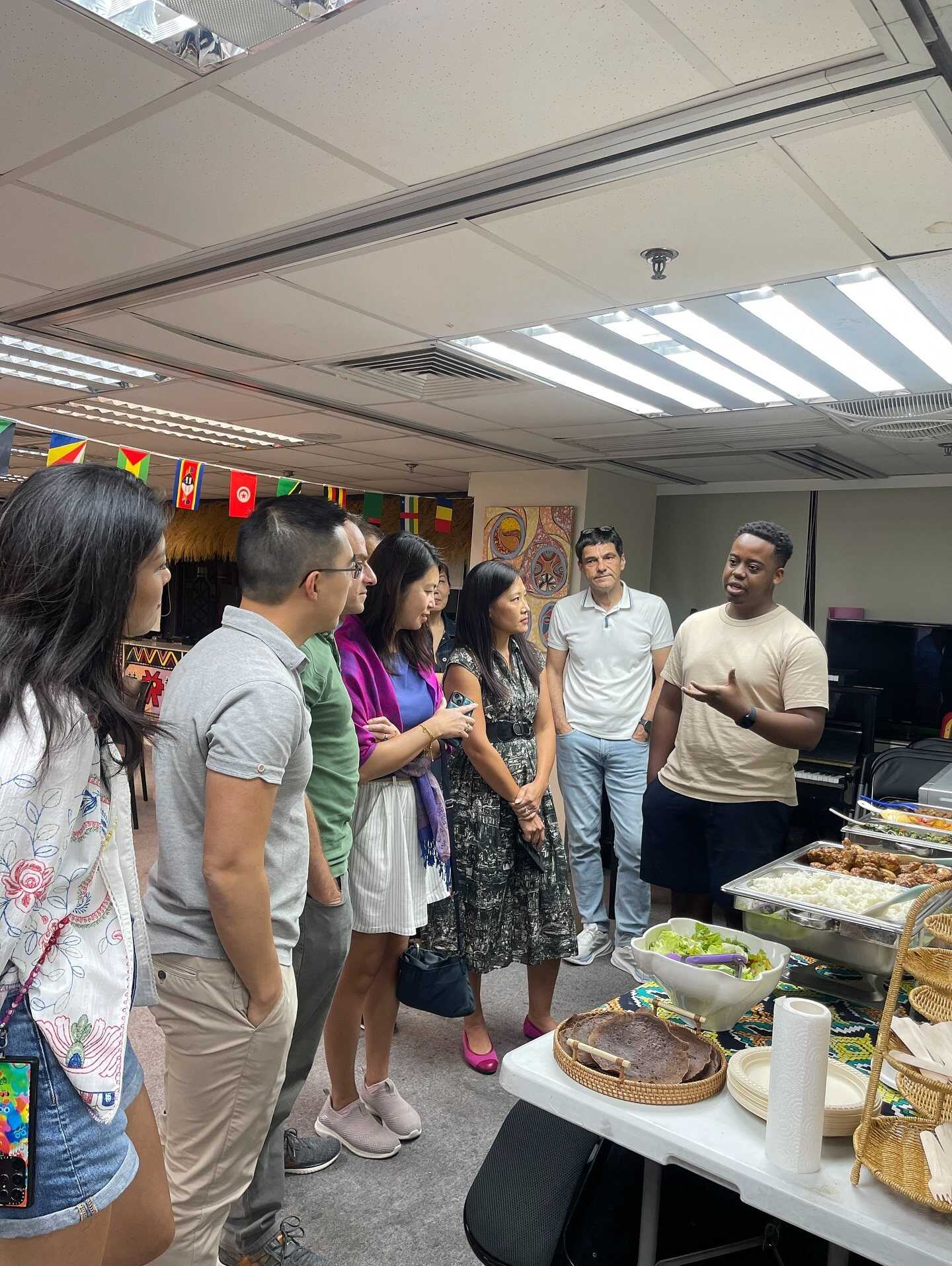
A short walk away in Jordan, the Africa Centre Hong Kong tries to make these first encounters routine.
“We focus on rebranding blackness, connecting communities and building black consciousness,” said Tinotenda Muzairi, who works at the NGO in business development.
Muzairi highlighted the irrationality of people’s apprehensions regarding Chungking Mansions.
“Does all the crime that happens in Hong Kong happen at Chungking Mansions?” he asked.
To address these misconceptions, the centre organises tours of Chungking Mansions for students. Students who initially came with reservations often return accompanied by friends or family.
Buah hears the shift in attitude in her doorway.
“People are scared because of the old news,” she said. “If you come with the right intentions, you will like it.”
Bridging cultures through community
Buah was able to expand her business through people she trusts. Chinese friends advised her on how to create a menu that would appeal to locals. Friends with restaurant experience helped her market her eatery online, and others took photos and posted reviews.
“A member of the Hong Kong boy band Mirror came in,” she recalled. “He chose fufu. I thought, ‘Wow, I’m so grateful that I saw someone like this in my restaurant.’”
One day, Buah hopes for an even larger space outside Chungking Mansions – a restaurant and bar with live African music and dancing to show “the lifestyle of Africa”, she said. She also wants African foods to be among diners’ go-to dinner choices in Hong Kong, not just a novelty.
At the Africa Centre, the focus is on keeping ethnic minority youth engaged through internships and career workshops, expanding its collaborations across Asia and mainland China, and growing its presence in schools and public programmes.
The NGO also hosts “Injera Nights” where people gather to enjoy a serving of injera, a traditional fermented flatbread from Ethiopia and Eritrea.
“There’s still a long way to go,” said community initiatives coordinator Nebra Younis. “I just wish African culture was celebrated more holistically.”
After Covid, Muzairi said more institutions were working to enhance African visibility – universities seeking cultural trainings, the Education Bureau considering modifications to the curriculum to incorporate African history and consulates and embassies providing opportunities for service-learning trips.
“It has to start from the top,” Younis said, stressing the need for more support for newcomers from Africa.
“When Africans have an equal footing here in Asia ... that will be impact,” Muzairi said.