Every week, Talking Points gives you a worksheet to practise your reading comprehension with exercises about the story we’ve written.
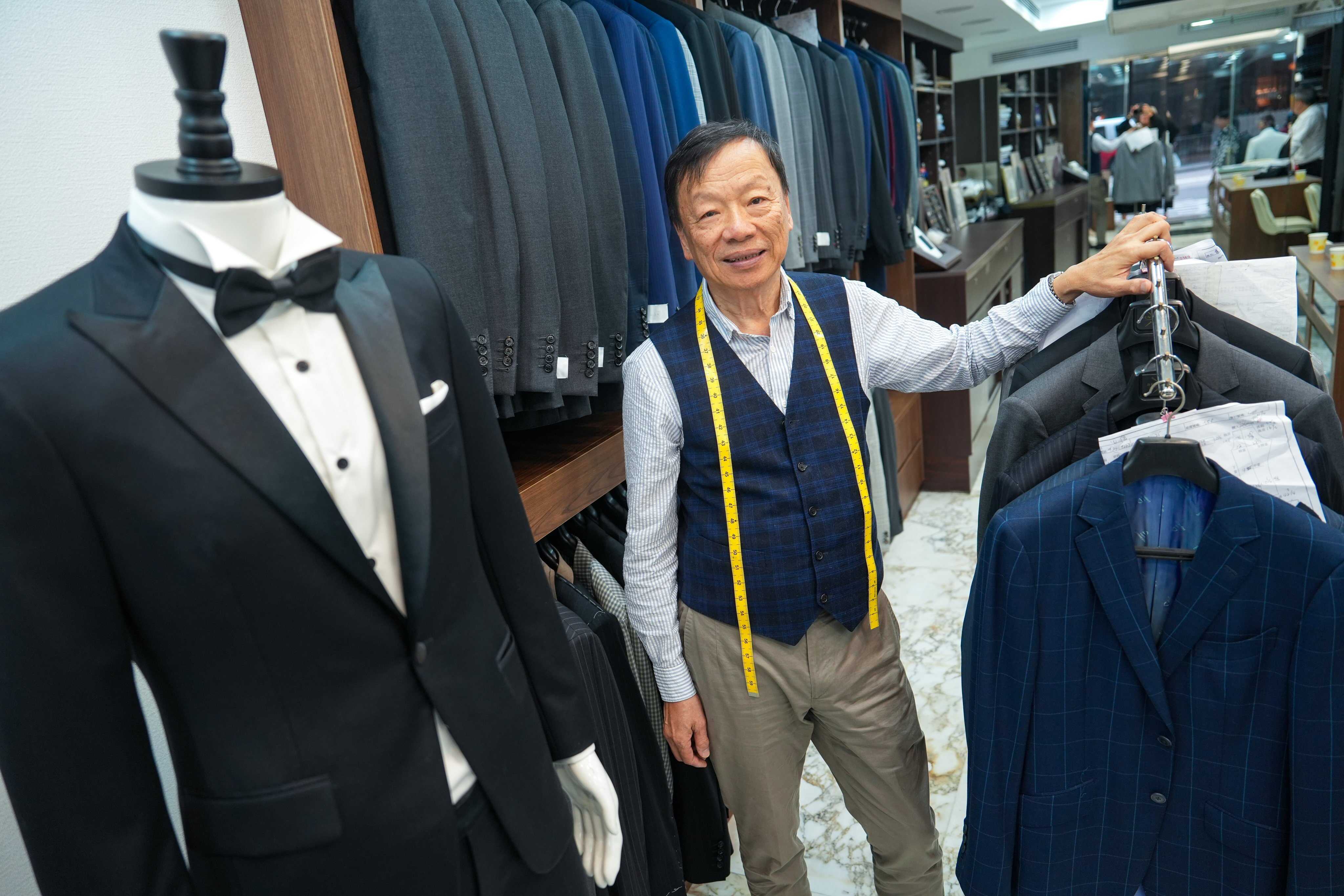
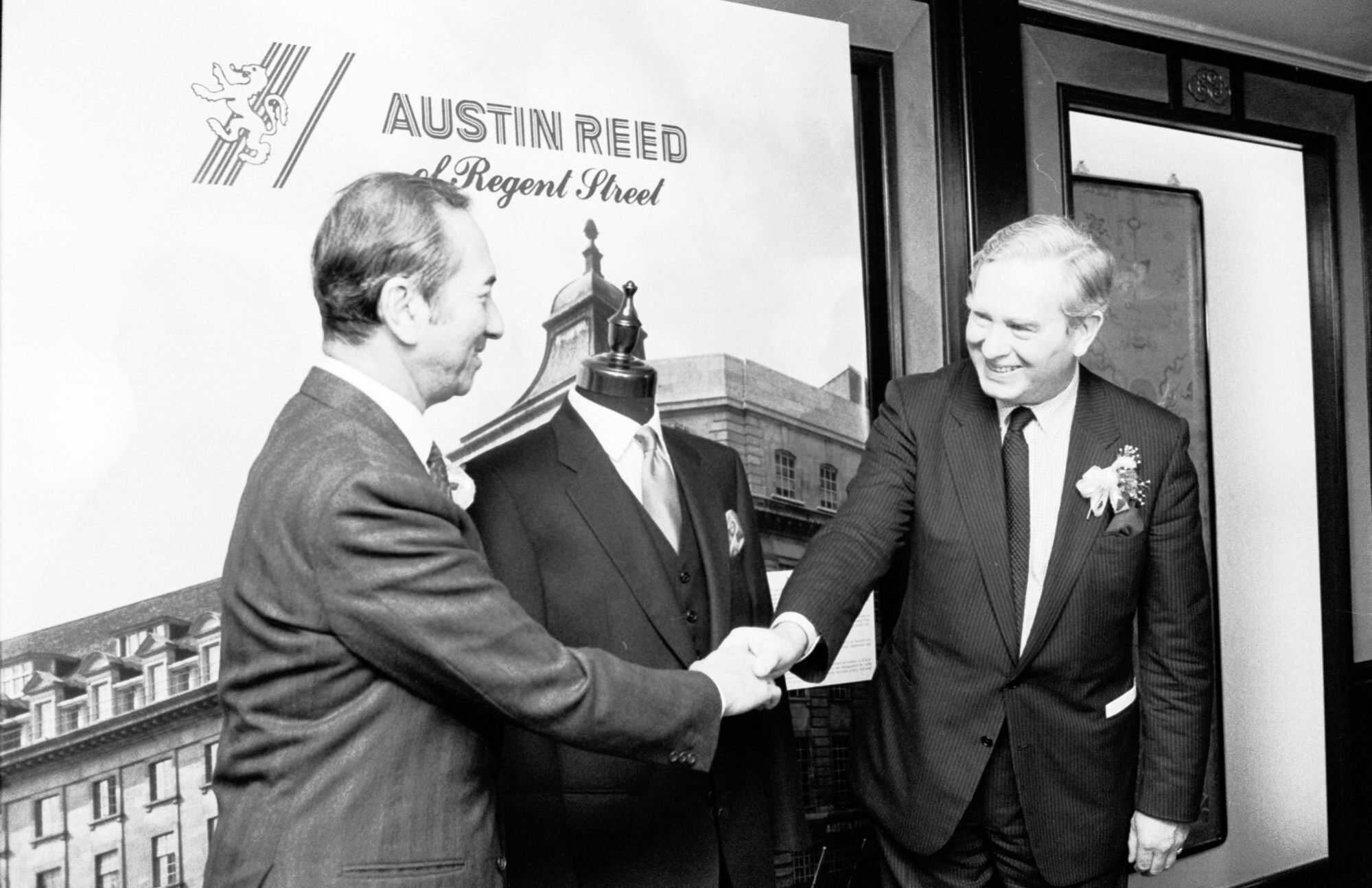
What do business tycoon Li Ka-shing and Cantopop star Andy Lau Tak-wah have in common? Both of the prominent figures from Hong Kong have been dressed by veteran tailor Benny Woo.
With more than six decades of experience, the 77-year-old witnessed both the rise of the city’s once-booming, world-famous tailoring industry and its fall amid changing fashion trends and disappearing shoppers. In November, Woo decided to close his eponymous street-level shop in Sheung Wan.
“Business used to be great. Managerial staff at big international companies would always wear suits,” he said. “But that is no longer the case after the pandemic. Even if my current rent drops by tens of thousands of dollars, I still would not survive.”
Tailoring’s heyday
Known as Master Woo to his customers, the seasoned tailor recalled that he came to Hong Kong from Shanghai at the age of seven and began his career as an apprentice under his father at 14.
Three years later, he started working independently when there was high demand for the skill in the 1960s.
“It was so easy. If you resigned in the morning, you could start working somewhere else by the afternoon. Back then, a police officer made about HK$200 a month, while I could earn up to HK$1,000,” he said.
His clientele consisted mainly of American tourists, who would order more than a dozen suits at a time because it was much cheaper to have them made in Hong Kong than in the United States, he said. He called that period “the golden age”.
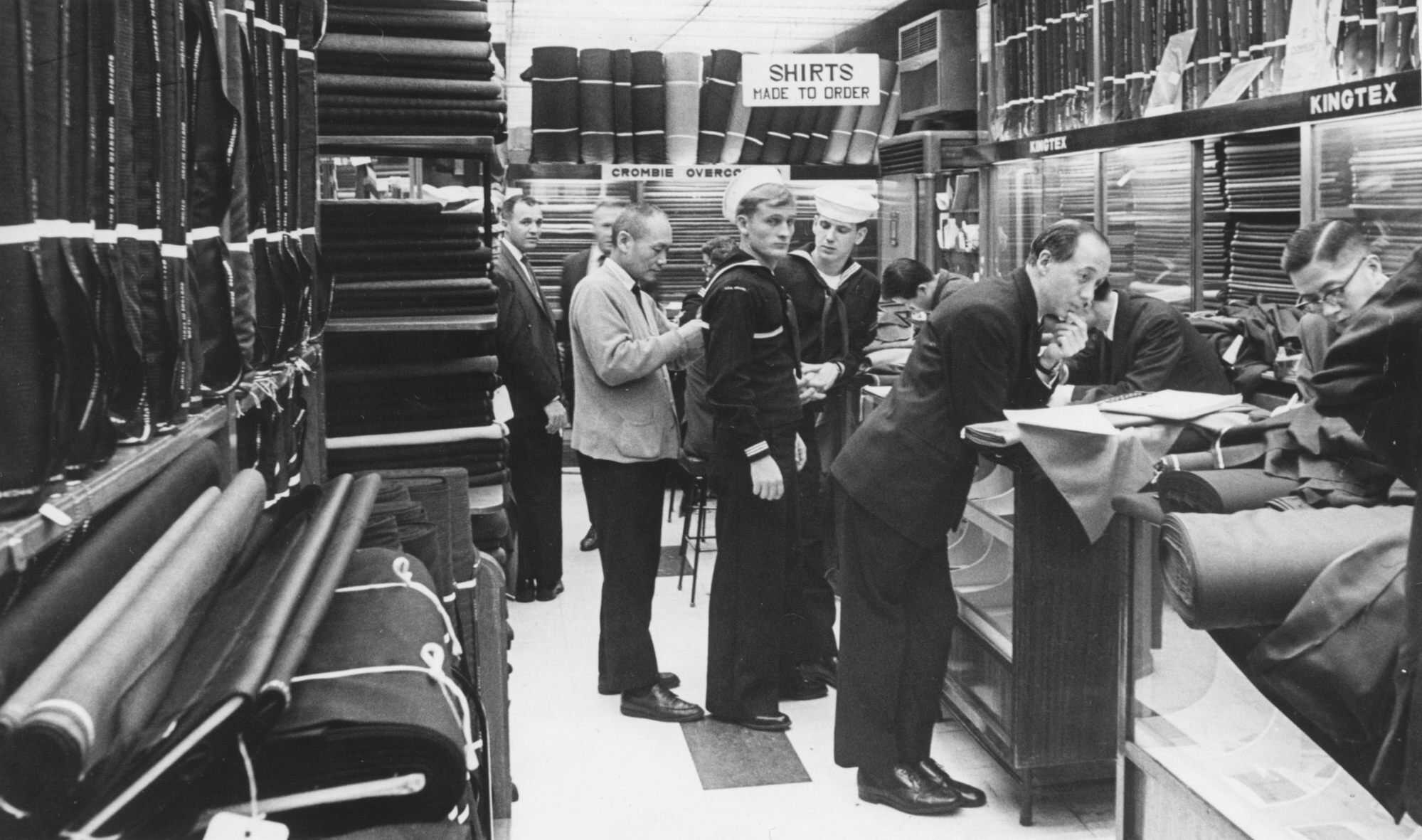
According to Woo, business began to dwindle in the late 1970s, as fewer American tourists came to Hong Kong after the Vietnam war.
Mainland China’s opening up in the 1980s also introduced much cheaper labour for apparel production.
To perfect his craft, he surprised some of his peers by altering suits at fashion houses such as Prada and Dunhill. This gave Woo the chance to take jackets apart and learn more about European tailoring.
In the early 2000s, Woo opened his own shop in Central, but sold it after a few years because it was not very profitable. He then joined the tailor Ascot Chang, known for its shirts, to help launch its suit line.
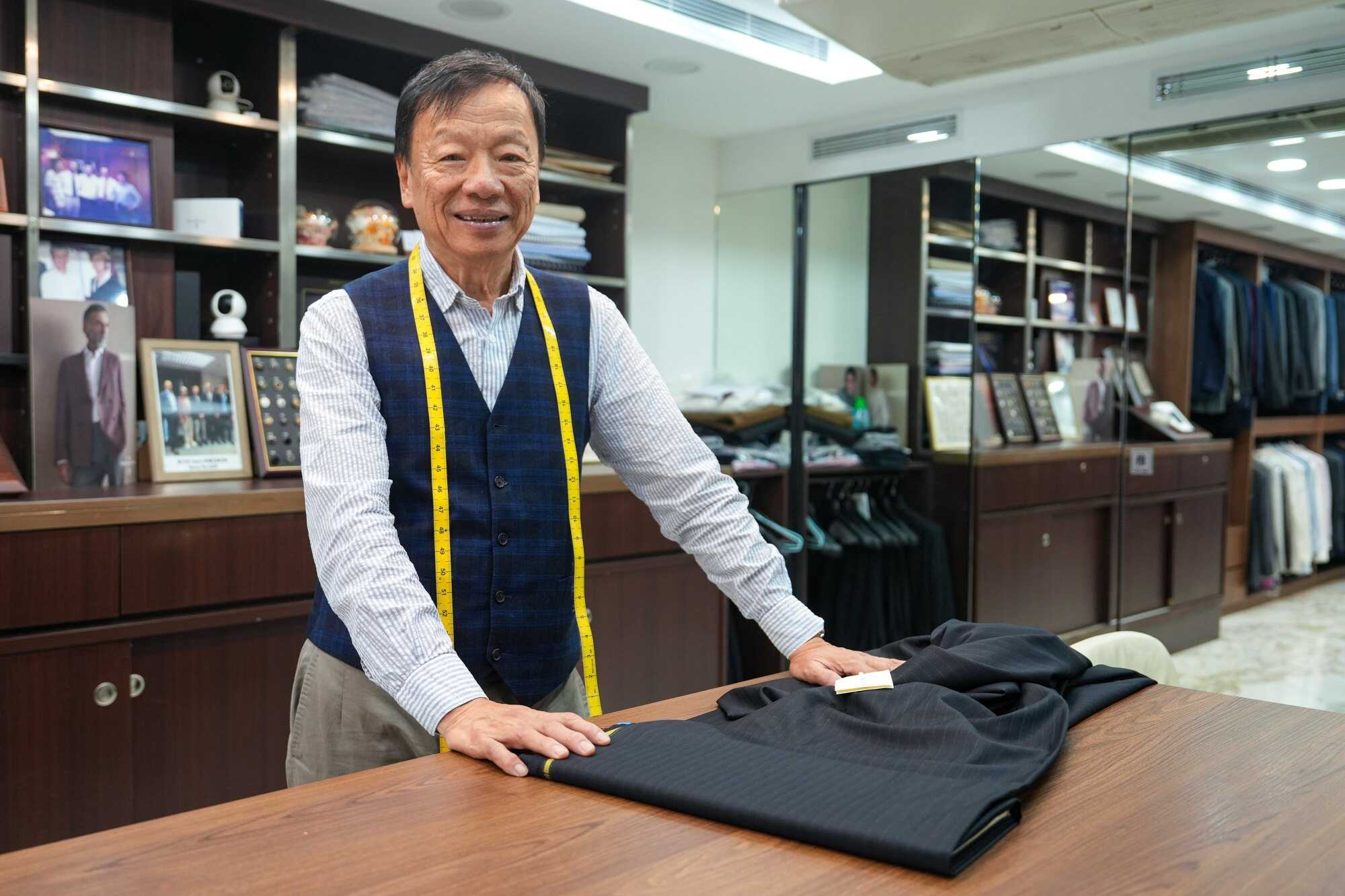
In 2018, he decided to try running his own tailoring business again, opening a shop in a commercial building and doing “very well” despite the pandemic. Encouraged by the success, he later moved to his current street-level shop on Des Voeux Road West.
Gradual wane
Woo lamented the industry’s decline, noting that most of the work was now outsourced from Hong Kong. He added that his greatest regret was not being able to pass on his decades of experience to the next generation of tailors. Changing tastes have meant there is not enough business to support high rent.
Woo’s experience is not uncommon among tailors of his generation. Lingnan University assistant professor Katon Lee Kai-chun, who researches tailoring in Hong Kong, noted that the heyday of suit-making was facilitated by the Vietnam war.
“During the Vietnam war, American military personnel came to Hong Kong for what was known as ‘rest and recuperation’. One of the main things they did was buy suits,” Lee said.
Hong Kong became known as a centre for quick-turnaround suits, sometimes completed within 24 hours, with demand further boosted by highly successful overseas tourism campaigns that made the industry almost synonymous with the city, he said.
According to Lee, after the Vietnam war ended, demand for suits dropped sharply and some tailors were forced to seek alternative livelihoods, such as working as building porters.
He noted there was a major dearth of tailors in Hong Kong from the 1980s onwards, as wages were too low to attract new blood into the industry. But there was a slight revival around the turn of the century when tailors began focusing on high-end suits.
End of a tailoring era
Reflecting on his long career, Master Woo said he was fortunate to have had the opportunity to appreciate the fine craftsmanship of suit-making and that having confidence in oneself was essential.
He has relocated to a unit in a commercial building to continue serving his existing customers. He has also begun considering when he might retire.
“As long as I’m fit and able to get things done, I’ll keep at it,” he said.