Content provided by British Council
Read the following text and answer the quiz below.
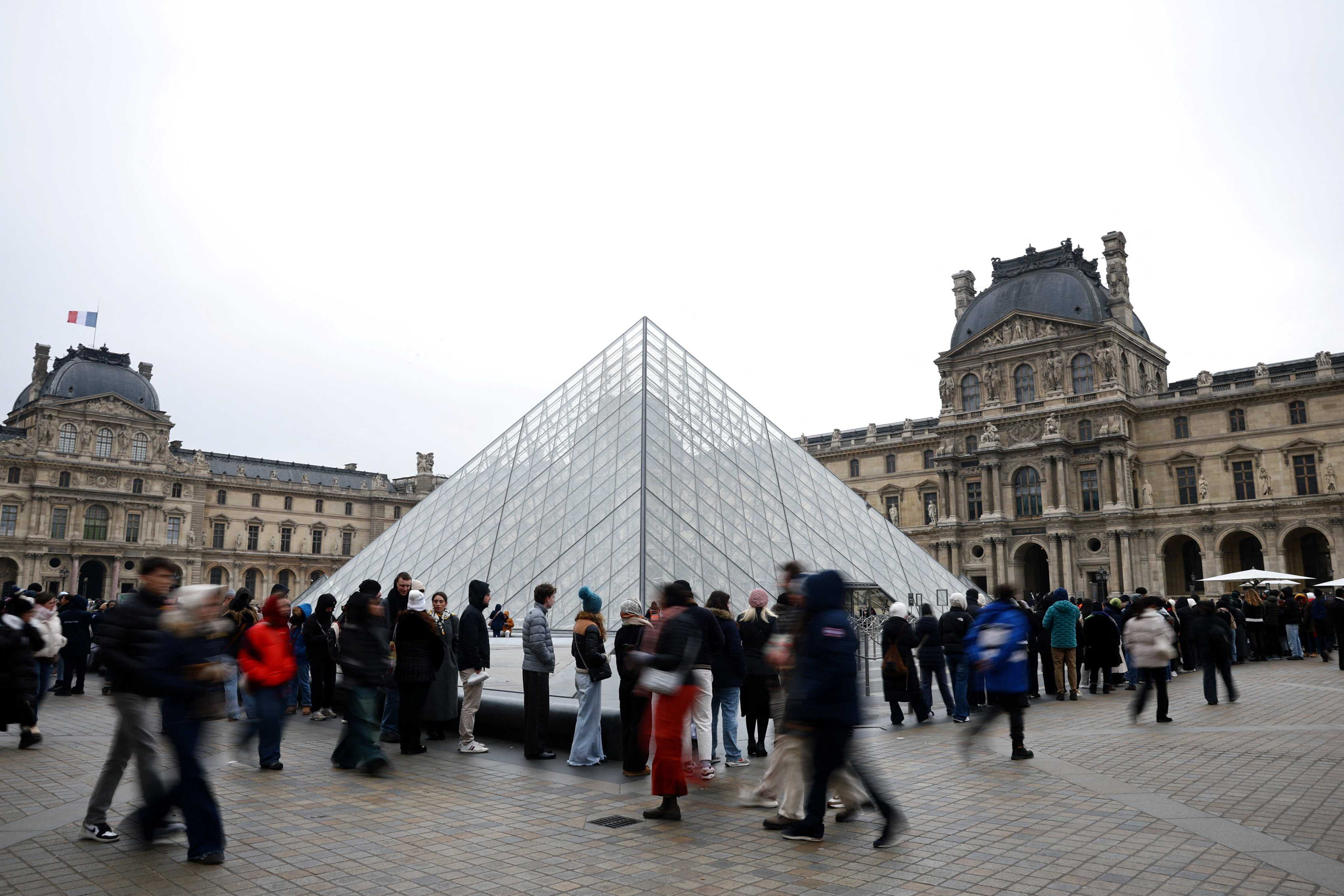
[1] France recently raised entry prices for non-European tourists to the Louvre, sparking a heated debate over the fairness of “dual pricing”. Beginning January 14, any adult visitor from outside the European Union, Iceland, Liechtenstein and Norway will be required to pay €32 (HK$290) for admission – reflecting a 45 per cent hike – while entry fees at the Palace of Versailles will rise by €3. This raises important questions: Should foreign tourists pay more for state-funded galleries than locals, or should art be accessible to all without discrimination?
[2] Visitors from the United States, the United Kingdom and China, who constitute a significant portion of the museum’s foreign audience, will be among those affected by this change. The move is uncommon in Europe, but fees at sites like Peru’s Machu Picchu or India’s Taj Mahal can vary.
[3] Trade unions at the Louvre have denounced the policy as “shocking philosophically, socially and on a human level”. They have called for strike action over the change, along with a number of other complaints. They argue that the museum’s extensive collection of 500,000 items, which includes many artefacts from Egypt, the Middle East and Africa, possesses universal human value. They are also concerned about practical issues, including the need for staff to check visitors’ identification documents.
[4] French academic Patrick Poncet has drawn a parallel between France’s move and the policies of US President Donald Trump, whose administration hiked the cost of visiting US National Parks for foreign tourists by US$100 on January 1. The French policy was “symptomatic of the return, as elsewhere in the world, of unabashed nationalism”, Poncet wrote in the newspaper Le Monde.
[5] The government has justified the increases on financial grounds, aiming to raise annual revenues by €20 million to €30 million, amid pressure to boost revenues and cut spending. Some of the funds will go towards a colossal plan to renovate the Louvre, which French President Emmanuel Macron announced last year. Estimated to cost around €1 billion, the project has been called wasteful by unions and art critics.
[6] There is a consensus that the Louvre needs significant repairs. Recent issues, including a water leak, structural problems and a high-profile daylight robbery in October, have drawn attention to its condition. “I want visitors from outside the EU to pay more for their entry tickets and for that surcharge to go towards funding the renovation of our national heritage,” French Culture Minister Rachida Dati said at the end of 2024 as she announced the hikes.
[7] It is yet to be determined whether the recent decision by Europe’s most-visited country to break from convention will prompt other cultural destinations to follow suit. Pricing based on age is common in Europe; for example, places like the Acropolis in Athens, the Prado in Madrid and the Colosseum in Rome offer free admission to visitors under 18 to encourage attendance. The Louvre will continue to offer free admission to minors from all countries and to Europeans under 26.
Source: Agence France-Presse, January 15