Content provided by British Council
Read the following text and answer the quiz below.
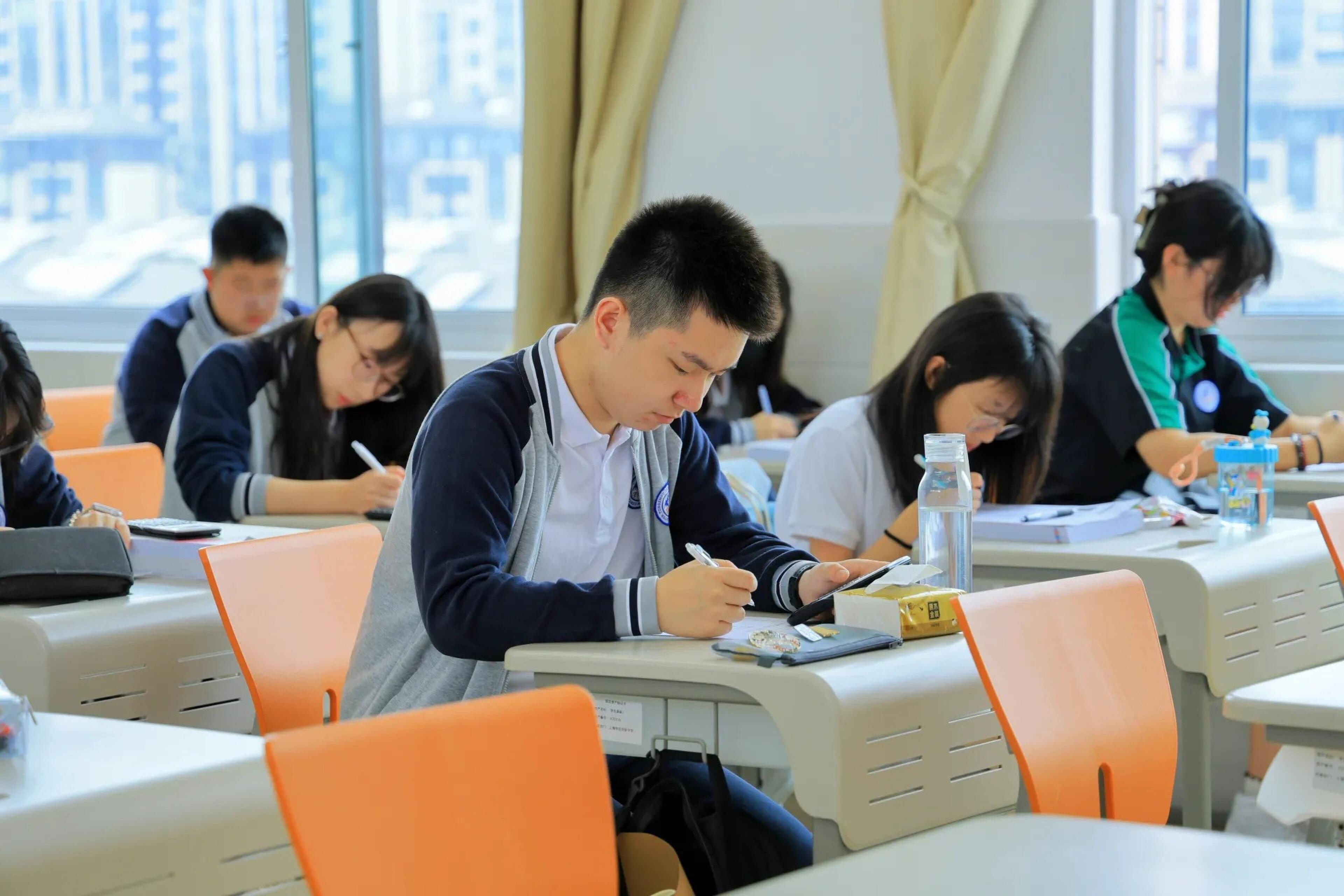
[1] Interest in Hong Kong’s Diploma of Secondary Education has been steadily growing in recent years. The government is dedicated to enhancing the city’s status as an international education hub, focusing not only on higher education but also on basic education. Following this directive, the Education Bureau recently invited all Direct Subsidy Scheme schools to apply to increase their intake of non-local students.
[2] Hong Kong’s education sector offers biliteracy and trilingualism, and provides a broader range of pathways. Today, 165 mainland institutions accept DSE students without any additional entry tests.
[3] Coupled with Hong Kong’s falling birth rate and the government’s aim of establishing the city as an international education hub, this all points to the need for a unified, secure and globally accessible DSE pathway to support the expected growth in non-local student enrolment, while tackling local manpower challenges.
[4] A strategic solution would be to align the DSE with other international exam models and establish an international qualification, say, an iHKDSE. Britain has long offered the General Certificate of Secondary Education (GCSE) alongside the IGCSE, as well as A Levels alongside international A Levels, keeping domestic standards while providing an alternative route for international students. A similar approach in Hong Kong would preserve the integrity of the DSE.
[5] An iHKDSE could adopt a more global syllabus. Subjects such as Chinese, citizenship and social development could be adjusted, with universities setting their own entry requirements. A “Chinese as a second language” option should be provided to enable non-native speakers to meet language requirements more equitably. Assessment could focus on written exams, offer flexible test windows and use on-screen marking, aligning assessments with international practices.
[6] The DSE would keep its school-based assessments, Hong Kong-focused content and timetable. Both tracks could use the same grading scale, with separate curves and external checks to ensure standards remain aligned. However, articulation tracks could be separated to ensure local students’ university admission quotas are unaffected.
[7] An iHKDSE would give non-local students a more straightforward route into Hong Kong’s schools and universities. It could provide a consistent benchmark for applicants from Southeast Asia and Belt and Road Initiative nations to be admitted into universities in Hong Kong and on the Chinese mainland, and help counter declining local numbers. By establishing a recognised international pathway, the iHKDSE would meet increasing demand while enhancing Hong Kong’s competitiveness as an education hub.
[8] However, any move towards an iHKDSE must be underpinned by clear rules, transparent quality assurance and strong data sharing with universities, supported by a balanced approach that includes stricter regulation, recognised accreditation for local and overseas centres and a dedicated unit to oversee partnerships. A well-defined dual-track system providing DSE and iHKDSE, backed by robust oversight and a focused talent strategy, would reinforce Hong Kong’s role as an international education hub.
Source: South China Morning Post, December 27