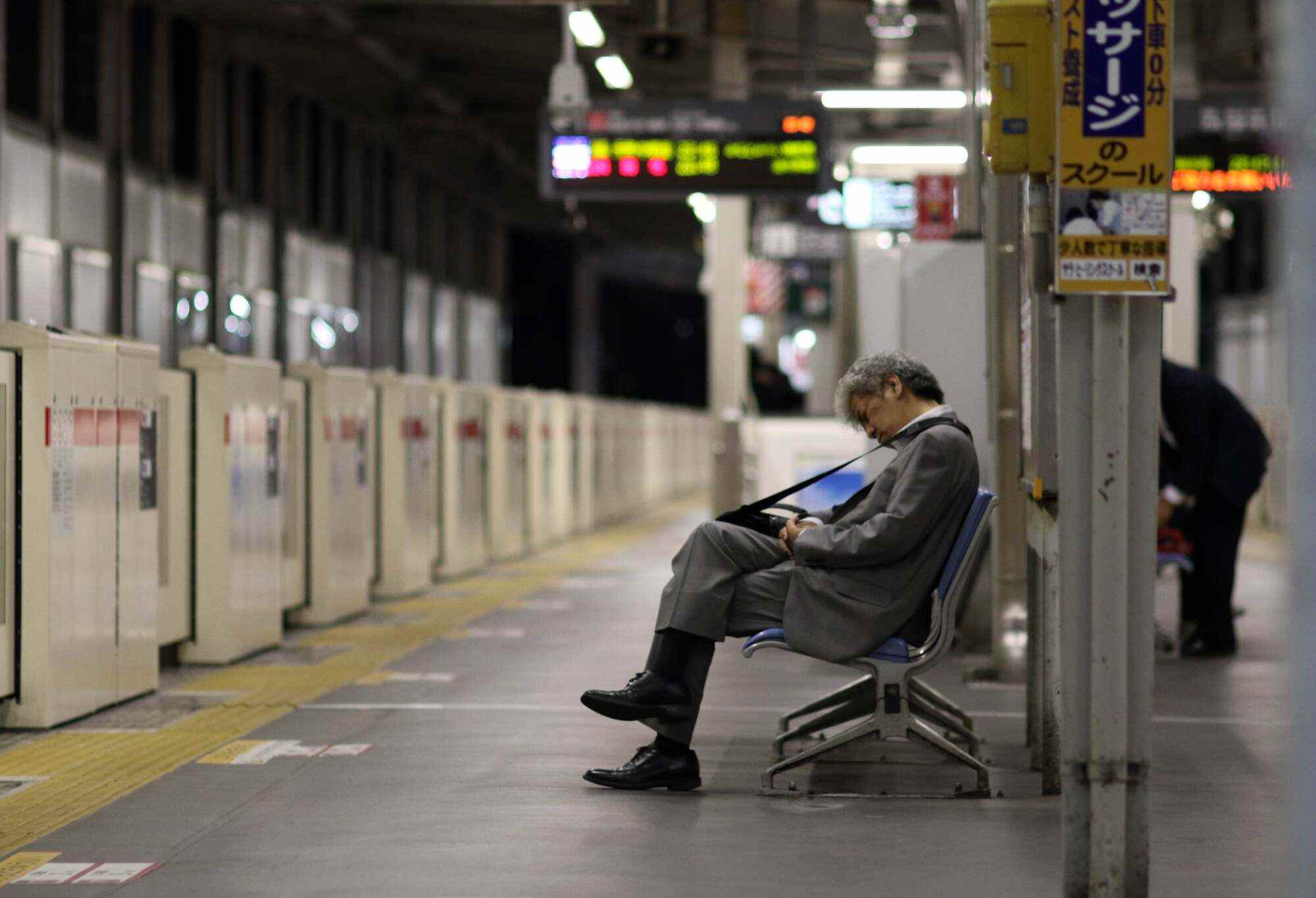
Japan has a reputation as a nation where employees put in brutally long hours. But this may have to be reassessed, according to recent official statistics that show Japanese workers now clock fewer hours on average than Americans, Canadians and Italians.
At first glance, the numbers suggest that government efforts to curb karoshi, or death by overwork, have paid off. But analysts and employees caution that the figures may not be directly comparable with those from other nations.
According to figures released by the Cabinet Office last month, the average Japanese worker put in 1,654.2 hours over the 2024 financial year, which ended on March 31.
That was down 17.7 hours from the previous year and marked the second straight year of decline. It was also far below the 2,121 hours recorded in 1980, at the height of Japan’s economic bubble.
By comparison, Americans worked an average of 1,796 hours in the 2024 financial year, according to the Organisation for Economic Cooperation and Development. South Koreans averaged 1,865 hours, Canadians 1,697 and Italians 1,709.
Japan still has some way to go to match low-working-hour economies such as Germany, where employees worked an average of 1,331 hours, and Denmark, where the figure was 1,379 hours.
In the 1990s, successive Japanese governments tried to boost productivity from relatively low levels, but this came at the cost of an increasing number of karoshi cases, said Martin Schulz, chief policy economist for Fujitsu’s Global Market Intelligence Unit.
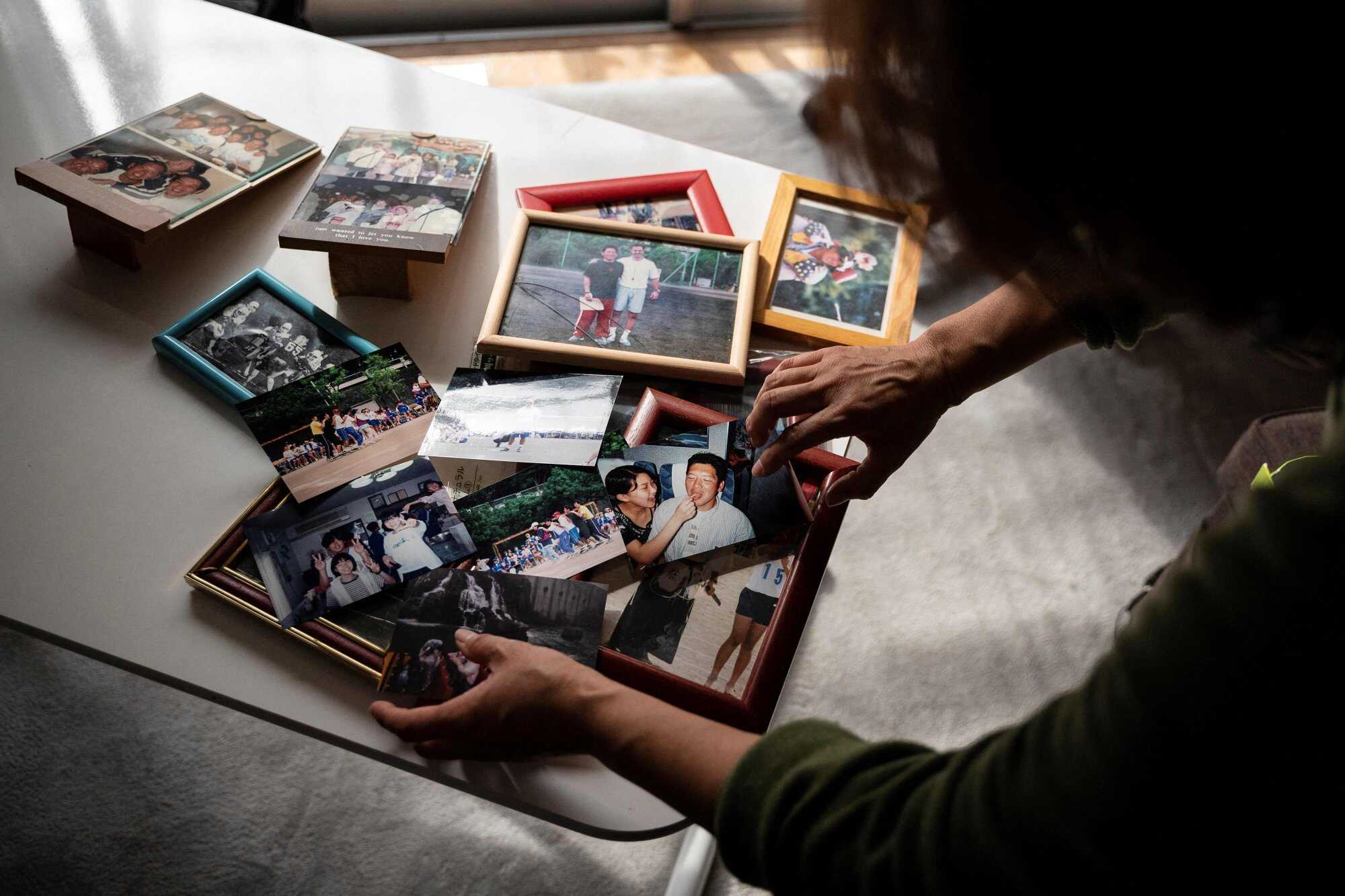
By the start of the new century, policymakers recognised the need to improve work-life balance and reduce work-related fatalities. Official figures show a record 143 deaths attributed to karoshi in 2001, followed by 115 in 2002.
Despite reform efforts, the number has remained stubbornly high in recent years, according to government figures.
When Shinzo Abe became prime minister in 2006, tackling karoshi became a policy priority.
“He wanted people to have greater balance and to have more time to have children at the same time as increasing productivity,” Schulz said.
One approach was to draw more women into the workforce while encouraging older people to stay in employment past 65, the pension-eligibility age. Average annual working hours fell in Japan during the first decade of this century and continued to decline after the Work Style Reform Act was introduced in 2019.
The law capped overtime at 45 hours per month and 360 hours per year, though employers were given a grace period to meet the new limits amid widespread labour shortages. Some sectors, including healthcare and construction, still have exemptions allowing longer hours.
There are still legal loopholes, however, and enforcement of the legislation remains patchy.
“Remote work and digitalisation have improved efficiency and reduced the need for long office hours,” said an employee of a multinational company. “Companies have shifted to performance-based evaluation, weakening the culture of staying late just to show commitment.”
Even so, the 27-year-old employee, who requested anonymity, admitted he still exceeds the 360-hour annual limit – describing his workload as “quite heavy”.
Employees are supposed to file reports when they surpass monthly limits, but he said he was unsure whether his overtime had always been documented or reported to authorities.
Sumie Kawakami, a social sciences lecturer at Yamanashi Gakuin University and a career consultant, said government reforms over the past two decades had helped reduce average working hours.
Yet “the reality is that a lot of people are still working very long hours”, she said. “And that the real numbers may differ from the official statistics.”
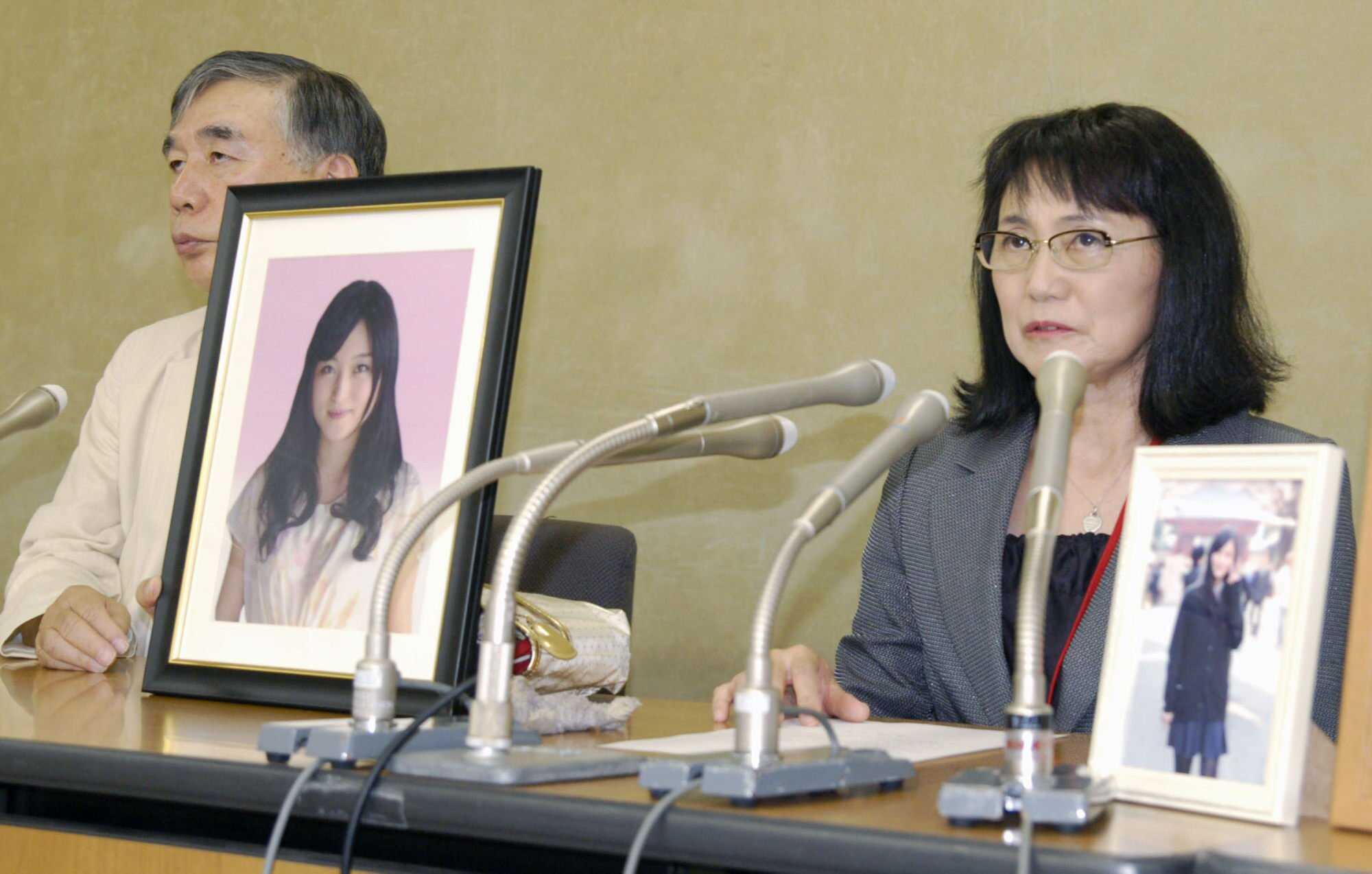
The suicide in 2015 of Matsuri Takahashi was a turning point, Kawakami said. The 24-year-old was an employee of advertising giant Dentsu and was reportedly required to work as many as 105 hours of overtime a month. The tragedy fuelled public outrage and helped spur the passage of the 2019 Work Style Reform Act amid extensive campaigning against karoshi.
“The Japanese government has been pressuring companies to reduce full-time employees’ hours,” Kawakami said. “It has taken a few years to be fully implemented, but there are clear limits on working hours.”
Even so, gaps remain, particularly for part-time and non-contract workers who lack health insurance, pensions and job security.
“And there are also still too many companies that completely ignore the rules and will not show up in any government statistics,” Kawakami said.
If you have suicidal thoughts or know someone who is experiencing them, help is available. In Hong Kong, you can dial 18111 for the government-run Mental Health Support Hotline. You can also call +852 2896 0000 for The Samaritans or +852 2382 0000 for Suicide Prevention Services. In the US, call or text 988 or chat at 988lifeline.org for the 988 Suicide & Crisis Lifeline. For a list of other nations’ helplines, see this page.