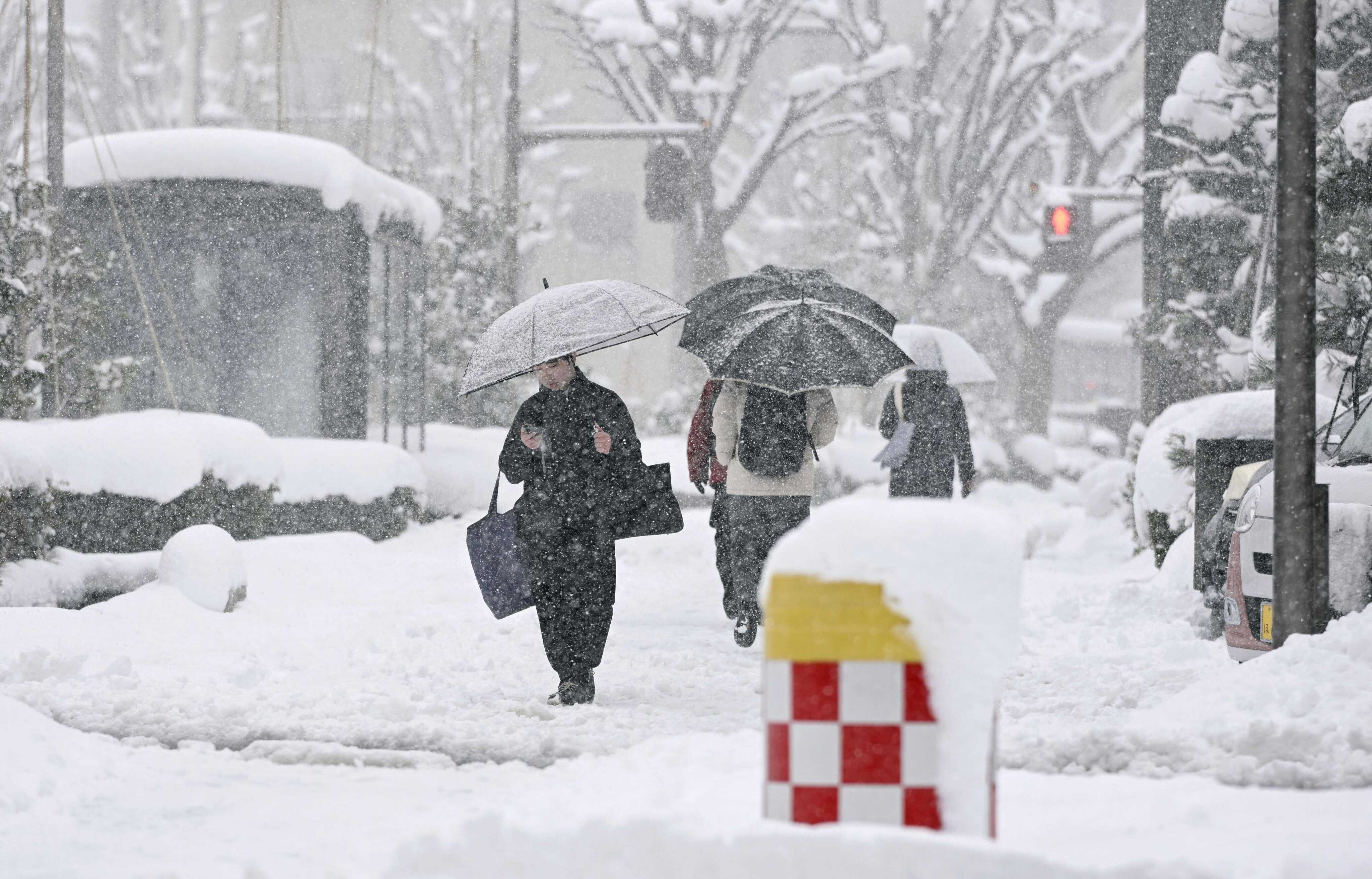
The current severe winter season in Japan has killed at least 29 people, with the number expected to rise as the weather rages on. Environmental and tourism experts in the country have warned of greater risks to lives and property, as unpredictable weather patterns owing to climate change continue.
Just as Japanese summers are becoming hotter, longer and more humid, global warming is also affecting the nation’s winter weather patterns, according to climate experts.
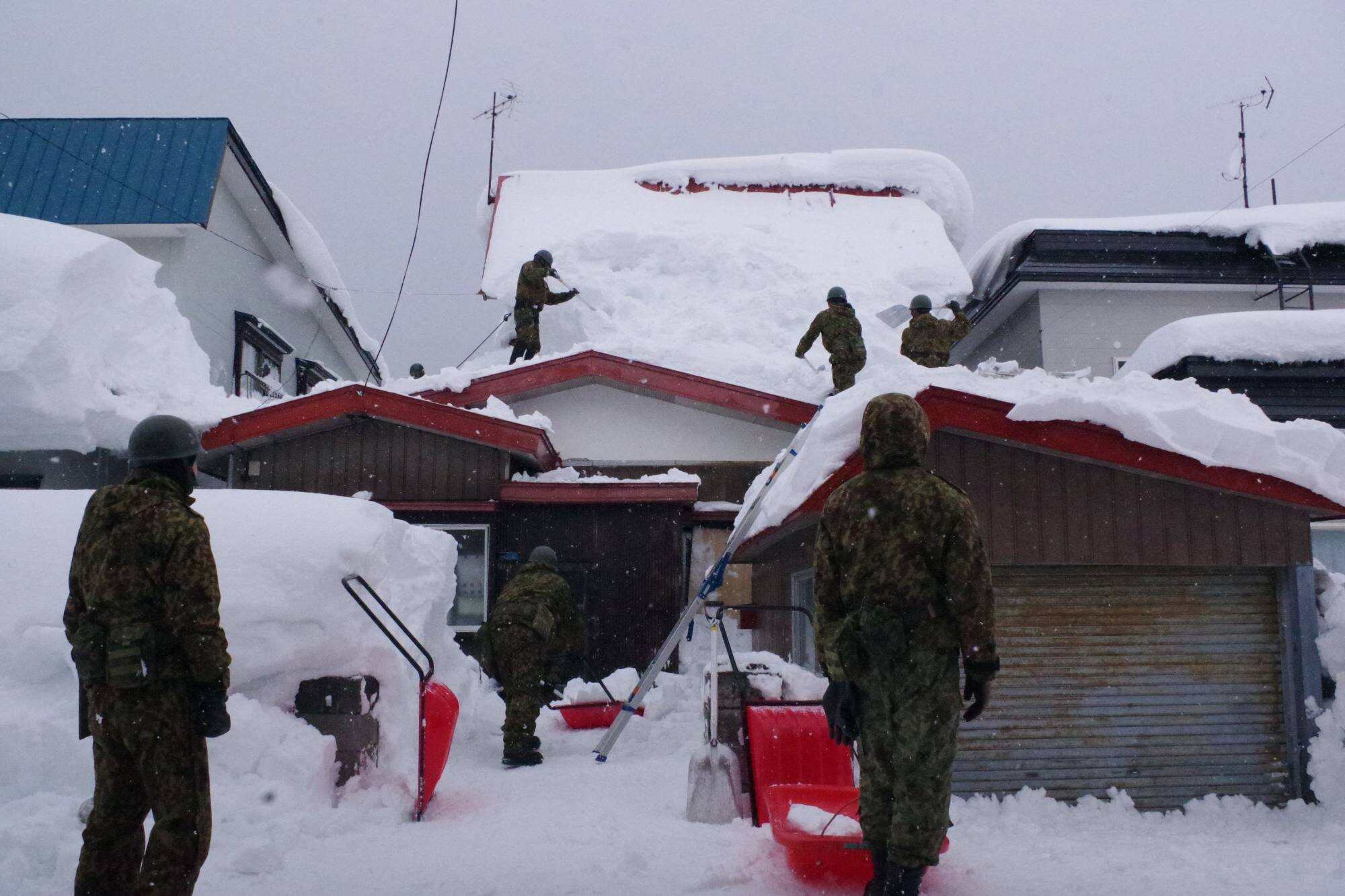
Parts of Japan experienced “disaster-level” snowfall in recent days, with authorities reporting at least 29 dead and 290 injured in accidents since January 20. Tokyo dispatched military personnel to Aomori in northeast Japan on Monday to clear snow from rooftops and other areas, as some buildings faced the risk of collapse.
The prefectural authorities requested help on Sunday after 183cm (72 inches) of snow fell within 24 hours, 2.7 times the average annual snowfall in the Magonai district of Aomori city. It was the first time in 21 years that the military had been tasked to help residents deal with a snow-related emergency in the Aomori region.
On Sunday, the body of a 91-year-old woman was found buried under 3 metres of snow in Aomori.
The Japan Meteorological Agency has warned of a strong winter pressure pattern over much of Japan. Heavy snow has been reported along Japan’s north coast, from Saga in Kyushu in the far south all the way to the most northerly tip of Hokkaido.
“The amount of snow and the low temperatures that we are seeing so far this winter are generally more extreme than we would expect,” said Takahiro Oyama, a researcher at the National Institute for Environmental Studies’ Centre for Climate Change Adaptation.
As a result of climate change, summer months in northern Japan have become more intense in recent years, with short-lived storms causing localised flooding and landslides, while the winter months have seen increased precipitation falling as snow, according to Oyama.
“As global warming continues and the climate is affected, we can expect more extreme weather events in Japan, including in the winter months,” Oyama said. “This will not affect all parts of the country, but our predictions show that Hokkaido and the Tohoku region of northern Japan will continue to experience more snow in the winter months.”
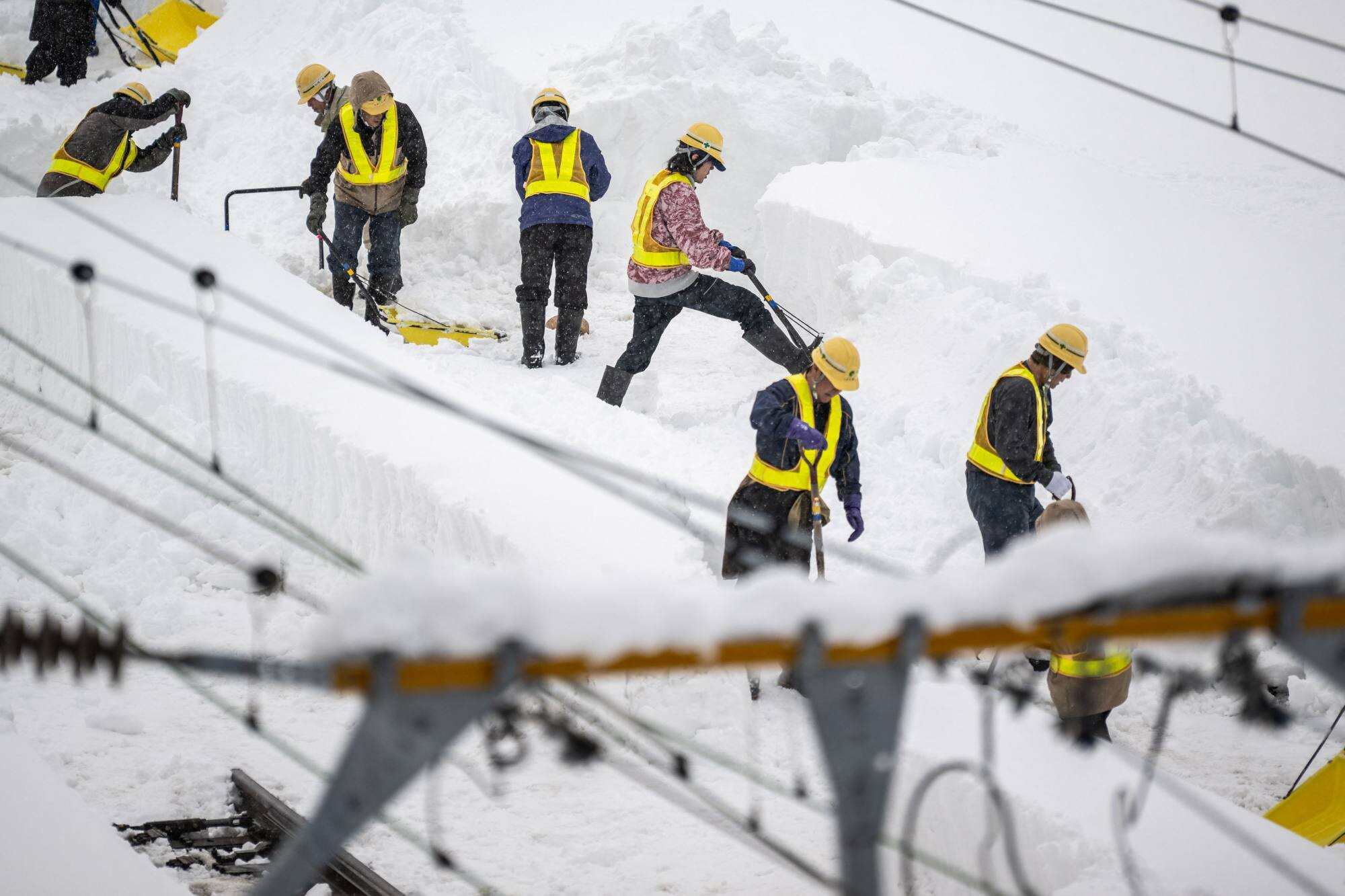
More than 1.6 metres (5.3 feet) of snow was recorded in Shinjo in Yamagata prefecture, 1.37 metres in Kazuno in Akita prefecture and 1.35 metres in Nagaoka in Niigata prefecture as of 5am local time on Tuesday, according to national broadcaster NHK.
The meteorological agency has warned of more snow in the next 24 hours, but anticipates that the winter pressure pattern may start to gradually ease from the west on Tuesday.
It has cautioned the public to look out for avalanches in mountainous regions and to take safety measures against snow falling from roofs amid reports of people being injured or killed while removing snow from their residences.
Authorities warn of potential power outages in some areas from snow accumulation on lines, with some already downed by falling trees.
Older homes and structures also risk collapse, and the public and government workers have been advised to wear safety equipment.
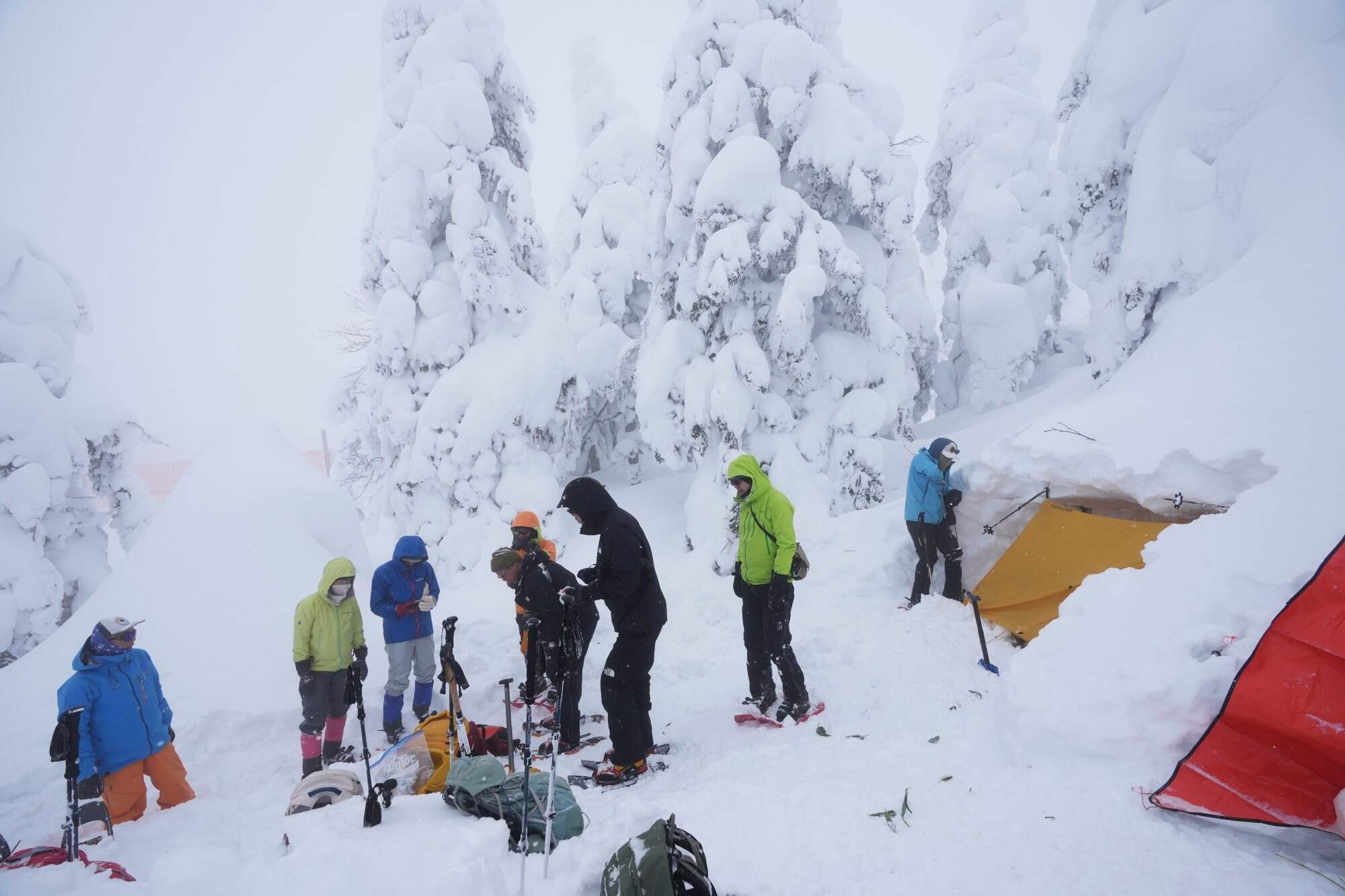
Foreign nationals visiting Japan for snowy holidays or winter sports were among the dead and injured.
On Friday, 22-year-old Australian national Ella Day Brook died after a buckle on her backpack caught on a ski lift at Tsugaike mountain resort in Nagano prefecture. The lift was stopped immediately, but Brook was left suspended and suffered a cardiac arrest, local police reported.
On Sunday, 39-year-old Canadian Ashley Key Bernice was killed while off-piste snowboarding in Niigata prefecture after falling into a waterway, from which her companions could not rescue her in time.
Nagano prefectural police recorded nine backcountry snowboarding incidents last month. Of the 12 deaths – including 11 foreigners – one person was still missing. Last week, a group of seven Korean snowboarders had to be rescued by helicopter in Hokkaido.
On Monday, police in the town of Kutchan in Hokkaido reported that a foreign man who was off-piste skiing with a group of seven died of cardiac arrest after being admitted to a local hospital.
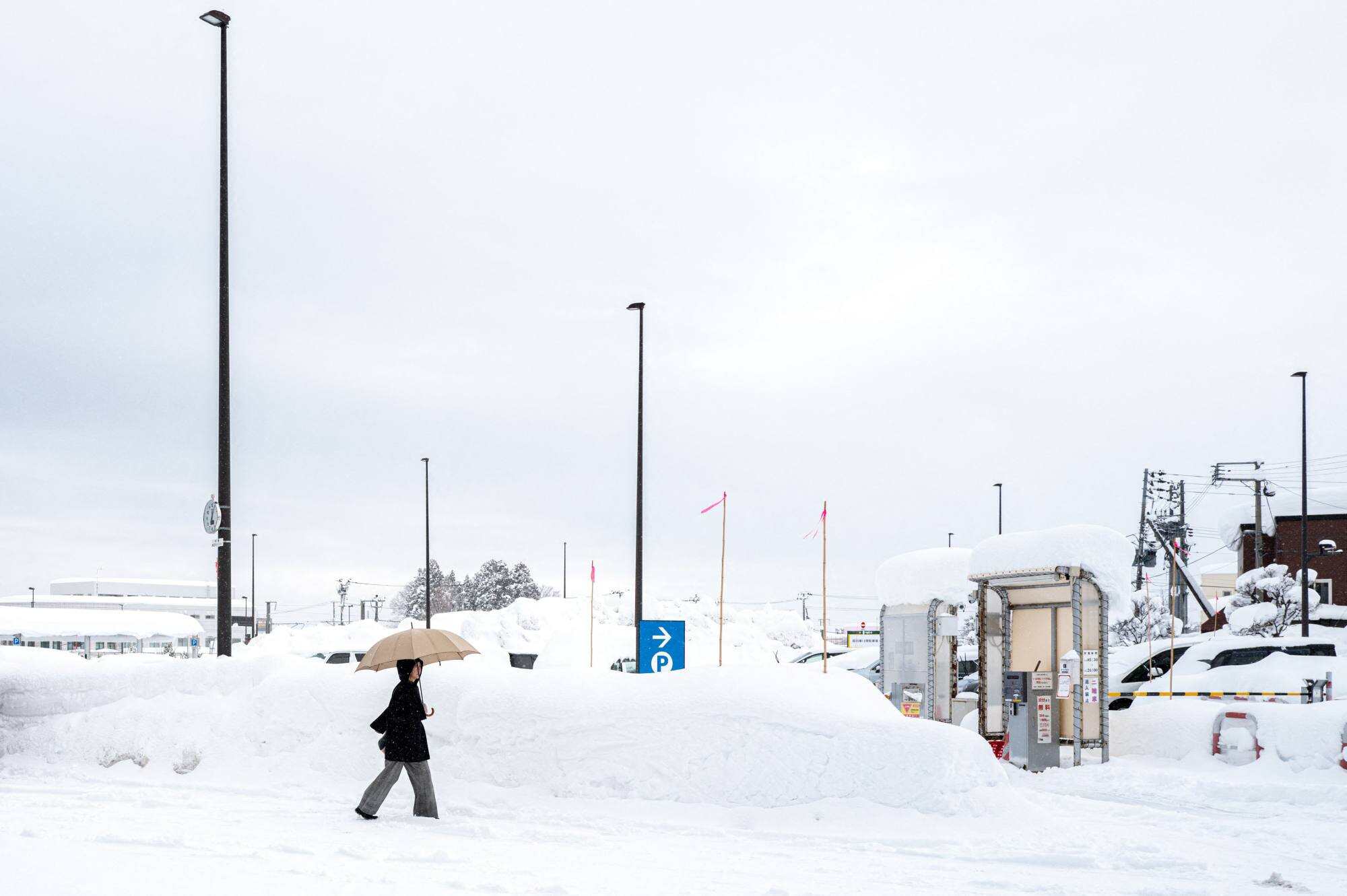
Paul Christie, founder of travel company Walk Japan, said it was important to be prepared for any conditions for outdoor activities across the country, as the sudden onset of bad weather had shown.
“Our biggest concern in the past has been typhoons, which tend to come in the later summer months but can be quite severe and unpredictable, although there were none this year,” he said.
Several of Walk Japan’s hiking expeditions have been affected by the low temperatures and high snowfall, according to Christie.
He advised travel firms organising outdoor activities in Japan to implement robust safety plans to deal with adverse weather, citing Walk Japan’s round-the-clock operational team that was ready for any contingency.