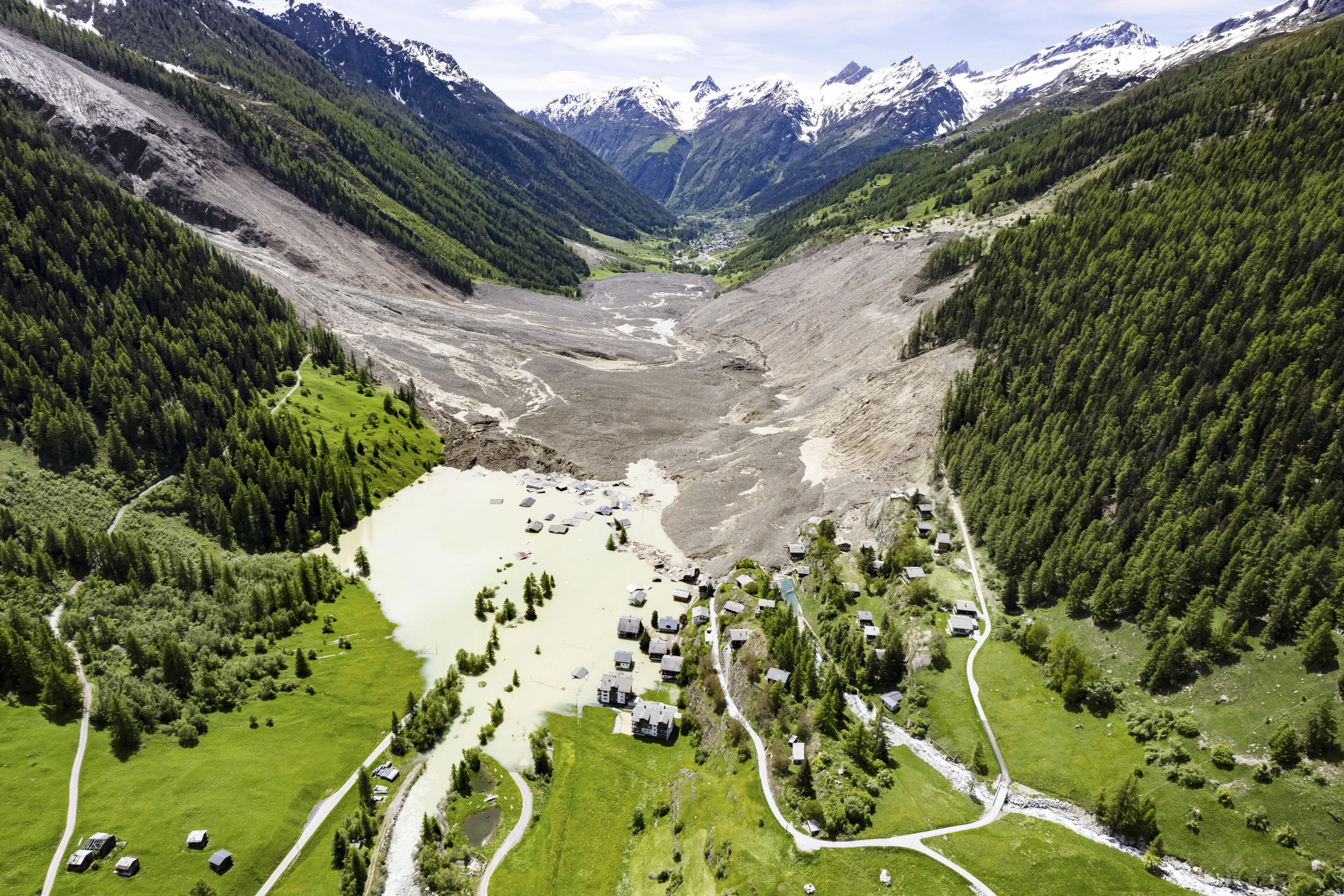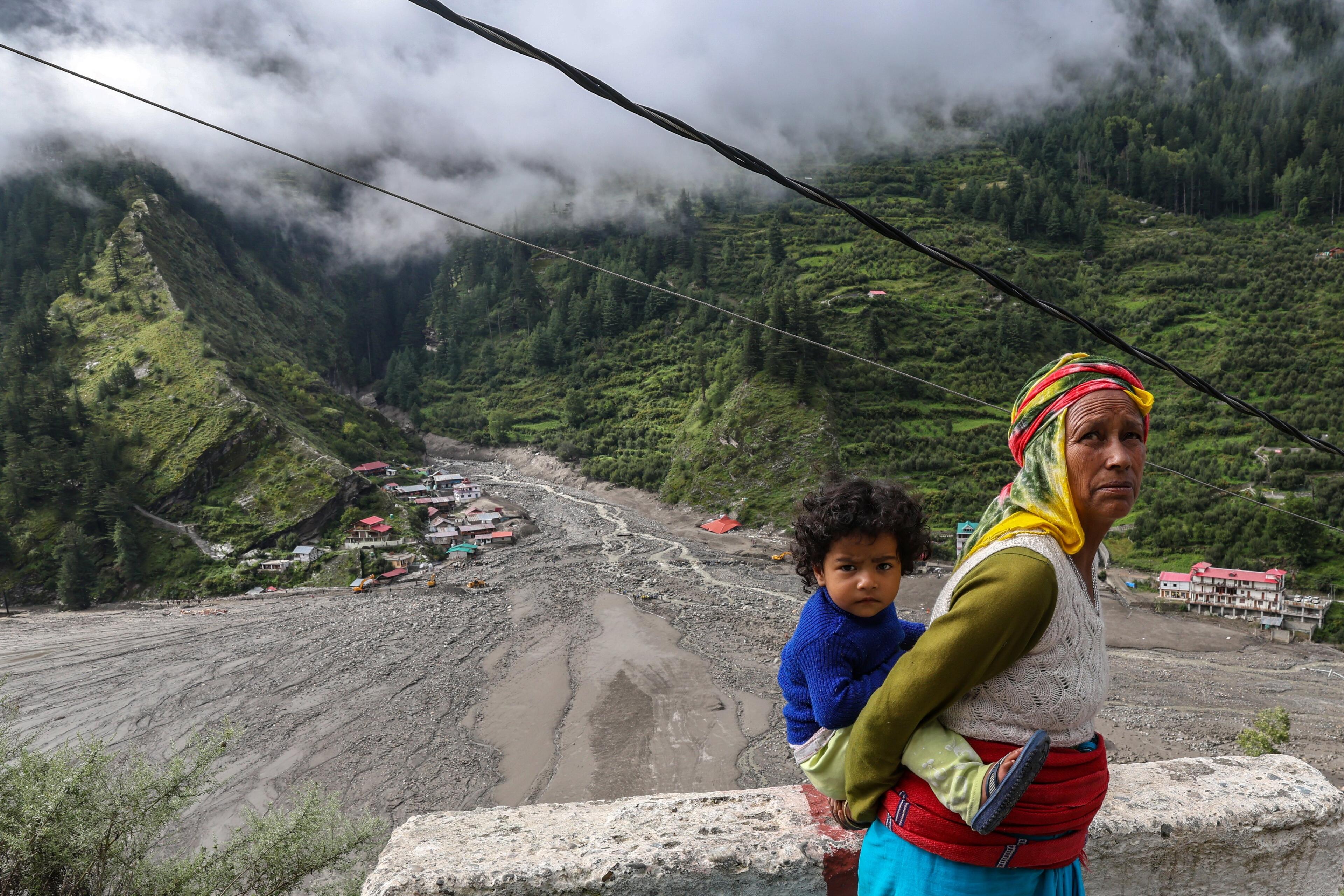
Back-to-back natural disasters triggered by heavy rain and flooding in the Indian Himalayan region highlight the growing dangers posed by climate change to one of the world’s most ecologically sensitive regions, experts have warned.
Flash floods triggered by torrential rains have killed at least 176 people and left scores of others missing in India and Pakistan over the past 24 hours, officials said last week – the second such incident in the mountainous range in a little over a week. Another incident resulted in a severe flood and mudslide that destroyed an entire village in Uttarakhand.
Thursday’s flood washed away a community kitchen and a security post along a pilgrimage route, officials said.
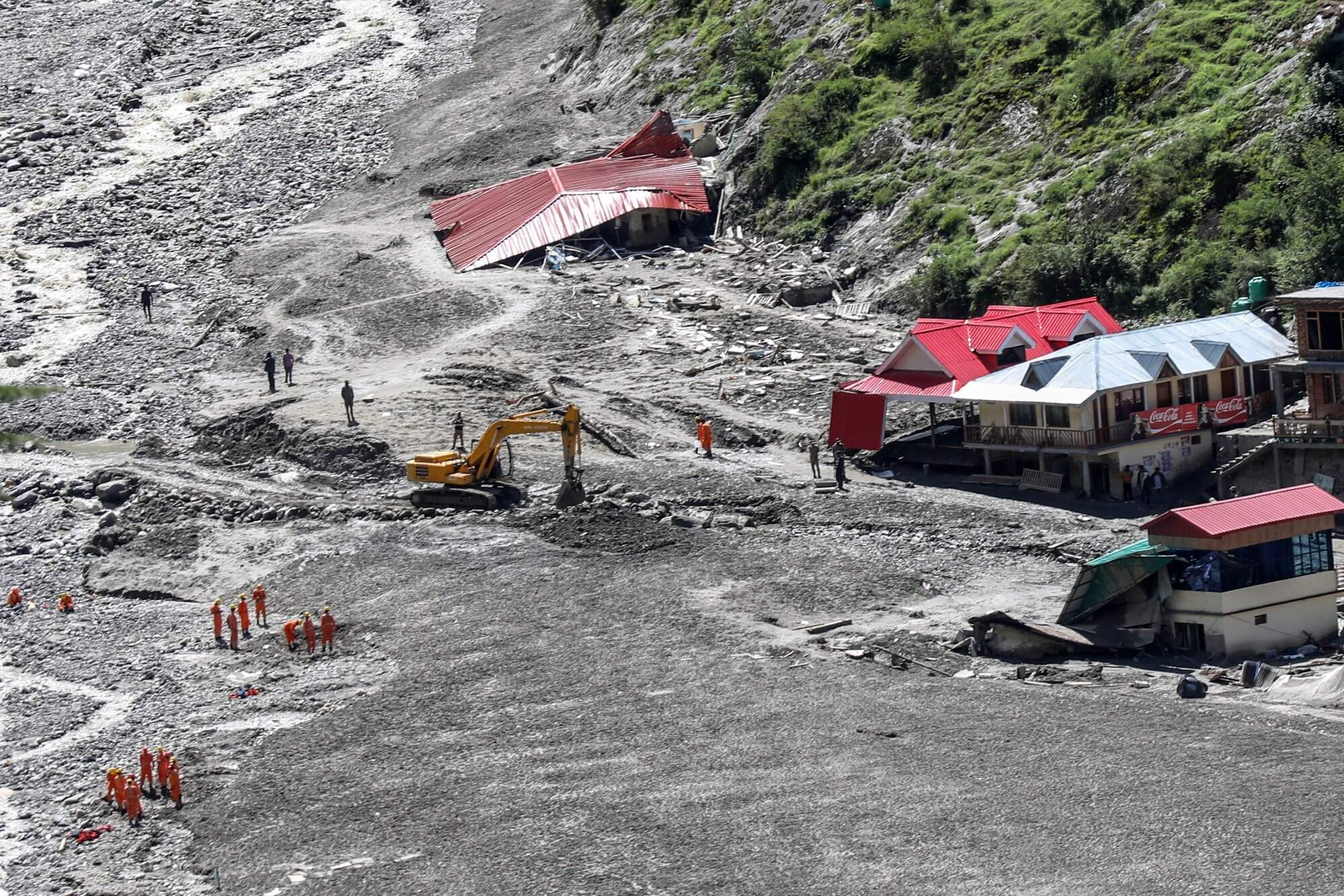
According to scientists, changes in snowfall and rainfall patterns due to climate change have made the Himalayan mountains vulnerable. Glacier retreat and permafrost thaw – ground that remains frozen for at least two consecutive years – have decreased the stability of mountain slopes.
Warming seas have also intensified the seasonal monsoon, resulting in shorter but more intense rainfall. The June to September monsoon brings more than 70 per cent of the annual rainfall to the Indian subcontinent.
According to Mahesh Palawat, vice-president of meteorology and climate change at Skymet Weather, a western disturbance over the region is currently amplifying the monsoon’s effect.
“However, we now need to focus on the infrastructure in the region. These inclement weather events will persist, in fact, increase due to global warming,” he said, adding that deforestation in the region has made mountain slopes more susceptible to landslides and mudslides.
He added that even a heavy downpour of 50mm to 60mm can trigger an extreme event, such as the one seen in Kashmir, where a cloudburst has not yet been ruled out.
A cloudburst is a sudden, localised and intense rainfall event where a large amount of rain falls in a short period, often under an hour.

Experts note that climate change is increasing the frequency of these occurrences due to rising ocean temperatures.
“A huge influx of moisture from the abnormal warming of oceans increases the capacity of the air to hold more water vapour. The Himalayas act as barriers, which give rise to vertically developed convective clouds, known as Cumulonimbus clouds,” Palawat said.
“These clouds are like a column of water, which, when restricted due to topography like the mountains, can lead to the release of water over a smaller area in a shorter duration,” he said.
According to Sachchida Nand Tripathi, Dean of the Kotak School of Sustainability, the Himalayas’ diverse hill ranges have a profound effect on weather patterns. A key factor is orographic rainfall, where moist air is forced to rise over the mountains, cooling and condensing into heavy precipitation.
“To predict such rainfall accurately in this complex terrain, we need systems capable of capturing the ‘mountain effect’ with precision,” he said.
Current forecasting methods cover an area of up to 6km (3.7 miles), but more advanced and sophisticated tools are needed, Tripathi said, adding that his institute was working on developing such equipment.
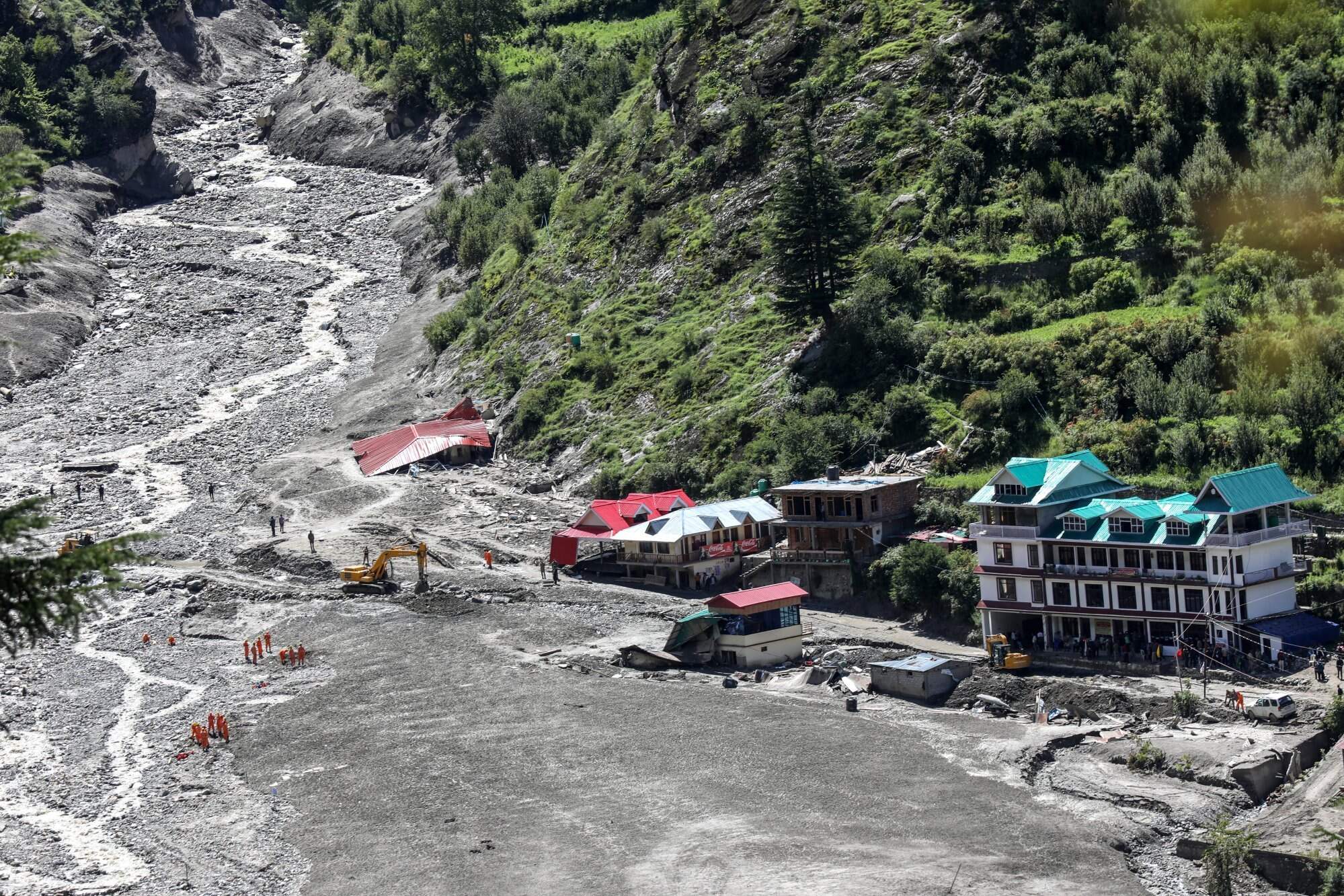
Scientists say the dangers of extreme weather are rising in the Himalayas due to both unstable glacial lakes prone to sudden failures and the increasing frequency of torrential monsoon rainfall.
According to a recent study, land heating in West Asia – a region warming nearly twice as fast as other inhabited parts of the world – is contributing to about half of the intensified spring rainfall over Northwest India and Pakistan. Scientists said the Arabian Sea is the main moisture source for summer rainfall along the west coast of the Indian subcontinent.
“This regional warming has been pulling the southwestern winds northwards over the Arabian Sea. There is excess moisture being pumped into the Himalayan foothills,” said Raghu Murtugudde, climate scientist, emeritus professor at the University of Maryland.
“We have to equip ourselves in a better way, so that we can really manage the increasing extremes. We should have early warning systems and better adaptation designs,” said Subimal Ghosh, convenor of the Interdisciplinary Programme in Climate Studies at IIT Mumbai.
Floodplain zoning is crucial to identify flood-prone areas, he said. “If there is an early warning of extreme precipitation, immediately carry out evacuation from the region.”
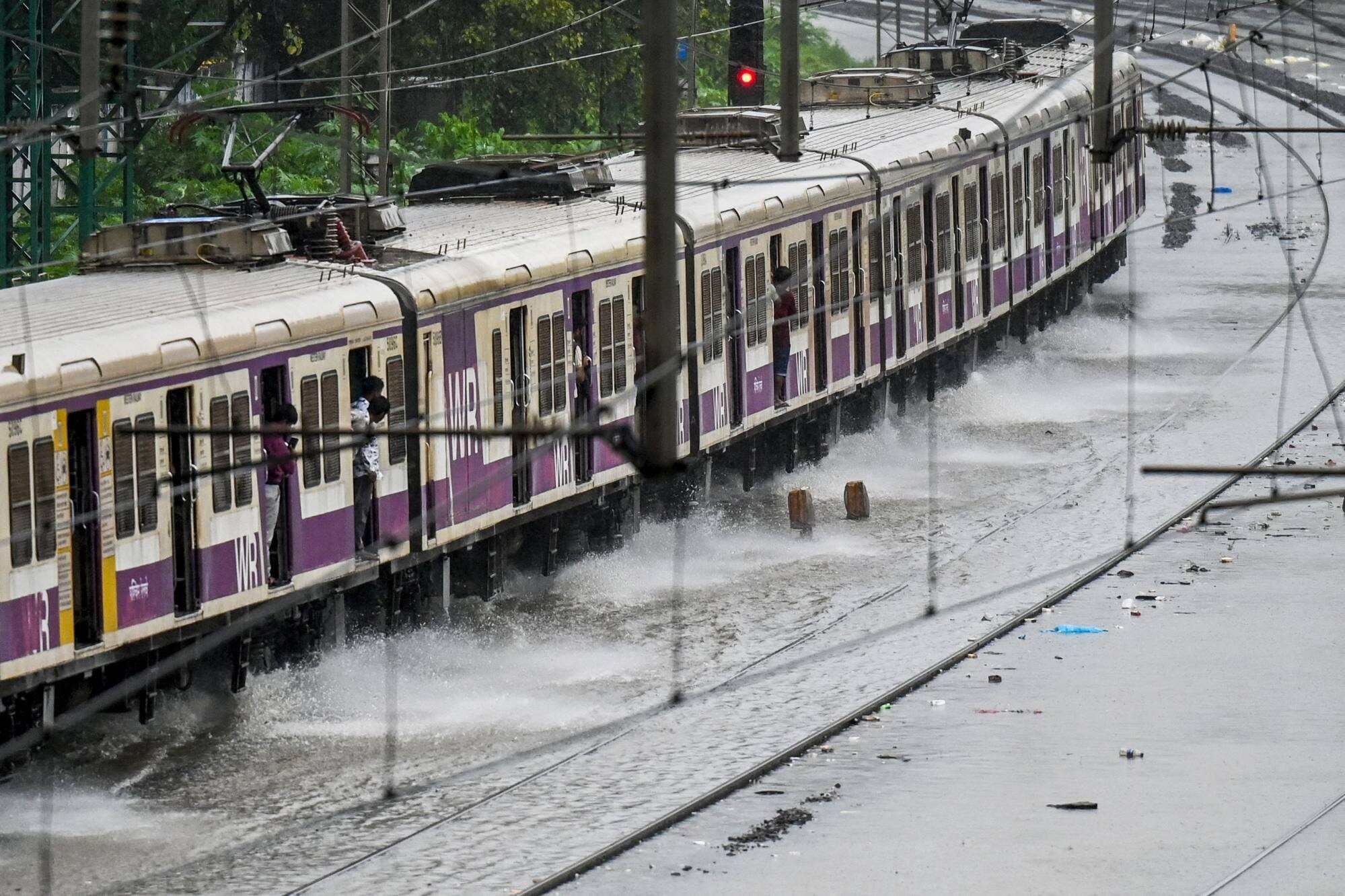
According to a Yale survey released on Thursday, a majority of Indians (53 per cent) now say they know at least something about global warming – the first time such an acknowledgement has been made.
After being given a short definition of global warming and its effects on weather, 96 per cent of people said they believe it is happening, according to the survey.
“India is already experiencing climate impacts, from record heatwaves to severe floods to stronger storms,” said Anthony Leiserowitz, founding Director of the Yale Program on Climate Change Communication. “While many in India still do not know much about global warming, they overwhelmingly think the climate is changing and are worried about it.”
Additional reporting by Associated Press