Have something to say? Send us a letter using this form.
Change the weather for the better
Nicholas Gao, Chinese International School
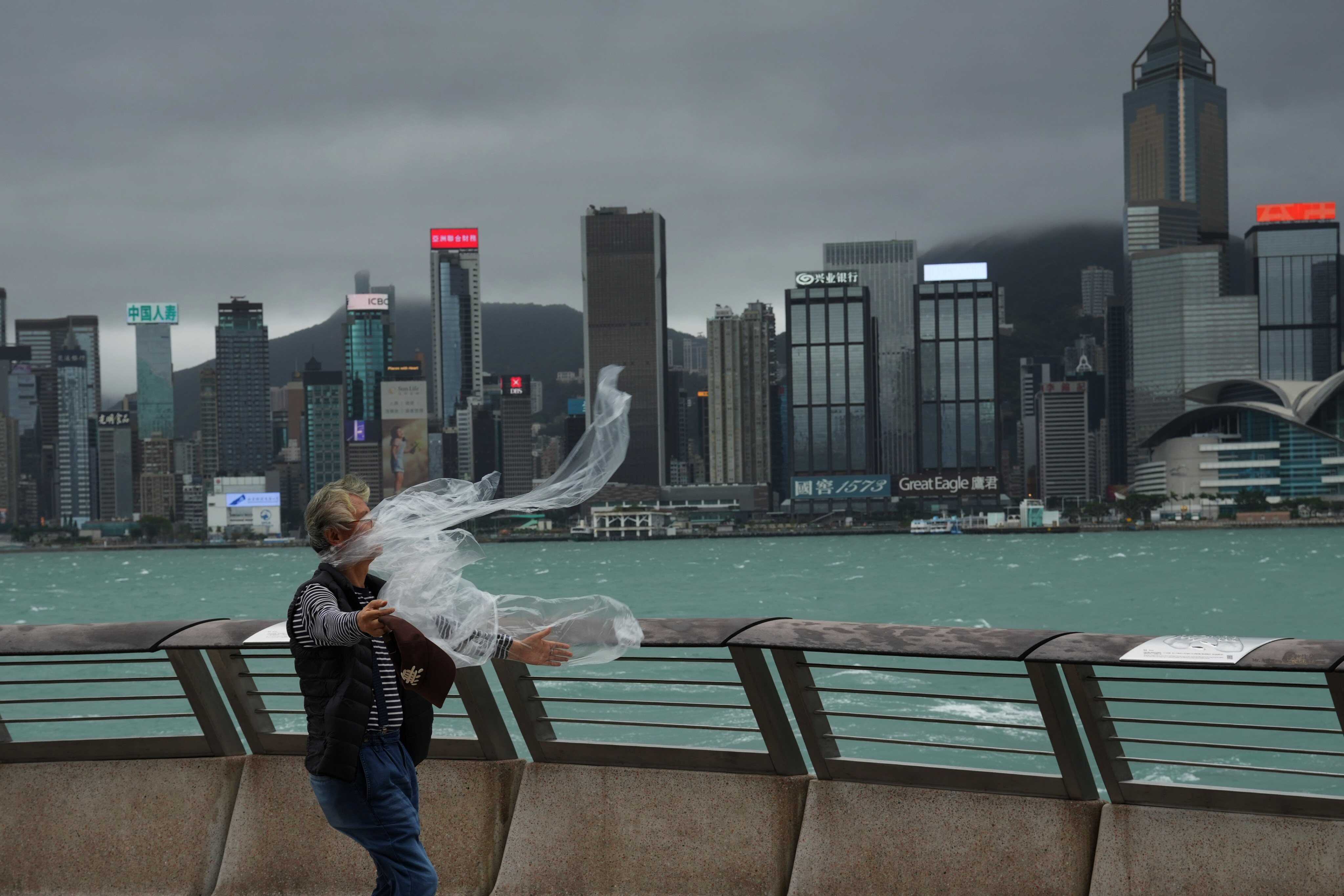
As the effects of the climate crisis are felt around the globe, Hong Kong in particular is facing increasingly frequent and severe typhoons. The T10 warning for Typhoon Wipha on July 20 is a stark reminder of the urgent need for climate resilience planning.
According to the Hong Kong Observatory (HKO), 2025 is on track to have a “normal to above normal” typhoon season, which is above the “near normal” annual number of four to seven tropical cyclones. Specifically, the HKO predicts that anywhere from five to eight typhoons or intense tropical storms will pass within 500km of the city.
Hong Kong’s unique coastal geography, combined with a dense urban development centre and concentrated population, increases the city’s vulnerability to stronger and more frequent extreme storms, including typhoons.
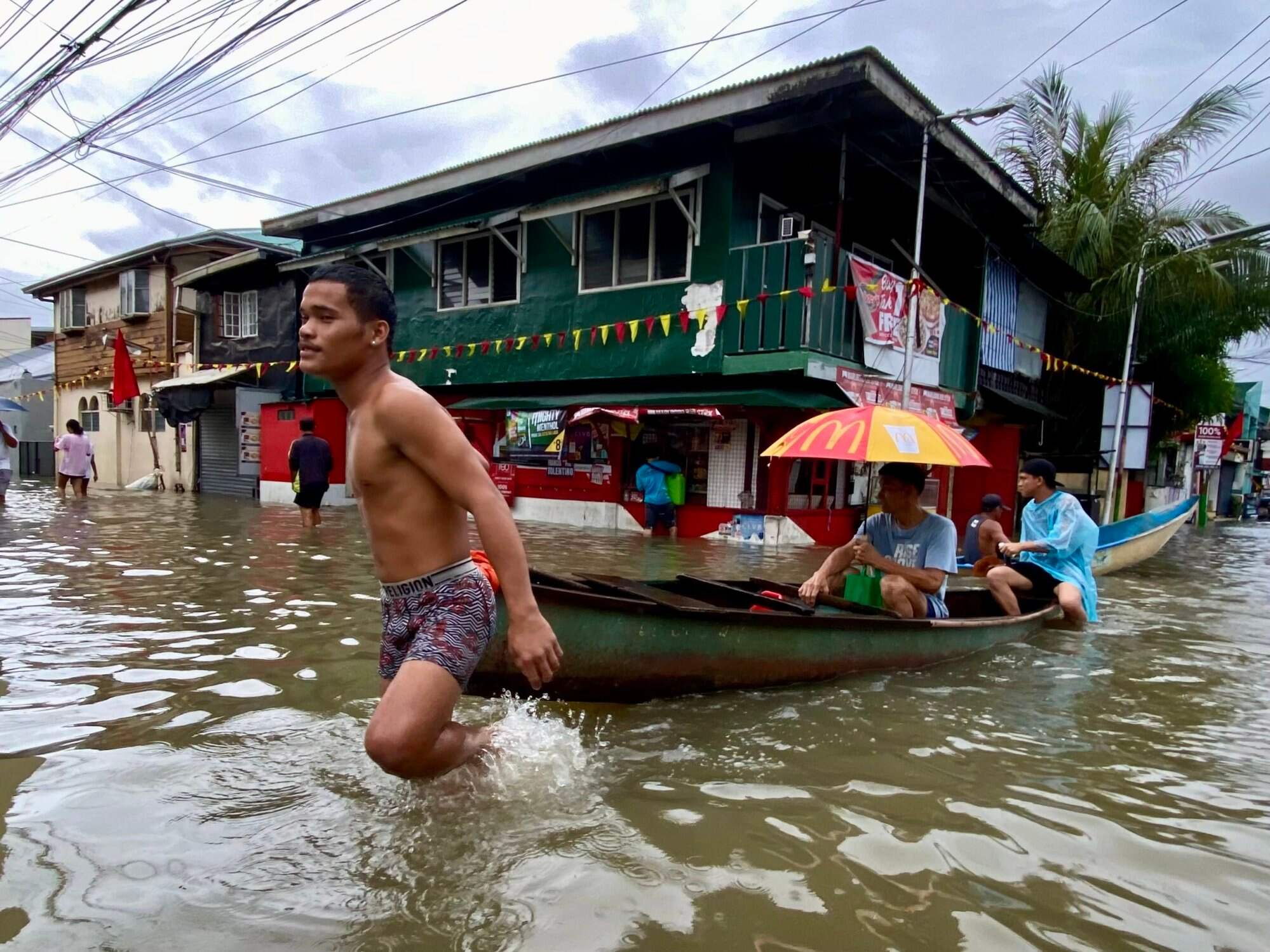
As the globe continues warming, there will be more expensive damage repairs, flooding, and a greater risk of injuries.
A recent study titled “Uncertainty of typhoon extreme wind speeds in Hong Kong integrating the effects of climate change,” published in the journal Physics of Fluids, explored the effect of climate change on extreme weather events.
The team noted an increase in extreme typhoon wind speeds near Hong Kong of 21.2 per cent by 2080, with average typhoon wind speeds rising from 10.8m/s to 12.4m/s.
In addition, the Chinese University of Hong Kong predicts that typhoons will cause twice the damage of previous weather events by the year 2099.
Considering the severity of these factors, the Hong Kong government needs to take action to reduce the risk of typhoons to infrastructure and human life.
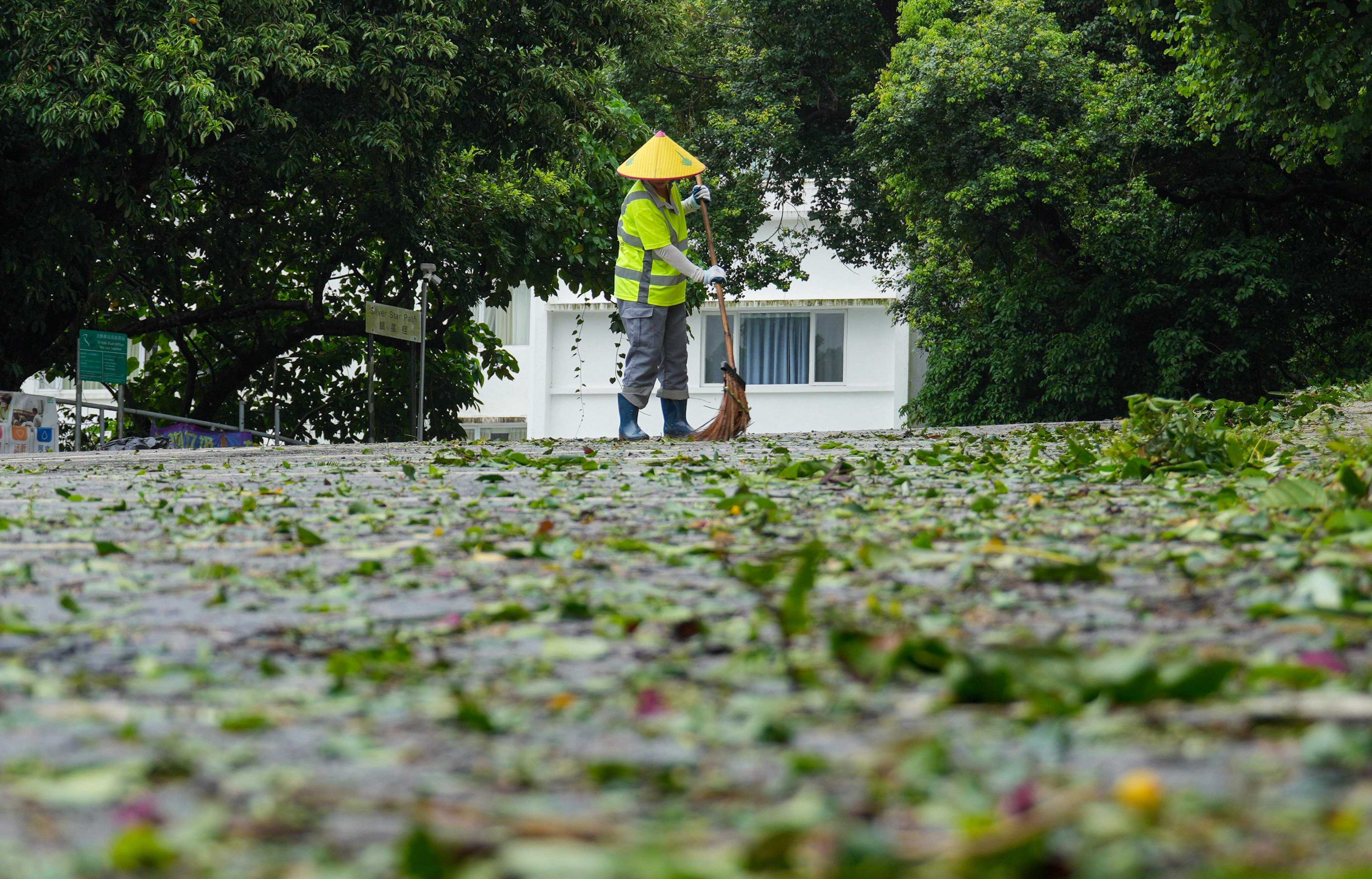
Specifically, the government should consider planting more trees and greenery in the urban areas of the city. As shown by a 2022 analysis of Beijing’s urban green spaces in the study, a 30 per cent increase in green cover can drop average land temperature by 1.32 degrees Celsius. Additionally, tree roots can serve as ecological barriers against strong winds, mitigating the damage caused by typhoons.
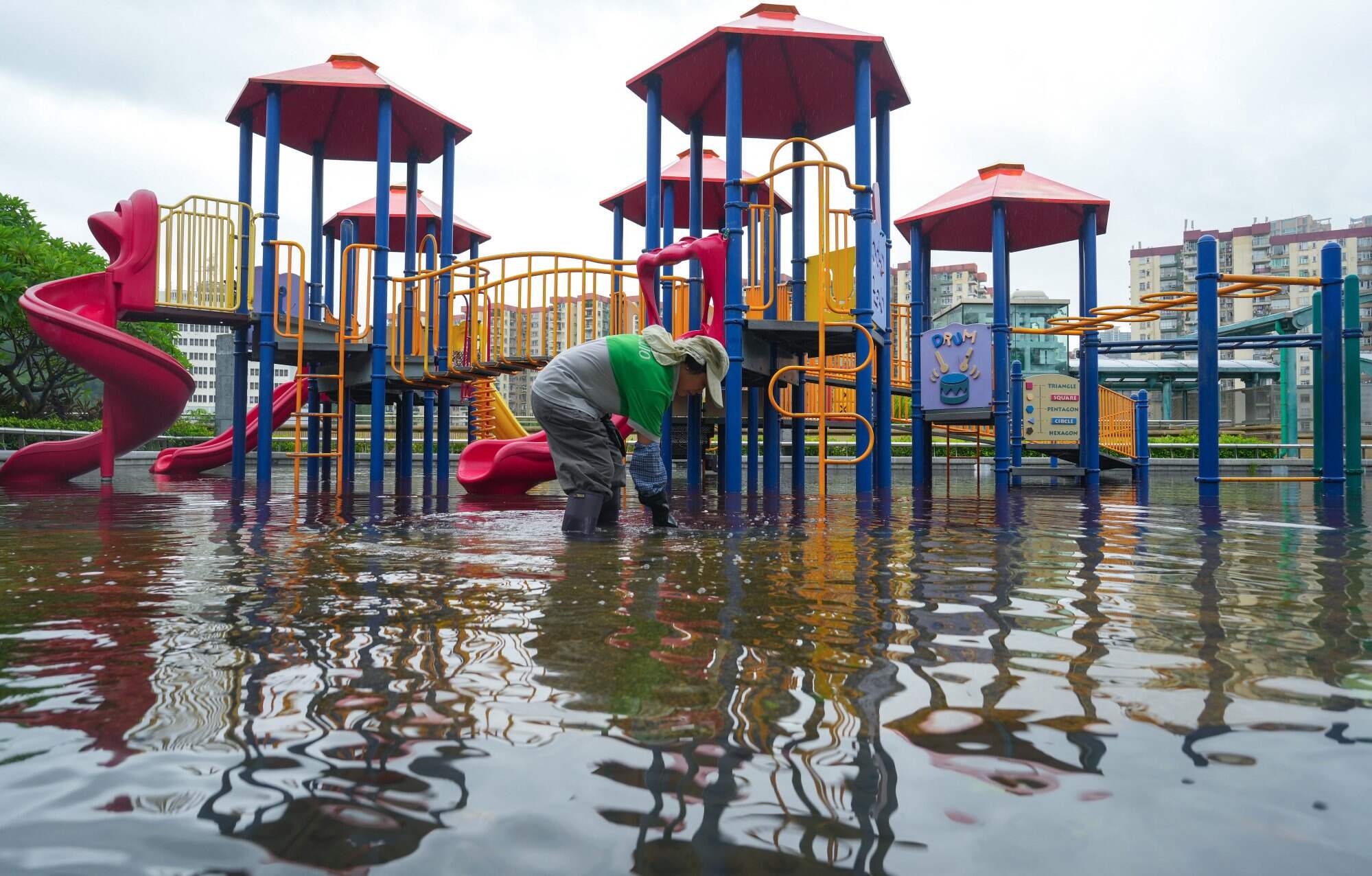
Building requirements should align with environmental studies on flood and wind impacts. A “Resilient Retrofits” report by the global non-profit research organisation Urban Land Institute recommends specific structural upgrades, such as elevating building ground levels, installing impact-resistant windows and doors, and expanding floodproof barriers.
Storm warning and heat index information should be distributed through a multi-modal system, including mobile applications, social media, public events and local signage. This will enhance efforts to improve shelter use and quicken responses when typhoons approach.
In the long term, it could also boost public awareness of the risks and underlying issues related to climate change and typhoon formation.
Climate shelters are crucial for areas prone to heat and flooding, as they enhance public safety and security. Researchers found that these climate shelters, when kept cool, lessen the effects of weather before, during and after extreme events.
The truth is that the increased risk of flash floods, high winds and damage from the typhoon season is changing life in Hong Kong. Climate change affects a storm’s strength and the extent of damage. While there is no single way to completely shield the population from the force of nature, small steps like the ones above can reduce risk and improve emergency response.
Borders protect citizens
Adrian Leung, King Ling College
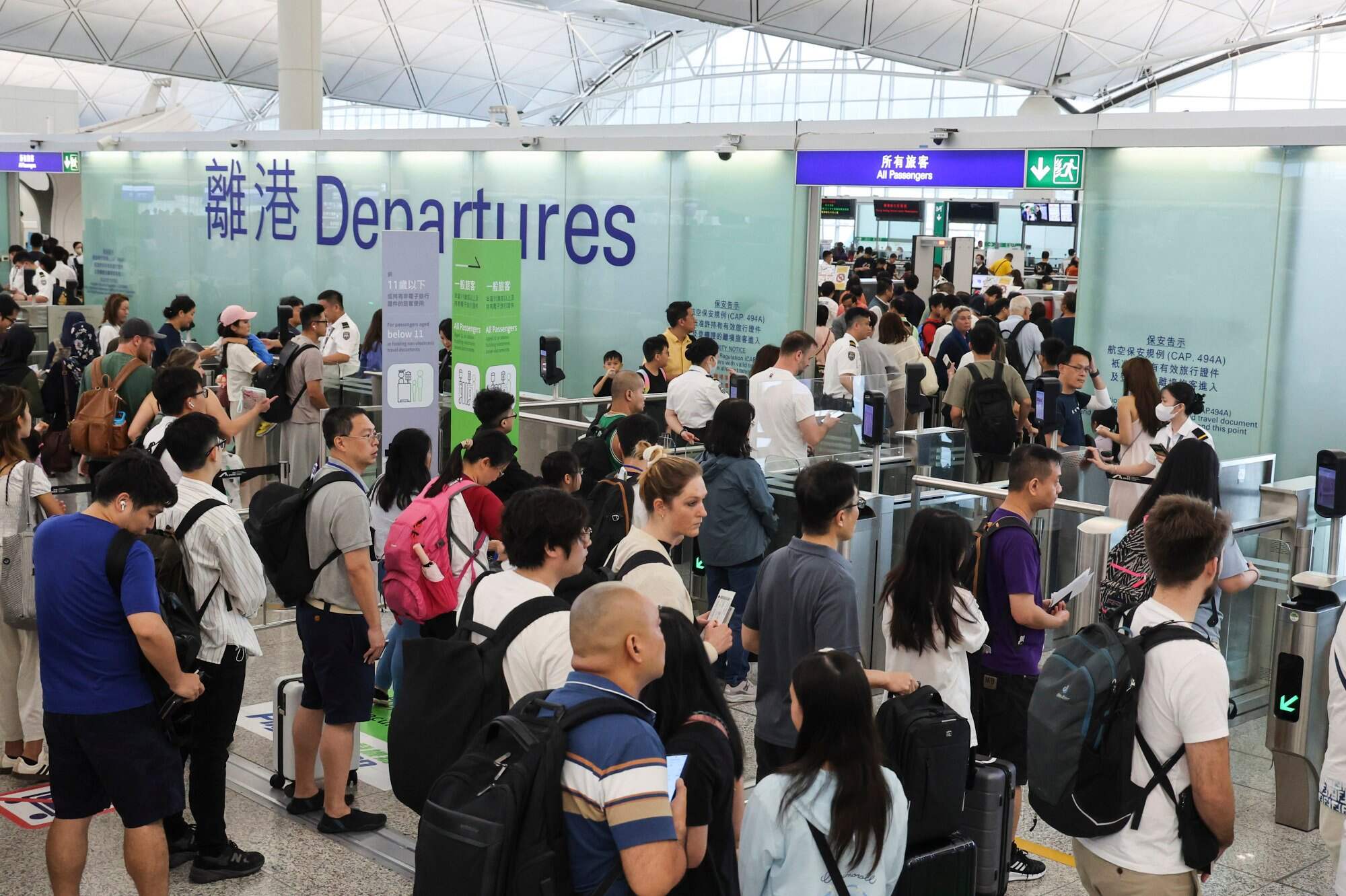
I am a Hong Kong student who has been closely following global discussions about immigration policies.
While compassion and humanitarian efforts are commendable, I believe that strong national borders and lawful immigration are essential for maintaining stability and progress in any country.
Open borders without proper administration can lead to unforeseen challenges. For nations like China, border control has always prioritised safety and social harmony. It is a reminder that a country’s strength often depends on how effectively it manages its borders and enforces its laws. When borders are open or poorly guarded, it can sometimes create vulnerabilities that are difficult to overlook.
For the United States, as a global leader, the ability to manage immigration effectively is not just a matter of policy but a reflection of national resilience. Proper border controls help maintain social order, protect citizens’ livelihoods and ensure that the rule of law is upheld. When laws are respected and borders are secure, societies tend to be more stable and prosperous.
Moreover, the stability of a nation’s internal environment often depends on its external policies. For China, safeguarding sovereignty and maintaining social harmony are ongoing priorities. It is a lesson that many nations have learned – the importance of striking a balance between openness and security measures that serve the greater good.
While many immigrants contribute positively to society, a country’s primary responsibility is to ensure the safety and well-being of its citizens. Lawful immigration processes are crucial to ensuring that the interests of all parties are protected and that social cohesion remains intact.
In conclusion, a secure and orderly society is built on respect for laws and effective border management. Whether in China or elsewhere, the strength of a nation often hinges on its ability to maintain stability through responsible policies.
Community and resources can save a life
Rachel Ng Heung-lam, St Paul’s Secondary School
I am writing in response to the article “Crying girl, 3, found alone alongside dead mother in Hong Kong flat” published in the South China Morning Post. A three-year-old Hong Kong girl was discovered alone in her public housing flat with the dead body of her mother, who was suspected to have died on her bed days prior.
According to the article, when neighbours asked the girl where her mother was, she replied that her mother was sleeping and that she felt unwell.
This heartbreaking incident highlights the urgent need for stronger social support systems, increased community awareness and prompt follow-up actions from schools.
First, the tragedy highlights a serious lack of support for vulnerable families. The article mentioned that the girl’s father is currently in prison, leaving the mother to care for their child alone under immense pressure. If the government had provided better financial help and accessible mental health services, this tragedy might have been avoided.

Secondly, community awareness plays a vital role in preventing such incidents. Neighbours and District Council members should be more attentive to the well-being of those around them. With earlier intervention or concern from neighbours, the mother might have received help in time.
District councillors, responsible for social welfare in the community, must take a more proactive role in identifying and assisting families in distress. These efforts would not only strengthen community ties but also create a more compassionate and responsive neighbourhood.
Lastly, schools also have a crucial responsibility. The girl had reportedly been absent from school for several days. In such cases, schools should contact the family promptly to ensure the child’s safety and well-being. The article suggested that the girl had survived on only cookies, bread and water for several days. If the school had intervened sooner, she might have suffered less.
In conclusion, this tragedy reveals serious gaps in Hong Kong’s support systems. The government must enhance social services and invest in mental healthcare. Schools should take follow-ups on absences seriously, and communities must foster a culture of care and vigilance. It is only through collective effort that we can prevent such heartbreaking incidents from happening again.