Summer is gone and the warm, sunny days are giving way to cooler, longer nights. With these changes, many people may find themselves feeling the effects of SAD, or seasonal affective disorder. While it is common, exposure to the right kind of light can make a noticeable difference.
What is seasonal affective disorder?
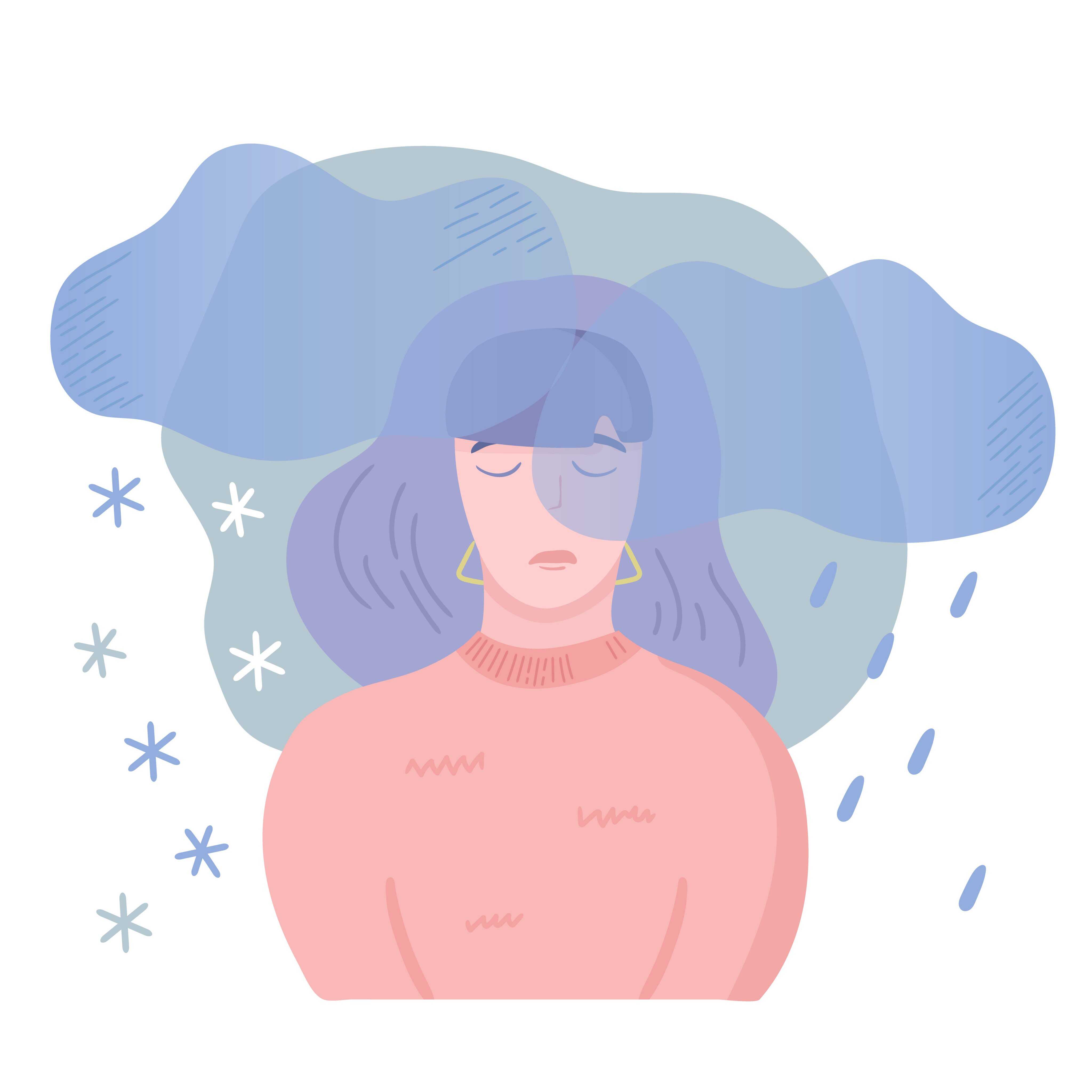
Seasonal affective disorder (SAD) is a form of depression characterised by seasonal patterns. A person suffering from SAD experiences mood changes that begin and end with seasonal changes. They often experience “winter blues” during the shorter days of the autumn and winter, but feel better by springtime.
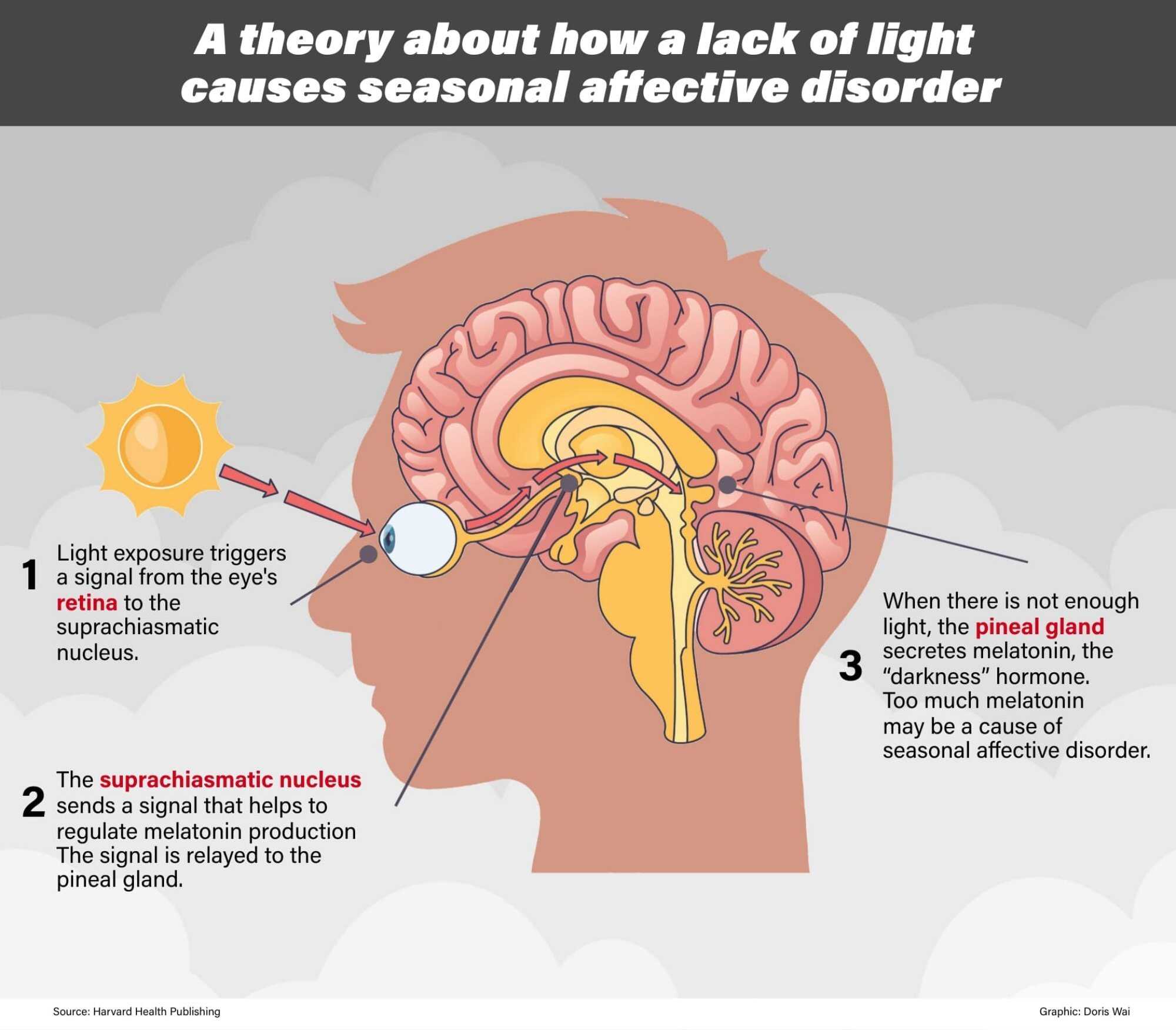
According to Robert Levitan, a University of Toronto professor and senior scientist at the Centre for Addiction and Mental Health in Canada, it comes down to light.
“One of the things that’s unusual about SAD is that it’s the only form of depression where we know the trigger, which is a lack of environmental light,” he told the American Heart Association, or AHA.
“Most depressions are not as predictable. This predictability can help some individuals recognise symptoms and implement treatment quickly, though for others it can lead to weeks of negative anticipation as [autumn] approaches.”
SAD symptoms and diagnosis
According to the US National Institute of Mental Health (NIMH), SAD symptoms often last around four to five months. They include feeling anxious, irritable, restless, helpless, fatigued, changes in weight or sleep, difficulty concentrating and thoughts of death or suicide.
Not everyone experiences SAD the same way, according to Levitan.
“There’s a continuum,” he told the AHA. “Some people just feel tired. They enjoy things less but can get to work and function. However, for some, it is truly disabling.”
NIMH suggests talking to a healthcare provider or a mental health specialist if you believe you are showing symptoms of seasonal affective disorder.
According to Johns Hopkins Medicine, SAD usually appears in adulthood and becomes more likely with age. It’s rare among those under 20 and is more common in women than in men.
How light therapy can treat SAD
Light therapy has been used to treat seasonal affective disorder for decades, according to NIMH.
The treatment involves a patient sitting in front of a 2,500 to 10,000 lux light box for 30 to 45 minutes every day from autumn to spring. Roughly 20 times brighter than a normal indoor light, the light box is designed to mimic sunlight with minimal UV rays.
According to Cleveland Clinic psychologist Adam Borland, PsyD, it’s the lack of winter sunlight that can negatively impact our mental health.
“Especially in the winter, our bodies react to the grey, cold weather and lack of natural sunlight,” Borland told the Cleveland Clinic last year. “What light therapy does is compensate for the lack of exposure that we get from natural sunlight.”
Light therapy helps keep your circadian rhythm in check while balancing your serotonin levels. It can aid sleep, increase the effectiveness of antidepressants and improve depression symptoms, according to the Cleveland Clinic.
What are some other ways to deal with SAD?
-
Maintain a consistent sleep schedule. Go to bed and wake up at the same time every day, including on weekends, to help your body’s natural clock stay in check.
-
Maximise light exposure at home. Open all curtains and blinds during the day. Allowing natural light into your home tells your brain it is daytime.
-
Exercise outdoors. Physical activity releases “feel-good” hormones called endorphins, which improve our mood.
-
Connect with nature at home. Fill your home with potted plants. Taking care of plants can help lift a low mood.
-
Stay social. Joining a club or sports team helps fight loneliness and gives a sense of belonging, which is good for mental health. It is also important to actively keep in touch with friends and family.
If you have suicidal thoughts or know someone who is experiencing them, help is available. In Hong Kong, you can dial 18111 for the government-run Mental Health Support Hotline.
You can also call +852 2896 0000 for The Samaritans or +852 2382 0000 for Suicide Prevention Services. In the US, call or text 988 or chat at 988lifeline.org for the 988 Suicide & Crisis Lifeline. For a list of other nations’ helplines, see this page.