The use of AI-powered chatbots for mental health is growing quickly. A 2024 survey found that about one-third of adults in the US were comfortable discussing their mental health with an AI chatbot rather than with a human therapist. The top reasons people use these chatbots are ease of access and availability, as well as the perceived privacy and anonymity.
Many AI chatbots have been touted as mental health tools that could even replace human therapists, but experts warn that relying fully on these tools for support could be dangerous.
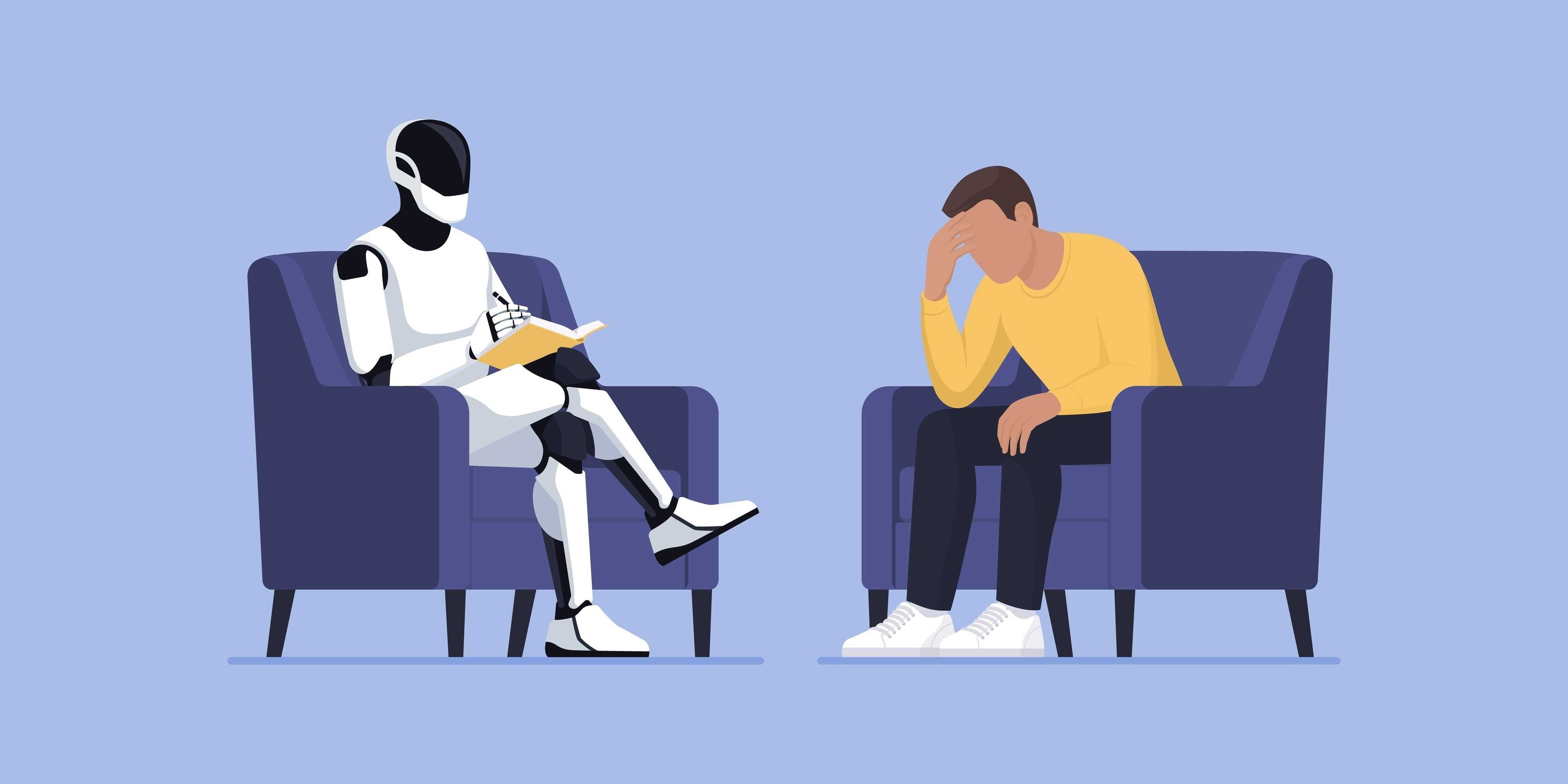
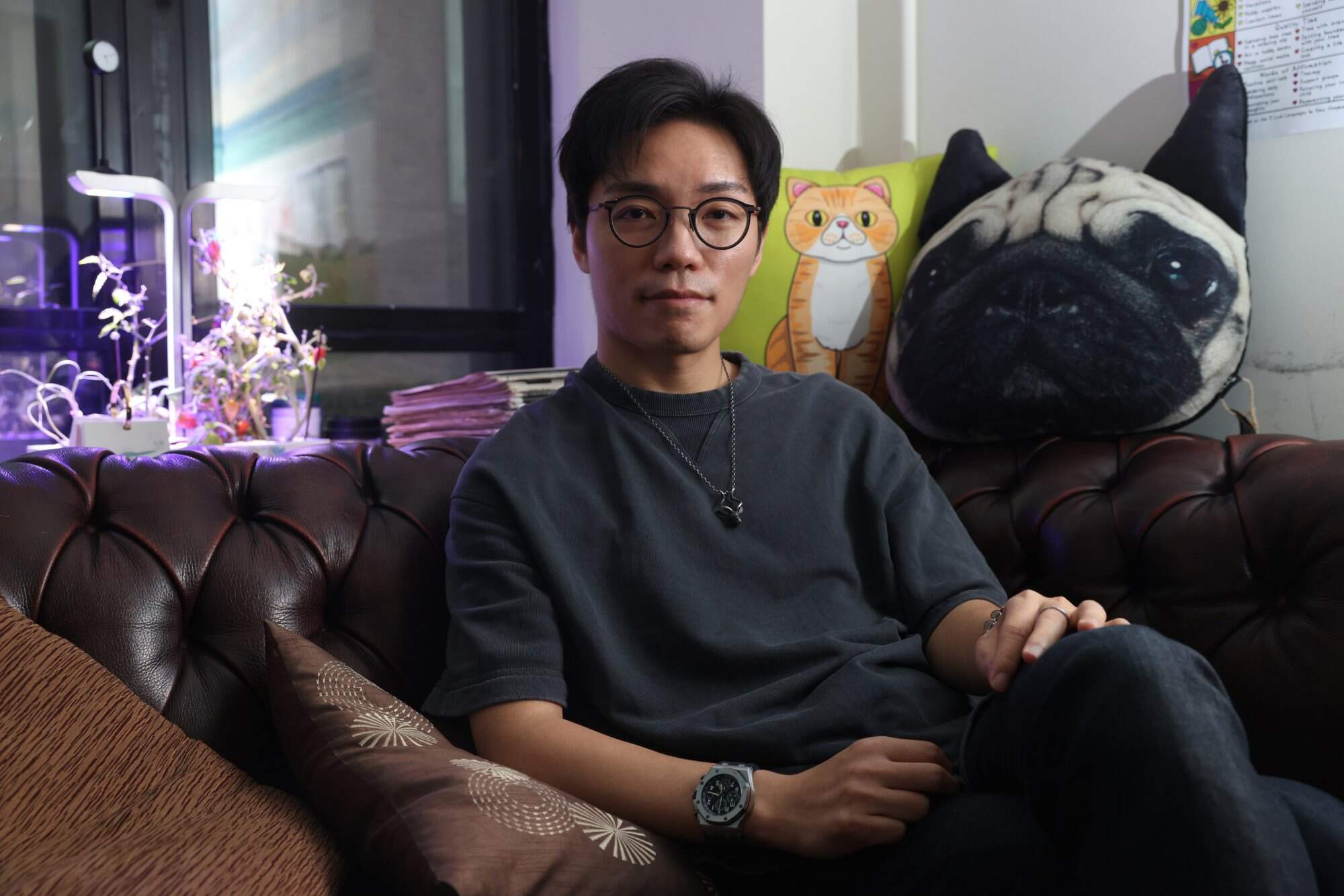
Dr Ken Fung, director of therapy and counselling at Jadis Blurton Family Development Centre in Hong Kong, said that current AI models are most effective as a supplementary mental health tool.
“It is helpful for mindfulness and relaxation techniques as these usually include standardised, step-by-step guidance. Any heavy reliance on it, however, could be concerning,” he cautioned.
Importance of non-verbal cues
Fung, who is also the founder of Your Relationship Clinic, said that chatbots rely on the user’s inputs, so they cannot detect a person’s non-verbal cues.
These cues include a person’s tone of voice, their physical positioning in relation to others and their gestures. These cues can help an expert interpret people’s feelings, even if they do not express them directly.
For example, a teen might say, “I don’t wish to continue” and a chatbot might interpret it as a simple statement of giving up.
However, in a face-to-face conversation, a professional might use non-verbal cues to see if this could be a sign of suicidal thoughts. Because chatbots lack the information to detect these subtle cues, they can easily misinterpret a user’s words.
“This could lead to a dangerous situation where the chatbot fails to identify a crisis. By simply answering a user’s questions without considering the situation [and] consequences, the AI could make a bad situation worse,” Fung said.
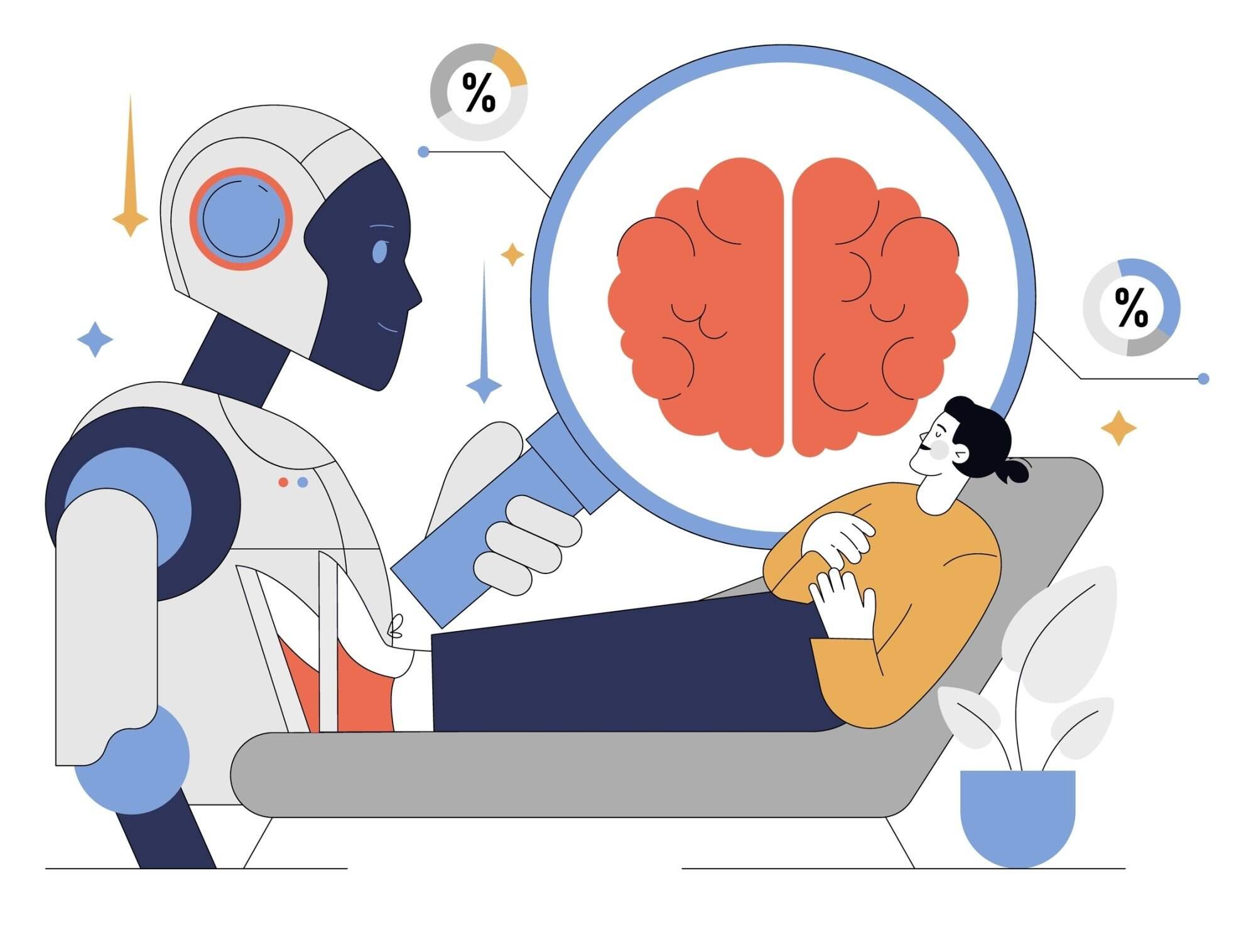
He stressed that AI simulates understanding by analysing patterns in language and behaviour, but “it doesn’t genuinely feel or comprehend emotions.”
“This is a crucial distinction, especially when you consider communication theory,” Fung said.
Fung pointed to the 7-38-55 rule, developed by social psychologist Albert Mehrabian. When communicating positive or negative emotions, the rule suggests that only 7 per cent of the meaning is delivered through spoken words, while 38 per cent comes from tone of voice and 55 per cent comes from body language.
“You can see how AI chatbots can only process a small percentage of communication that is verbalised. This means they essentially miss the vast majority of emotional expression,” the psychologist said.
Impact on social skills
Fung said AI chatbots could be especially harmful for teenagers, who are at a critical stage in learning how to manage emotions and interact with others.
“We build these important social skills through real-life connections, which also release bonding hormones like oxytocin,” he said.
Fung explained that setting and respecting boundaries is an important social skill, especially for teenagers. When they become too reliant on a chatbot’s constant availability, they may feel more anxious and insecure when their friends are busy and cannot reply immediately.
“Constantly seeking immediate responses from AI could lead teens to find their real-life social interactions less fulfilling,” he said. This feeling could push them to turn to AI chatbots, which offer instant communication, creating a vicious cycle.
The psychologist pointed out that this situation is similar to how some teens prefer to spend all their free time on the internet with a group of “friends” with whom they feel more secure.
For individuals who feel isolated, an AI chatbot can become a compelling escape.
“The more they turn to the bot for responses they feel they can’t get in real life, the more they begin to believe it’s the only ‘person’ they can talk to,” he said.
Two key signs that a teen needs to talk to a professional include feeling safer talking to a chatbot than to real people and feeling anxious about social interactions.
“If you are declining invitations from friends or avoiding real-life conversations and choosing to spend time with AI, this is a strong indicator that you are using it as an escape,” Fung said.
The psychologist emphasised the importance of balance when using AI.
“It can be a powerful adjunct tool to help us learn more about mental health and tips. But remember, it is not a substitute for real-life friends, social connections or professional help.”
If you have suicidal thoughts or know someone who is experiencing them, help is available. In Hong Kong, you can dial 18111 for the government-run Mental Health Support Hotline. You can also call +852 2896 0000 for The Samaritans or +852 2382 0000 for Suicide Prevention Services.
In the US, call or text 988 or chat at 988lifeline.org for the 988 Suicide & Crisis Lifeline. For a list of helplines from other nations, see this page.