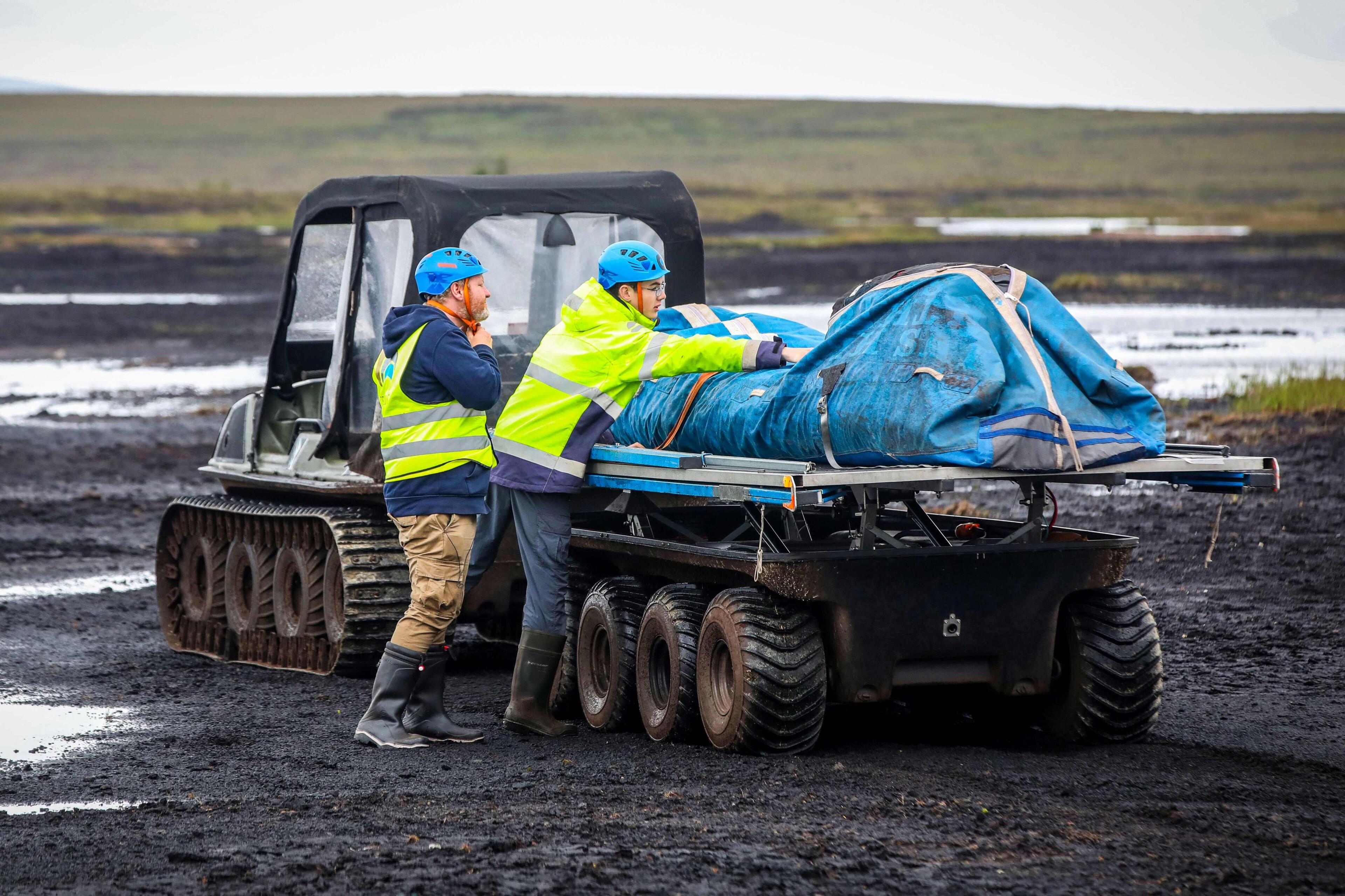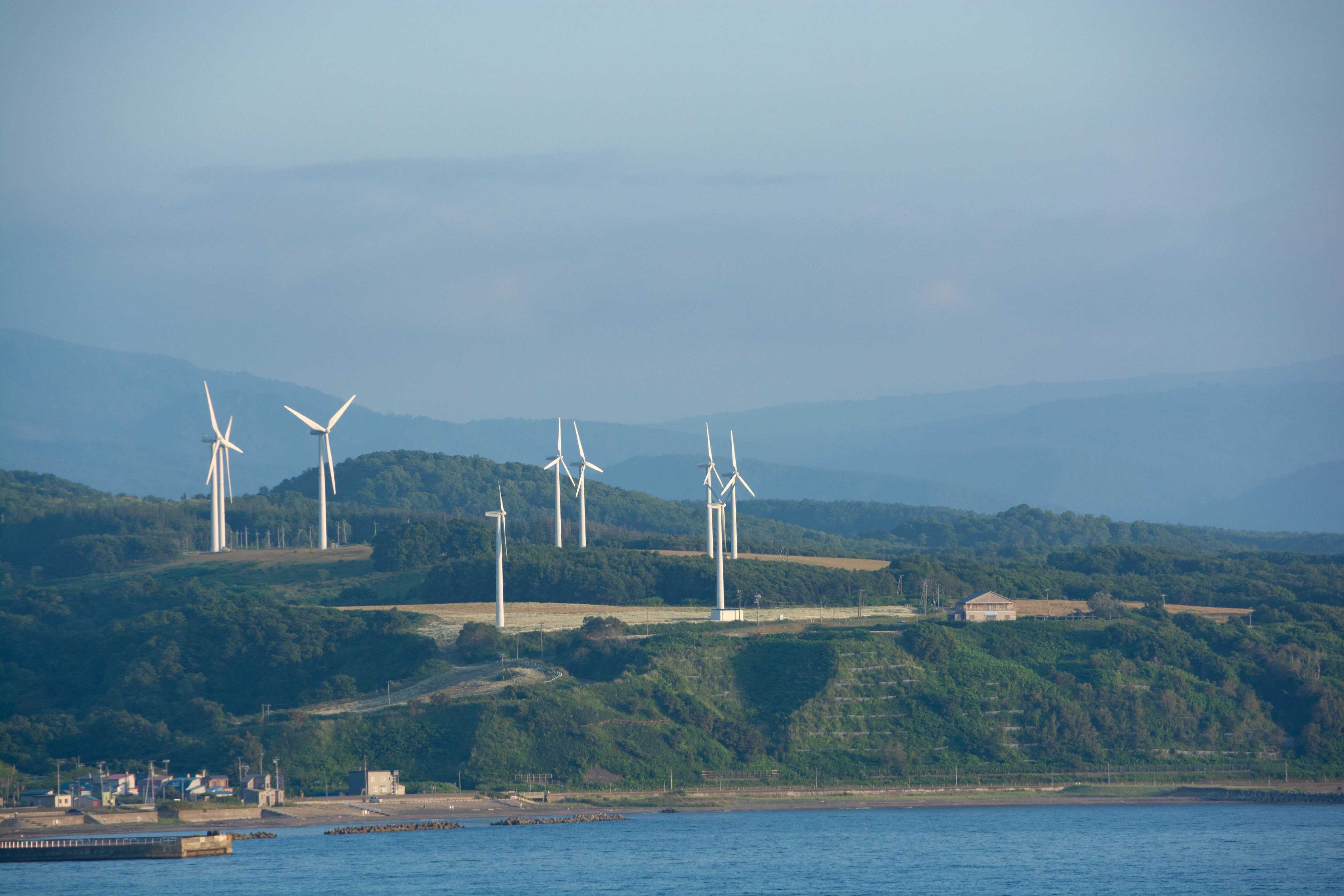
Japan is planning to build what could become the world’s largest floating wind farm – a gigawatt-scale project off the Izu Islands to power the island chain and Tokyo.
But the plan, championed by Tokyo’s governor, Yuriko Koike, is facing questions over whether it can be delivered by 2035 and the power generation forecast.
Koike first announced the wind farm project at a climate change conference in Azerbaijan in 2024. The plan involves floating and tethered wind turbines that will produce one gigawatt of power, equivalent to the capacity of a nuclear reactor, according to the government plans.
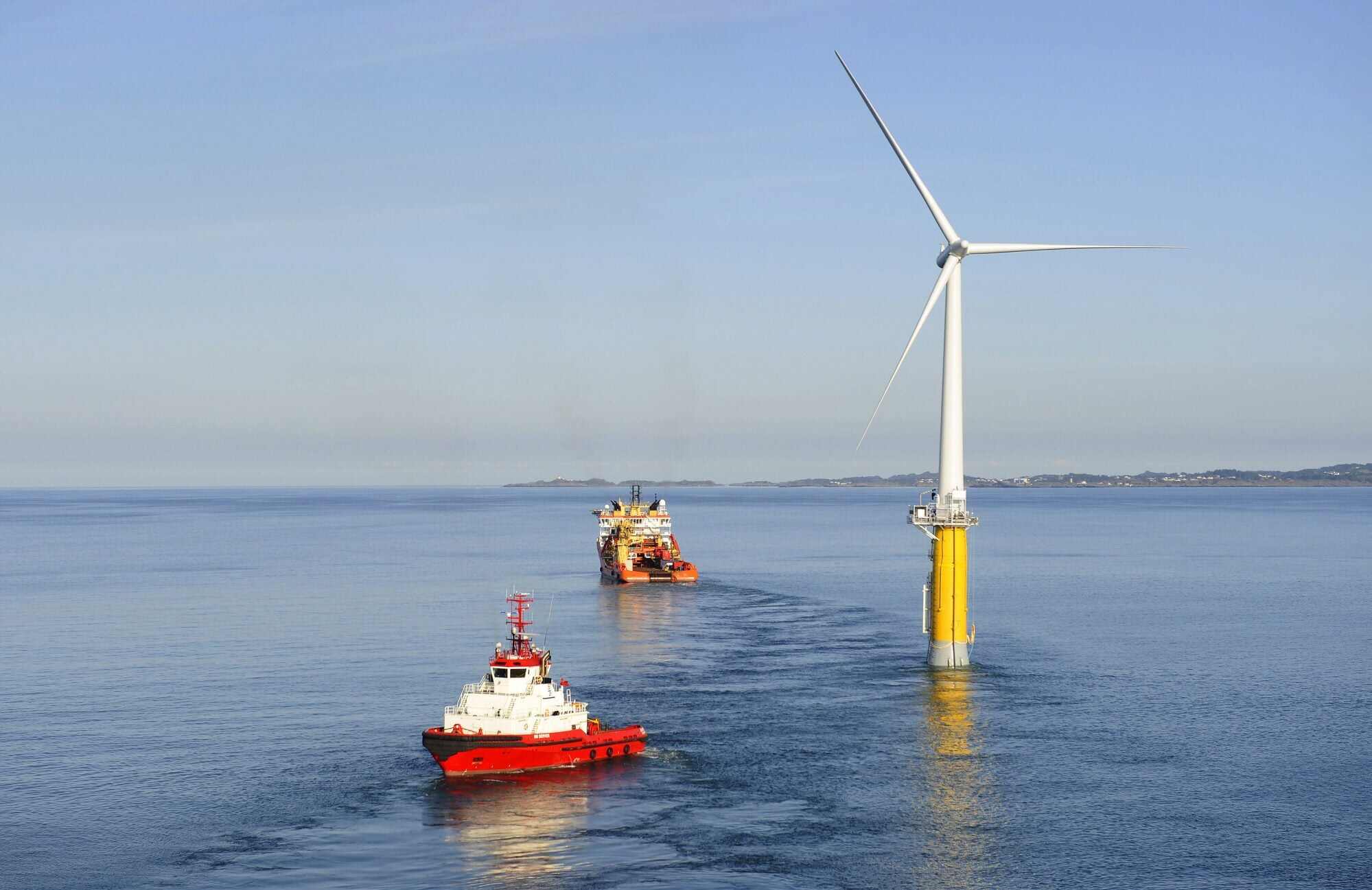
In comparison, the world’s largest operational floating wind farm, in Norway, generates 94.6 megawatts, according to analysts.
Tokyo intends to use floating turbines because they can have a lower impact on the marine environment during construction than units permanently anchored to the seabed. The plans call for electricity from the turbines to be supplied to the Izu Islands and Tokyo, around 160km to the north, via submarine transmission cables.
To advance the project, Tokyo set aside 2.7 billion yen (HK$132.6 million) in the 2026 financial year. It is stepping up preliminary work focused on the islands of Oshima, Niijima, Kozushima, Miyake and Hachijo, as well as speaking to residents.
The city also said it would survey wind conditions and transmission, and undertake other studies related to the project.
Yasushi Ninomiya, manager of the Renewable Energy Group at The Institute of Energy Economics in Japan, said that under Koike, the metropolitan government was keen on increasing its use of renewables.
“Koike has set a target for Tokyo to be net zero by 2050. To reach that ambitious target, the city is going to have to increase the amount of renewables it has in its energy mix,” Ninomiya said.
The governor has a track record of unveiling and popularising environment-friendly policies, Ninomiya added. He cited Koike’s “Cool Biz” campaign when she was the environment minister in 2005.
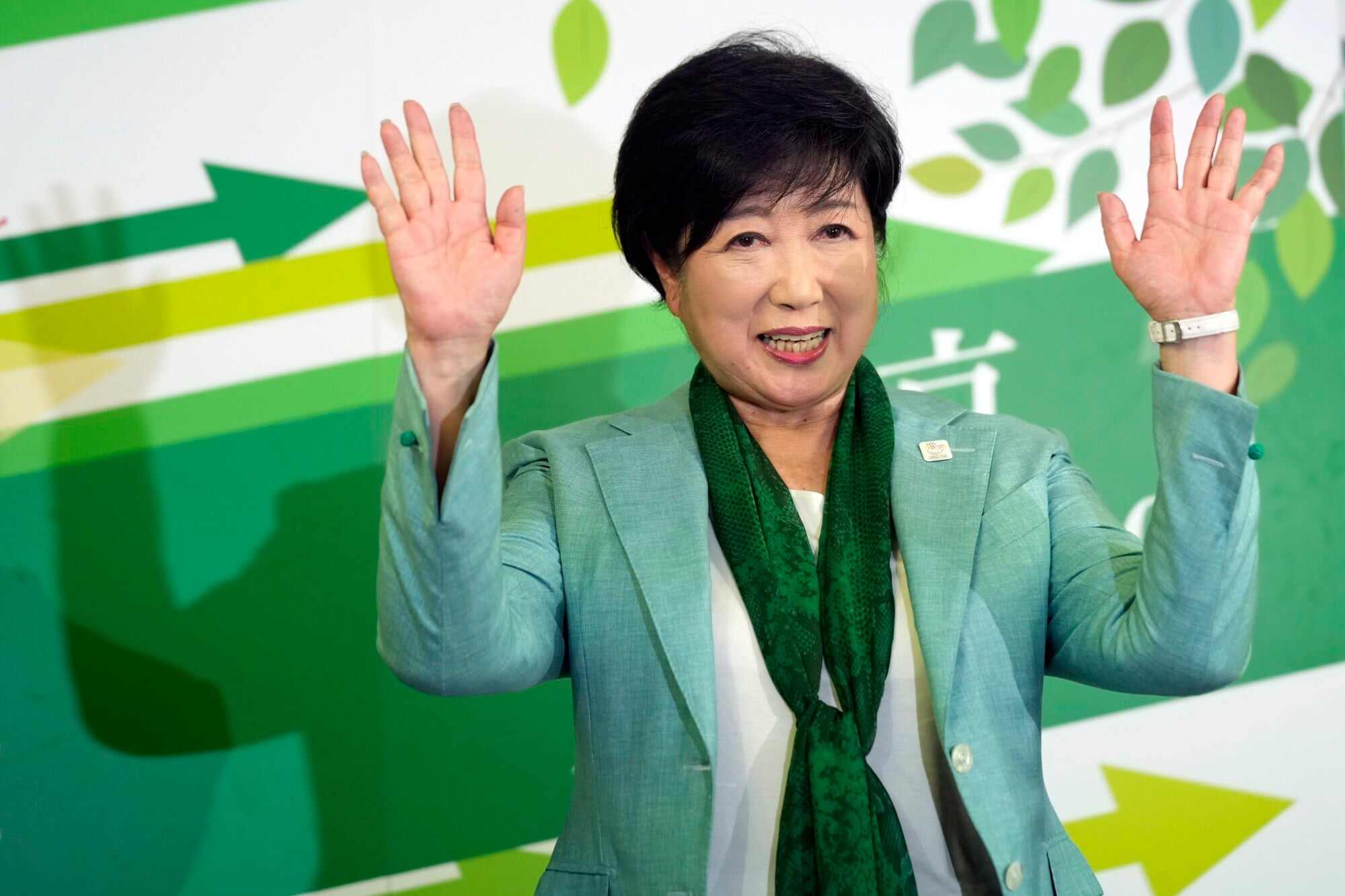
“Before Koike, anyone working in an office was expected to wear a jacket and tie, even in the very hottest months – and it was awful,” Ninomiya said. “But Koike’s campaign made Japanese society accept that it was not necessary to wear a jacket and tie in the summer months.”
The campaign made Koike hugely popular. She has since been keen on environmentally friendly policies.
Meg De Pasquale-Crighton, a consultant at Tokyo-based energy consultancy the Shulman Advisory, said that while the project was in line with Tokyo’s efforts to promote clean energy, it faced “complex” engineering challenges and an ambitious timeline.
An energy expert who had previously worked for Koike said “everything about the project seems to be exaggerated”, adding that offshore wind projects often take more than 10 years to complete.
“A target date of 2035 … seems to be too soon,” said the expert, who asked not to be identified.