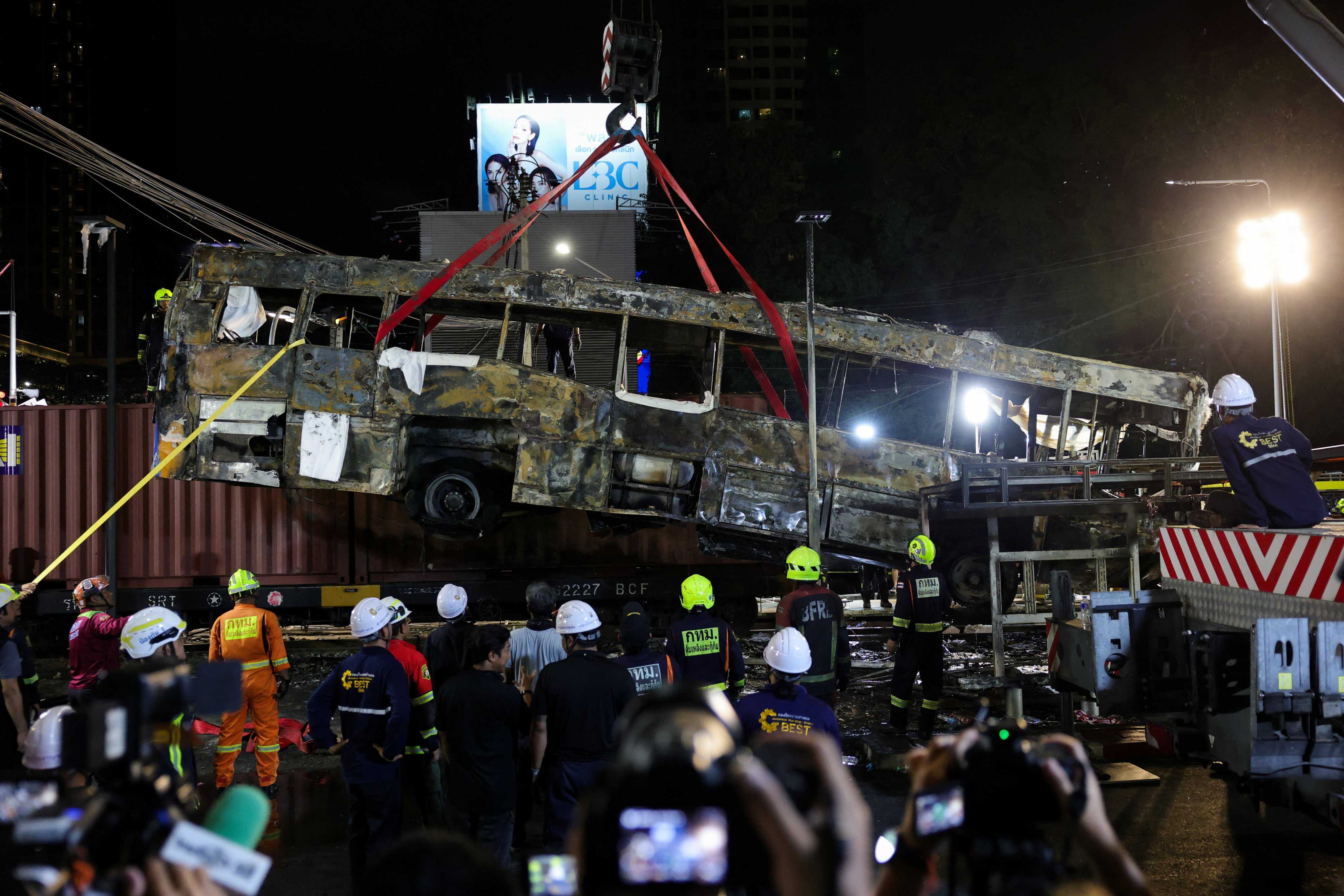
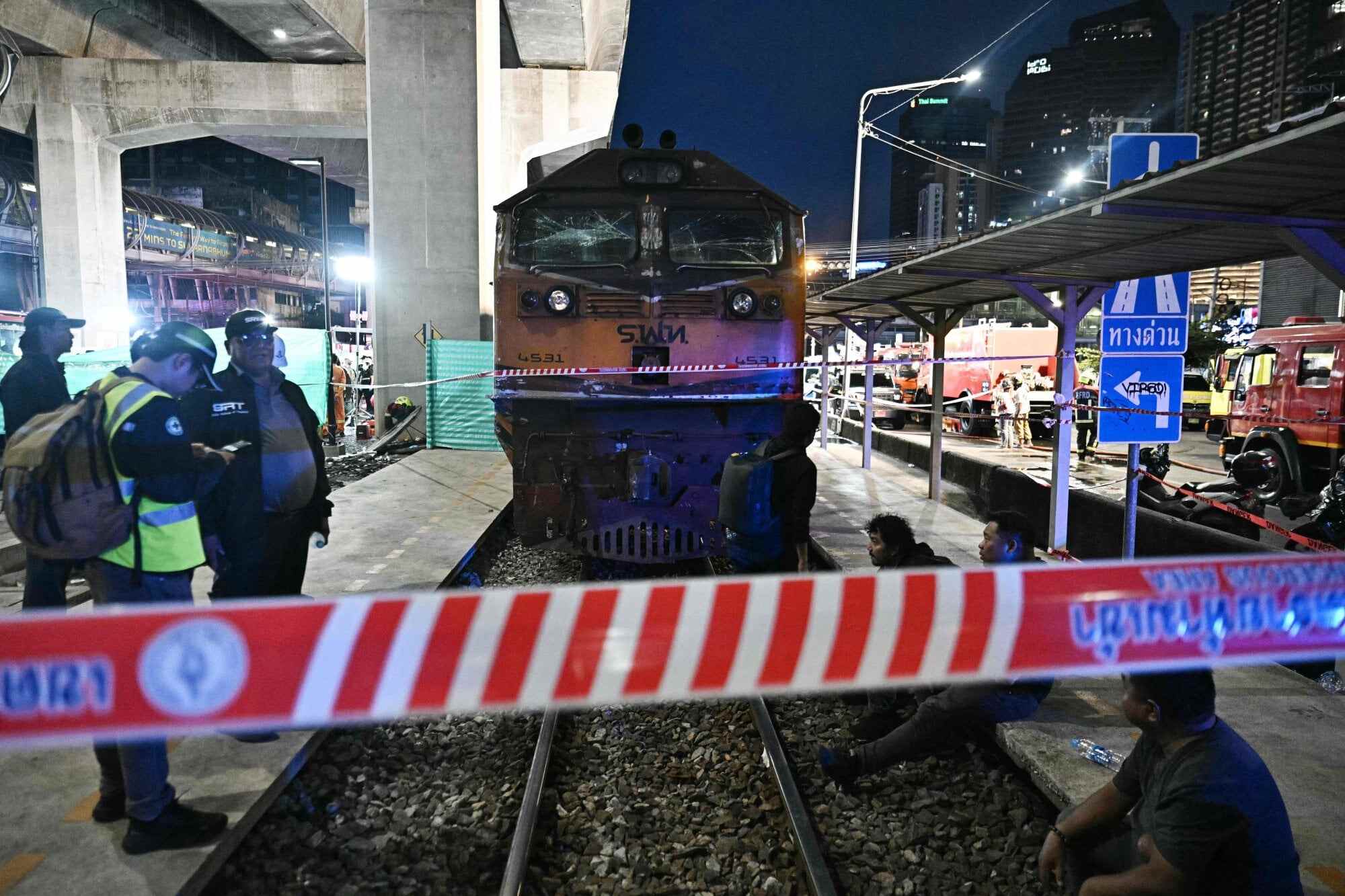
Eight people were killed when a goods train ploughed into a city bus at a busy level crossing on Saturday afternoon in Bangkok. The train driver had not received a valid operator’s licence from the Department of Rail Transport.
He also later tested positive for drugs.
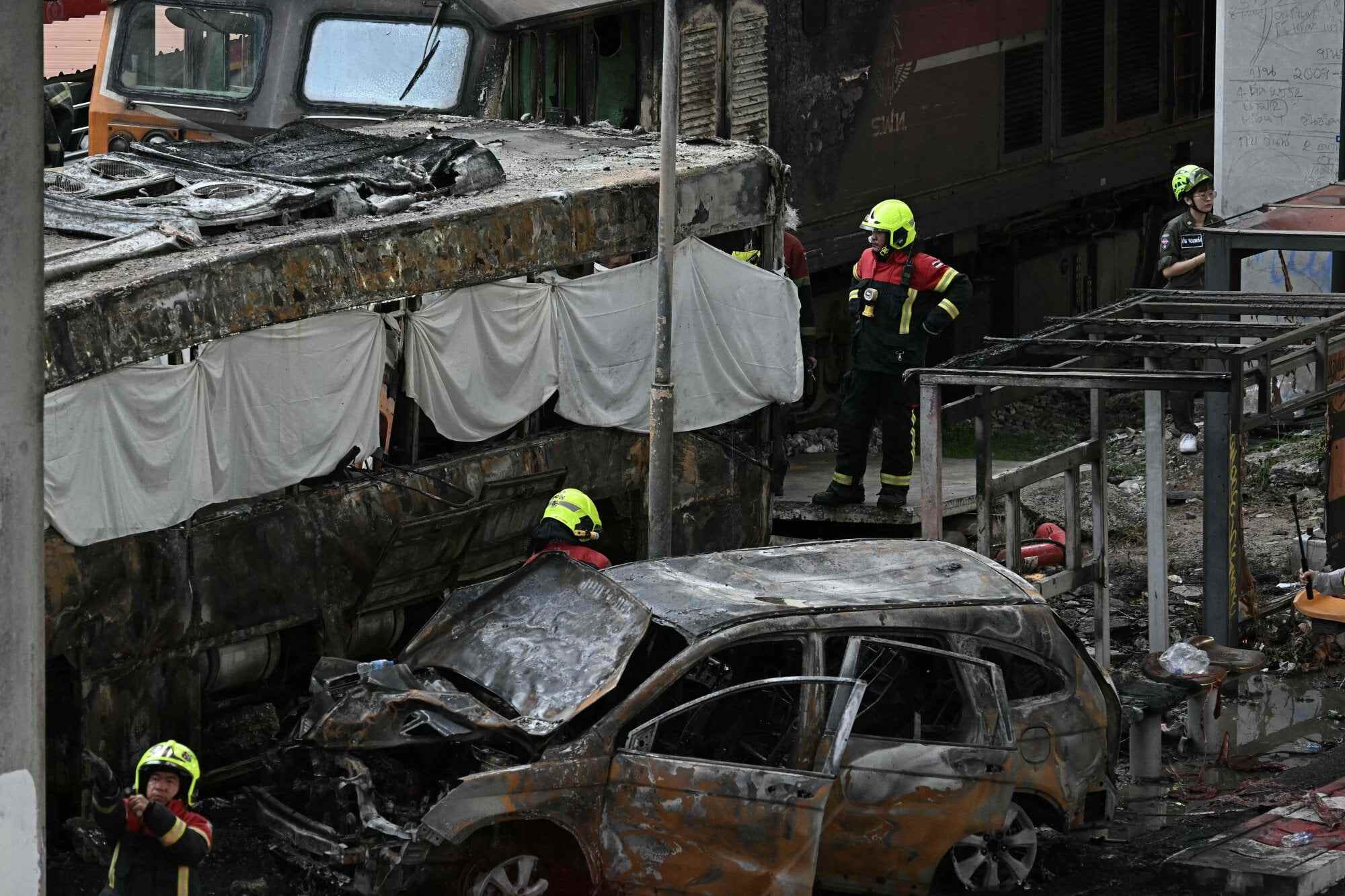
A fireball erupted as the train struck the bus at the Asok-Dindaeng intersection, in a notoriously congested part of Thailand’s capital, igniting the vehicle’s gas canisters and engulfing nearby cars and a motorbike that had pressed up against the crossing.
The ferocity of the blaze was such that the remains of several victims are still awaiting full forensic identification. The collision was captured on CCTV.
Authorities were quick to attribute the crash to human error. The driver, identified as Sayomporn Sonkul, ignored a red flag from a trackside guard – who officials said also appeared slow to lower the level-crossing barrier – allowing the orange city bus to become stranded on the tracks.
“We are investigating how supervisors allowed someone with narcotics in their system to operate a train carrying the lives of many people,” Department of Rail Transport director general Pichet Kunathhamrak wrote in a social media post on Sunday, confirming the driver’s positive drug test.
Deputy Transport Minister Siripong Angkasakulkiat said on Monday that both bus operator BMTA and the State Railway of Thailand (SRT) “shared negligence”.
He said the driver had applied the brakes only 100 metres (324 feet) before the point of impact, while the bus had stopped in a no-parking zone. “The way the system was designed shows it is far too lax,” he said, speaking to broadcaster Nation TV. “Today, there will certainly need to be a complete overhaul of both SRT and BMTA.”
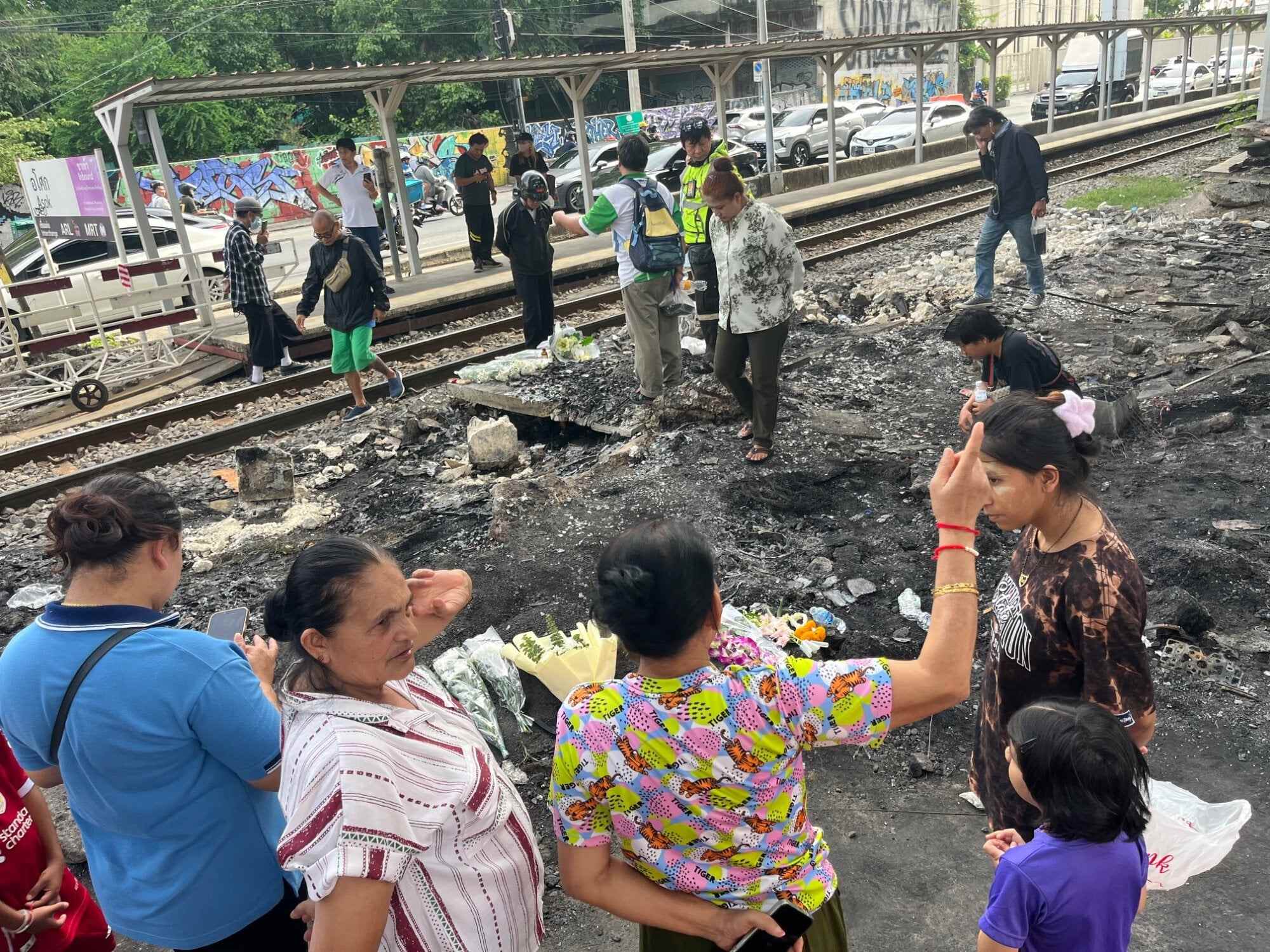
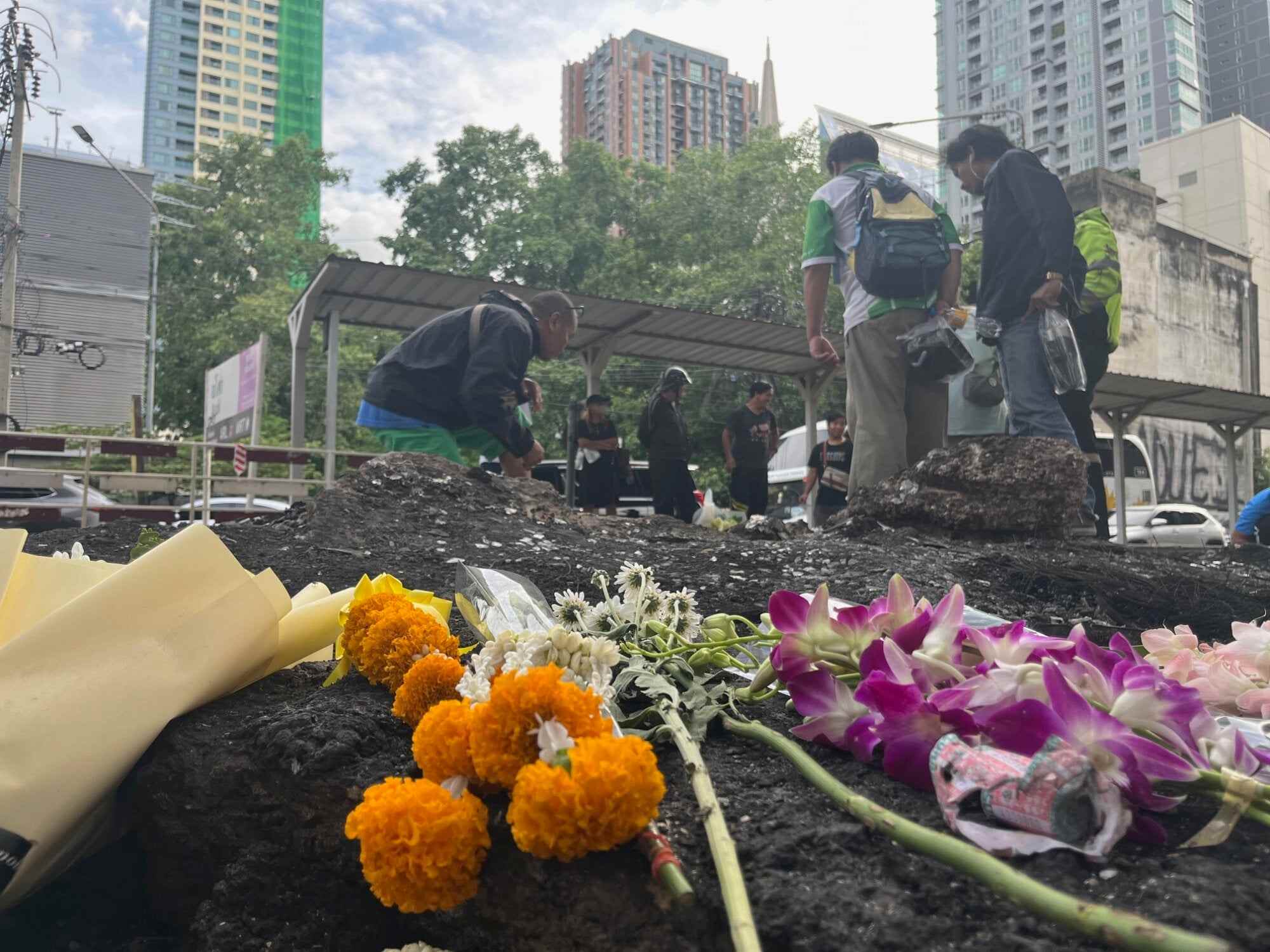
Clusters of Bangkok residents came quietly to lay jasmine garlands and flowers on the scorched ground on Sunday and Monday. The crossing is used by hundreds of thousands of people each day.
A motorcycle taxi driver who works metres said near-misses and accidents were a daily occurrence.
“But I can’t be scared,” said the man, who gave his name only as Nop. “If you are scared, you can’t work. Something happens every day, but we need to work.”
Saturday’s crash was the latest in a string of deadly infrastructure failures in the Thai capital. Five people died in March last year when concrete slabs fell from a construction overpass. In October 2024, 23 schoolchildren and three teachers were killed when their LNG-powered bus burst into flames after the driver lost control.
Professor Amorn Pimanmas, president of the Structural Engineering Society of Thailand, cautioned against a narrow focus on human error.
“I don’t want government agencies to call this a people problem and say the system is fine,” he told Nation TV. “As long as we still depend on humans, the system can fail any day. The system must be automated. We cannot keep relying on people.”
The Asok-Dindaeng crossing regularly handles tens of thousands more vehicles each day than it was designed for, and seven-metre yellow buffer boxes on either side of the tracks – intended to keep vehicles at a safe distance – are routinely ignored.
Bangkok’s working classes and urban poor bear the greatest burden of the city’s infrastructure shortcomings, relying on motorbikes and ageing liquefied natural gas-powered buses to navigate roads that have failed to keep pace with the city’s rapid growth.
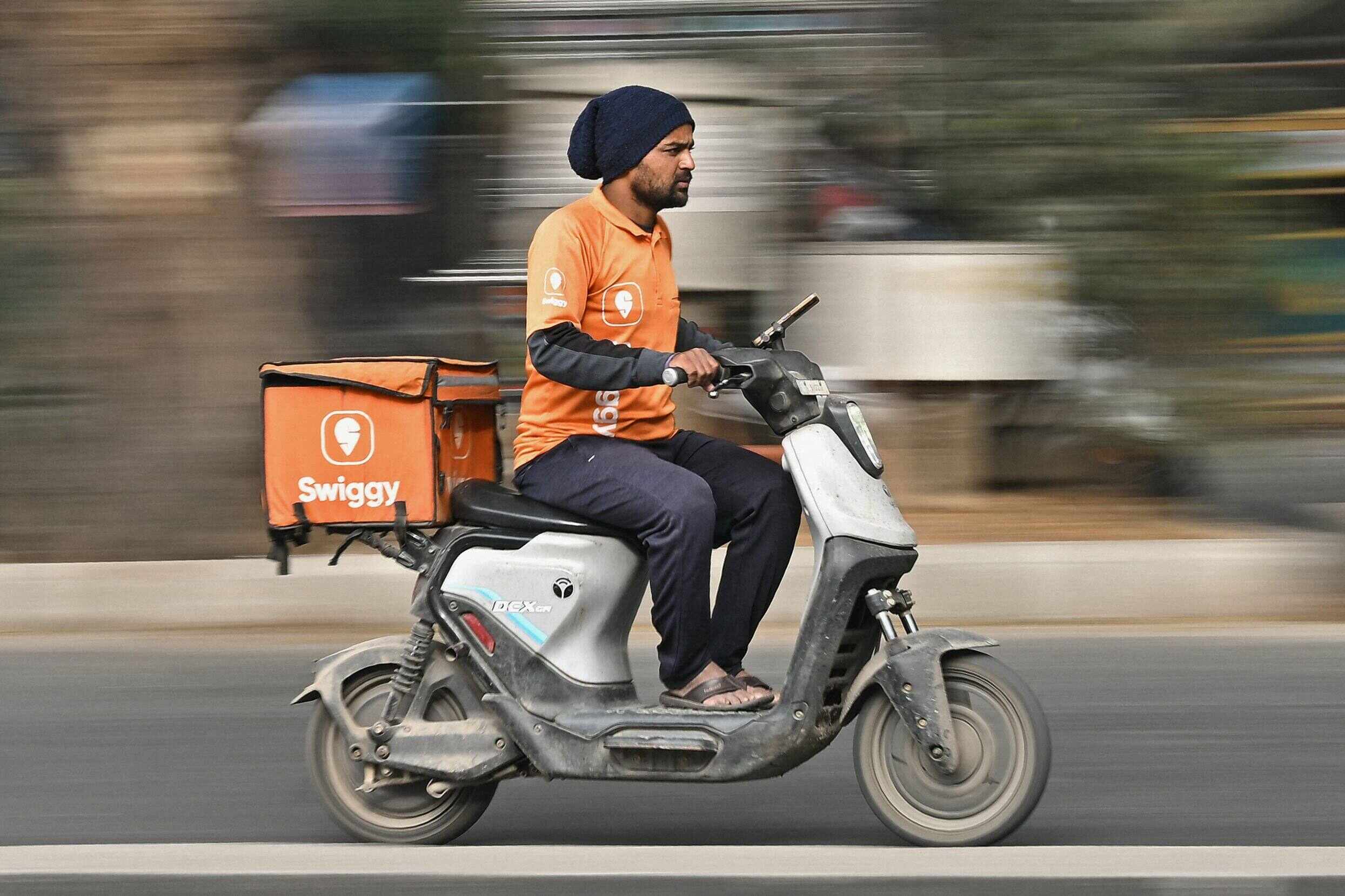
Gig economy workers who keep the city fed and moving face some of the greatest risks of all. Most lack company insurance and per-delivery service fees push them to ride faster and longer throughout the day.
“Road safety in Thailand – in Bangkok, a city people think is developed – is still as careless as ever,” said delivery rider Tom Huayong, who has a sideline documenting city life on TikTok. “The laws aren’t strict enough.”
“I know it’s dangerous,” he added. “But I still have to go out and work every day … we have to make a living.”
Anukul Rachaguna, 35, who runs the “Freedom Rider Union” social media page – a forum for platform delivery riders to share their experiences – said economic desperation left workers with little choice.
“Working-class people with no other livelihoods are forced into riding … it’s dangerous, but there’s no way to avoid it,” he said. “Economic pressure forces us out onto the roads.”
Delivery platforms compounded the problem by bundling orders together, he said, squeezing riders to complete multiple deliveries on time – a pressure that multiplies when Bangkok’s notorious traffic routing adds further delays.
“So when the city routing is terrible too, it all combines into a risk that means we can die on the road at any moment,” Rachaguna said.
“This incident reflects the reality that people’s lives are cheap here. In the end, no one will be held accountable. This is a structural problem. Thailand teaches you to blame the individual – instead of questioning the structure.”
Bangkok residents said they doubted that Saturday’s tragedy would lead to comprehensive change.