YoungPost Club Learn
DOWNLOAD OUR APP
appstoregoogleplay
FIND US AT
My JourneyMy Vocabulary BuilderMy Leaderboard
My AccountSearchFAQAbout UsContact Us
Subscription Plan
School Subscription
YOUNG POST
NewsTrendingBeing wellLearning zoneShare with usQuizzes
SPARK
NewsTrendingBeing wellLearning zoneShare with usQuizzes
POSTIES
Big readEye on the newsHa-ha-happeningsThings to doYour saySteam studioHealth and happinessQuizzes
Subscribe to Young Post Club to access our great content
ABOUT US|CONTACT US|WRITE FOR US|PRIVACY POLICY|TERMS & CONDITIONS
©2026 Young Post Club. All rights reserved.
My Journey Hello
Brand Avatar
Young Post
My Journey illustration

With a subscription, you can answer quizzes and track your reading progress.

result
Learn new words with our vocabulary challenge!
My Journey illustration

With a subscription, you can answer quizzes and track your reading progress.

result
Learn new words with our vocabulary challenge!
My Journey illustration

With a subscription, you can answer quizzes and track your reading progress.

News / Asia

How a Nepal principal saved 900 students from devastating floods

Rajendra Dawadi’s quick thinking and evacuation to high ground saved hundreds from floods that have killed over 1,350 and left 4,900 missing
byAgence France-Presse
Published: 2:00am, 10 Sep 2026
Length: 546 words
How a Nepal principal saved 900 students from devastating floods

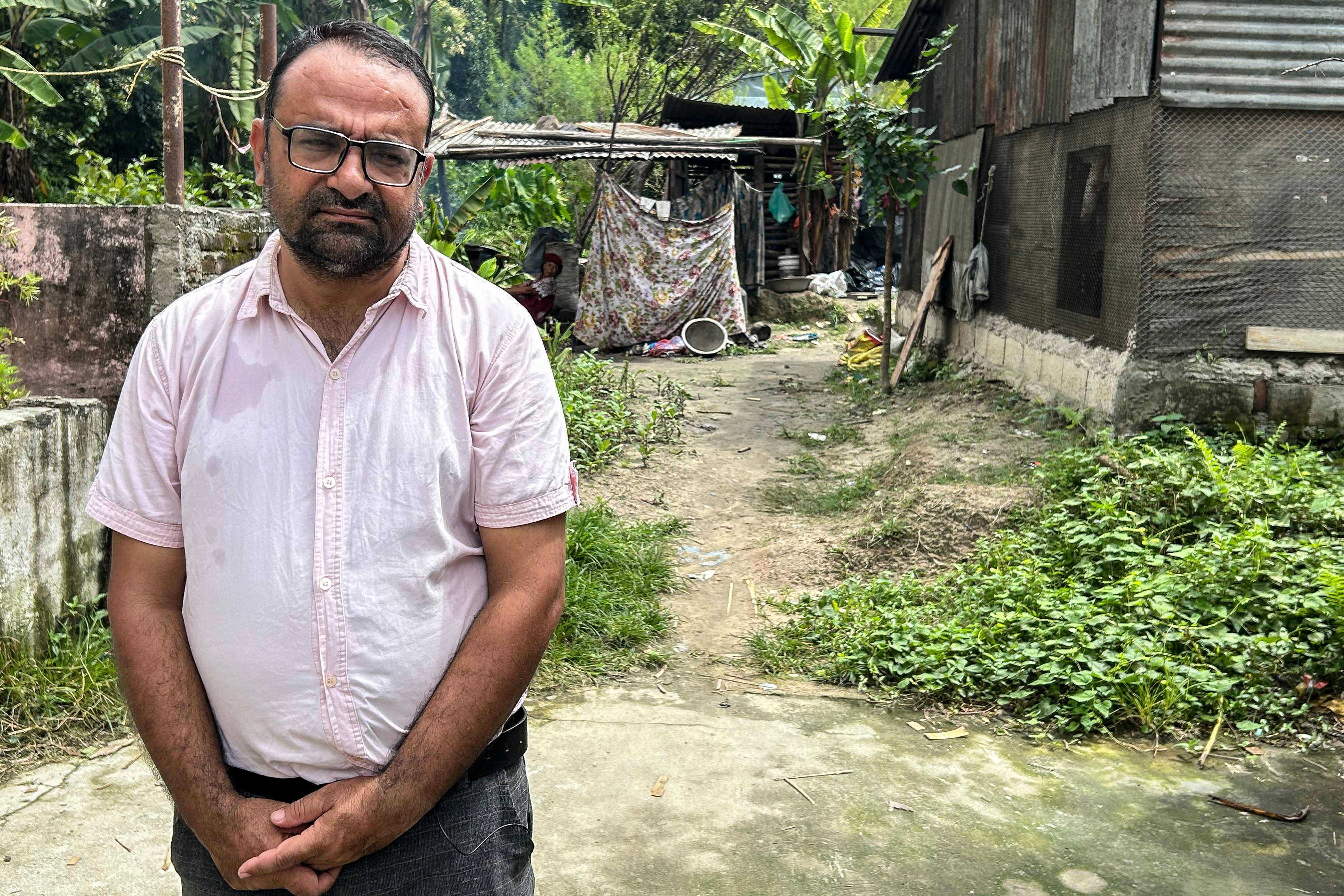
Rajendra Dawadi, 47, principal of the Trishuli Bazaar Secondary School, poses for a photograph in a garden next to his home in Nepal’s Nuwakot District. Photo: AFP

Rajendra Dawadi was inside his school near Nepal’s Trishuli River with around 900 students on August 26 when a colleague delivered an urgent warning.

“My accountant came to the school and said, ‘The flood is coming, the flood is coming’,” the school principal said in a recent interview. Dawadi quickly ordered an evacuation, and teachers hurried hundreds of students from classrooms to higher ground.

Minutes later, the 47-year-old watched the Trishuli Bazaar Secondary School in Nuwakot district, which he had run for years, collapse into a raging torrent.

“If the information were wrong, we would lose a day of schooling,” he recalled of the morning. “But if it was true, we were going to lose our lives.”

Students panicked, Dawadi said, and one girl fainted. Bus drivers bringing in other students were asked to turn back, including one driver who had just entered the school grounds. The timely evacuation saved some 900 lives.
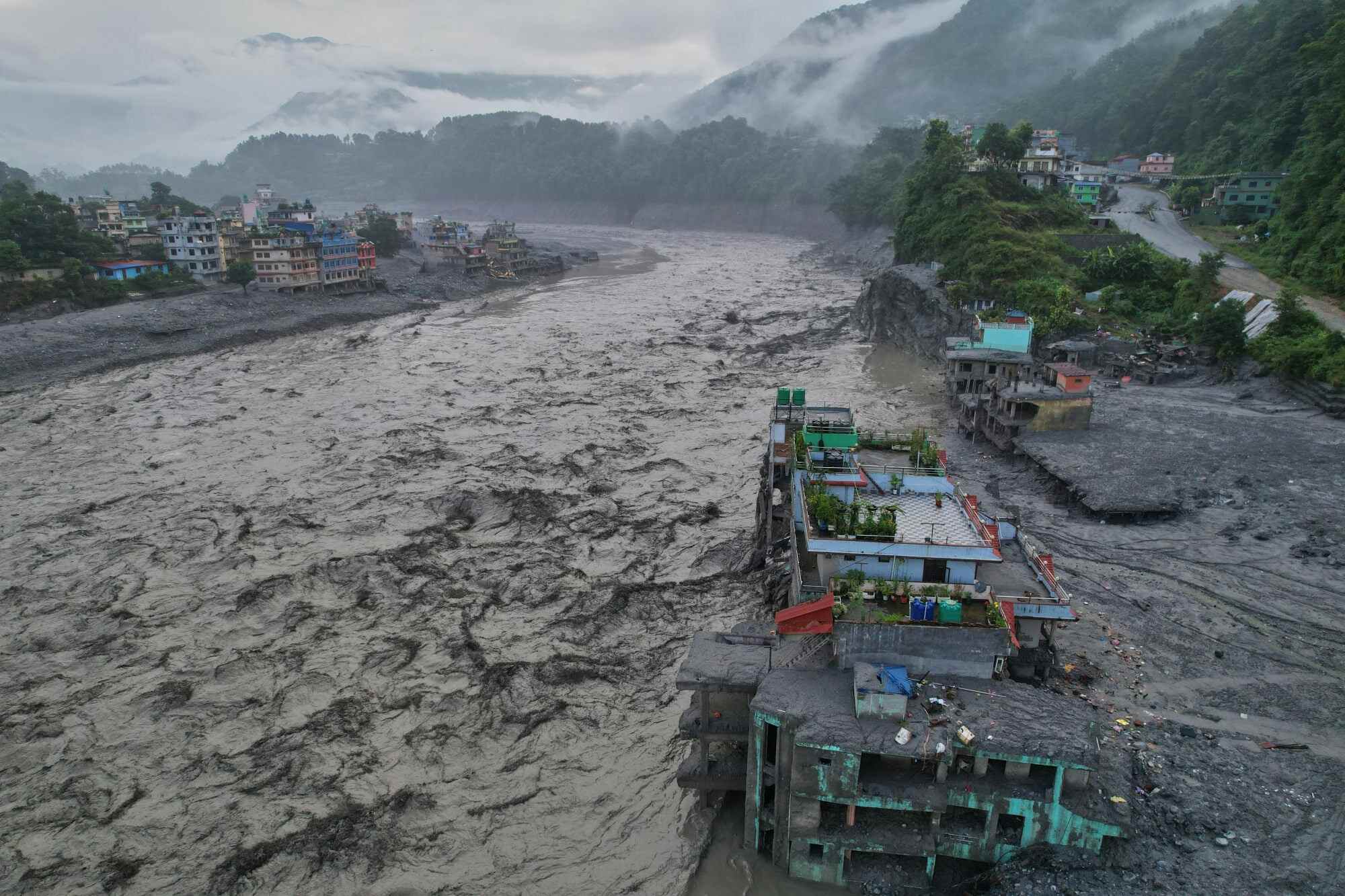
A drone view of the aftermath of flash flooding along the Trishuli River amid a freshwater surge warning in the Trishuli Bazaar area of Nuwakot District, Nepal. Photo: AP

Standing above the scarred river banks weeks after the disaster, Dawadi described himself as “a principal without a school”.

The tsunami-like wall of water, ice and debris unleashed by a massive glacial and rock collapse along the Nepal-China border has killed at least 1,398 people and left more than 5,510 missing across both countries.

Outside the school, five students, a teacher and a security staff member died in the flooding.

Authorities in Trishuli Bazaar had not provided an evacuation plan, Dawadi said. Some residents tried to cross the bridge but were swept away. Others took refuge on higher ground.

“When I looked back, the school was standing there like the finest of buildings,” Dawadi recalled. “In five minutes, everything collapsed ... It’s also the school where I studied. There was nothing left.”
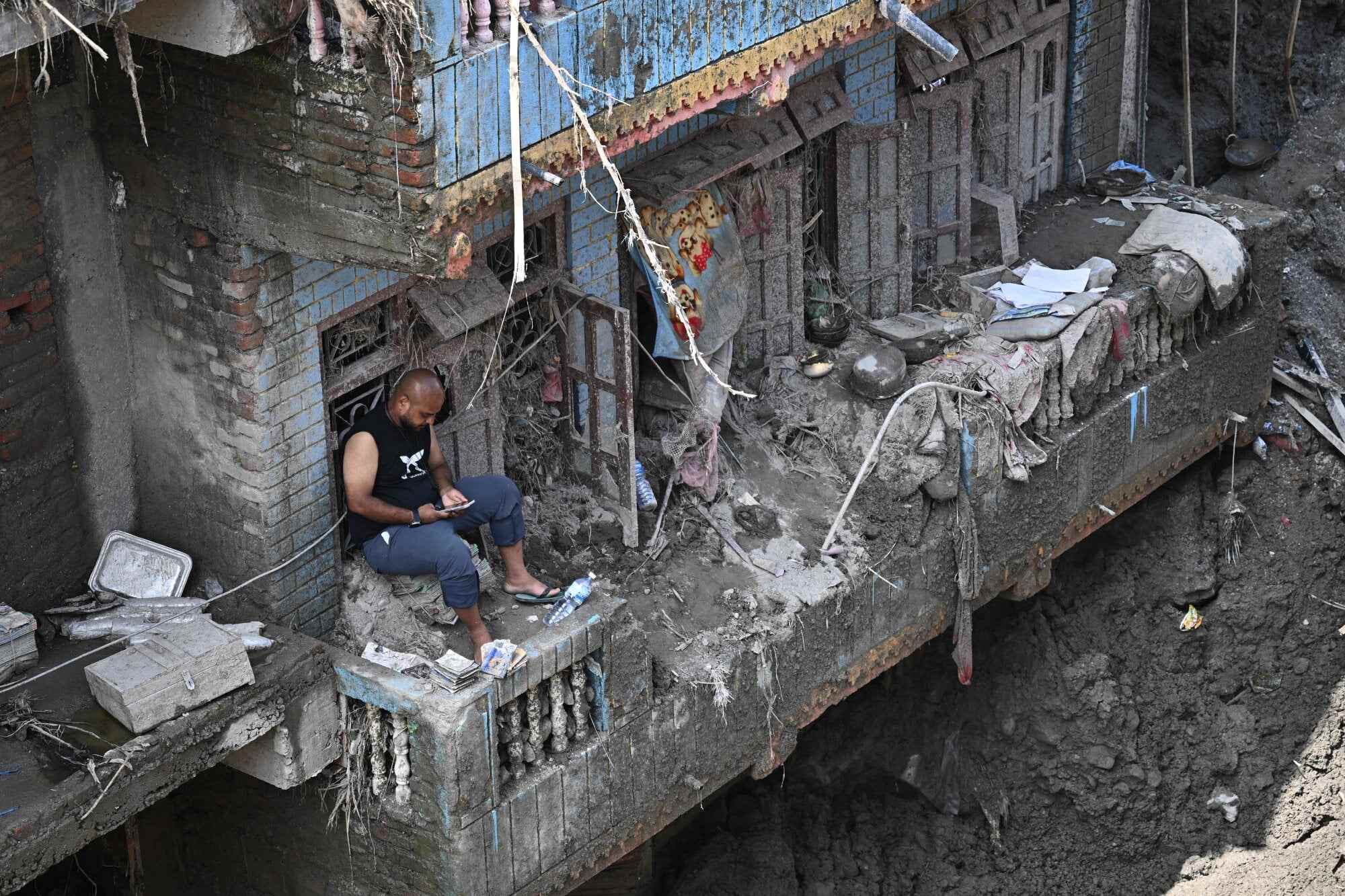
A man sits on the balcony of a sludge-ridden house in the aftermath of the flash floods at Devighat in Nepal’s Nuwakot district on September 8, 2026. Photo: AFP

Santoshi Dotel, 17, was in an accounting class when Dawadi’s evacuation order came. At first, she struggled to comprehend the danger:

“We never would have thought the flood could reach such a scale,” Dotel said. She initially went down to the river with her friend to try to cross and reach her family home.

Then the water surged.

“The bridge was swept away,” she said. “I started to cry because I thought I would never get home and that there was nothing we could do.”

Her friend pulled her up the hillside as the flood roared below.

Santoshi broke down as she recalled the anguish of not knowing whether her parents had survived. It was only days later that a helicopter reunited her with her family.

Her mother had feared the worst: “Seeing the river in flood, I had lost all hope that my daughter had survived.”
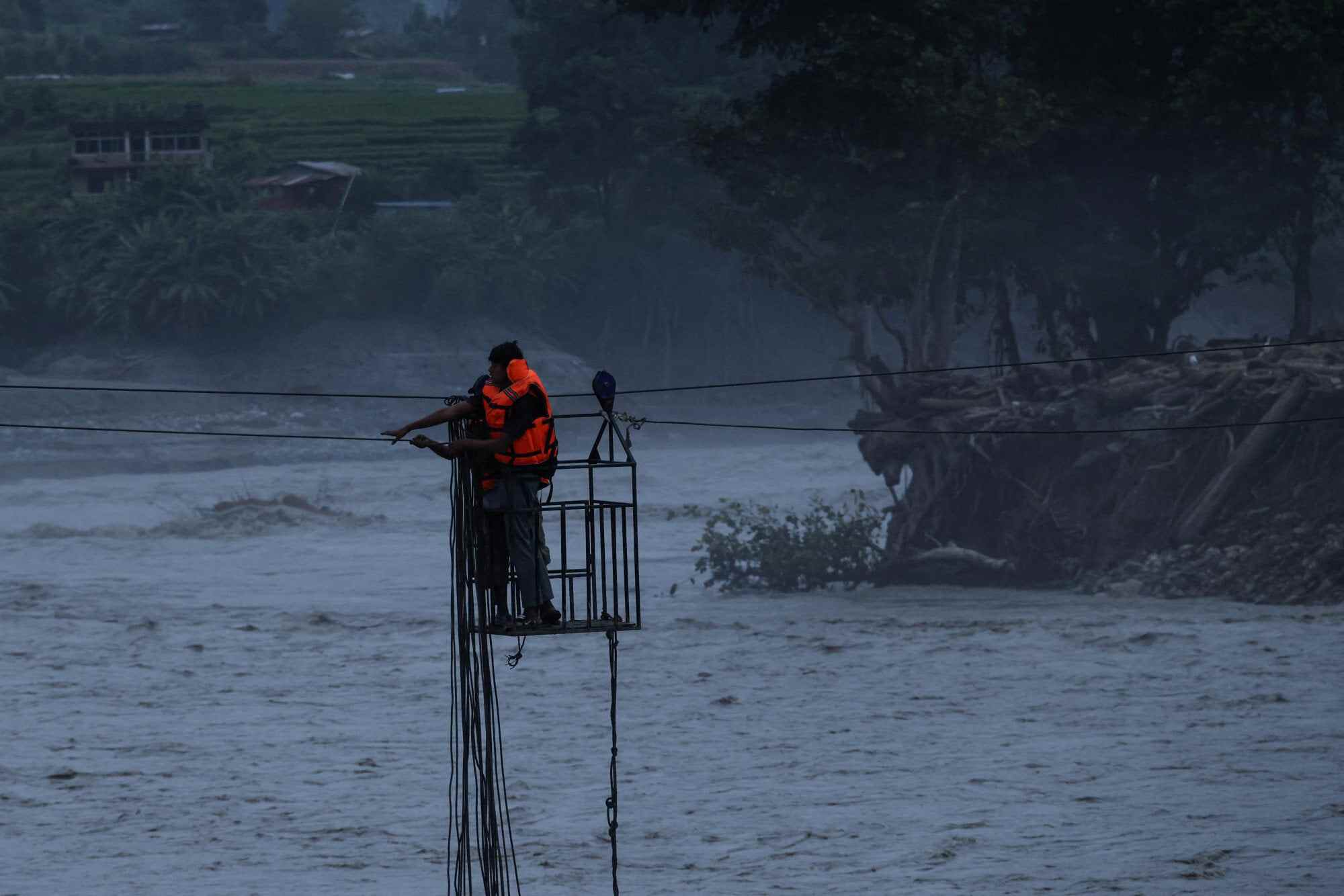
People hold onto a wire cage on a makeshift zip line as they cross the Trishuli River following deadly flash floods and a mudslide that damaged bridges and stranded residents in Devighat, Nuwakot district, Nepal. Photo: Reuters

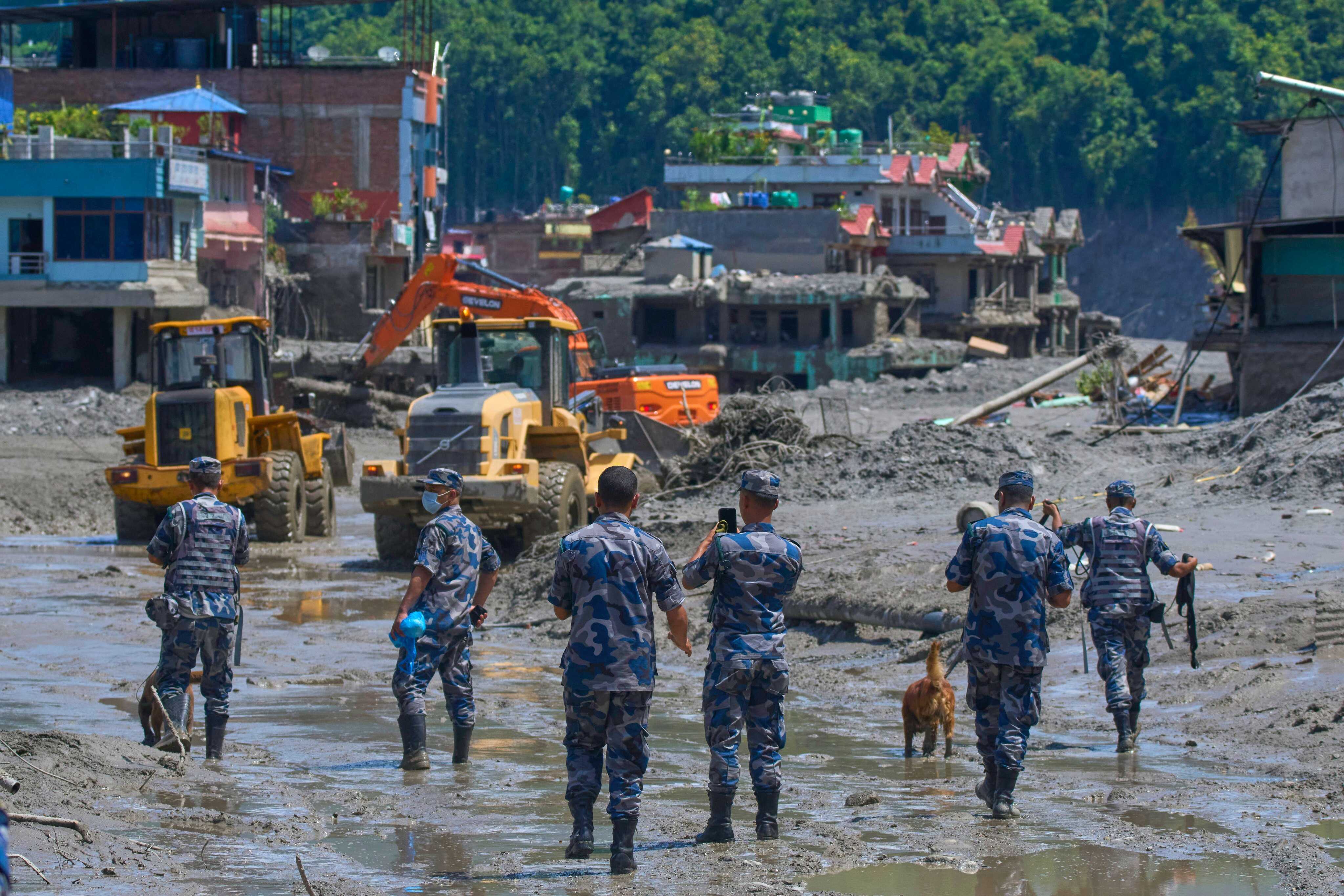
According to figures cited by Save the Children, at least 69 schools were destroyed or damaged, disrupting the education of nearly 19,000 children.

Dawadi said the disaster was “far worse” than the earthquake that hit Nepal in 2015: “This time, we’ve lost the land and the building. We need a school again. But first, we need somewhere safe to build it.”
IN THIS ARTICLE
World news
KEEP READING
cover
World
Catastrophic mudslide near China-Nepal border leaves hundreds missing
27 Aug 2026
cover
Letters to the Editors
Your Voice: village in Nepal’s valleys, body shaming and women geologists (online letters)
22 Aug 2026
cover
China
China floods: Rescuers search for survivors as super typhoon nears
09 Jul 2026