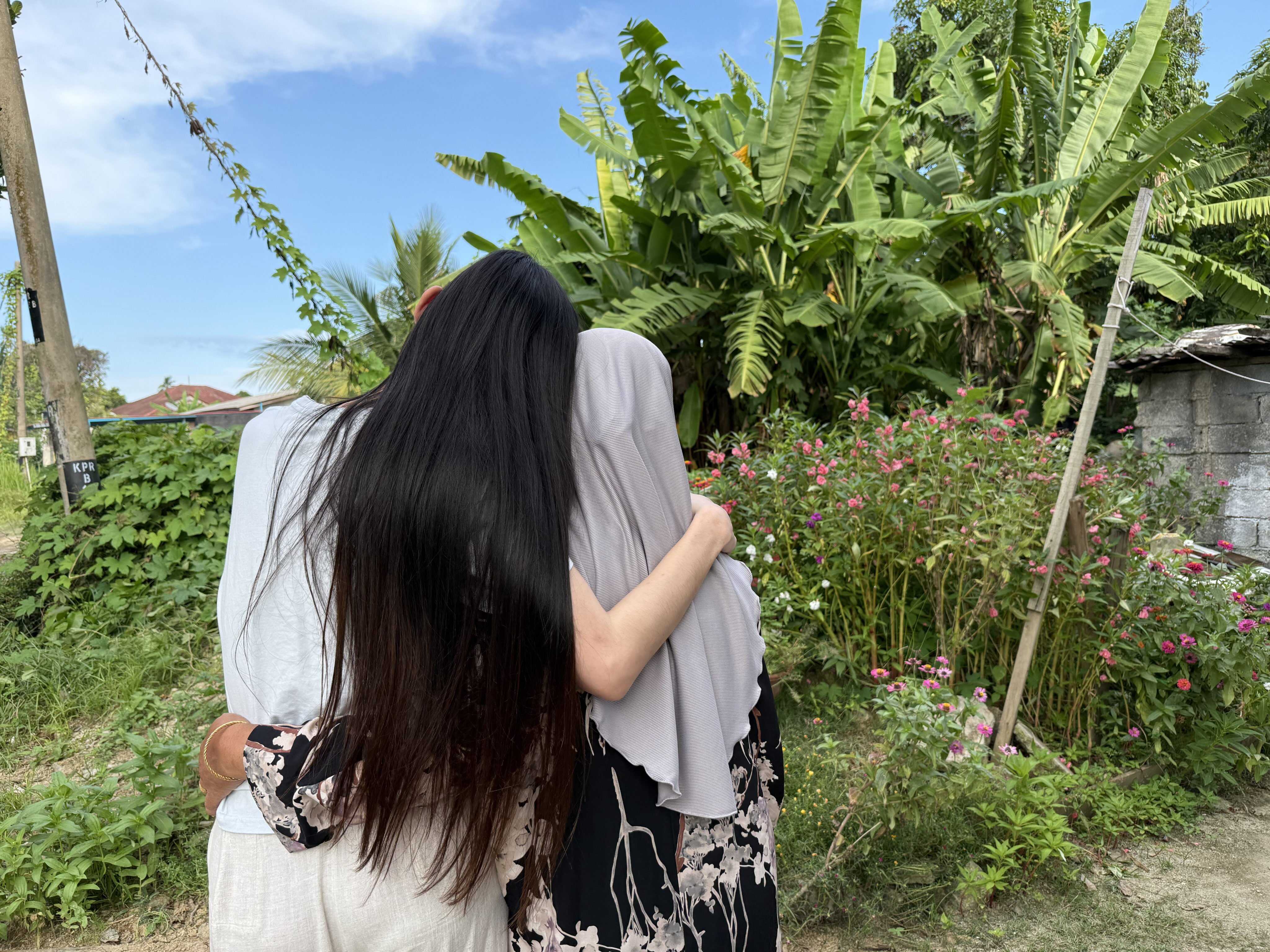
In Malaysia’s deeply conservative northeastern state of Kelantan, Rozi* has learned to ignore what people say about her daughter, Hana*.
They live in a village on the outskirts of Kota Bharu. Rozi had known for years that Hana was different. As a child, Hana preferred girls’ clothes and spent most of her time with girls. Later, after leaving Kelantan to study, she began transitioning and eventually returned home, living openly as a woman.
Her 58-year-old mother struggled to accept it at first, but what troubled her more was the thought that rejecting Hana might push her out of the family altogether.
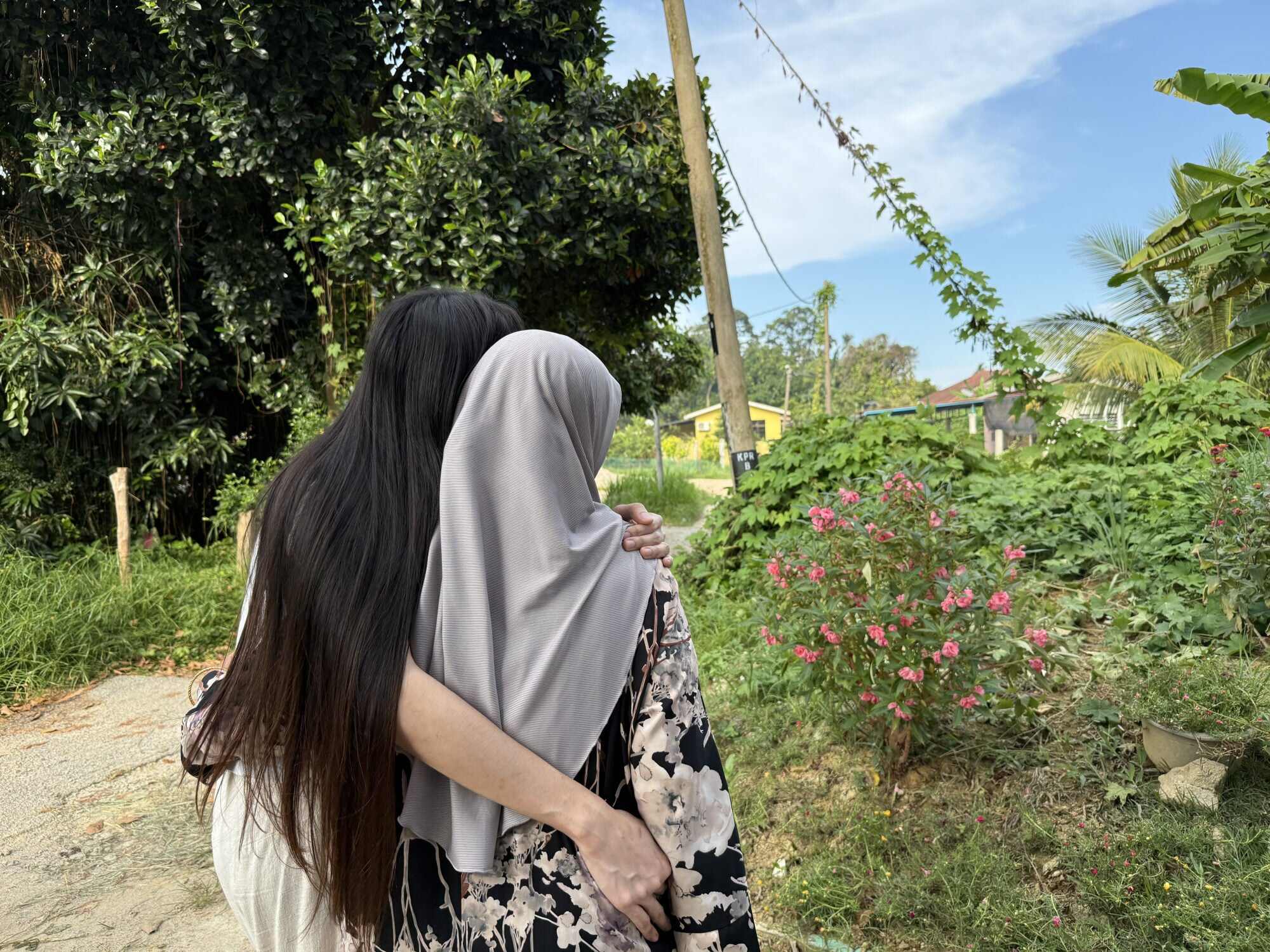
“When you see your own child’s face, what mother does not love her child?” Rozi said. “No matter how bad people may think your child is, she is still your child. If I didn’t accept her, she would go further and further away from me. I don’t want her to be far away.”
That acceptance has turned home into a refuge for Hana, at a time when other transgender Muslims in Kelantan say they have had to become increasingly cautious in public.
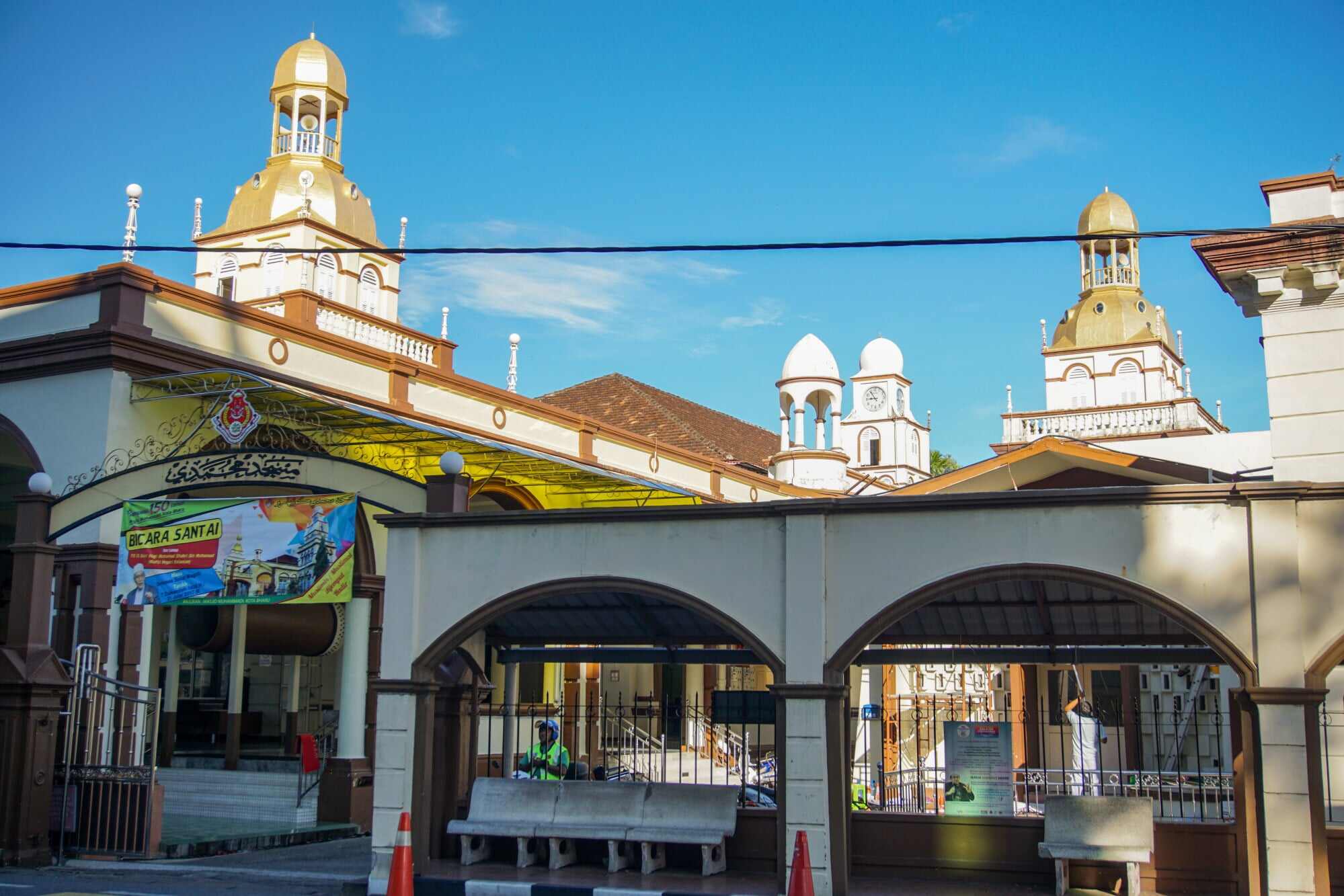
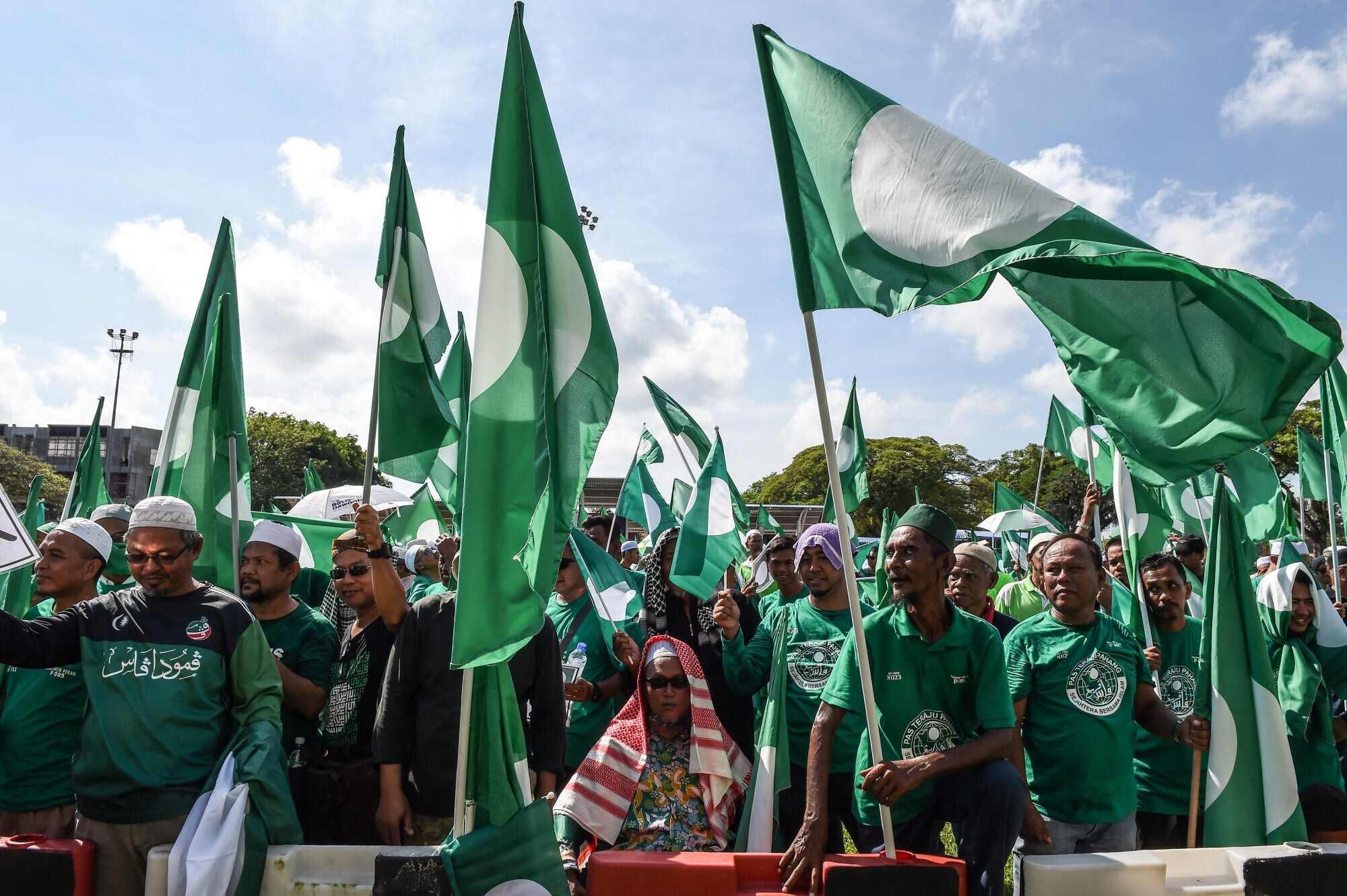
In Kelantan, 95.5 per cent of the population is Muslim. The state has been governed by the Islamist Pan-Malaysian Islamic Party since 1990, becoming its political stronghold.
The state’s religious laws penalise gender transition and cross-dressing among Muslims. Recent prosecutions have heightened concerns within the local transgender community, who worry about intensifying state scrutiny.
Against that backdrop, Rozi said her initial resistance to her daughter’s transition had gradually given way to a quiet acceptance she once thought unlikely.
Hana, 27, now regularly returns home, joins family gatherings and brings transgender friends over for meals, while her mother happily fusses over the food.
“They are human, too. They want to eat like us, they want to feel loved,” said Rozi, a mother of three who works at a local mosque. “They don’t want to be thrown away by their families.”
Hana began taking hormones around 2019 while living away from Kelantan. By the time she returned, her hair was longer and her appearance had changed enough that her father, picking her up at the station, was taken aback.
“My mother said, ‘Whatever people want to say, let them. Just don’t stop coming home’,” Hana said.
The interior designer dresses more conservatively in Kelantan than she does in Kuala Lumpur, where she occasionally travels for work. She says her mother would object if a friend turned up at the family home in revealing clothing.
Still, Hana is free to be herself at home – a privilege she knows many of her peers do not share. “As long as my family accepts me, that’s enough,” she said. “What outsiders want to say, I don’t really care.”
Hana thinks carefully about what she wears before going out in Kelantan, favouring loose or unisex clothing and understated make-up to avoid drawing the attention of religious enforcement officers.
Most Kelantanese she encountered were not overtly hostile, Hana said. The uglier reactions tended to appear online, where videos circulated rapidly, and social media users tagged religious authorities to demand enforcement action.
Another member of Kelantan’s transgender community shared a similar account, saying that while transgender people could still run shops and deal with customers in daily life, public social spaces had noticeably shrunk.
“Before, [trans] people would still go out to eat, hang out and meet in public. Now it’s very different. People don’t really do that any more, and even when we gather, it’s usually in small groups, maybe four or five people,” the person said, asking not to be named.
“There is fear. Social media is where some of us make money, but at the same time it makes people know where we are and what we are doing.”
In February, local news outlet Malaysiakini reported that Kelantan had recorded its first prosecution under Section 18 of its 2019 sharia criminal code. The law criminalises changing one’s gender and was published in 2020. It was believed to be the first prosecution of its kind in Malaysia.
Then, last month, Kelantan lawmakers unanimously passed a revised sharia criminal offences bill, after Malaysia’s Federal Court struck down 16 provisions of the earlier enactment in 2024 for intruding on federal jurisdiction.
The updated law retains strict penalties for Muslims who change their gender, help another person to do so or induce someone to transition without a reason permitted under Islamic law.
On September 8, a 25-year-old transgender person pleaded not guilty in a Kota Bharu sharia court to “posing as a woman” by wearing women’s clothing. The charge carries a maximum fine of 3,000 Malaysian ringgit (HK$5,760), up to two years in prison, or both.
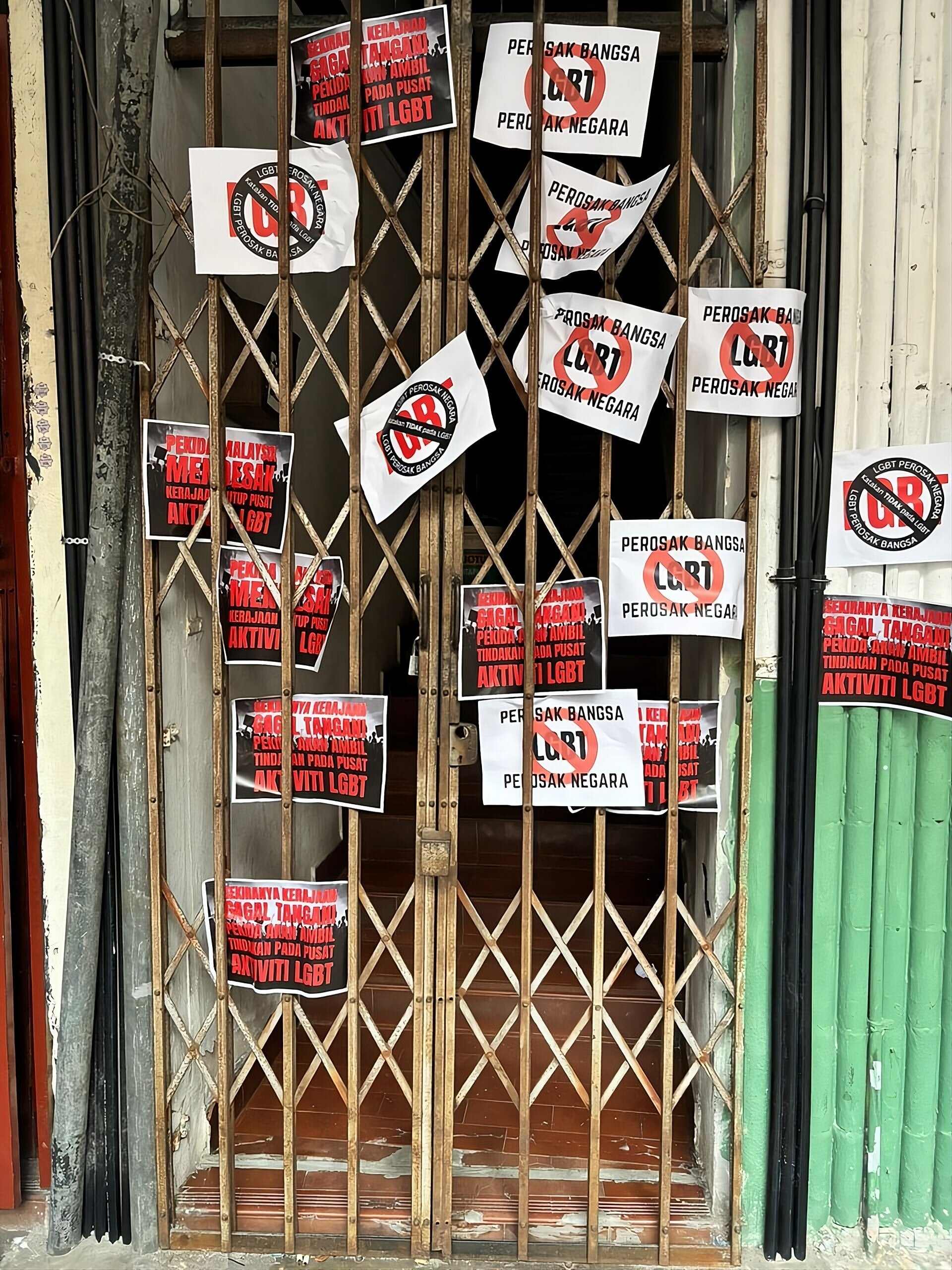
Kelantan’s leaders have taken a hard line. Deputy chief minister Mohamed Fadzli Hassan said last year that the state “does not recognise deviant cultures that go against Islamic teachings”, describing LGBT practices as “a clear transgression of human nature”.
Thilaga Sulathireh, co-founder of the human rights group Justice for Sisters, said the recent cases reflected “a clear clampdown on the visibility of trans people” across the state.
“These laws completely disrupt all areas of a trans person’s life: [their ability] to work, move around freely, socialise and be who they are,” Thilaga said.
Back in their village, Rozi continues to pray for her daughter, viewing matters of faith as something Hana must ultimately answer for herself.
“That is between her and Allah,” she said. “It is not for humans to judge.”
What matters most for her is closer to home.
“As long as my child is safe,” Rozi said, with teary eyes. “She is still my child.”
*Names changed to protect interviewees’ identities