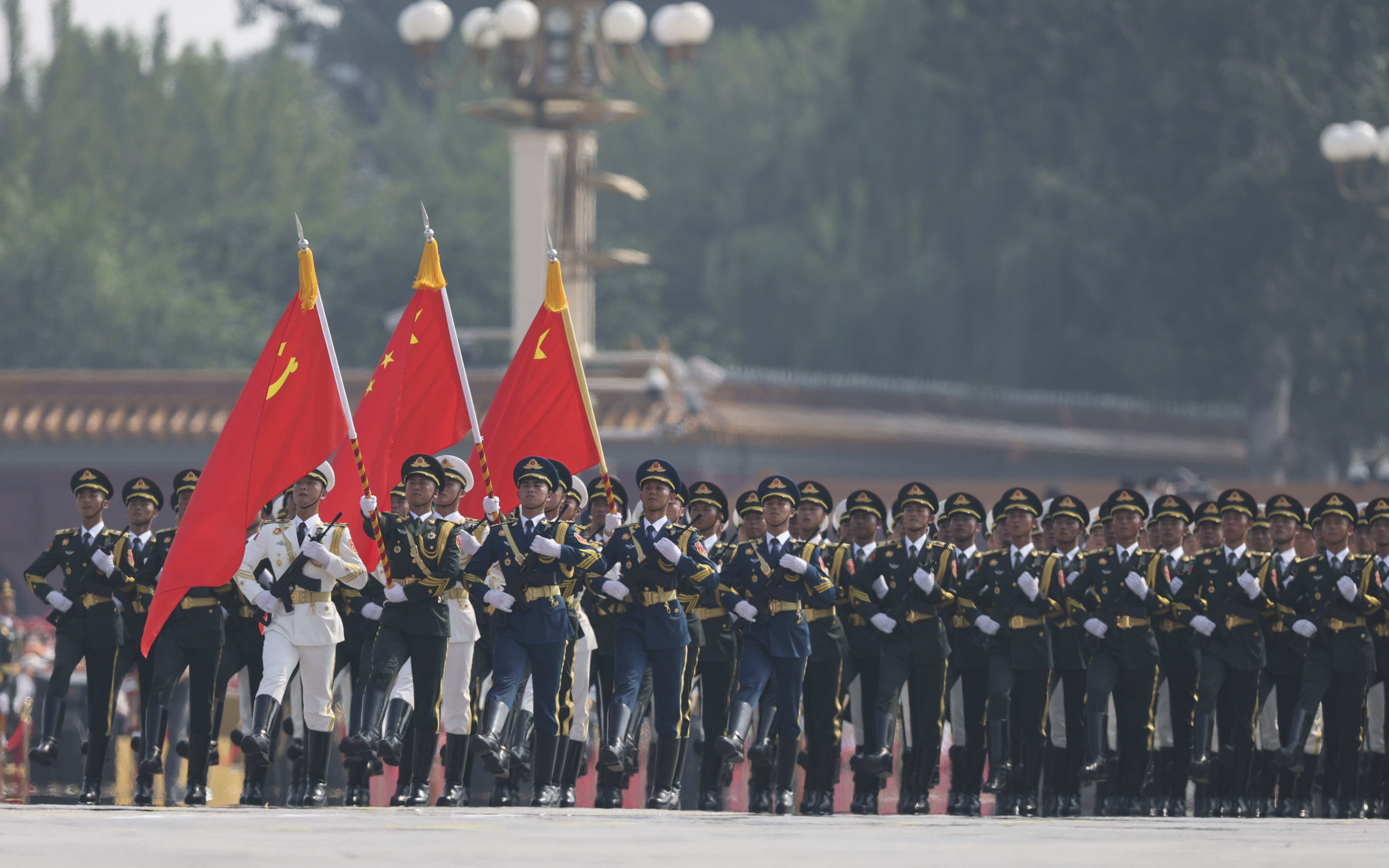
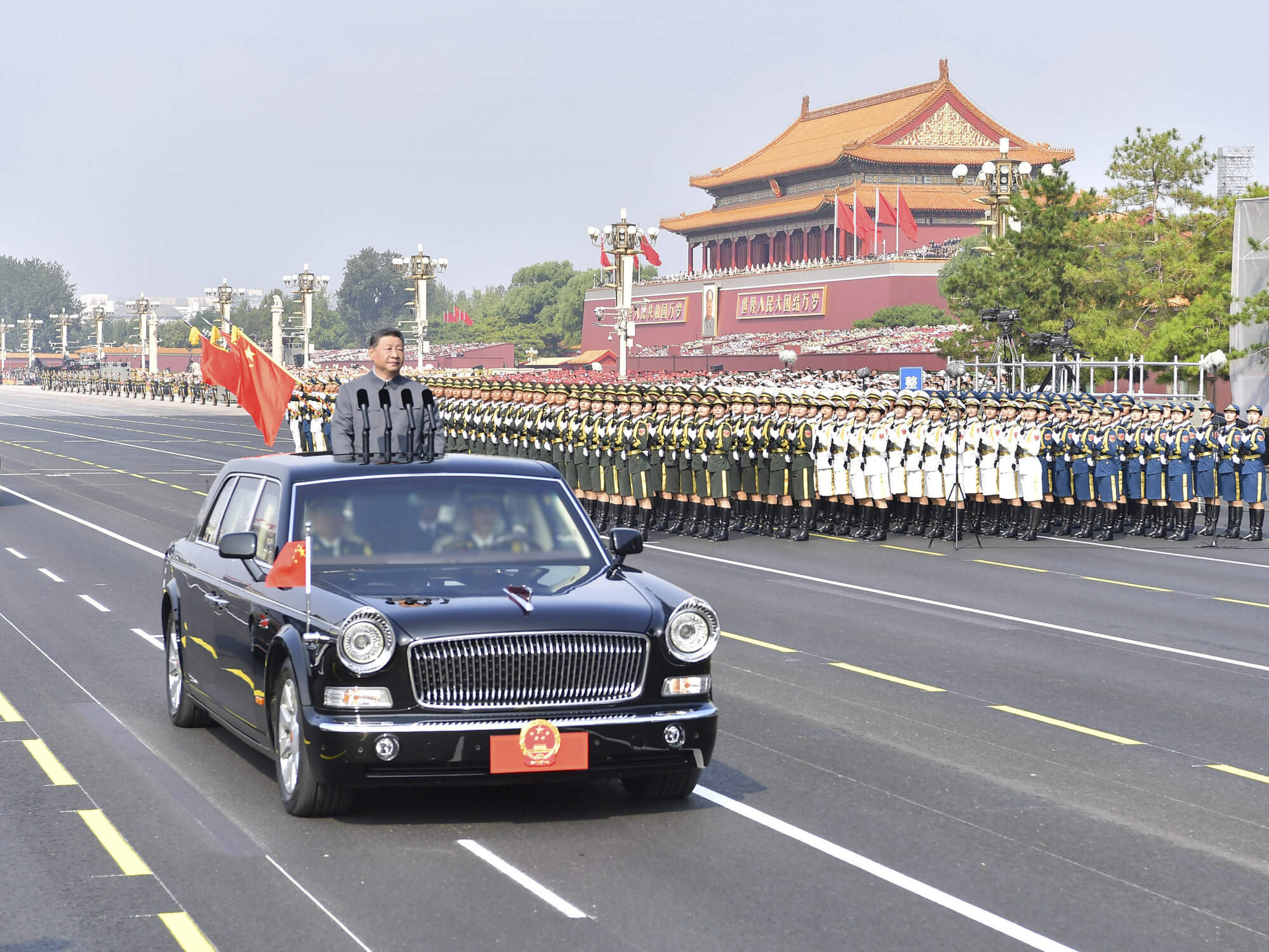
Last Wednesday, China marked the 80th anniversary of Japan’s defeat in the Second World War with a massive military parade. Crowds gathered at Tiananmen Square in Beijing, where they were joined by some of the world’s most powerful leaders, over 10,000 troops and the unveiling of hundreds of advanced weapons.
This is only the second time Beijing has held a Victory Day parade. The first took place a decade ago.
The parade began at 9am time and lasted nearly 90 minutes. For many, it was a showcase of China’s growing military strength. But it was also an attempt to cement China’s global leadership status and signal the country’s rising diplomatic power.
In his opening address, President Xi Jinping said the Chinese people “firmly stand on the right side of history and the progress of human civilisation”.
Here are some of the key takeaways from the military parade celebration.
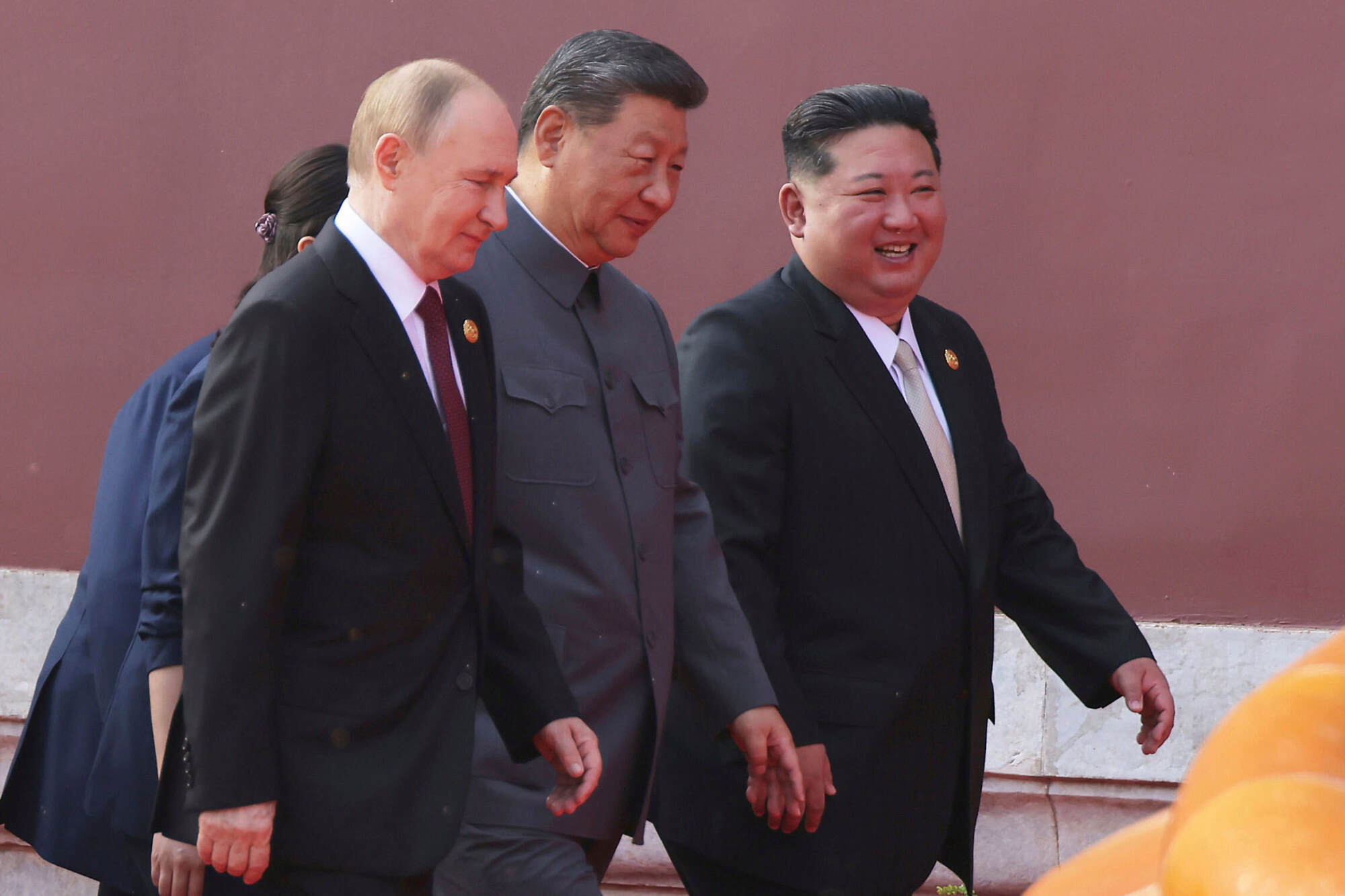
One notable scene saw Xi walking down a red carpet with Russian President Vladimir Putin on his right and North Korean leader Kim Jong-un on his left. They were seen smiling and talking.
It was the first time that Kim, Xi and Putin – all considered rivals of the United States – had gathered in the same place, sending a strong signal of unity against the US. It was also the first time Kim, who arrived in Beijing on Tuesday by train, had attended a major multilateral event.
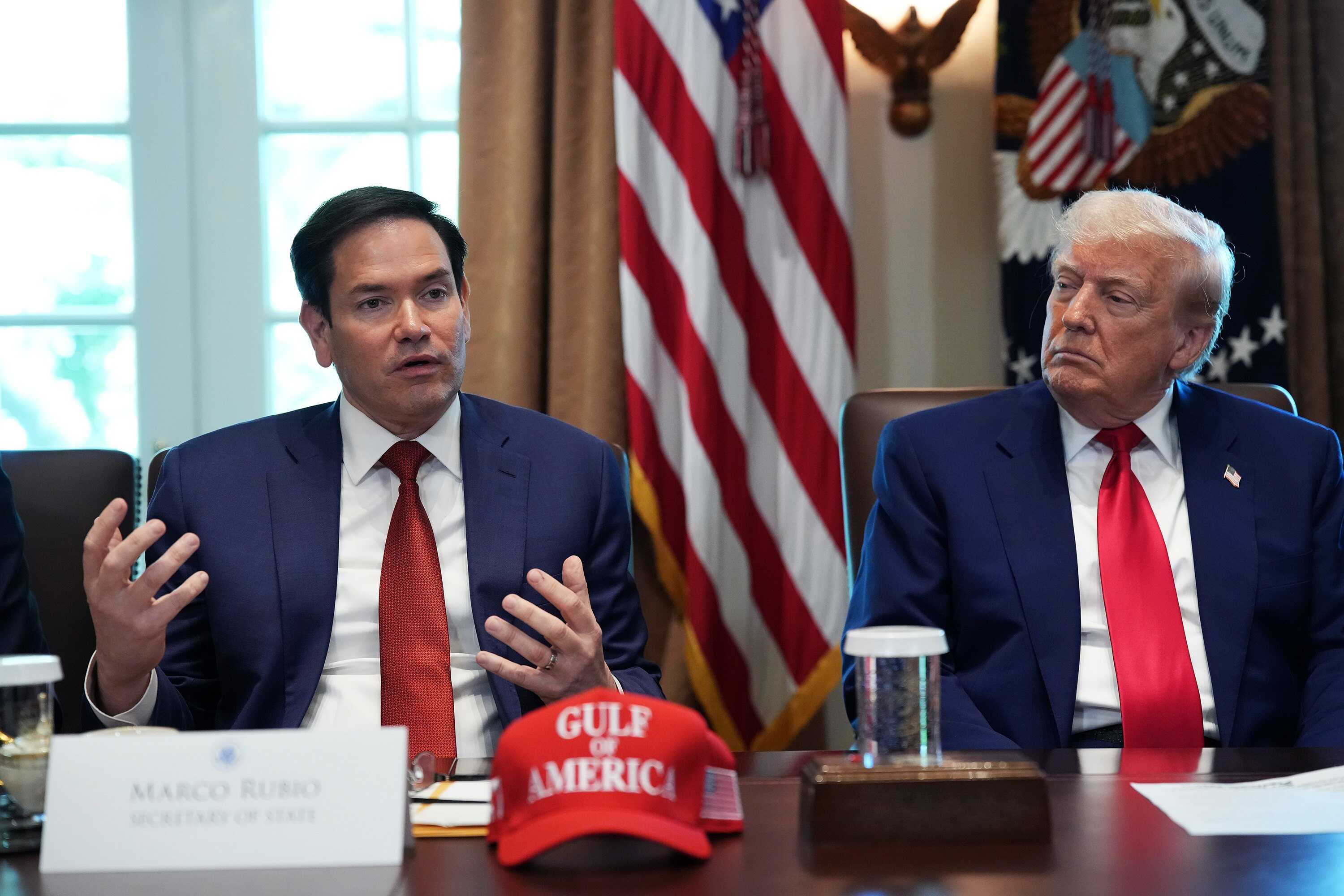
US President Donald Trump, who was not there, posted on social media asking if Xi would mention the contribution of the United States in the war. He also wished the Chinese leader “a great and lasting day of celebration” and asked Xi to “give my warmest regards to [Putin and Kim] as you conspire against the United States”.
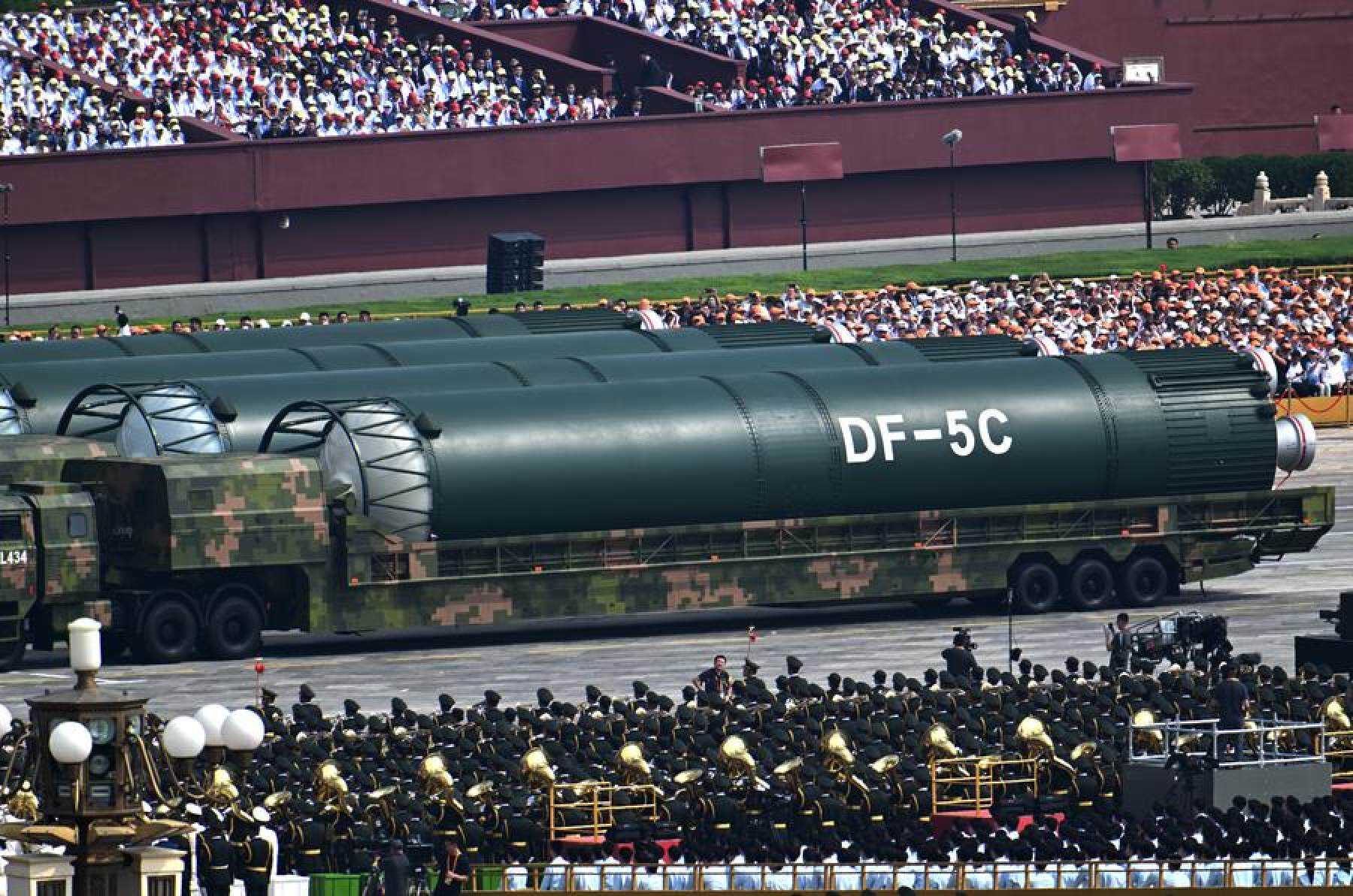
Wednesday’s parade offered China a chance to display its military might. Thousands of soldiers marched down Tiananmen Square, and the People’s Liberation Army displayed some of its latest military hardware not seen by the public before.
The parade featured formations from various military branches, including the PLA Army, Navy, Air Force, Joint Logistics Support Force and Rocket Force. It also featured newly established branches such as the Aerospace Force.
Beijing also used the event to showcase various land-based weapon systems, unstaffed aerial vehicles and missile systems.
Twenty-six top leaders from around the world – including those from Central Asia and Southeast Asia – attended the event.
They included Indonesian President Prabowo Subianto and Malaysian Prime Minister Anwar Ibrahim. Prabowo initially cancelled his trip to China due to widespread protests at home, but on Tuesday said he would attend the parade.
Only two heads of government from Europe attended the event: Serbian President Aleksandar Vučić and Slovak Prime Minister Robert Fico.
Foreign troops were notably missing from the parade this time, a contrast to the previous World War II commemoration in 2015.