Despite China’s recent economic growth, young jobseekers found little respite as March brought a rise in youth unemployment across urban areas, snapping six straight months of decline.
The jobless rate for the 16-to-24 age group, excluding students, edged up to 16.9 per cent in March from 16.1 per cent in February, according to data released by the National Bureau of Statistics on Tuesday.
The job market has proved particularly challenging for young people with limited professional experience.
Many have opted for postgraduate study to improve their prospects or defer entering the workforce, while others are turning to the country’s civil sector to secure jobs known as “iron rice bowls” for their comparatively high level of security.
But with these exam cycles now concluding, those who have failed to qualify are returning to a strained recruitment market.
Among them is Bai Xi, a finance and management graduate from Hebei province near Beijing, who recently began her job search after spending months working part-time while sitting local-level civil service exams following her graduation last year.
But time and again, she fell just short of the required score.
“I don’t have the strength any more to go all out and devote myself entirely to preparing for civil service exams,” Bai said. “Taking them again would just be a waste of time.”
The exams are notoriously competitive. More than 3.7 million people took the national civil service examination in December – the first since authorities raised the eligibility age cap to beyond 35. On average, 98 applicants vied for each position.
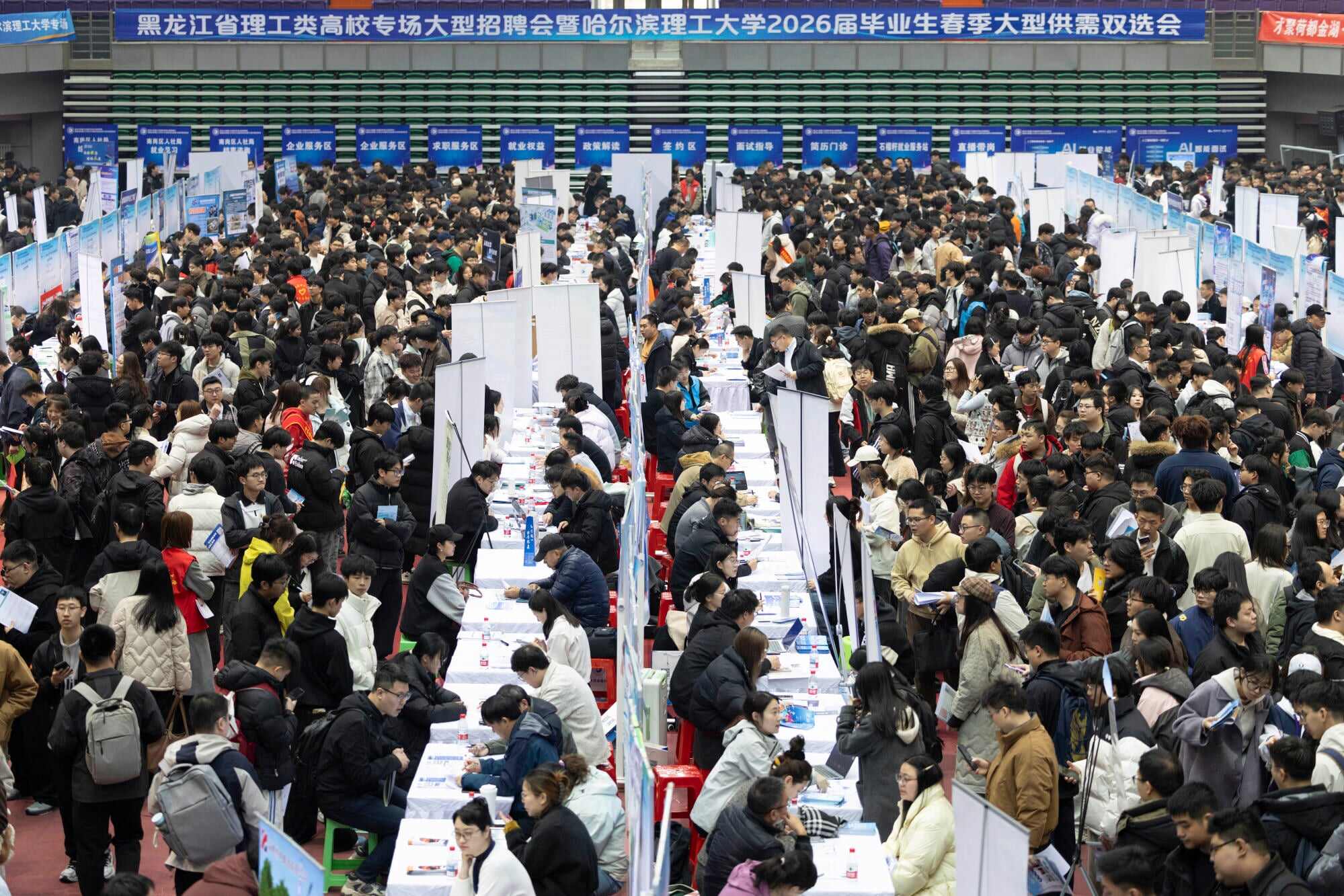
Now hoping to land a suitable position in accounting or auditing in Beijing, Bai has reached out to more than a thousand recruiters on a Chinese recruitment platform, but has only secured interviews with eight companies.
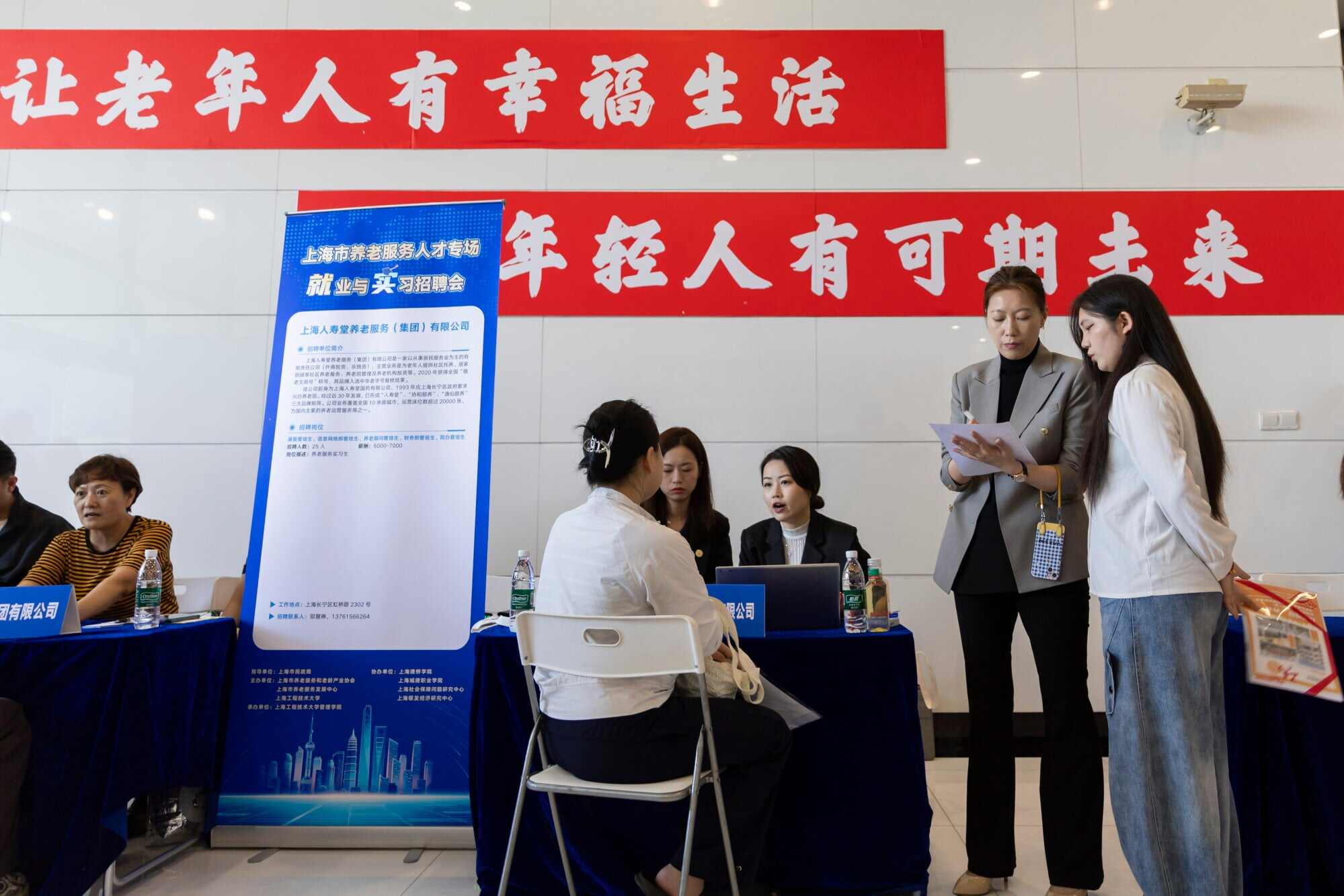
And with a record 12.7 million students expected to graduate this summer – around 4 per cent more than last year – market conditions are expected to tighten further in the coming months.
“I’m worried that competition will be even fiercer,” Bai said. “But there’s no way around it. If it doesn’t work out, I’ll find a job [in a different field] to tide things over first.”
The unemployment rate for those aged 25 to 29, also excluding students, stood at 7.7 per cent in March, up from 7.2 per cent in February, and the highest figure for the age group since the metric’s introduction in December 2023.
China’s overall urban-unemployment rate inched up to 5.4 per cent in March, from 5.3 per cent in February, official data showed.